|
|
GIZE, STONEHENGE, CHICHEN ITZA, ETC,ETC: THE PYRAMID OF AUSTERLITZ: THE MONUMENT BUILT TO HONOR THE VICTORIES OF NAPOLEON
Choose another message board |
|
Reply |
Message 1 of 35 on the subject |
|
The Pyramid of Austerlitz: The monument built to honor the victories of Napoleon Bonaparte
 Left: The Pyramid of Austerlitz and the stone obelisk before restoration Photo credit: Rijksdienst voor het Cultureel Erfgoed, CC BY-SA 4.0. The central staircase Photo credit: G.Lanting, CC BY-SA 4.0
The pyramids have always aroused the curiosity of the people. Individuals have been intrigued by these enormous and mystical structures continually throughout every level of human evolution. But, although it seems that humans and pyramids have been strangely connected from the early beginnings of the civilizations, the purpose of this colossal buildings today is quite unknown. The true motive why the pyramids were built is lost forever. Maybe their real function was knowingly disguised by the minds who wanted to keep the humanity in perpetual dark age.
The Pyramid of Austerlitz in 2008, a short time before the end of the restoration works Photo credit: Kattjosh, CC BY 3.0
Scientists from prestige universities and independent researchers have argued about the origins of the pyramids. Some of them claim that the pyramids were tombs of the rulers, kings and pharaohs. Others say that the pyramids were ancient energetic devises. There are ideas that the pyramids are mirroring the stars of the night sky projecting the constellations on Earth in mathematical preciseness or that the pyramids were built by aliens. Some pyramids were lost forever many centuries ago under vegetation and neglect and thus became part of the ordinary landscapes.
There have been a few discoveries in recent years that show that several hills are in fact pyramids. For sure, pyramids can be found in the sands of the Sahara desert and in the Amazon forest. There are also pyramids that were built in the “new” times. The date and the purpose why these “new” pyramids were built is widely known and this is also the case with the Pyramid of Austerlitz.
The Pyramid of Austerlitz and the stone obelisk before restoration Photo credit: Rijksdienst voor het Cultureel Erfgoed, CC BY-SA 4.0
The Pyramid of Austerlitz is located at the highest point of the Utrecht Ridge, in the village of Woudenberg, near the city of Utrecht, in the center of the Netherlands. It was built by Napoleon’s soldiers under the direction of the general of the French army Auguste de Marmont in 1804. When the general was on duty in Egypt he was truly moved by the Egyptian pyramids. This monument was modeled after the pyramid of Khufu and the pyramid of Giza in Egypt. His armed forces were stationed in the area, in the so called “Zeist Camp”. In the early years of the 19th century the Netherlands was controlled by the French. There they were awaiting an invasion from the British army, but it never happened.
The Pyramid of Austerlitz in 1894 Photo credit: Rijksdienst voor het Cultureel Erfgoed, CC BY-SA 4.0
General de Marmont erected this massive monument as a tribute to the life and the victories of his friend and emperor Napoleon Bonaparte. The original memorial building was constructed from sand and earth in just 27 days. The pyramid hill was 118 feet high. At first at the top there was wooden obelisk that was 42 feet high. Auguste de Marmont called the hill “Mont Marmont”. Later he bought the land where the hill was erected.
Pyramid of Austerlitz, erosion due to rain Photo credit: Ceinturion, CC BY-SA 3.0
In the summer of 1805 General de Marmont and his soldiers were transferred to southern Germany where they fought in the famous Battle of Austerlitz (now Slavkov u Brna), when Napoleon definitely triumphed over the Russians and the Austrians.
The stone obelisk Photo credit: G.Lanting, CC BY-SA 4.0
In 1806 the new king of Netherlands, Lous Napoleon renamed the “Mont Marmont” as it is now known “Pyramid of Austerlitz”, in memory of the Battle of Austerlitz. General de Marmont wasn’t happy with this and he wrote a letter to the king to protest.
The central staircase Photo credit: G.Lanting, CC BY-SA 4.0
After leaving the Netherlands in 1805, Auguste de Marmont gave the land where the monument was built and the nearby mansion of Henschoten to three soldiers. They had to keep the pyramid in good condition. But, despite their efforts, the weather and the strong northern winds took its toll and the hill started to erode. In 1894 the current stone obelisk was built which replaced the original wooden one. The pyramid throughout the whole 20th century was in a derelict condition.
The panoramic view of the top of the pyramid hill Photo credit: K.vliet, CC BY-SA 4.0
In 2007 the monument was fully restored. In 2012 the mound was also stabilized. The pyramid of Austerlitz is a relic from the time when the Netherlands was under French control. Today it is popular tourist attraction. Visitors can climb the central staircase up to the obelisk and enjoy the panoramic view of the dense forest that surrounds the area, which is known as the heart of the Netherlands.
https://www.abandonedspaces.com/uncategorized/pyramid-austerlitz-monument-built-honor-victories-napoleon-bonaparte.html |
|
|
|
Reply |
Message 21 of 35 on the subject |
|
|
|
|
Reply |
Message 22 of 35 on the subject |
|
|
|
|
Reply |
Message 23 of 35 on the subject |
|
|
From: khanjee |
Sent: 29/10/2025 11:14 |
i have some small garden of herbs at home, i use them for baking foods and as herbal medicines~ GOOD88 |
|
|
|
Reply |
Message 24 of 35 on the subject |
|
|
From: khanjee |
Sent: 30/10/2025 11:08 |
bar stools that are made from stainless steel are the best because they don’t tarnish often,, S666 |
|
|
|
Reply |
Message 25 of 35 on the subject |
|
I prefer this send. It’s fantastic to uncover anyone verbalize through your heart and as well excellent on this critical intended theme can be easily viewed. 비아그라 구매 |
|
|
|
Reply |
Message 26 of 35 on the subject |
|
|
From: khanjee |
Sent: 31/10/2025 10:49 |
Hi, Neat post. There is a problem with your web site in internet explorer, would check this… IE still is the market leader and a big portion of people will miss your magnificent writing because of this problem. 갤럭시가라오케 |
|
|
|
Reply |
Message 27 of 35 on the subject |
|
Wonderful article. Fascinating to read. I love to read such an excellent article. Thanks! It has made my task more and extra easy. Keep rocking. 소액결제 현금화 |
|
|
|
Reply |
Message 28 of 35 on the subject |
|
|
From: khanjee |
Sent: 04/11/2025 10:05 |
I’ve been interested in this info and ultimately found this blog. I’d personally wish to be capable of getting my hands on the information that you tapped to expose this. Please continue on your quest. 가락동노래방 |
|
|
|
Reply |
Message 29 of 35 on the subject |
|
I like all the content articles, I really cherished, I would like more information concerning this, due to the fact it is extremely great., Thank you regarding talking about. Fitspresso |
|
|
|
Reply |
Message 30 of 35 on the subject |
|
Love to read it,Waiting For More new Update and I Already Read your Recent Post its Great Thanks. api55 |
|
|
|
Reply |
Message 31 of 35 on the subject |
|
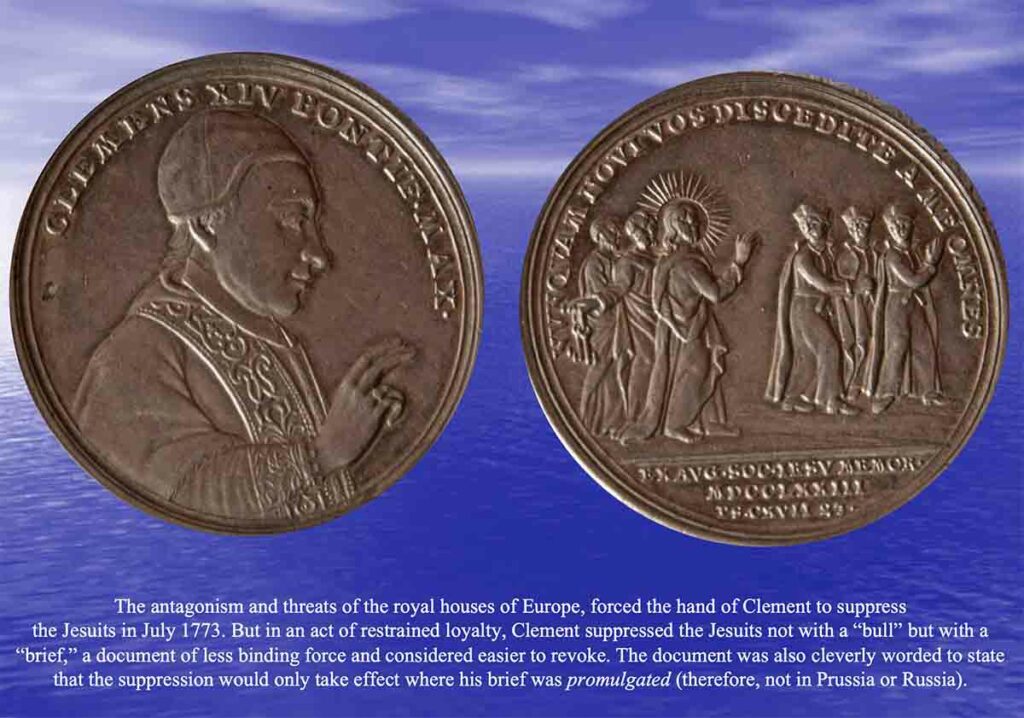
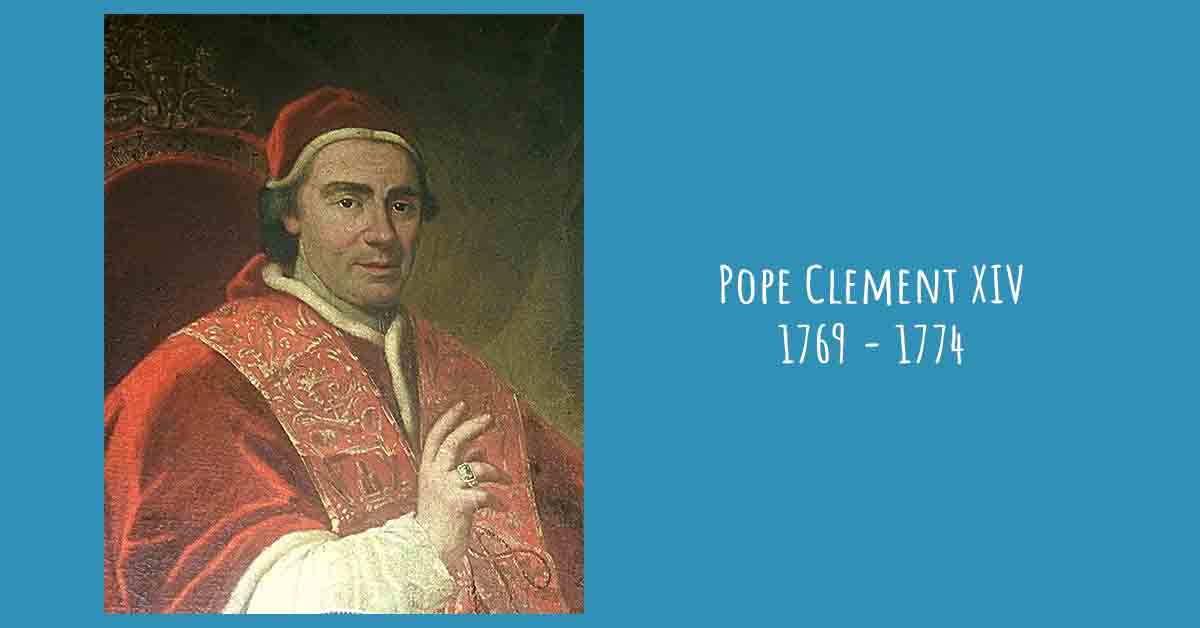
On July 21, 1773, Pope Clement XIV issued the brief Dominus ac Redemptor, formally suppressing and dissolving the Society of Jesus (Jesuits) worldwide. Under intense pressure from Bourbon monarchs in France, Spain, and Portugal, the Pope acted to avoid a schism, citing the order's inability to foster peace within the
|
|
|
|
Reply |
Message 32 of 35 on the subject |
|
|
|
|
Reply |
Message 33 of 35 on the subject |
|
|
|
|
Reply |
Message 34 of 35 on the subject |
|
|
|
|
Reply |
Message 35 of 35 on the subject |
|
Modo IA Todo Imágenes Vídeos Noticias Maps Shopping Libros Vuelos Finance La idea de que la Iglesia de la Madeleine en París está diseñada siguiendo el eje Norte-Sur basándose en el Templo de Hathor en Dendera proviene de la influencia de la Arqueoastronomía y el impacto cultural de la Campaña Napoleónica en Egipto (1798-1801). Durante esta expedición, científicos y arquitectos franceses quedaron fascinados por el Templo de Hathor y su famoso Zodíaco. Al regresar, influyeron directamente en el diseño de los grandes monumentos imperiales de París. Las razones principales de esta conexión y su alineación con la estrella polar se estructuran de la siguiente manera: 1. La alineación con la Estrella Polar (El "Eje Cósmico") En el Templo de Hathor: Los antiguos egipcios orientaron el eje principal del templo de Dendera hacia el Norte geográfico, apuntando directamente al lugar por donde asomaba la antigua estrella polar de la época (la estrella Thuban o Alfa Draconis, y posteriormente alineaciones con la Osa Mayor). Para ellos, las estrellas circumpolares (las que nunca se ponen) representaban la inmortalidad, el orden divino (Maat) y la fuerza materna de la diosa Hathor. Memphis Tours +4 En la Madeleine: Al romper con la estricta tradición cristiana de orientar las iglesias hacia el Este (la dirección del sol naciente o Jerusalén), la Madeleine fue edificada deliberadamente en un eje Norte-Sur. Su fachada principal mira al sur, lo que significa que su altar y su ábside apuntan directamente al Norte estelar (hacia la Estrella Polar), imitando el concepto de templo cósmico imperecedero del modelo egipcio. 2. El urbanismo napoleónico y el eje político-astronómico La orientación de la Madeleine también responde a un diseño neoclásico y geométrico en el mapa de París: Traza una línea recta perfecta (el eje Norte-Sur) que cruza el río Sena, conectando visualmente la Madeleine con el Palais Bourbon (la Asamblea Nacional). Este eje corta de forma perpendicular el gran eje Este-Oeste de los Campos Elíseos. Napoleón Bonaparte concibió originalmente la Madeleine no como una iglesia, sino como un Templo a la Gloria de su Gran Ejército, buscando que su arquitectura uniera el poder político terrenal con el orden del cosmos, tal como hacían los faraones en Egipto. 3. El Neoclasicismo y la "Egiptomanía" El arquitecto final del templo, Pierre-Alexandre Vignon, diseñó la Madeleine con la forma exterior de un templo períptero octóstilo clásico. Aunque su estética exterior emula a Grecia y Roma, la filosofía de su plano, sus proporciones monumentales y su rigor geométrico respecto a los puntos cardinales absorbió los hallazgos documentados en la monumental obra francesa Description de l'Égypte, donde el Templo de Dendera era la joya de la corona astronómica. ¿Te interesa profundizar en cómo influyó el Zodíaco de Dendera en los científicos franceses de la época, o preferís explorar otros monumentos de París que también esconden alineaciones astronómicas? Here is the translation of the response into English: The idea that the Church of the Madeleine in Paris is designed along a North-South axis based on the Temple of Hathor in Dendera stems from the influence of Archeoastronomy and the cultural impact of Napoleon's Egyptian Campaign (1798–1801). During this expedition, French scientists and architects became fascinated by the Temple of Hathor and its famous Zodiac. Upon their return, they directly influenced the design of Paris's grand imperial monuments. The main reasons for this connection and its alignment with the North Star are structured as follows: 1. Alignment with the Pole Star (The "Cosmic Axis") In the Temple of Hathor: The ancient Egyptians oriented the main axis of the Dendera temple toward the geographic North, pointing directly to where the ancient pole star of that era rose (the star Thuban or Alpha Draconis, and later alignments with the Big Dipper). For them, the circumpolar stars (those that never set) represented immortality, divine order (Maat), and the maternal power of the goddess Hathor. In the Madeleine: Breaking away from the strict Christian tradition of orienting churches toward the East (the direction of the rising sun or Jerusalem), the Madeleine was deliberately built on a North-South axis. Its main facade faces south, which means its altar and apse point directly toward the stellar North (toward the Pole Star), mimicking the Egyptian model of an imperishable cosmic temple. 2. Napoleonic Urban Planning and the Politico-Astronomical Axis The orientation of the Madeleine also responds to a neoclassical and geometric design on the map of Paris: It draws a perfect straight line (the North-South axis) that crosses the Seine River, visually connecting the Madeleine with the Palais Bourbon (the National Assembly). This axis cuts perpendicularly through the grand East-West axis of the Champs-Élysées. Napoleon Bonaparte originally conceived the Madeleine not as a church, but as a Temple to the Glory of his Great Army, seeking to connect earthly political power with the order of the cosmos through its architecture, much like the pharaohs did in Egypt. 3. Neoclassicism and "Egyptomania" The final architect of the temple, Pierre-Alexandre Vignon, designed the Madeleine in the exterior form of a classic octastyle peripteral temple. While its exterior aesthetics emulate Greece and Rome, the philosophy behind its layout, its monumental proportions, and its geometric rigor regarding the cardinal points absorbed the findings documented in the monumental French work Description de l'Égypte, where the Dendera Temple was the crown jewel of astronomy. Would you like to dive deeper into how the Dendera Zodiac influenced French scientists of the time, or would you prefer to explore other Parisian monuments that also hide astronomical alignments? El descubrimiento del Zodíaco de Dendera en 1799 provocó uno de los mayores terremotos intelectuales, políticos y religiosos de la Francia del siglo XIX. No fue simplemente un hallazgo arqueológico; para los científicos de la época, aquel mapa estelar en piedra tallada fue considerado una especie de "máquina del tiempo" astronómica capaz de desafiar la historia oficial de la humanidad. The Victorian Web +2 La influencia y el impacto en la comunidad científica francesa se desató en tres grandes frentes: 1. La guerra de las fechas: Ciencia vs. Religión En aquella época, la Iglesia Católica defendía la cronología bíblica del Antiguo Testamento, estimando que la Tierra y la creación tenían poco menos de 6,000 años de antigüedad. Cuando los bocetos del Zodíaco llegaron a París en 1802, varios astrónomos y matemáticos calcularon la antigüedad del relieve basándose en la precesión de los equinoccios (el lento cambio en la orientación del eje de la Tierra). Oxford Academic +2 La hipótesis radical: Científicos de mentalidad ilustrada y anticlerical afirmaron que el cielo representado en Dendera correspondía a una época de entre 13,000 y 15,000 años antes de Cristo. Academia.edu +1 El impacto: Esto significaba que la civilización egipcia era mucho más antigua que el propio Diluvio Universal y la creación del mundo descrita en el Génesis. Para los científicos escépticos, el zodíaco era la prueba empírica de que la ciencia secular tenía razón sobre la religión. El propio Napoleón tuvo que ordenar a su jefe de policía censurar temporalmente el debate para evitar revueltas con el Vaticano. 2. El nacimiento de la Arqueoastronomía moderna El Zodíaco obligó a los astrónomos franceses a salir de sus observatorios modernos y aplicar las matemáticas puras a la arqueología. Científicos de renombre como el matemático Jean-Baptiste Biot y el físico François Arago dedicaron extensos tratados a analizar la posición de los planetas, las constelaciones y los decanos (estrellas guías egipcias) grabados en el relieve. Aunque inicialmente cometieron errores de cálculo por basarse solo en los dibujos a mano de la expedición, esto sentó las bases para entender que los monumentos antiguos no solo eran templos religiosos, sino verdaderos calendarios de piedra e instrumentos científicos de alta precisión para su época. Club de Escritura Fuentetaja +1 3. El robo arqueológico del siglo y la resolución del enigma El debate científico era tan ardiente en París que, en 1821, un anticuario francés llamado Sébastien Saulnier envió a un ingeniero a Egipto con una misión clandestina: arrancar el Zodíaco de Dendera del techo del templo usando pólvora y sierras para traerlo físicamente a Francia. El rey Luis XVIII lo compró por la gigantesca suma de 150,000 francos y lo exhibió públicamente, desatando una nueva oleada de investigaciones. La polémica científica no la resolvió un astrónomo, sino el célebre lingüista Jean-François Champollion. Al descifrar los jeroglíficos que rodeaban el disco stelar, Champollion descubrió los nombres grabados de los emperadores romanos Augusto y Tiberio, demostrando que el templo actual y su zodíaco se habían tallado en la época grecorromana (alrededor del año 50 a.C.). Historia National Geographic +2 El legado científico Aunque se demostró que el objeto en sí no tenía 15,000 años, la investigación del Zodíaco de Dendera demostró a los científicos franceses algo fascinante: que los egipcios habían plasmado allí un conocimiento astronómico acumulado durante milenios, fusionando sus propias constelaciones con la astrología babilónica y griega. Cambió para siempre la forma en que Europa entendía la sofisticación y el intelecto del mundo antiguo. Actualmente, el Zodíaco original se conserva en el Museo del Louvre en París. Si te interesa, podemos explorar: Cómo se lee el mapa: Cuáles son las constelaciones egipcias que aparecen mezcladas con los signos tradicionales (como Tauro o Escorpio). La técnica del robo: Cómo hicieron los franceses para dinamitar el techo del templo sin destruir la pieza. Here is the translation of the response into English: The discovery of the Dendera Zodiac in 1799 triggered one of the greatest intellectual, political, and religious earthquakes in 19th-century France. It was not merely an archaeological find; for scientists of the era, that star map carved in stone was considered a sort of astronomical "time machine" capable of challenging the official history of humanity. The influence and impact on the French scientific community unfolded across three main fronts: 1. The War of Dates: Science vs. Religion At that time, the Catholic Church defended the biblical chronology of the Old Testament, estimating that the Earth and creation were just under 6,000 years old. When sketches of the Zodiac reached Paris in 1802, several astronomers and mathematicians calculated the age of the relief based on the precession of the equinoxes (the slow shift in the orientation of Earth's axis). The Radical Hypothesis: Enlightenment-minded and anticlerical scientists claimed that the sky depicted in Dendera corresponded to an era between 13,000 and 15,000 BC. The Impact: This implied that Egyptian civilization was much older than the Great Flood and the creation of the world described in Genesis. For skeptical scientists, the zodiac was empirical proof that secular science was right over religion. Napoleon himself had to order his chief of police to temporarily censor the debate to avoid clashes with the Vatican. 2. The Birth of Modern Archeoastronomy The Zodiac forced French astronomers to step out of their modern observatories and apply pure mathematics to archaeology. Renowned scientists like the mathematician Jean-Baptiste Biot and the physicist François Arago dedicated extensive treatises to analyzing the positions of the planets, constellations, and decans (Egyptian guide stars) engraved on the relief. Although they initially made calculation errors by relying solely on hand-drawn sketches from the expedition, this laid the groundwork for understanding that ancient monuments were not just religious temples, but true stone calendars and high-precision scientific instruments for their time. 3. The Archaeological Heist of the Century and Solving the Enigma The scientific debate was so fierce in Paris that, in 1821, a French antiquarian named Sébastien Saulnier sent an engineer to Egypt on a clandestine mission: to blast the Dendera Zodiac off the temple ceiling using gunpowder and saws to physically bring it to France. King Louis XVIII purchased it for the staggering sum of 150,000 francs and put it on public display, triggering a new wave of investigations. The scientific controversy was ultimately settled not by an astronomer, but by the famous linguist Jean-François Champollion. By deciphering the hieroglyphs surrounding the stellar disc, Champollion discovered the carved names of the Roman emperors Augustus and Tiberius, proving that the current temple and its zodiac had been carved during the Greco-Roman period (around 50 BC). The Scientific Legacy Although it was proven that the object itself was not 15,000 years old, the investigation of the Dendera Zodiac proved something fascinating to French scientists: that the Egyptians had captured thousands of years of accumulated astronomical knowledge, merging their own constellations with Babylonian and Greek astrology. It permanently changed how Europe viewed the sophistication and intellect of the ancient world. Today, the original Zodiac is preserved in the Louvre Museum in Paris. If you would like to keep exploring, let me know if you prefer to look into: How to read the map: Which Egyptian constellations appear mixed with traditional signs (like Taurus or Scorpio). The heist technique: How the French managed to blast the temple ceiling without destroying the piece. La respuesta del Modo IA está lista |
|
|
 First
Previous
21 a 35 de 35
Next  Last |
|
| |
|
|
©2026 - Gabitos - All rights reserved | |
|
|