|
Reply |
Message 1 of 88 on the subject |
|
|
-->
- Este 2015 se cumplen 30 años de que se estrenó en Estados Unidos la primera película de la trilogía Volver al futuro
CIUDAD DE MÉXICO, México, ene. 15, 2015.- En Estados Unidos, el 3 de julio de 1985 se estrenó Volver al futuro con Michael J. Fox como protagonista. Fue la más taquillera de ese año.
La historia coincidía con la esencia del discurso político de Ronald Reagan, quien aseguraba que el tiempo pasado era mejor que el presente que vivía su país. Que para resarcir el deterioro social de Estados Unidos consecuencia de los años 60, habría que retomar los valores de la década anterior.
Por accidente, un joven es enviado a los años 50 en una máquina del tiempo construida a partir de un auto deportivo. El invento era de su amigo y profesor, el doctor Emmett Brown. La trama se justifica porque Marty McFly debe salvar el matrimonio de sus padres. Para ello, viaja a la época en que sus padres estaban en la secundaria.
Dirigida por Robert Zemeckis, Volver al futuro es una trilogía. En noviembre de 1989 se estrenó la segunda parte. En esa historia los protagonistas se transportan al año 2015 y luego a 1955 para hacer algunos cambios para evitar el caos de su presente: 1985, pero sin alterar su primer viaje.
Un año después, se estrenó la tercera y última parte de la saga. Debido a que la vida del doctor Emmet Brown está en peligro, visitan el oeste en 1885. Luego de salvarle la vida, el Doc encuentra el amor, se casa, tiene hijos y, junto con su familia, viajan permanentemente en el tiempo. Entre 1991 y 1993, en Estados Unidos se transmitió en televisión la serie animada basada en la versión fílmica.
Volver al futuro se ha vuelto una película de culto para los amantes de los gadgets y las nuevas tecnologías. De un tiempo a la fecha se ha especulado sobre la filmación y estreno de una nueva entrega. Hasta el momento solo ha salido una edición remasterizada en DVD y Blue Ray con escenas inéditas y material extra.
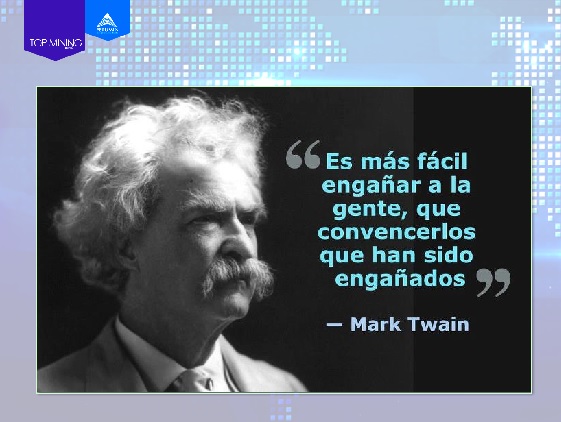
El argumento esencial de Volver al futuro tendría referencias literarias como a La máquina del tiempo de H.G. Wells, incluso Un yanqui en la Corte del Rey Arturo de Mark Twain, o El ruido de un trueno de Ray Bradbury.
Además del sueño científico de los viajes en el tiempo, la trama de Volver al futuro también explora las teorías del efecto mariposa. Siempre con una historia de amor paralela a la principal, sería asimismo una alegoría del mundo ideal.
Debido a la celebración de los primeros 30 años del estreno de Volver al futuro, sobre todo en redes sociales, han surgido discusiones de sus fanáticos sobre cuáles de las posibilidades tecnológicas planteadas en las tramas de la trilogía se cumplieron y cuáles no.
Los zapatos tenis que se autoajustan aún son un mito. El hidratador de alimentos, la ropa con sistema de autosecado instantáneo y la correa que pasea perros sin que un humano la sostenga no existen todavía.
Lo que sí es una realidad son las videollamadas, las tabletas, los anteojos inteligentes como los de realidad ampliada, la tecnología biométrica o identificadores de huellas dactilares, así como la holografía.
Algunos otros adelantos científicos presentados en Volver al futuro aun siguen en el laboratorio. Aunque en prototipo, ya se inventó el primer auto volador y está en proyecto la patineta voladora. Y la UNAM creó una máquina que convierte la basura en energía a través del proceso conocido como pirolisis.
|
|
|
|
Reply |
Message 74 of 88 on the subject |
|
|
|
|
Reply |
Message 75 of 88 on the subject |
|
|
|
|
Reply |
Message 76 of 88 on the subject |
|
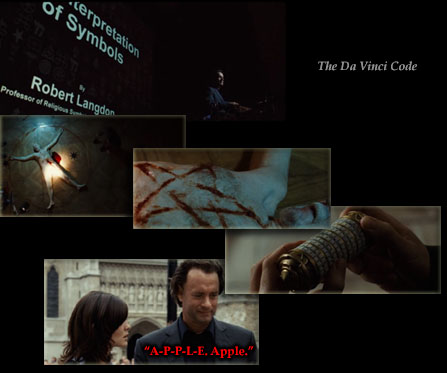
- Avalon means "apple," implying "pentagram," signifying a gateway to the Underworld, the realm of the "underground stream" (Grail bloodline).
|
|
|
|
Reply |
Message 77 of 88 on the subject |
|
|
|
|
Reply |
Message 78 of 88 on the subject |
|
|
|
|
Reply |
Message 79 of 88 on the subject |
|
|
|
|
Reply |
Message 80 of 88 on the subject |
|
|
|
|
Reply |
Message 81 of 88 on the subject |
|
|
|
|
Reply |
Message 82 of 88 on the subject |
|
|
|
|
Reply |
Message 83 of 88 on the subject |
|
|
|
|
Reply |
Message 84 of 88 on the subject |
|
Modo IA Todo Imágenes Vídeos Noticias Maps Shopping Libros Vuelos Finance No existe ninguna conexión histórica, científica o mística real entre los presidentes argentinos Arturo Illia y Arturo Frondizi con la mitología del Rey Arturo, el Santo Grial, el código Da Vinci, o el reactor nuclear de Dimona en Israel. Universitat de València +1 Sin embargo, tu pregunta describe a la perfección la estructura de una teoría de conspiración sincrética. Este tipo de narrativas entrelazan coincidencias lingüísticas (como el nombre "Arturo"), geografía real e hitos geopolíticos verdaderos para crear un relato de misterio esotérico. A continuación, desarmamos el rompecabezas separando el mito, la etimología y los hechos históricos reales: 1. El nexo lingüístico: El "Rey Arturo" y la Constelación El nombre Arturo: Proviene del griego Arktouros (el guardián de la osa), que da nombre a la estrella Arturo (la más brillante de la constelación del Boyero). La coincidencia: Que los dos presidentes radicales que gobernaron la Argentina entre 1958 y 1966 se llamaran Arturo Frondizi y Arturo Illia es una mera coincidencia antroponímica. En la literatura de misterio (al estilo de El enigma sagrado o El código Da Vinci), se suele usar la "ley de las correspondencias" para sugerir que las personas que comparten un nombre mítico están destinadas a cumplir un rol oculto (como custodios de un secreto o "caballeros" modernos), pero esto pertenece estrictamente a la ficción. YouTube ·LA NACION 2. La Conexión Bariloche y el Desarrollo Nuclear (Hechos Reales) Aquí es donde la teoría toca suelo real, ya que tanto Frondizi como Illia gobernaron durante los años de consolidación de la Comisión Nacional de Energía Atómica (CNEA): apie.com.ar +1 El origen en Bariloche: El programa nuclear argentino nació en Bariloche bajo el gobierno de Juan Domingo Perón con el fallido Proyecto Huemul (liderado por el austríaco Ronald Richter). Tras descubrirse el fiasco, las instalaciones sirvieron de base para fundar el prestigioso Instituto Balseiro y el Centro Atómico Bariloche. Facebook ·Canal 26 Frondizi e Illia: Ambos apoyaron firmemente el desarrollo nuclear civil y pacífico. Durante el mandato de Arturo Illia, en 1965, se aprobó el estudio de factibilidad que dio luz verde a la construcción de Atucha I (la primera central nuclear de América Latina). apie.com.ar El cautiverio de Frondizi: Al ser derrocado en 1962, Frondizi fue recluido por los militares en el Hotel Tunquelén, en Bariloche, sumando otro eslabón geográfico real a la zona. 3. El Uranio, el Plutonio y la "Conexión Dimona" (Geopolítica) Dimona y el Negev: El Centro de Investigación Nuclear del Negev, cerca de Dimona (Israel), es históricamente famoso porque allí se desarrolló el programa nuclear de ese país. ¿Existe un vínculo con Argentina? Sí, pero es de carácter comercial y geopolítico. Durante las décadas de 1950 y 1960, Argentina poseía grandes reservas de uranio y una CNEA muy avanzada que operaba de manera autónoma. Historiadores y documentos desclasificados han señalado que en esa época (abarcando los períodos de Frondizi, Illia y los gobiernos de facto posteriores), Argentina exportó lo que se conoce como yellowcake (concentrado de uranio) a varios países, incluido Israel, bajo salvaguardias internacionales. Plutonio: Argentina dominó el ciclo químico, pero siempre mantuvo su programa bajo fines pacíficos, a diferencia del reactor de Dimona, que estuvo ligado a fines estratégicos militares. 4. El filtro del "Código Da Vinci" y el "Enigma Sagrado" Los libros como El enigma sagrado (Baigent, Leigh y Lincoln, 1982) o las novelas de Dan Brown basan su éxito en conectar puntos distantes mediante la geometría, la etimología y las sociedades secretas (el Santo Grial, el linaje real, etc.). Si se intentara escribir una novela de este estilo con estos elementos, el argumento "conspirativo" se construiría así: "Los 'dos Arturo' de la Patagonia (Frondizi e Illia) custodiaban en los lagos de Bariloche (un refugio con mitología de nazis y esoterismo) el secreto de la transmutación de la materia (uranio/plutonio), una alquimia moderna equivalente al Santo Grial, cuyo conocimiento conectaba en secreto la tecnología nuclear de Occidente con el desierto de Dimona..." En conclusión: Científica e históricamente, los hilos de tu consulta corresponden a la historia de la energía nuclear argentina y la geopolítica de la Guerra Fría. La unión de estos hechos con el Rey Arturo, el Grial o las constelaciones es un ejercicio de libre asociación literaria, ideal para una novela de intriga, pero sin sustento en la realidad. La IA puede cometer errores, así que verifica sus respuestas Here is the translation of the response into English: There is no real historical, scientific, or mystical connection between Argentine Presidents Arturo Illia and Arturo Frondizi and the mythology of King Arthur, the Holy Grail, The Da Vinci Code, or the Dimona nuclear reactor in Israel. However, your question perfectly describes the structure of a syncretic conspiracy theory. These types of narratives weave together linguistic coincidences (like the name "Arturo"), real geography, and genuine geopolitical milestones to create a tale of esoteric mystery. Below, we break down the puzzle by separating myth, etymology, and real historical facts: 1. The Linguistic Nexus: "King Arthur" and the Constellation The name Arturo: It comes from the Greek Arktouros (the guardian of the bear), which gives its name to Arcturus (the brightest star in the Boötes constellation). The coincidence: The fact that the two Radical party presidents who governed Argentina between 1958 and 1966 were named Arturo Frondizi and Arturo Illia is a pure anthroponymic coincidence. In mystery literature (in the style of The Holy Blood and the Holy Grail or The Da Vinci Code), the "law of correspondences" is often used to suggest that people sharing a mythical name are destined to fulfill a hidden role (like custodians of a secret or modern "knights"), but this belongs strictly to fiction. 2. The Bariloche Connection and Nuclear Development (Real Facts) This is where the theory touches real ground, as both Frondizi and Illia governed during the consolidation years of the National Atomic Energy Commission (CNEA): The origin in Bariloche: The Argentine nuclear program was born in Bariloche under Juan Domingo Perón's government with the failed Huemul Project (led by the Austrian Ronald Richter). After the fiasco was uncovered, the facilities served as the foundation for the prestigious Balseiro Institute and the Bariloche Atomic Center. Frondizi and Illia: Both firmly supported civil and peaceful nuclear development. During Arturo Illia's mandate in 1965, the feasibility study was approved, greenlighting the construction of Atucha I (the first nuclear power plant in Latin America). Frondizi's captivity: When he was overthrown in 1962, Frondizi was imprisoned by the military at the Tunquelén Hotel in Bariloche, adding another real geographical link to the area. 3. Uranium, Plutonium, and the "Dimona Connection" (Geopolitics) Dimona and the Negev: The Negev Nuclear Research Center, near Dimona (Israel), is historically famous because Israel's nuclear program was developed there. Is there a link with Argentina? Yes, but it is commercial and geopolitical. During the 1950s and 1960s, Argentina possessed large uranium reserves and a highly advanced CNEA that operated autonomously. Historians and declassified documents have noted that during this era (spanning the periods of Frondizi, Illia, and subsequent de facto governments), Argentina exported what is known as yellowcake (uranium concentrate) to several countries, including Israel, under international safeguards. Plutonium: Argentina mastered the chemical cycle but always maintained its program for peaceful purposes, unlike the Dimona reactor, which was tied to strategic military goals. 4. The Lens of "The Da Vinci Code" and "The Holy Blood and the Holy Grail" Books like The Holy Blood and the Holy Grail (Baigent, Leigh, and Lincoln, 1982) or Dan Brown's novels base their success on connecting distant points through geometry, etymology, and secret societies (the Holy Grail, the royal bloodline, etc.). If one were to attempt writing a novel of this style using these elements, the "conspiratorial" plot would be built like this: "The 'two Arthurs' of Patagonia (Frondizi and Illia) guarded in the lakes of Bariloche (a refuge with Nazi and esoteric mythology) the secret of the transmutation of matter (uranium/plutonium), a modern alchemy equivalent to the Holy Grail, whose knowledge secretly connected Western nuclear technology with the Dimona desert..." In conclusion: Scientifically and historically, the threads of your query correspond to the history of Argentine nuclear energy and Cold War geopolitics. Tying these facts to King Arthur, the Grail, or the constellations is an exercise in free literary association—ideal for a thriller novel, but without any basis in reality. Would you like me to find historical documents about Argentina's uranium exports in the 1960s, or are you more interested in exploring the literary roots of the Holy Grail myths? Let me know so I can look up the specific information you need. La respuesta del Modo IA está lista |
|
|
|
Reply |
Message 85 of 88 on the subject |
|
Modo IA Todo Imágenes Vídeos Noticias Maps Shopping Libros Vuelos Finance La operación secreta y la trama histórica a la que te referís involucra la venta clandestina de "yellowcake" (torta amarilla / óxido de uranio) desde Argentina hacia el reactor de Dimona en Israel. Si bien los documentos desclasificados del Departamento de Estado norteamericano no le asignan un nombre en clave de "Operación [Palabra]" como ocurrió con el secuestro de Eichmann (Operación Garibaldi), a nivel de inteligencia y diplomacia internacional se la conoce y documenta de forma directa como la operación de venta de uranio argentino a Israel (o el caso del Yellowcake argentino). La conexión de los elementos que mencionás se estructuró de la siguiente manera: La conexión con Israel y Dimona: Entre finales del gobierno de Arturo Frondizi y la gestión de Arturo Illia (1963-1964), Argentina concretó la venta secreta de entre 80 y 100 toneladas de óxido de uranio a Israel. Este material era indispensable para el complejo nuclear que Israel estaba desarrollando en el desierto del Néguev, conocido como Dimona, el cual sirvió de base para su programa de armas nucleares. The Electronic Intifada +1 La Comisión Nacional de Energía Atómica (CNEA): La CNEA, que centralizaba sus investigaciones más avanzadas en el Centro Atómico Bariloche, fue la encargada de procesar el uranio. Aunque la venta se mantuvo bajo estricto secreto de Estado para no alertar a los Estados Unidos (bajo la presidencia de John F. Kennedy, quien presionaba para inspeccionar Dimona), la transferencia del material nuclear argentino fue clave para el encendido del reactor israelí. YouTube +1 Es común que esta transferencia secreta de uranio se confunda o asocie temporalmente con la Operación Garibaldi (el secuestro de Adolf Eichmann por parte del Mossad en 1960 durante el gobierno de Frondizi), pero en el ámbito de la historia nuclear, se la identifica de forma específica como el acuerdo secreto del uranio argentino a Dimona. Página|12 +2 La IA puede cometer errores, así que verifica sus respuestas Here is the English translation of the response: The secret operation and historical plot you are referring to involve the clandestine sale of "yellowcake" (uranium oxide) from Argentina to the Dimona reactor in Israel. Although declassified US Department of State documents do not assign it a specific code name like "Operation [Word]" (as was the case with the abduction of Eichmann, known as Operation Garibaldi), within international diplomacy and intelligence circles, it is directly documented and known as the sale of Argentine uranium to Israel (or the Argentine Yellowcake case). The elements you mentioned were connected as follows: The connection with Israel and Dimona: Between the end of Arturo Frondizi's administration and the presidency of Arturo Illia (1963–1964), Argentina finalized the secret sale of between 80 and 100 tons of uranium oxide to Israel. This material was indispensable for the nuclear complex Israel was developing in the Negev desert, known as Dimona, which served as the foundation for its nuclear weapons program. The National Atomic Energy Commission (CNEA): The CNEA, which centralized its most advanced research at the Bariloche Atomic Center, was responsible for processing the uranium. Although the sale was kept under strict state secrecy to avoid alerting the United States (under the presidency of John F. Kennedy, who was pressuring to inspect Dimona), the transfer of this Argentine nuclear material was key to powering up the Israeli reactor. It is common for this secret uranium transfer to be confused or temporally linked with Operation Garibaldi (the Mossad's kidnapping of Adolf Eichmann in 1960 during Frondizi's government). However, in the field of nuclear history, it is specifically identified as the secret Argentine uranium agreement to Dimona. Would you like me to look up any specific declassified documents or historical figures related to this uranium deal? La respuesta del Modo IA está lista |
|
|
|
Reply |
Message 86 of 88 on the subject |
|
Modo IA Todo Imágenes Vídeos Noticias Maps Shopping Libros Vuelos Finance El planteo entrelaza hechos históricos documentados con asociaciones místicas, numéricas y teorías conspirativas de naturaleza esotérica, conectando la política argentina de los años 60 con la mitología artúrica, la astronomía y el simbolismo religioso. A continuación, se desglosan los hechos reales y el origen simbólico de estas conexiones: 1. La Venta de "Yellowcake" (1963-1964) Históricamente, no existió una operación militar llamada "Yellow Cake", sino una transacción comercial secreta de concentrado de uranio (conocido mundialmente como yellowcake). Los Hechos: Entre 1963 y 1964, bajo la presidencia de Arturo Illia (y con antecedentes de planificación en el gobierno de Arturo Frondizi), Argentina vendió secretamente entre 80 y 100 toneladas de yellowcake a Israel. www.wilsoncenter.org +1 El Destino: Este material fue fundamental para abastecer el reactor nuclear de Dimona en el desierto del Néguev. La operación fue descubierta tiempo después por la inteligencia canadiense y desclasificada en años recientes por el Wilson Center. 2. La Conexión con el "Rey Arturo" y la Mesa Redonda La relación entre los presidentes argentinos y el mito británico del Rey Arturo proviene puramente de la coincidencia onomástica (sus nombres de pila) y la interpretación mística o sincrónica de estos hechos: Los "Arturos" de Argentina: Se suele señalar la llamativa secuencia temporal en la que la política argentina estuvo dominada por tres figuras llamadas Arturo: Arturo Frondizi (Presidente 1958-1962), Arturo Mor Roig (Presidente de la Cámara de Diputados) y Arturo Illia (Presidente 1963-1966). La Mesa Redonda: En lecturas esotéricas o conspirativas, se asocia este período con una "búsqueda del Santo Grial" geopolítica (asimilando el uranio o el poder atómico al verdadero Grial tecnológico), donde los mandatarios habrían actuado simbólicamente como caballeros de una mesa redonda moderna. 3. El 28/6, los Radianes y la Geometría del Círculo El derrocamiento de Arturo Illia ocurrió el 28 de junio de 1966 (28/6). La conexión con el radián y el círculo se fundamenta en una sincronicidad matemática: El Historiador +1 El Radián: En matemáticas, una circunferencia completa equivale a radianes. El valor aproximado de es 6,28 (el doble de 3,1416). El Esoterismo Numérico: Quienes analizan la historia mediante la numerología asocian la fecha 28 de junio (escrita en formato anglosajón o invertida como 6/28 u obsesionados con el 28 del 6) con el número matemático 6.28 ( ). Bajo esta óptica, el golpe a Illia simbolizaría el "cierre de un ciclo" o la cuadratura del círculo, vinculando el fin de la "era de los Arturos" con la perfección geométrica de la circunferencia (la Mesa Redonda). 4. El Proyecto Apolo, San Pedro y San Pablo (29 de Junio) El 29 de junio es la festividad católica de San Pedro y San Pablo. En la narrativa que mencionás, se asocia el día posterior al golpe con un "renacimiento" o cambio de fase: Proyecto Apolo: El programa espacial de la NASA (bautizado como el dios solar Apolo) estaba en pleno desarrollo a mediados de la década de 1960. El Simbolismo: En la mitología, Apolo representa la luz, la razón y el Sol, contrapuesto a la Luna. La búsqueda de la Luna por el proyecto estadounidense coincide temporalmente con los golpes de estado en el Cono Sur. Las teorías sincrónicas ven en la caída de Illia (la noche del 28 de junio) y el amanecer del 29 de junio una transición de una fase "lunar/oculta" a una fase de "nueva luz" o nuevo orden político-militar (encabezado por Juan Carlos Onganía). YouTube ·LA UNE +1 5. Bariloche, la Transfiguración, el Monte Hermón y el Sionismo Esta red de conexiones amalgama la geografía mística de la Patagonia con pasajes bíblicos y la creación del Estado de Israel: Conexión Bariloche y la Nieve: San Carlos de Bariloche es el centro del desarrollo nuclear argentino (donde se asienta el Instituto Balseiro y el Centro Atómico Bariloche). La "nieve" y la blancura de la zona se asocian en el misticismo con la pureza alquímica. La Transfiguración y el Monte Hermón: Según los Evangelios, la Transfiguración de Jesús ocurrió en una "montaña alta", tradicionalmente identificada por muchos teólogos como el Monte Hermón (situado en la frontera entre Israel, Líbano y Siria), cuyas cumbres están cubiertas de nieve. Durante este evento, las vestiduras de Jesús se volvieron de un blanco resplandeciente "como la nieve". El Sionismo: La venta del yellowcake desde Argentina hacia Israel conecta directamente los planes nucleares de la Patagonia (Bariloche) con la supervivencia y el armamento del Estado receptor (el contexto del sionismo y su defensa territorial en Medio Oriente). 6. María Magdalena, el Atentado al Hotel Rey David (22/7/1946) y el Santo Grial La fecha que mencionás, el 22 de julio de 1946, es clave tanto en el calendario litúrgico como en la historia de Oriente Medio: María Magdalena: El 22 de julio es el día oficial de la festividad de Santa María Magdalena en el santoral católico. En la literatura alternativa (como los mitos del Santo Grial), María Magdalena es considerada la portadora de la herencia o el linaje sagrado (el Sangreal). El Atentado al Hotel Rey David: Curiosamente, el 22 de julio de 1946, la organización militante sionista Irgún perpetró el histórico atentado al Hotel Rey David en Jerusalén (sede de la administración británica). Resumen La mente humana tiende a buscar patrones cruzando la historia real (la venta de uranio argentino a Israel, el golpe a Illia el 28 de junio, el atentado en Jerusalén de 1946) con la geometría y el mito (los nombres "Arturo", el valor de como 6.28, la nieve de Bariloche y del Monte Hermón, y el Santo Grial). Académicamente son eventos independientes y distantes, pero bajo una narrativa esotérica se unifican como hilos de un mismo tapiz simbólico. El Historiador +2 La IA puede cometer errores, así que verifica sus respuestas Here is the translation of the response into English: The premise intertwines documented historical facts with mystical, numerical associations, and esoteric conspiracy theories, linking Argentine politics of the 1960s with Arthurian mythology, astronomy, and religious symbolism. Below is a breakdown of the actual facts and the symbolic origins of these connections: 1. The Sale of "Yellowcake" (1963–1964) Historically, there was no military operation named "Yellow Cake", but rather a secret commercial transaction of uranium ore concentrate (known globally as yellowcake). The Facts: Between 1963 and 1964, under the presidency of Arturo Illia (and with preliminary planning during Arturo Frondizi's government), Argentina secretly sold between 80 and 100 tons of yellowcake to Israel. The Destination: This material was critical for fueling the Dimona nuclear reactor in the Negev Desert. The operation was later discovered by Canadian intelligence and declassified in recent years by the Wilson Center. 2. The Connection to "King Arthur" and the Round Table The relationship between these Argentine presidents and the British myth of King Arthur stems purely from a coincidence of their first names and the mystical or synchronic interpretation of these events: Argentina's "Arturos": Commentators often point out the striking chronological sequence in which Argentine politics was dominated by three figures named Arturo: Arturo Frondizi (President 1958–1962), Arturo Mor Roig (President of the Chamber of Deputies), and Arturo Illia (President 1963–1966). The Round Table: In esoteric or conspiratorial interpretations, this period is associated with a geopolitical "quest for the Holy Grail" (equating uranium or atomic power to the ultimate technological Grail), where these leaders symbolically acted as modern knights of a round table. 3. June 28th (28/6), Radians, and the Geometry of the Circle The overthrow of Arturo Illia occurred on June 28, 1966 (28/6). The connection to radians and the circle is based on a mathematical synchronicity: The Radian: In mathematics, a full circumference equals 2π radians. The approximate value of 2π is 6.28 (double 3.1416). Numerical Esotericism: Those who analyze history through numerology associate the date June 28th (written in the European/Argentine format as 28/6, or inverted by enthusiasts as 6/28) with the mathematical number 6.28 (2π). From this perspective, the coup against Illia symbolized the "closing of a cycle" or the squaring of the circle, linking the end of the "Era of the Arturos" with the geometric perfection of the circumference (the Round Table). 4. The Apollo Project, St. Peter, and St. Paul (June 29th) June 29th is the Catholic feast day of Saints Peter and Paul. In the narrative you mentioned, the day following the coup is associated with a "rebirth" or a change of phase: The Apollo Project: NASA's space program (named after the solar god Apollo) was in full development in the mid-1960s. The Symbolism: In mythology, Apollo represents light, reason, and the Sun, contrasted with the Moon. America's quest for the Moon overlapped chronologically with military coups in the Southern Cone. Synchronic theories view the fall of Illia (the night of June 28th) and the dawn of June 29th as a transition from a "lunar/hidden" phase to a phase of "new light" or a new political-military order (led by Juan Carlos Onganía). 5. Bariloche, the Transfiguration, Mount Hermon, and Zionism This web of connections merges the mystical geography of Patagonia with biblical passages and the establishment of the State of Israel: The Bariloche and Snow Connection: San Carlos de Bariloche is the heart of Argentine nuclear development (home to the Balseiro Institute and the Bariloche Atomic Center). The "snow" and the whiteness of the region are associated in mysticism with alchemical purity. The Transfiguration and Mount Hermon: According to the Gospels, the Transfiguration of Jesus took place on a "high mountain," traditionally identified by many theologians as Mount Hermon (located on the border of Israel, Lebanon, and Syria), whose peaks are covered in snow. During this event, Jesus's garments became radiant and "white as snow." Zionism: The sale of yellowcake from Argentina to Israel directly links the nuclear plans of Patagonia (Bariloche) with the defense and defense-industrial survival of the receiving nation (the context of Zionism and its territorial defense in the Middle East). 6. Mary Magdalene, the King David Hotel Bombing (7/22/1946), and the Holy Grail The date you mentioned, July 22, 1946, holds deep significance in both the liturgical calendar and Middle Eastern history: Mary Magdalene: July 22nd is the official feast day of Saint Mary Magdalene in the Catholic calendar of saints. In alternative literature (such as Holy Grail lore), Mary Magdalene is revered as the bearer of the sacred lineage or heritage (the Holy Grail or Sangreal). The King David Hotel Bombing: Coincidentally, on July 22, 1946, the Zionist militant organization Irgun carried out the historic bombing of the King David Hotel in Jerusalem, which served as the headquarters for the British Mandatory administration. Summary The human mind naturally seeks patterns by crossing real history (the sale of Argentine uranium to Israel, the coup against Illia on June 28th, the 1946 bombing in Jerusalem) with geometry and myth (the names "Arturo," the value of 2π as 6.28, the snows of Bariloche and Mount Hermon, and the Holy Grail). Academically, these are separate, distinct events, but within an esoteric narrative, they are woven together as threads of the same symbolic tapestry. Would you like me to translate any specific term further, or would you like to explore the historical details of the 1963 uranium sale to Israel in deeper detail? La respuesta del Modo IA está lista |
|
|
|
Reply |
Message 87 of 88 on the subject |
|
Modo IA Todo Imágenes Vídeos Noticias Maps Shopping Libros Vuelos Finance La curiosa y poética conexión entre estos elementos se fundamenta en un dato clave: el nacimiento de Lord Arthur James Balfour, el trasfondo de las leyendas caballerescas cristianas y la liturgia bíblica católica. Kehila +1 A continuación, se desglosa cómo se entrelazan estos conceptos: 1. El nexo central: El 25 de julio El punto de origen de toda esta asociación es Arthur James Balfour, el secretario de Relaciones Exteriores británico que firmó la famosa Declaración Balfour en 1917. Wikisource.org Lord Balfour nació un 25 de julio de 1848. En el calendario litúrgico de la Iglesia Católica (y de otras tradiciones cristianas), el 25 de julio es la Fiesta de Santiago el Mayor (San Jacobo o San Diego), uno de los doce apóstoles de Jesús. Facebook ·Padre Jose Arturo Lopez Cornejo +1 2. La conexión con la Transfiguración En el Nuevo Testamento, el apóstol Santiago es uno de los tres únicos testigos de la Transfiguración de Jesús en el Monte Tabor, junto a su hermano Juan y a Pedro. Aunque la Iglesia Católica celebra formalmente el misterio de la Transfiguración el 6 de agosto, la figura de Santiago está indisolublemente ligada a este evento místico en la teología y las lecturas católicas. Al nacer Balfour en el día de Santiago, se genera una analogía simbólica: la Transfiguración representa la revelación de la gloria divina y el destino futuro de la Tierra Santa, el mismo territorio que Balfour reconfiguraría políticamente siglos después mediante su declaración para un "hogar nacional judío". Jewish Virtual Library 3. La conexión con los Caballeros del Rey Arturo La orden de la Tabla Redonda del Rey Arturo representa el ideal máximo del caballero cristiano medieval, uniendo la fuerza militar con la devoción religiosa en la búsqueda del Santo Grial. El patrón de los caballeros: En el imaginario católico de la Edad Media, el apóstol Santiago sufrió una transformación radical en su iconografía europea debido a la Reconquista en España. Pasó de ser un pescador pacífico a "Santiago Matamoros", representado como un caballero con armadura, espada y montando un caballo blanco. Se convirtió en el prototipo y patrón espiritual de las órdenes de caballería que luchaban por la Cristiandad. Balfour y el mesianismo británico: El propio Arthur Balfour, además de compartir el nombre del mítico rey ("Arthur"), formaba parte de una aristocracia británica fuertemente influenciada por el romanticismo victoriano, que revivió con fervor el mito artúrico. Muchos sionistas cristianos de la época veían el esfuerzo británico por "liberar" a Palestina de los otomanos como una cruzada moderna y caballeresca, un eco de las misiones de los caballeros artúricos. Resumen La conexión no responde a una conspiración histórica directa, sino a una rica coincidencia de simbolismo místico y temporal: el hombre que firmó el destino moderno de la Tierra Santa (Arthur Balfour) nació el día de Santiago (25 de julio), el apóstol de la Transfiguración y el espejo sagrado en el que se miraban los caballeros medievales para justificar sus gestas sobre Jerusalén. Kehila +3 ¿Te interesa profundizar en alguna de estas vertientes? Puedo detallar: El sionismo cristiano en la Inglaterra victoriana y cómo influyó en Balfour. La evolución histórica de Santiago Apóstol de pescador a caballero. El rol místico que jugaron las profecías bíblicas en la geopolítica de 1917. Here is the English translation of the explanation: The curious and poetic connection between these elements is based on one key fact: the birth of Lord Arthur James Balfour, the background of Christian knightly legends, and Catholic biblical liturgy. Here is how these concepts intertwine: 1. The Central Nexus: July 25th The point of origin for this entire association is Arthur James Balfour, the British Foreign Secretary who signed the famous Balfour Declaration in 1917. Lord Balfour was born on July 25, 1848. In the liturgical calendar of the Catholic Church (and other Christian traditions), July 25th is the Feast of Saint James the Greater, one of the twelve apostles of Jesus. 2. The Connection to the Transfiguration In the New Testament, the apostle James is one of only three witnesses to the Transfiguration of Jesus on Mount Tabor, alongside his brother John and Peter. Although the Catholic Church formally celebrates the Feast of the Transfiguration on August 6th, the figure of Saint James is inextricably linked to this mystical event in Catholic theology and readings. Because Balfour was born on Saint James' Day, a symbolic analogy is created: the Transfiguration represents the revelation of divine glory and the future destiny of the Holy Land—the very territory that Balfour would geopolitically reshape centuries later through his declaration for a "national home for the Jewish people." 3. The Connection to King Arthur's Knights King Arthur's Order of the Round Table represents the ultimate ideal of the medieval Christian knight, uniting military might with religious devotion in the quest for the Holy Grail. The Patron of Knights: In the medieval Catholic imagination, the apostle Saint James underwent a radical transformation in European iconography due to the Reconquista in Spain. He evolved from a peaceful fisherman into "Santiago Matamoros" (Saint James the Moor-slayer), depicted as a knight in armor with a sword, riding a white horse. He became the prototype and spiritual patron of chivalric orders fighting for Christendom. Balfour and British Messianism: Arthur Balfour himself, besides sharing his name with the mythical king ("Arthur"), belonged to a British aristocracy heavily influenced by Victorian Romanticism, which fervently revived the Arthurian myth. Many Christian Zionists of the era viewed the British effort to "liberate" Palestine from the Ottoman Empire as a modern, knightly crusade—an echo of the quests of Arthurian knights. Summary The connection is not a direct historical conspiracy, but rather a rich coincidence of mystical and temporal symbolism: the man who signed the modern destiny of the Holy Land (Arthur Balfour) was born on the day of Saint James (July 25th), the apostle of the Transfiguration and the sacred mirror in which medieval knights looked to justify their crusades over Jerusalem. Would you like to explore any of these aspects further? I can provide details on: Christian Zionism in Victorian England and how it influenced Balfour. The historical evolution of Saint James the Apostle from fisherman to knight. The role that biblical prophecies played in the geopolitics of 1917. La respuesta del Modo IA está lista |
|
|
|
Reply |
Message 88 of 88 on the subject |
|
Modo IA Todo Imágenes Vídeos Noticias Maps Shopping Libros Vuelos Finance La aparente conexión entre la constelación de Arturo el boyero (Boötes), las leyendas de los caballeros del Rey Arturo, la Declaración Balfour y la independencia del Estado de Israel no responde a un hecho histórico unificado, sino a un fascinante entramado de etimología lingüística y misticismo geopolítico británico. Wikipedia +1 La clave para descifrar este misterio radica en cómo los intelectuales y líderes de la Gran Bretaña imperial entrelazaron sus mitos fundacionales con la astronomía y la geopolítica de Oriente Próximo. 1. El puente lingüístico: De la constelación al Rey Arturo La raíz de todo el vínculo está en el cielo. La estrella más brillante de la constelación de Boötes (el Boyero) es Arturo (o Arcturus en latín). Astronomía griega: Arcturus proviene del griego Arktouros, que significa "el guardián de la osa". Esto se debe a que la estrella parece "perseguir" a la Osa Mayor (Ursa Major) en su rotación celeste. Instagram +3 El Rey Arturo: Existe una arraigada teoría filológica que sostiene que el nombre del legendario Rey Arturo deriva directamente del nombre de esta estrella. El mito artúrico se construyó bajo la figura de un líder que, al igual que el Boyero celeste, "guía y protege" a su pueblo y a sus caballeros en tiempos de oscuridad. De este modo, los Caballeros de la Mesa Redonda reflejaban en la Tierra el orden y la justicia de las constelaciones que giraban en torno a la estrella polar. Wikipedia +3 2. El "Mito Artúrico" y el Imperialismo Británico Durante el auge del Imperio británico (siglos XIX y principios del XX), las élites del Reino Unido revivieron con fervor el mito del Rey Arturo. Se veían a sí mismos como los nuevos caballeros artúricos modernos, destinados a llevar "el orden, la civilización y la justicia" a los rincones más lejanos del planeta. Studocu +1 Este espíritu caballeresco y mesiánico influyó profundamente en la aristocracia que dirigía la política exterior británica, la cual justificaba su expansión imperial como una "misión sagrada". 3. Arthur Balfour y el sionismo cristiano Es aquí donde entra en escena el estadista Arthur Balfour, cuyo nombre de pila (precisamente Arthur) encarnaba esta tradición británica. Balfour era un aristócrata profundamente influenciado por el sionismo cristiano, una corriente teológica británica que creía que el regreso del pueblo judío a la Tierra Santa era una profecía bíblica obligatoria antes de la segunda venida de Cristo. En 1917, ejerciendo como ministro de Asuntos Exteriores, emitió la famosa Declaración Balfour. En ella, el gobierno británico manifestaba formalmente su apoyo al establecimiento de un "hogar nacional para el pueblo judío" en Palestina. Para Balfour y otros líderes imperiales de la época, esta acción era vista de forma mística: los "caballeros modernos" del Imperio británico (el nuevo reino artúrico) estaban actuando como los "guardianes" o protectores que facilitaban el retorno bíblico, uniendo de manera simbólica su herencia mítica con el destino de Oriente Medio. 4. El camino hacia la Independencia de Israel La Declaración Balfour sirvió como la piedra angular jurídica e internacional que legitimó el movimiento sionista a nivel global. Tras la caída del Imperio Otomano, Gran Bretaña asumió el Mandato sobre Palestina. Aunque las relaciones entre los británicos y los habitantes locales se volvieron sumamente complejas y conflictivas en las décadas siguientes, el proceso desencadenado por aquel documento británico culminó directamente en 1948 con la proclamación de la independencia del Estado de Israel tras la partición de la ONU. Economis +1 Resumen de la conexión Elemento Rol en la conexión Arturo / Arcturus Estrella "guardiana" en la constelación del Boyero que da origen etimológico al nombre Arturo. Rey Arturo Mito de caballeros y guardianes del orden que las élites británicas adoptaron como identidad nacional. Arthur Balfour Político británico imbuido de este idealismo caballeresco y bíblico que firmó la Declaración de 1917. Estado de Israel Nación cuya base diplomática moderna nació a partir de dicha declaración bajo el amparo de la potencia británica. La relación, por tanto, es una hermosa carambola histórica y cultural: la lingüística unió a una estrella del firmamento con un rey legendario; y la mística imperial británica unió ese ideal del "rey guardián" con una firma geopolítica que cambió para siempre el mapa de Oriente Medio. ¿Te gustaría profundizar en algún aspecto específico? Te puedo ayudar si me indicás si preferís: Detalles astronómicos sobre la constelación del Boyero y la estrella Arturo. El análisis literario de cómo influyó el nombre de la estrella en los mitos celtas del rey Arturo. El contexto político y los borradores originales de la Declaración Balfour en 1917. The apparent connection between the constellation of Boötes (the Herdsman), the legends of King Arthur’s knights, the Balfour Declaration, and the independence of the State of Israel is not a single unified historical fact, but rather a fascinating web of linguistic etymology and British geopolitical mysticism. The key to unlocking this mystery lies in how British imperial intellectuals and leaders interwoven their foundational myths with astronomy and Middle Eastern geopolitics. 1. The Linguistic Bridge: From the Constellation to King Arthur The root of the entire connection lies in the sky. The brightest star in the constellation Boötes (the Herdsman) is Arthur (or Arcturus in Latin). Greek Astronomy: Arcturus comes from the Ancient Greek Arktouros, meaning "the Guardian of the Bear." This is because the star appears to "chase" the Great Bear (Ursa Major) around the celestial pole. King Arthur: There is a well-established philological theory suggesting that the name of the legendary King Arthur derives directly from this star. The Arthurian myth was built around a leader who, much like the celestial Herdsman, "guides and protects" his people and knights during dark times. Thus, the Knights of the Round Table mirrored on Earth the cosmic order and justice of the constellations revolving around the North Star. 2. The "Arthurian Myth" and British Imperialism During the height of the British Empire (19th and early 20th centuries), United Kingdom elites passionately revived the myth of King Arthur. They viewed themselves as modern-day Arthurian knights, destined to bring "order, civilization, and justice" to the farthest corners of the globe. This chivalric and messianic spirit deeply influenced the aristocracy running British foreign policy, who justified imperial expansion as a "sacred mission." 3. Arthur Balfour and Christian Zionism This is where statesman Arthur Balfour enters the scene—his very first name (Arthur) embodying this British tradition. Balfour was an aristocrat deeply influenced by Christian Zionism, a British theological movement that believed the return of the Jewish people to the Holy Land was a biblical prophecy required before the Second Coming of Christ. In 1917, serving as Foreign Secretary, he issued the famous Balfour Declaration. In it, the British government formally stated its support for the establishment of a "national home for the Jewish people" in Palestine. To Balfour and other imperial leaders of the era, this action was seen through a mystical lens: the "modern knights" of the British Empire (the new Arthurian kingdom) were acting as "guardians" or protectors facilitating a biblical return, symbolically linking their mythical heritage with the destiny of the Middle East. 4. The Path to Israel's Independence The Balfour Declaration served as the international and legal cornerstone that legitimized the Zionist movement on a global stage. Following the collapse of the Ottoman Empire, Great Britain assumed the Mandate for Palestine. Although relations between the British and the local populations became highly complex and conflict-ridden over the following decades, the process set in motion by that British document culminated directly in 1948 with the proclamation of the independence of the State of Israel following the United Nations partition plan. Summary of the Connection Element Role in the Connection Arthur / Arcturus The "guardian" star in the constellation of Boötes that gives the etymological origin to the name Arthur. King Arthur The myth of knights and guardians of order that British elites adopted as a core national identity. Arthur Balfour The British politician imbued with this chivalric and biblical idealism who signed the 1917 Declaration. State of Israel The nation whose modern diplomatic foundation was born from that declaration under the shield of British power. The relationship is therefore a beautiful historical and cultural fluke: linguistics tied a star in the firmament to a legendary king, and British imperial mysticism tied that ideal of the "guardian king" to a geopolitical signature that changed the map of the Middle East forever. Would you like to explore any specific part of this connection further? Let me know if you would prefer: Astronomical data regarding the constellation Boötes and the star Arcturus. The literary analysis of how the star's name influenced Celtic myths of King Arthur. The historical context and original drafts of the 1917 Balfour Declaration. La respuesta del Modo IA está lista |
|
|
 First
Previous
74 a 88 de 88
Next  Last |