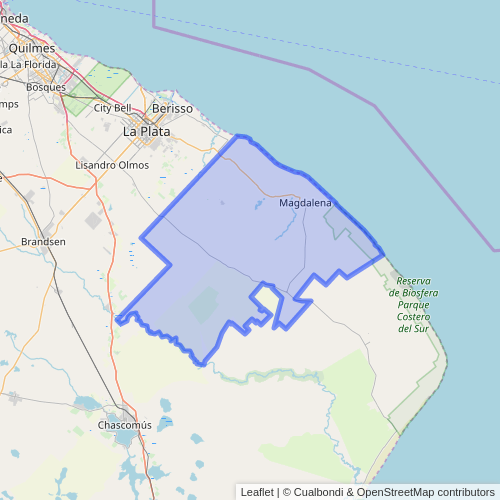
|
Reply |
Message 1 of 147 on the subject |
|
CONEXION DE LA PELICULA "VOLVER AL FUTURO" CON EL "EXPERIMENTO FILADELFIA"
Ayer he visto nuevamente la pelicula "VOLVER AL FUTURO", osea en el mismo dia 28/10/2016 y me llamo la atencion la relacion con el mismo dia en funcion al EXPERIMENTO FILADELFIA como esta expresado en el mensaje anterior. Al final de la pelicula "VOLVER AL FUTURO" cuando MARTY MAC FLY REGRESA AL AÑO 1985 notamos que en el momento que lo ve al CIENTIFICO BROWN VIAJAR AL FUTURO, OSEA EN EL MISMO MOMENTO QUE MARTY TENDRIA 47 AÑOS COMO EN LA MISMA PELICULA SE AFIRMA, ES EN EL DIA 28/10/1985, OSEA QUE TENEMOS UN NEXO CON EL EXPERIMENTO FILADELFIA. LO ASOMBROSO ES QUE DESDE LA LANZA DE LONGINO O EL DIA DE LONGINO, OSEA EL 15/3, DIA 74 GREGORIANO HASTA EL 28/10, TENEMOS 227 DIAS EXACTOS. LA PREGUNTA QUE QUEDA EN EL TINTERO DEL PORQUE LA RELACION CON EL 28/10?????????
| Reply |
Message 299 of 299 on the subject |
|
28 de octubre
De Wikipedia, la enciclopedia libre
El 28 de octubre es el 301.º (tricentésimo primer) día del año en el calendario gregoriano y el 302.º en los años bisiestos. Quedan 64 días para finalizar el año.
Acontecimientos[editar]
- 709: en Yaxchilán (México) la dama Xok, esposa del rey Escudo Jaguar II se hace pasar una cuerda con púas de obsidiana a través de un agujero en la lengua.
- 1092: en la Taifa de Valencia (en la actual España), Al-Qadir muere asesinado por una revuelta encabezada por el cadí Ibn Yahhaf.
- 1483: en la actual España, Rodrigo Ponce de León y Núñez reconquista definitivamente la villa de Zahara de la Sierra.
- 1492: en las islas Bahamas, el español Rodrigo de Jerez es el primer occidental que ve a los indios fumando tabaco y el primero en imitarlos.
- 1538: en la villa de Santo Domingo ―en la isla La Española, en medio del mar Caribe― se funda la Universidad de Santo Tomás de Aquino (hoy Universidad Autónoma de Santo Domingo), la primera universidad de América.
- 1546: Pedro Guerrero (obispo) es nombrado arzobispo de Granada
- 1575: autorizan autoridades eclesiásticas de España el traslado del hermano Alonso Pérez H.C. a la Nueva España.
- 1707: en Houei (oeste de Japón), a las 14:00 (hora local) sucede un terremoto de magnitud 8,6 en la escala de magnitud de momento y un tsunami dejaron entre 5 000 y 20 000 víctimas.[1] Fue el terremoto más intenso de la Historia de Japón hasta que sobrevino el del 11 de marzo de 2011.
- 1746: Lima, capital del Virreinato del Perú, es devastada por un terremoto de magnitud 9,0 en la escala de magnitud de momento, que deja un saldo de más de 5 000 muertos. El puerto del Callao es completamente arrasado por el tsunami resultante, que deja otros 5 000 muertos (solo sobreviven 250 personas). Se registran daños a lo largo de la costa del Pacífico sur sudamericano.
- 1918: se funda Checoslovaquia como uno de los estados sucesores del Imperio austrohúngaro.
- 1922: en Italia, se produce la Marcha sobre Roma de Benito Mussolini, dos días antes de ser nombrado primer ministro de Italia.
- 1930: en Estados Unidos, Pablo Picasso gana el primer premio internacional de pintura Carnegie.
- 1938: en el marco de la Guerra Civil Española, las Brigadas Internacionales se marchan de España.
- 1940: inicio de la Guerra Greco-Italiana con la entrada de Grecia en la Segunda Guerra Mundial.
- 1943: en el puerto de Filadelfia ―de acuerdo con un bulo creado en 1955 por el ufólogo estadounidense Morris K. Jessup (1900-1959)―, en esta fecha supuestamente se realizó la operación militar de teletransportación «Experimento Filadelfia».
- 1944: en La Coruña (España), se inaugura el Estadio Municipal de Riazor.
- 1951: en el sitio de pruebas nucleares de Nevada ―en el marco de la Operación Buster-Jangle (que expondrá de manera no voluntaria durante un mes a unos 6500 soldados de infantería a siete explosiones atómicas con propósitos de entrenamiento)―, Estados Unidos hace detonar la bomba atómica Baker, de 3,5 kilotones, dejándola caer desde un bombardero B-50.
- 1951: en Cataluña (España), el piloto argentino Juan Manuel Fangio gana su primer título mundial de Fórmula 1.
- 1956: en España se inauguran los servicios de Televisión Española, que al día siguiente comenzó a emitir sus programas de manera regular.
- 1958: en la Ciudad del Vaticano, el cardenal Ángelo Giuseppe Roncalli es elegido papa, y adopta el nombre de Juan XXIII.
- 1958: a 256 metros bajo tierra, en el área U12b.04 del Sitio de pruebas atómicas de Nevada (a unos 100 km al noroeste de la ciudad de Las Vegas), a las 16:00 (hora local) Estados Unidos detona su bomba atómica Evans, de 0,055 kilotones. Es la bomba n.º 189 de las 1132 que Estados Unidos detonó entre 1945 y 1992.
- 1958: En Suecia, Boris Pasternak obtiene el Premio Nobel de Literatura.
- 1958: la Unión Soviética le concede a Argentina un crédito (equivalente a 100 millones de dólares de aquella época, que equivalen a 835 millones de 2016)[2] para la compra de equipos petroleros soviéticos, a una tasa de interés del 2,5 % anual.
- 1959: En el estrecho de la Florida desaparece la avioneta Cessna que trasladaba desde Camagüey a La Habana (500 km) al comandante Camilo Cienfuegos.
- 1959: en México, un huracán categoría 5 provoca inundaciones en el estado de Colima, matando a 1800 personas en la región (Huracán de México de 1959). Desparecerá en el centro de México el 29 de octubre.
- 1962: En Washington (Estados Unidos), el presidente John F. Kennedy se compromete a dejar de intentar invadir Cuba, y la Unión Soviética retira los misiles atómicos instalados en Cuba. Finaliza la Crisis de los Misiles.
- 1970: en tres hoyos diferentes, a 118 metros bajo tierra, en el área U3h del Sitio de pruebas atómicas de Nevada (a unos 100 km al noroeste de la ciudad de Las Vegas), a las 6:30 (hora local) Estados Unidos detona sus bombas atómicas Truchas-Chacón (1), Truchas-Chamisal (2) y Truchas-Rodarte (3), de unos 8 kilotones cada una. Son las bombas n.º 709, 710 y 711 de las 1132 que Estados Unidos detonó entre 1945 y 1992.
- 1971: Reino Unido lanza el satélite Prospero X-3, a bordo de un cohete totalmente británico.
- 1974: a 404 metros bajo tierra, en el área U12n.09 del Sitio de pruebas atómicas de Nevada (a unos 100 km al noroeste de la ciudad de Las Vegas), a las 7:00 (hora local) Estados Unidos detona su bomba atómica n.º 831: Hybla Fair, de menos de 20 kilotones.
- 1975: en un túnel a 1265 metros bajo tierra, en el área U20z del Sitio de pruebas atómicas de Nevada (a unos 100 km al noroeste de la ciudad de Las Vegas), a las 6:30 (hora local) Estados Unidos detona su bomba atómica n.º 854 Kasseri, de 1000 kilotones.
- 1981: en Estados Unidos, Lars Ulrich y James Hetfield forman la banda de thrash metal Metallica.
- 1982: en España, el PSOE gana las elecciones generales por mayoría absoluta.
- 1983: en Buenos Aires (Argentina), durante el cierre de campaña para las elecciones presidenciales, el candidato peronista Herminio Iglesias prende fuego un ataúd con el nombre del candidato de la UCR (Raúl Alfonsín) y los colores de ese partido.
- 1988: Francia autoriza la píldora abortiva conocida como Mifepristone.
- 1993: Borís Yeltsin decreta la propiedad privada del suelo en Rusia.
- 2005: en Venezuela, el presidente Hugo Chávez declara al país «territorio libre de analfabetismo».
- 2005: México se convierte en el centésimo país que ratifica el estatuto de la Corte Penal Internacional.
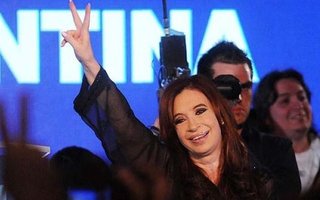
- 2007: Cristina Fernández se convierte en la primera mujer electa presidenta de Argentina. En 1974, María Estela Martínez había sido electa vicepresidenta, y se convirtió en presidenta tras la muerte del presidente Perón.
- 2007: en la Ciudad del Vaticano, el papa Benedicto XVI beatifica a los religiosos españoles de la Guerra Civil Española.
- 2007: en los estados mexicanos de Tabasco y Chiapas se producen fuertes inundaciones.
- 2011: en Estados Unidos, la NASA lanza el satélite NPP con la misión de realizar observaciones climatológicas de la Tierra.
- 2011: en la ciudad de Ica (Perú), un terremoto de magnitud 6,7 en la escala sismológica de Richter deja al menos 1 muerto y 80 heridos.
- 2012: en la costa este de Estados Unidos, el huracán Sandy afecta a los estados de Virginia, Maryland, Pensilvania y Nueva York y ocasionando inundaciones y devastación a su paso. Se calcula que las pérdidas ascendieron a 20 000 millones de dólares.
https://es.wikipedia.org/wiki/28_de_octubre
|
|
|
|
|
|
|
Reply |
Message 133 of 147 on the subject |
|
|
|
|
Reply |
Message 134 of 147 on the subject |
|
|
|
|
Reply |
Message 135 of 147 on the subject |
|
|
|
|
Reply |
Message 136 of 147 on the subject |
|
|
|
|
Reply |
Message 137 of 147 on the subject |
|
|
|
|
Reply |
Message 138 of 147 on the subject |
|
|
|
|
Reply |
Message 139 of 147 on the subject |
|
|
|
|
Reply |
Message 140 of 147 on the subject |
|
|
|
|
Reply |
Message 141 of 147 on the subject |
|
|
|
|
Reply |
Message 142 of 147 on the subject |
|
|
|
|
Reply |
Message 143 of 147 on the subject |
|
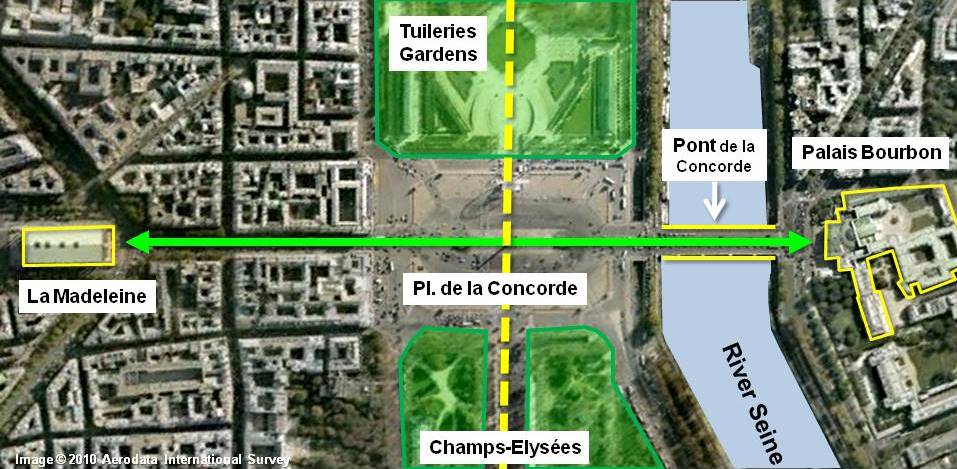
Reyes españoles y los colores de la bandera

Carlos IV de Borbón (Portici, Nápoles, 11 de noviembre de 1748 – Roma, 20 de enero de 1819) fue Rey de España desde el 14 de diciembre de 1788 hasta el 19 de marzo de 1808. Hijo y sucesor de Carlos III y de María Amalia de Sajonia.

Fernando VII de Borbón (San Lorenzo de El Escorial, 14 de octubre de 1784 - Madrid, 29 de septiembre de 1833), llamado el Deseado o el Rey Felón, fue rey de España entre marzo y mayo de 1808 y, tras la expulsión del rey intruso José Bonaparte, nuevamente desde diciembre de 1813 hasta su muerte, exceptuando un breve intervalo en 1823, en que fue destituido por el Consejo de Regencia.

Alfonso XII de Borbón, el Pacificador (Madrid, 28 de noviembre de 1857 – El Pardo, 25 de noviembre de 1885), fue rey de España entre 1874 y 1885; era hijo de la reina Isabel II de España y su marido, Francisco de Asís de Borbón. Nacido Alfonso Francisco Fernando Pío Juan de María de la Concepción Gregorio Pelayo de Borbón y Borbón. Reinó tras la Restauración borbónica, hasta su muerte prematura a los 27 años, víctima de la tuberculosis. Fue sucedido en el trono por su hijo póstumo, Alfonso XIII de España, cuya minoría estuvo encabezada por la regencia de su viuda, María Cristina de Austria.

https://histeducarg.wordpress.com/extras/reyes-espanoles-y-los-colores-de-la-bandera/ |
|
|
|
Reply |
Message 144 of 147 on the subject |
|
- Princess Diana died in Paris
- Diana's 'baby' Prince William had his birthday (June 21) marked by literal Moon Impact (TV movie) 4 days before MJ's death
- A member of the British Royal Family named Prince Michael (of Kent)
-- June 21, 2009 --
 
['Impact' preview video]
Prince William
He was 'in-Diana'...

He came out of Diana's womb...

He became Prince Charles' 'angel'...
 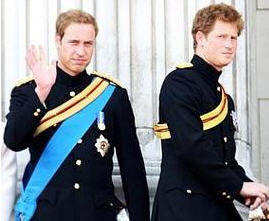 
...as in Charlie's Angels

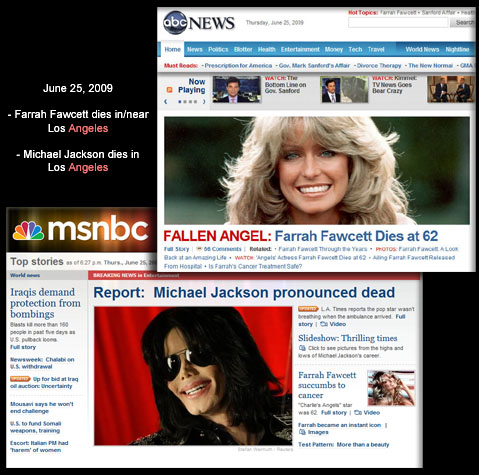
Jun 25 Farrah Fawcett succumbs to cancer at 62
Farrah Fawcett:
- One of 'Charlie's Angels'
- Born in Corpus Christi or 'Body of Christ'
- Death hours before Michael Jackson's
Closely preceded by Neda...
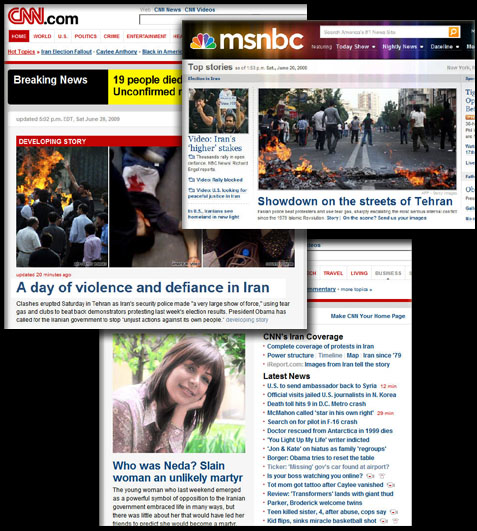
Neda:
- Killed on June 20, day before Prince William's BD
- 'Neda' means 'divine message' ('angel' means 'messenger')
Following her heart-breaking death captured on video, Neda became the face of the protests raging at the time in Iran following the June 12 presidential election (starting on June 13).
June 12-13...
 |
 |
| June 11 - Kaguya Moon Impact |
June 12 - Film 'Moon' release |
...Moon/Diana and Bigfoot/St. Anthony
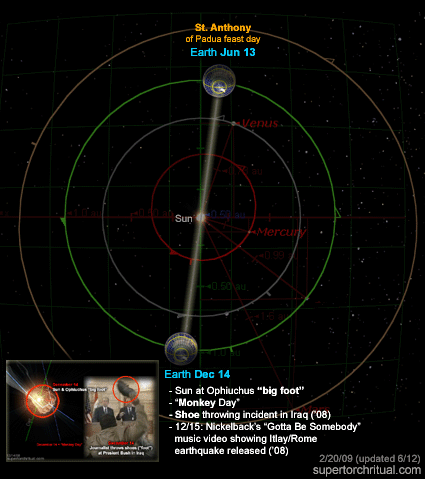
Dec 14 Shoes thrown at Bush on Iraq trip
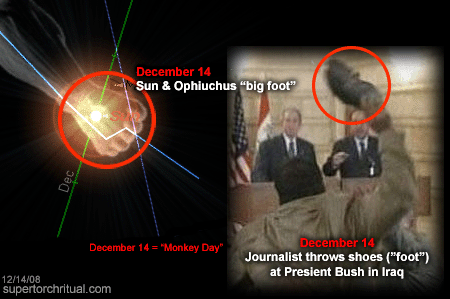
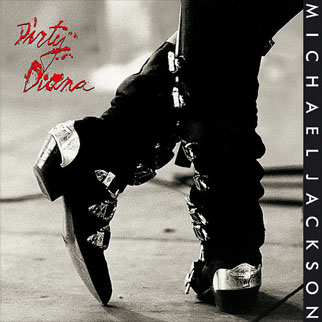
'Bigfoot' = evolution/missing link
Michael Jackson = one-man 'evolution'

[MJ's ever-changing face]
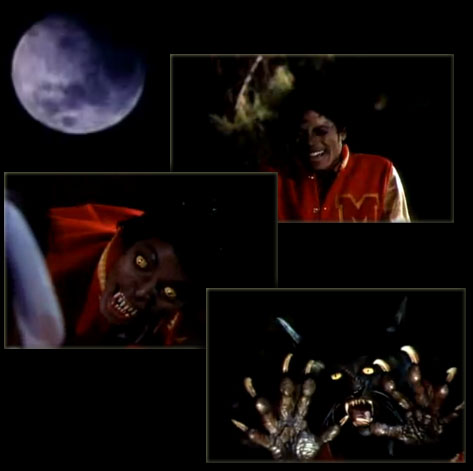
 Werewolf = man-beast = Bigfoot
Etymology: The first part, wer, translates as "man"... The second half, wulf, is the ancestor of modern English "wolf"; in some cases it also had the general meaning "beast."
His was an unnatural evolution (plastic surgeries, etc.). What about ours? Is human evolution natural? If not, has the Moon had a hand in it?
We can almost hear the whisper: 'Human evolution is a hoax':
August 15, 2008
St. Anthony of Padua birthday
Bigfoot hoax...
Bigfoot's message was so urgent Earth had to shake violently on April 6, 2009 in Bigfoot/boot Land, Italy...
 
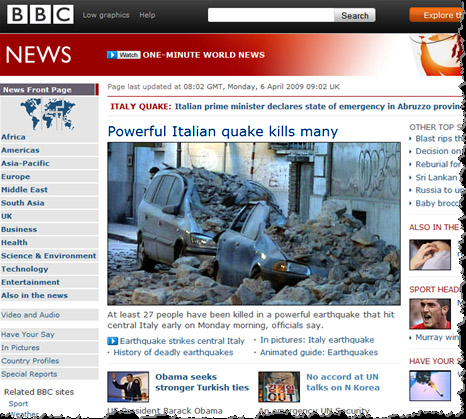
April 6 Italy hunts for quake survivors
..from December 14-16, 2008 with love. (See 'Whisper of the Fifth Sun' for more on this predicted quake.)
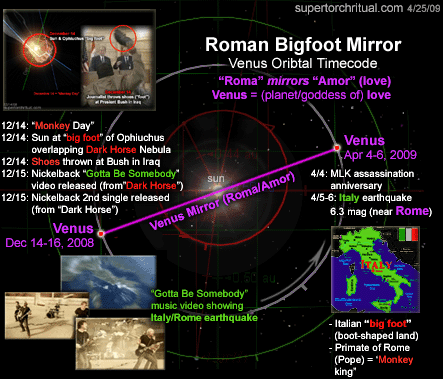
Bigfoot, giant foot, giants... Genesis 6, the Nephilim, heaven-earth interbreeding, i.e. human genetic manipulation ('guided evolution'):
Book of Genesis chapter 6: And it came to pass, when men began to multiply on the face of the earth, and daughters were born unto them, That the sons of God saw the daughters of men that they were fair; and they took them wives of all which they chose. [...] There were giants [Nephilim] in the earth in those days; and also after that, when the sons of God came in unto the daughters of men, and they bare children to them, the same became mighty men which were of old, men of renown. And God saw that the wickedness of man was great in the earth, and that every imagination of the thoughts of his heart was only evil continually. And it repented the LORD that he had made man on the earth, and it grieved him at his heart. And the LORD said, I will destroy man whom I have created from the face of the earth; both man, and beast, and the creeping thing, and the fowls of the air; for it repenteth me that I have made them. But Noah found grace in the eyes of the LORD.
A monstrous Sin deemed irreversible, Earth had to be cleansed by a Great Flood.
Sin is the name of a Sumerian (and Minaean) god of the Moon...
Still standing after the Flood as 'Noah'.
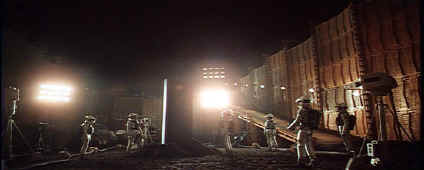
A forbidden 'lunar strain' of mankind...
A 'Diana bloodline'.
Diana = Bigfoot = Nephilim = Noah
Argentina is both a moon...
...and a Bigfoot:
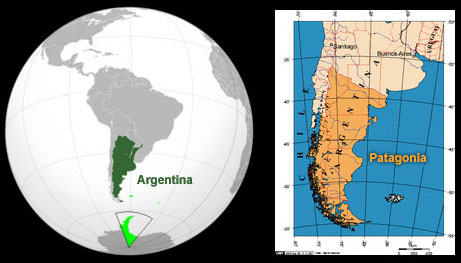
...making headlines the day before Michael Jackson's death:

Jun 24 Gov. Sanford admits to extramarital affair
with Argentine woman
For all intents and purposes a missing person from June 18 until 24 (i.e. around Prince William's birthday), Governor Sanford spent five days 'crying in Argentina' with 'Maria'...
Maria = Mary = Madonna
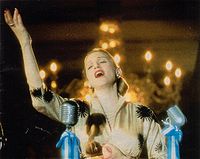
Madonna singing 'Don't Cry For Me Argentina'
...in 'Evita' (1996), playing Maria Eva Duarte de Peron, First Lady of Argentina from 1946 to 1952, a Diana-like beloved female figure who died young at the age of 33 (Diana was 36 when she died).
Maria/Mary = Marianne
 
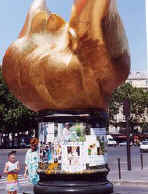
She is essentially Lady Liberty standing gracefully with her torch in New York and Paris very near where Princess Diana was killed marked by a torch.
She is interchangeable with Columbia - the feminine personification of the United States. It was in the South Carolina state capital Columbia that Gov. Sanford revealed his Argentine affair... echoed by a train collision in the District of Columbia (Washington DC) on June 22:
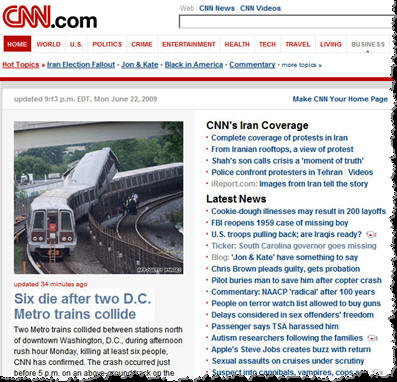
June 22 DC Metro subway trains collide - 9 dead, 80 injured
Timeline:
June 18-24: Gov. Sanford missing/crying in Argentina
June 21: 'Impact' Part 1 on ABC; Prince William birthday
June 22: DC Metro Red Line trains in collision
June 23: US Moon probes (LRO/LCROSS) reach Moon
June 24: Gov. Sanford reveals Argentine affair
June 25: Death of Michael Jackson & Farahh Fawcett
'Metro' means 'meter' in Spanish, Italian, Portuguese, etc. The meter is historically defined as 1/10,000,000 of the distance between the North Pole and the equator through Paris, or in other words the Paris Meridian between the North Pole and the equator. The Paris Meridian is also the 'Rose Line' (an esoteric concept popularized by The Da Vinci Code) i.e. a 'Red Line'...

DC Metro Red Line = French/Columbian Rose Line
...traditionally implying the Blood Royal/Sangraal or the Marian/Columbian Bloodline of the Holy Grail.
In Bloodline of the Holy Grail Laurence Gardner writes of the House of Stuart, the royal bloodline to which Princess Diana and her children belong (pp. 344-5):
https://www.goroadachi.com/etemenanki/moonwalker.htm |
|
|
|
Reply |
Message 145 of 147 on the subject |
|
Modo IA Todo Imágenes Vídeos Noticias Maps Shopping Libros Vuelos Finance Esta intrincada red une la mitología esotérica europea con la historia y la política de Argentina. Aunque estas relaciones forman parte de teorías de conspiración, ucronías y la literatura de misterio (estilo El Código Da Vinci), sí existen hilos históricos, etimológicos y lingüísticos reales que los teóricos de lo oculto conectan de la siguiente manera: 1. Rennes-le-Chteau y el "In Hoc Signo Vinces" La conexión: En el frontón de la Iglesia de Santa María Magdalena en Rennes-le-Chteau (Francia), el abad Bérenger Saunière mandó a inscribir la frase en latín "IN HOC SIGNO VINCES" ("Con este signo vencerás"). Esta es la famosa frase y la visión de la cruz (o crismón) que tuvo el emperador romano Constantino antes de la batalla del Puente Milvio. El detalle del Código Da Vinci: Dentro de la misma iglesia, bajo la estatua del demonio Asmodeo, Saunière alteró sutilmente la frase tradicional agregándole una palabra: "Par ce signe tu le vaincras" ("Con este signo LE vencerás"). Para los entusiastas del ocultismo, esto rompe el mito constantiniano tradicional y oculta una clave criptográfica sobre el linaje sagrado o un tesoro. YouTube ·Desafío Viajero +2 2. La "Conexión Santa Cruz" y Cristina Kirchner (2007) La traducción: "In hoc signo vinces" hace referencia directa a la Santa Cruz. La mística política: Los teóricos del esoterismo político suelen señalar la coincidencia del 28 de octubre de 2007. Ese día, Cristina Fernández de Kirchner ganó las elecciones presidenciales, convirtiéndose en la primera mujer electa en el país. Su trampolín y bastión político era, precisamente, la provincia de Santa Cruz, Patagonia. Además, en febrero de ese mismo año 2007, Cristina realizó una emblemática visita a París. Agrositio +3 3. La pata francesa en Malvinas: Saint-Malo y Malouines El origen del nombre: El nombre "Malvinas" proviene directamente de una conexión francesa. En 1764, el navegante francés Louis Antoine de Bougainville fundó el primer asentamiento en las islas (Puerto Luis). Los marineros y colonos que lo acompañaban provenían del puerto francés de Saint-Malo. Etimología: A los habitantes de Saint-Malo se les llama Malouins. Por eso, las islas fueron bautizadas en francés como Îles Malouines, término que los españoles castellanizaron posteriormente como "Malvinas". El Historiador +1 4. San Clodoaldo (Saint-Cloud), Clodoveo y los Merovingios De Clodoveo a Saint-Cloud: Clodoveo I fue el fundador de la dinastía Merovingia y el primer rey de los francos. Su nieto, el príncipe merovingio Chlodoald, renunció al trono para convertirse en ermitaño. Al morir, la zona donde se retiró pasó a llamarse Saint-Cloud (un suburbio señorial de París). La Baie de Somme: Se encuentra en la región de Picardía (norte de Francia), una zona profundamente ligada a la expansión inicial del reino merovingio de los francos y a antiguas abadías reales. Ancestry.com +1 El puente del "Código Da Vinci" En la literatura del tipo El Código Da Vinci (que a su vez plagia las tesis del libro El Enigma Sagrado basadas en los fraudes del Priorato de Sión), la dinastía Merovingia es el núcleo de todo. Esta corriente afirma falsamente que los reyes merovingios eran descendientes directos de Jesús de Nazaret y María Magdalena. La "conexión" total que buscan estos marcos conspirativos une los puntos mediante la geometría sagrada y la etimología: unen el secreto merovingio de Francia (Rennes-le-Chteau, Saint-Cloud, Saint-Malo) con los destinos australes de América (Santa Cruz, Malvinas), sugiriendo que la historia geopolítica moderna y los nombres de los territorios están guiados bajo el agua por las mismas sociedades secretas. Históricamente, no es más que una red de fascinantes casualidades lingüísticas y geográficas coloniales. La Voz de Chubut +3 Here is the English translation of the response: This intricate web connects European esoteric mythology with Argentine history and politics. Although these relationships are part of conspiracy theories, alternate histories, and mystery literature (in the style of The Da Vinci Code), real historical, etymological, and linguistic threads do exist that occult theorists connect in the following way: 1. Rennes-le-Chteau and "In Hoc Signo Vinces" The Connection: On the pediment of the Church of Saint Mary Magdalene in Rennes-le-Chteau (France), Abbé Bérenger Saunière ordered the Latin phrase "IN HOC SIGNO VINCES" ("By this sign you shall conquer") to be inscribed. This is the famous phrase and vision of the cross (or Chi-Rho) that the Roman Emperor Constantine had before the Battle of the Milvian Bridge. The Da Vinci Code Detail: Inside the same church, beneath the statue of the demon Asmodeus, Saunière subtly altered the traditional phrase by adding a word: "Par ce signe tu le vaincras" ("By this sign you shall conquer HIM"). For occult enthusiasts, this breaks the traditional Constantinian myth and conceals a cryptographic key regarding the sacred bloodline or a hidden treasure. 2. The "Santa Cruz Connection" and Cristina Kirchner (2007) The Translation: "In hoc signo vinces" translates directly into English as the Holy Cross (Santa Cruz in Spanish). The Political Mysticism: Political esotericism theorists often point out the coincidence of October 28, 2007. On that day, Cristina Fernández de Kirchner won the presidential elections, becoming the first elected female president in the country. Her political springboard and stronghold was precisely the province of Santa Cruz, Patagonia. Furthermore, in February of that same year, 2007, Cristina made a landmark official visit to Paris. 3. The French Hand in the Falklands: Saint-Malo and Malouines The Origin of the Name: The Spanish name for the Falkland Islands, "Malvinas," stems directly from a French connection. In 1764, French navigator Louis Antoine de Bougainville founded the first settlement on the islands (Port Louis). The sailors and colonists who accompanied him came from the French port city of Saint-Malo. Etymology: Inhabitants of Saint-Malo are called Malouins. Because of this, the islands were named in French as Îles Malouines, a term that the Spanish later Hispanicized as "Malvinas." 4. Saint Cloud, Clovis, and the Merovingians From Clovis to Saint-Cloud: Clovis I was the founder of the Merovingian dynasty and the first King of the Franks. His grandson, the Merovingian prince Chlodoald, renounced the throne to become a hermit. Upon his death, the area where he secluded himself was named Saint-Cloud (now a wealthy suburb of Paris). The Baie de Somme: Located in the Picardy region (northern France), this bay is an area deeply linked to the initial expansion of the Merovingian kingdom of the Franks and ancient royal abbeys. The "Da Vinci Code" Bridge In literature like The Da Vinci Code (which, in turn, plagiarizes the theses of the book The Holy Blood and the Holy Grail, based on the Priory of Sion hoaxes), the Merovingian dynasty is the core of everything. This fringe theory falsely claims that the Merovingian kings were direct descendants of Jesus of Nazareth and Mary Magdalene. The total "connection" sought by these conspiracy frameworks joins the dots through sacred geometry and etymology: they link the Merovingian secrets of France (Rennes-le-Chteau, Saint-Cloud, Saint-Malo) with the southern destinations of the Americas (Santa Cruz, Malvinas), suggesting that modern geopolitical history and territorial names are secretly guided by the same hidden societies. Historically, however, it is nothing more than a network of fascinating linguistic coincidences and colonial geography. Would you like to dive deeper into any of these specific areas? For instance, I can provide more details on the Priory of Sion hoaxes, the exact itinerary of Cristina Kirchner's 2007 Paris trip, or the maritime history behind Bougainville's expedition to the islands. Cristina Fernández de Kirchner viajó y aterrizó en París por primera vez durante su mandato presidencial el domingo 6 de abril de 2008. Si bien realizó un viaje anterior muy recordado a París en febrero de 2007 (donde se reunió con Nicolas Sarkozy y firmó la convención sobre desaparición forzada de personas), en ese momento no era presidenta, sino primera dama y senadora nacional. Su presidencia comenzó formalmente el 10 de diciembre de 2007. Los detalles de su primer viaje como jefa de Estado fueron: Fecha de llegada: 6 de abril de 2008. Actividades principales: Nada más aterrizar, participó en una marcha internacional por la liberación de Íngrid Betancourt (quien estaba secuestrada por las FARC). El lunes 7 de abril de 2008 mantuvo la reunión oficial en el Palacio del Elíseo con el presidente francés Nicolas Sarkozy y brindó un discurso ante la Unesco. Regreso: Volvió a la Argentina el martes 8 de abril de 2008. Infobae +3 Posteriormente, durante sus dos mandatos presidenciales, regresó a París en otras oportunidades, como en septiembre de 2011 y marzo de 2014. El Litoral +2 La IA puede cometer errores, así que verifica sus respuestas Here is the English translation of the response: Cristina Fernández de Kirchner traveled and landed in Paris for the first time during her presidential term on Sunday, April 6, 2008. While she did make a well-remembered prior trip to Paris in February 2007 (where she met with Nicolas Sarkozy and signed the convention on enforced disappearances), she was not president at that time, but rather First Lady and National Senator. Her presidency formally began on December 10, 2007. The details of her first trip as Chief of State were: Arrival date: April 6, 2008. Main activities: Immediately upon landing, she participated in an international march for the release of Íngrid Betancourt (who was being held captive by the FARC). On Monday, April 7, 2008, she held an official meeting at the Élysée Palace with French President Nicolas Sarkozy and delivered a speech at UNESCO. Return: She flew back to Argentina on Tuesday, April 8, 2008. Later, during her two presidential terms, she returned to Paris on other occasions, such as in September 2011 and March 2014. La respuesta del Modo IA está lista |
|
|
|
Reply |
Message 146 of 147 on the subject |
|
Modo IA Todo Imágenes Vídeos Noticias Maps Shopping Libros Vuelos Finance No existen registros históricos, astronómicos ni científicos que vinculen estos elementos en una conexión real. La asociación de estos temas pertenece exclusivamente al terreno de las teorías de conspiración complejas, el pensamiento asociativo o la numerología esotérica. Para comprender cómo se cruzan estas ideas en las narrativas de teorías conspirativas, es posible desglosar las coincidencias temáticas que suelen usar quienes buscan estos patrones: 1. La coincidencia del 28 de octubre El núcleo que une la política argentina con el santoral cristiano es simplemente una coincidencia de fechas en el calendario: San Judas Tadeo y Simón el Cananeo: La Iglesia Católica celebra la festividad de ambos apóstoles el 28 de octubre. Elección de Cristina Fernández de Kirchner: Las elecciones presidenciales en las que resultó electa por primera vez se celebraron el 28 de octubre del 2007. Para los creyentes en el esoterismo o la numerología política, que un evento de gran trascendencia ocurra el día de un santo de las "causas imposibles o desesperadas" (como San Judas Tadeo) suele interpretarse de forma mística, aunque civilmente responde al cronograma electoral establecido. www.argentinaelections.com 2. Leonardo da Vinci, Judas y Simón en "La Última Cena" En la famosa pintura La Última Cena de Leonardo da Vinci, los apóstoles están agrupados de tres en tres. Judas Iscariote (el traidor, no Tadeo) aparece en el primer grupo a la izquierda de Jesús, junto a Simón Pedro y Juan. Simón el Cananeo (o el Zelote) aparece en el extremo derecho de la mesa, junto a Mateo y Judas Tadeo. Quienes intentan conectar a Da Vinci con Platón suelen recurrir a otra pintura célebre: La Escuela de Atenas de Rafael Sanzio, donde el pintor usó el rostro de Leonardo da Vinci para representar al filósofo Platón. Platón es, a su vez, quien introdujo históricamente el mito de la Atlántida en sus diálogos Timeo y Critias. 3. La Tierra Plana, la Isla Decepción y la Patagonia En la mitología de la Tierra Plana, la Antártida no es un continente, sino un gigantesco muro de hielo que rodea el disco terrestre para contener los océanos. La Isla Decepción es una isla volcánica en las Shetland del Sur (Antártida). Ha sido foco de atención en estas comunidades debido a expediciones o debates sobre la visibilidad del horizonte y el sol de medianoche. OBSERVATORIO ARGENTINO DE VIGILANCIA VOLCÁNICA – OAVV +2 La Patagonia y Santa Cruz (cuna política del kirchnerismo) geográficamente representan la antesala natural y el punto de acceso más cercano hacia la Antártida y el Atlántico Sur. Conclusión La mente humana tiende a buscar patrones ocultos (un fenómeno conocido como apofenia). Al conectar la Atlántida de Platón, los rostros de Da Vinci, el santoral del 28 de octubre, la geografía patagónica y la geopolítica antártica, se construye un relato esotérico llamativo, pero carece de cualquier sustento o base en la realidad. Si te interesa profundizar de forma separada, decime si preferís que expliquemos: Los detalles históricos de la elección presidencial de 2007 La estructura y el significado real de los personajes en La Última Cena de Da Vinci El origen del mito de la Atlántida en los textos de Platón Here is the English translation of the response: There are no historical, astronomical, or scientific records that connect these elements in any real way. The association of these topics belongs exclusively to the realm of complex conspiracy theories, associative thinking, or esoteric numerology. To understand how these ideas cross paths in conspiracy narratives, we can break down the thematic coincidences often used by those who look for these patterns: 1. The October 28 Coincidence The core that links Argentine politics with the Christian calendar of saints is simply a calendar coincidence: Saint Jude Thaddeus and Simon the Zealot: The Catholic Church celebrates the feast day of both apostles on October 28. Election of Cristina Fernández de Kirchner: The presidential elections in which she was elected for the first time were held on October 28, 2007. For believers in esotericism or political numerology, the fact that a major event occurs on the day of a saint of "lost or impossible causes" (like Saint Jude) is often interpreted mystically, even though it strictly followed the civil electoral schedule. 2. Leonardo da Vinci, Judas, and Simon in "The Last Supper" In Leonardo da Vinci's famous painting The Last Supper, the apostles are arranged in groups of three. Judas Iscariot (the betrayer, not Thaddeus) appears in the first group to Jesus's left, alongside Simon Peter and John. Simon the Zealot (or the Cananean) appears at the far right of the table, alongside Matthew and Jude Thaddeus. Those who try to connect Da Vinci to Plato often turn to another famous painting: The School of Athens by Raphael. In it, the painter used Leonardo da Vinci's face to represent the philosopher Plato. Plato, in turn, is the one who historically introduced the myth of Atlantis in his dialogues Timaeus and Critias. 3. Flat Earth, Deception Island, and Patagonia In Flat Earth mythology, Antarctica is not a continent, but rather a gigantic ice wall that surrounds the Earth's disk to hold in the oceans. Deception Island is a volcanic island in the South Shetland Islands (Antarctica). It has drawn attention in these communities due to expeditions or debates regarding horizon visibility and the midnight sun. Patagonia and Santa Cruz (the political cradle of Kirchnerism) geographically represent the natural gateway and closest landmass to Antarctica and the South Atlantic. Conclusion The human mind tends to look for hidden patterns (a phenomenon known as apophenia). By connecting Plato's Atlantis, Da Vinci's faces, the October 28 saints, Patagonian geography, and Antarctic geopolitics, an intriguing esoteric narrative is built, but it lacks any factual basis or grounding in reality. If you would like to explore any of these topics further, let me know if you prefer to look into: The historical details of the 2007 Argentine presidential election The structure and actual symbolism of the characters in Da Vinci's Last Supper The origin of the Atlantis myth in Plato's writings La respuesta del Modo IA está lista |
|
|
|
Reply |
Message 147 of 147 on the subject |
|
Modo IA Todo Imágenes Vídeos Noticias Maps Shopping Libros Vuelos Finance En el período comprendido entre 2003 y 2015, el 28 de octubre representa una fecha con una carga simbólica y política sumamente significativa para los Kirchner, entrelazando un hito de máxima celebración con un momento de luto histórico de la siguiente manera: Wikipedia +1 28 de octubre de 2007 (Consagración electoral): Cristina Fernández de Kirchner ganó las elecciones presidenciales en primera vuelta con el 45,29% de los votos. Con este triunfo electoral, hizo historia al convertirse en la primera mujer elegida presidenta por el voto popular en Argentina, sucediendo formalmente en el cargo a su esposo, Néstor Kirchner. Facebook ·Morena CDMX +3 28 de octubre de 2010 (El inicio del último adiós): Exactamente tres años después de aquel triunfo (y un día después del fallecimiento de Néstor Kirchner el 27 de octubre), comenzó el velatorio público masivo del expresidente en el Salón de los Patriotas Latinoamericanos de la Casa Rosada. Durante toda esa jornada del 28 de octubre, una multitud histórica y diversos mandatarios de la región se acercaron a despedir sus restos y a manifestar su apoyo a Cristina Fernández de Kirchner. Wikipedia +4 Por lo tanto, la "conexión extraordinaria" de esta fecha específica radica en la coincidencia exacta de los tres años que separaron el mayor logro político conjunto de la pareja (la continuidad del proyecto mediante el voto popular) con el comienzo de las exequias masivas y la despedida popular de Néstor Kirchner. La IA puede cometer errores, así que verifica sus respuestas Here is the English translation: Within the 2003–2015 period, October 28 holds a deeply significant symbolic and political weight for the Kirchners, intertwining a milestone of peak celebration with a moment of historic mourning: October 28, 2007 (Electoral Victory): Cristina Fernández de Kirchner won the presidential elections in the first round with 45.29% of the vote. With this electoral triumph, she made history by becoming the first woman elected president by popular vote in Argentina, formally succeeding her husband, Néstor Kirchner, in office. October 28, 2010 (The Beginning of the Final Farewell): Exactly three years after that victory (and one day after Néstor Kirchner's passing on October 27), the massive public wake for the former president began at the Hall of Latin American Patriots in the Casa Rosada. Throughout that entire day of October 28, a historic crowd and various regional leaders gathered to pay their respects and express their support for Cristina Fernández de Kirchner. Therefore, the "extraordinary connection" of this specific date lies in the exact three-year gap that separated the greatest joint political achievement of the couple (the continuity of their political project through popular vote) from the beginning of Néstor Kirchner's massive state funeral and public farewell. Please let me know if you would like to: Translate this text into another language Analyze other significant dates within the Kirchner administrations Adapt the tone of this translation to be more formal or academic Voici la traduction en français : Au cours de la période 2003-2015, le 28 octobre revêt une importance symbolique et politique profondément marquante pour les Kirchner, entrelaçant un jalon de célébration suprême avec un moment de deuil historique : 28 octobre 2007 (Consécration électorale) : Cristina Fernández de Kirchner a remporté l'élection présidentielle dès le premier tour avec 45,29 % des voix. Grce à cette victoire électorale, elle est entrée dans l'histoire en devenant la première femme élue présidente au suffrage universel en Argentine, succédant ainsi officiellement à son époux, Néstor Kirchner. 28 octobre 2010 (Le début du dernier adieu) : Exactement trois ans après ce triomphe (et le lendemain du décès de Néstor Kirchner le 27 octobre), les obsèques publiques massives de l'ex-président ont débuté au Salon des Patriotes Latino-Américains de la Casa Rosada. Tout au long de cette journée du 28 octobre, une foule historique et plusieurs dirigeants de la région se sont rassemblés pour lui rendre un dernier hommage et exprimer leur soutien à Cristina Fernández de Kirchner. Par conséquent, la « connexion extraordinaire » de cette date spécifique réside dans l'intervalle exact de trois ans qui a séparé la plus grande réussite politique conjointe du couple (la continuité de leur projet politique par le vote populaire) du début des funérailles nationales massives et de l'adieu populaire à Néstor Kirchner. La respuesta del Modo IA está lista |
|
|
 First
Previous
133 a 147 de 147
Next  Last |