For the record, I am not affiliated with any group, or religious organizations, nor have I been so in this life.
These following pieces, to the most pertinent ov historical puzzles, are relevant to the past, current, and future state ov this Earth, whether the established groups, and or religious organizations ov the world exist, or not.
Great puzzle pieces to ponder.
Sourse information is a compilation from past online conversations, and things collected from research.
_______
33 degrees is associated with Mastery in Masonic symbolism. Very much relevant in connection with the 33 vertebrate ov the spinal column as well.
We measure positions of the planets and stars in degrees, minutes and seconds. The astrological circle equals 360 degrees - 12 zodiacal houses of 30 degrees each. The lunar calendar is said to have 360 days, also a perfect circle.
Found in a Vedic (Hindu) astrology book, it stated that the Moon was exalted at 3 degrees of Taurus and debilitated in 3 degrees Scorpio.
Exaltation was/is considered to be the optimum position, where the planet is strong and potent and debilitation was the opposite.
In Vedic astrology, the Lunar Zodiac is based on the Moon's movement against the brightest stars divided into 27 Nakshatras of 13 degrees and 20 minutes each. 3 degrees of Taurus corresponds with the Nakshatra called Krittika - which we know as The Pleiades and 3 degrees of Scorpio corresponds with the Nakshatra called Vishakha which we know as the North and South Scale of Libra called Tula in Sanskrit. If you plot 3 degrees of Taurus on the great wheel of 360 degrees starting with zero degrees Aries, 3 Taurus equals 33 degrees. Alcyone is the brightest star in the Pleiadian cluster and thus Alcyone is 33 degrees - the number of Mastery. Further, I discovered that by using Etymology (origins of words) when the word Master is divided into two becomes Ma / Ster and it means Mother Star. Thus, Alcyone is the number of the Mother Star - 33 degrees.
The Pleiadian star system has been one of the most revered cosmic objects in history, poetry and mythology across all cultures. According to the cultural traditions, the seven visible stars of the Pleiades have been referred to by many names, such as the Seven Sisters, Krittika, Kimah, Flock of Doves, Hens, Seven Pillars, Virgin of Spring, Sailor's Stars and the seven Atlantic Sisters. 'The Pleiades were known as Seven Sisters by indigenous people in North America, Siberia and Australia and this common heritage means they were described more than 40,000 years ago.'
'The Pleiades seem to be among the first stars mentioned in astronomical literature, appearing in the Chinese annuls of 2357 BC, Alcyone, the lucida (lucus, lucy?), then being near the vernal equinox--- And their beginning of the year gave rise to the title 'The Great Year of the Pleiades' for the cycle of precession of about 25, 900 years."
Professor Charles Piazzi Smyth in the late 19th century suggested that that the seven chambers of the Great Pyramid of Giza commemorate these seven stars. And here is a wonderful corresponding fact, that the date of the Great Pyramids completion, at midnight of the autumnal equinoxthe Pleiades were distributed over the meridian of this pyramid, with Alcyone precisely on the line."
What if the Great Pyramid was actually built in honour of the Pleiades when they rose near the vernal equinox 2357 BC and completed by 2170, as suggested by Siess?
According to Albert Churchward the name of the Great Pyramid was 'Khuti,' which denoted the seven Lights, or Glorious One. Likewise, the Tower of Babel with its seven tiers was also symbolical of the 'Great Altar Stairs,' by which men climbed heavenward.
Many ancient traditions state that Alcyone was the Central Spiritual Sun, the Mother Sun that emits creative Light, that which births great teachers of Light into the world. It was believed to be the center of the Universe around which our own solar system revolves.
Science has at last discovered that the Sun is not a dead center, with planets and comets wheeling around it but itself stationary. It is now ascertained that the Sun is also in motion, around some other and vastly mightier center. Astronomers are not fully agreed as to what or where that center is. Some however believe that they have found the direction of it to be the Pleiades, and particularly Alcyone. To the distinguished astronomer, Prof.J.H, Maedler belongs the honour of having made this discovery. Alcyone, then, as far as science can perceive, would seem to be the "midnight throne" in which the whole system of gravitation has a central seat, and from which the Almighty governs the universe.'
An astronomer will tell you this is complete rubbish but I want to go back to the ancient traditions. Alcyone was called Al Wasat, the Central One by the Arabs and Temennu, the Foundation Stone by the Babylonians. The next quotation I found in a wonderful book on ancient constellations called The Mazzaroth. 'Wasat, an Arabic name of Alcyone, transmitted by Ulugh Beigh from early Arabian astronomy, is the centre. It thus testifies, like that of Alcyone, to the knowledge of the first astronomers of the long lost but lately removed fact, that in this group is the center of the revolving, contains the same reference, if explained by its primitive roots. The ancient name Alcyone, now so celebrated in the annuals of science, is evidently of Oriental origin, having the Arabic and old Hebrew article Al, prefixed to its root Cyon, center. Its meaning, center, foundation, anticipates one of the greatest achievements of modern astronomy, the discovery that to this point, this center, gravitates the whole magnificent arrangement of the stars called the Galaxy, to which our sun belongs.' 6 Does Cyon not sound like Sion/Zion - the heavenly city of God? 'Glorious things of Thee are spoken, Zion city of our God.' Psalm 87. The Hebrews believed it to be the City of David- the City of the Lord- the City of Foundation.
_
I found an intriguing article by ken Raines called Jehovah: Ancient Astronaut from the Pleiades'7 Apparently for 62 years, 1891 - 1953, the Watchtower Society (Jehovah's Witness) taught that God resided on the star Alcyone in the Pleiades constellation and that from this star governed the universe. It was also stated that the City of Zion in heaven was Alcyone. The original Watchtower magazine was called Zion's Watchtower. In Micah 4:8 of the Old Testament, it reads, 'And thou, "O" tower of the flock, the strong hold of the daughter of Zion, unto thee shall come, even the first dominion; the kingdom shall come to the daughter of Jerusalem.' Remember the Pleiades were most frequently represented as a flock of doves.
At this point I want to briefly divert to the Priory of Sion and its reported reverence for Mary Magdalene. There is a clue is in her title, which seems to mean 'of Magdala' - with some possible interpretation as 'place of the dove', 'place of the tower' and 'temple-tower'. In the Woman with the Alabaster Jar Margaret Starbird writes that 'tower of the flock' in the above Biblical reference is translated into Magdal-edar.So was Mary Magdalene a direct connection to a secreted Pleiadian code and the Priory of Sion was actually the Priory of Alcyone? The so-called sacred Merovingian bloodline between Mary Magdalene and Jesus/John the Baptist might actually refer to their Pleiadian cosmic origins. For example, like many other ancient cultures, the Mayans of Meso-America called the Pleiades 'the canary' for it was the seedbed of their civilisation and the cosmic star mother who gave her children the codes of light. The Merovingians founded and named the city of Paris after Prince Paris, the son of King Priam of Troy. In the Iliad, Electra ( Pleiades) was the mother of Dardanos, the founder of Trojan race and according to David Icke, the Merovingian bloodline is traced back to Troy - another Pleiadian connection.
In The Templer Revelation, the authors suggest that Mary Magdalene and Jesus/John the Baptist were Initiates of the Cult of Isis. Isis was the most venerated Egyptian goddess - the creatress from whom all arose. The sign of Isis is a circle with horns exactly like the sign of Taurus. Her dance of the seven veils corresponds with the seven stars of the Pleiades. I believe she was often portrayed as veiled because of the nebula around the western side of the Pleiades. I found this quote by J.R. Skinner in The Celestial Ship of the North by E.Valentia Straiton. 'Isis, Issa, is the Virgin mother of the gods. Neith, Isis, Hathor, Venus and others are all one and the same. Isis in Egyptian was the feminine form of Isi, or Jes-, a form of Jes-us.'
This quote was very exciting because Nicholas Notovitch, a Russian traveller- who while in a monastery in Tibet in 1887 was shown a manuscript by the head Lama claiming Jesus did not die on the cross however had travelled to India and Tibet and was known as Saint Issa. Also, Jesus in Arabic and in the Koran was known as Isa. Isa's tomb is said to be in Srinagar, the capital of Kashmir, described as the tomb of the prophet. Why would Jesus have been buried specifically in Srinagar - which means Great Serpent? The clue I believe is found in the word naga, which means serpent. In original Aramaic, Jesus was referred to as a naggar, actually mistranslated into a carpenter in the Bible, when in actual fact I have found the word for carpenter to be nanger. Jesus was a naggar - a serpent of wisdom. Serpents were the symbol of High Initiates in the mystery schools of Isis in Egypt. 'Be ye as wise as serpents and as peaceful as doves' Matthew 11:16 'Many Gnostic traditions identified the Serpent with Jesus. In the Pistis Sophia, Jesus was the serpent who spoke to Eve 'from the tree of knowledge and the tree of life, which were in the paradise of Adam.'
Mark Amaru Pinkham in his book The Return of the Serpents of Wisdom, examines the worldwide migration of serpents, some from Mu (Lemuria), and others from Atlantis. They were called Nagas, Naguals, Nacaals, Adders, Djedhi, Amarus, Lung Dragons and Quetzlcoatls. There are many traditions, which also state that the Serpents were Extra-terrestrials. ' Some of the Interstellar Serpents on Atlantis came from the Celestial Serpent, the Pleiades. [According to Dhyani Ywahoo] the records of Cherokees, these androgynous Serpents are known as the 'sacred seven,' and said to have traveled from the universal seat of Divine Mind, the Pleiades, in order to instill within developing humankind the spark of the individuated mind. Once on the Earth the Pleiadian missionaries mated with the human population and their progeny spread throughout Atlantis.' This Pleiadian and Atlantean mating was also mentioned by Greek Historian Diodorus who claimed that Celoene (Queen?) Alcyone, of Pleiadia, had mated with Poseidon, King of Atlantis and their offspring populated Atlantis.
Now back to the Watchtower society. According to David Icke, 16 Charles Taze Russell, the founder of the Watchtower Society was a high degree Mason. Why am I going here? Because secret societies keep ancient wisdom behind locked doors and Masonry is based on the Egyptian Mysteries. I have a book by Robert Hewitt Brown; a 32-degree Mason called Stellar Theology and Masonic Astronomy. On page 54 is a picture of a mystic ladder that leads to the seven stars of the Pleiades. He explains, 'This Masonic emblem, has a direct allusion to the vernal equinox, and thus becomes a beautiful symbol of immortality, reminding us, also, of that starry home beyond the grave to which the soul of man aspires. It was for these reasons that, of all the 'hosts of heaven' the Pleiades were selected as an emblem by our ancient brethren.' The ladder is also made of seven step in the Scottish Rite Ritual and ascends from a red room, that which is said to represent the Great Mother. A red cross was placed over the heart of the candidate and sworn to in Masonry. I believe the symbol of the red cross is the same as the rosi-crux of the Rosicrucians and all symbolic of Alcyone and the Pleiades. The first Grand Lodge of the Scottish Rite in America, was formed at Charleston, South Carolina, in 1783: a Supreme Council and it lies exactly on the 33rd parallel of latitude. The highest Masonic degree is 33 degrees - the Grand Master. If you break up the word Mason into two - Ma/Son it equates to Mother Sun.
'Egyptian texts allude to Pleiades' archaic significance as Krittitas, judges of men, assigning them also to seven planetary spheres as the seven Pillars ov Hathor (Ha Thor). (Matthew 12:42 The queen of the south shall rise up in the judgment with this generation)
The dead had to speak the names of the Goddess to pass her 'critical' examination and enter paradise.' (Reminiscent ov, "only by the confession ov the name.)
It is interesting to note that one of the Pleiades was named Maia by the Greeks. Maia was the virgin mother of Hermes, the Enlightened One. Maya, was the virgin mother of Buddha, the Enlightened One. Mary, was the virgin mother of Christ, the Annointed one. May is the month of Maia/Maya/Mary/Mery when the Sun is in Taurus and thus conjunct the Pleiades. May Day celebrations are in honour of the Pleiades.
The real name was/is imbued with magical powers and properties; to destroy someone's name was/is to deprive them of all individuality and all power. To perpetuate the name of the father, or mother was a childs earnest duty. According to the Egyptian traditions, one could do nothing better for anyone than to cause his, or her name to live with inscriptions and representations, and nothing worse than to allow his, or her name to perish, to not be named. As in, to speak not the wHolly Name, was considered one ov the wores things that could happen.
Calling a person's name was/is important in performing Egyptian chants and spells. Incantation and chanting are scientifically controlled sound waves, which generate sonar fields, establishing an immediate vibratory identity with the essential principle that underlies any object or form.
Ancient and Baladi Egyptians did/do not have the so called last (sur or family) "name". Each family lineage was/ is defined by its profession/trade. It was/is one's profession/trade name that determines the "family name title name." Generaly family trades were something encoded right into the DNA. Hence the tradition ov Birthrights.
The joint legacy of the serpent and dragon was symbolized by that of the prehistoric crocodile, the most sacred of all creatures, symbolizing circumcision, that was practiced in Egypt thousands ov years before adopted by the Hebrew peoples, after Sarah came back from EShip, and the traditionally identified serpent should not be confused with the cold and venomous image conjured by the English word 'snake'.
The holy crocodile was Draco the mighty dragon of kingship, the pharoah, whence were named the Pen dragons, being the same as King Authors, and Scribes ov the LORD.
Dragon was a word that meant seer. The >wicked< Dragon, or King, had been cast down for having committed high treason against the LORD. Hence, why the ancient inheritance had been passed on to the seed ov Jacob, who became YisRaEl = Yah Isis Amen Ra Elohim.
The Coronation
Here we make a connection that the Mery and David, both meaning beloved, are titles given to the spiritual headship that was known to come from Alcyon, to land eventually in Eship, or Egypt, the Queen & her King, or seer. The Kings that found pleasure in the sight ov the LORD.
The Mery, Mighty Tower, ov the order ov Doves, is the anointer, life giver, and maker ov the David (Proverbs 8:15), Mery, the LORD from Egypt. ( Hosea 12 & 13.)
Solomon's given legitimate name was actually Jedidiah. His father's true name is uncertain, since the titular style of David, meaning beloved, has predominated (although never recorded as a personal name before that time). Mesopotamian texts from the palace of Mari refer, however, to the Diividum as might be the" Caesar" (Emperor) or Pharaoh. In reality, Solomon and his successors were all Davids
1. Génesis 28:12Y soñó: y he aquí una ESCALERA que estaba apoyada en tierra, y su extremo tocaba en el cielo; y he aquí ángeles de Dios que subían y descendían por ella.
2. 1 Reyes 6:8La puerta del aposento de en medio estaba al lado derecho de la casa; y se subía por una ESCALERA de caracol al de en medio, y del aposento de en medio al tercero.
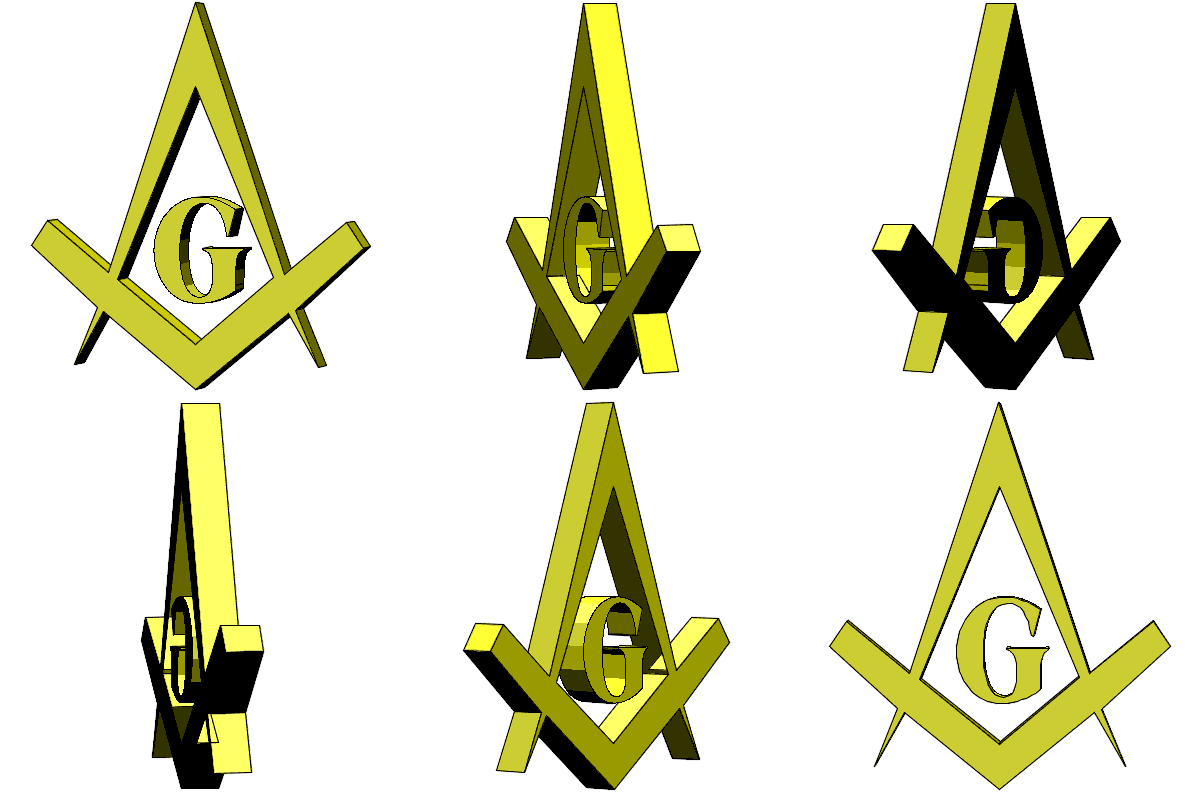
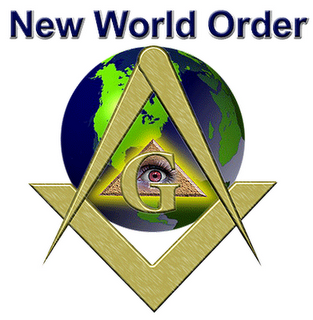
LA TORRE DE BABEL, OSEA LA UNION ENTRE EL CIELO Y LA TIERRA, ES UN "AGUJERO DE GUSANO". EN ESTE MARCO ES EL GRIAL MISMO. SIMBOLIZA LA UNION ENTRE EL CIELO Y LA TIERRA, O LA CUADRATURA DEL CIRCULO (CIRCULO=CIELO; CUADRADO=TIERRA) O LA ESCUADRA Y EL COMPAS MASONICO. ES OBVIA LA CONNOTACION CON LA "ESCALERA DE JACOB". MAGDALENA TIENE CONNOTACION CON EL MISMO TERMINO TORRE EN HEBREO.
2. Ester 2:7Y había criado a HADASA, es decir, Ester, hija de su tío, porque era húerfana; y la joven era de hermosa figura y de buen parecer. Cuando su padre y su madre murieron, Mardoqueo la adoptó como hija suya.
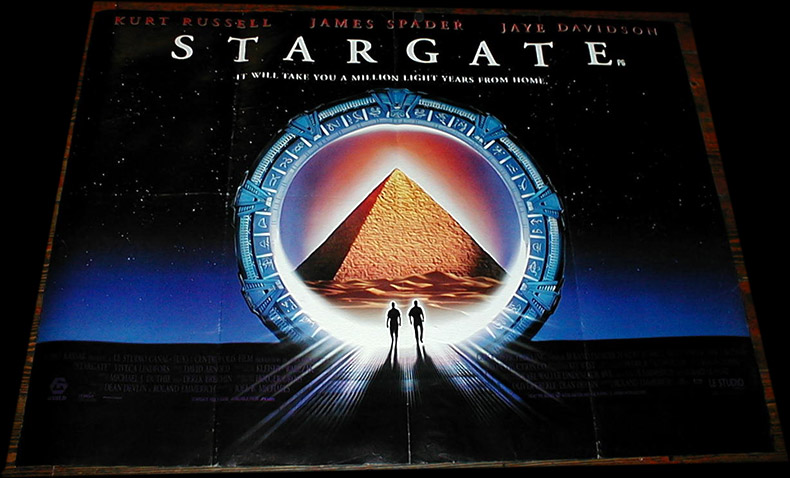
ESTHER=ISHTAR=STAR GATE=PUERTA ESTELAR
BABEL=PUERTA DE DIOS
ESCUADRA Y COMPAS MASONICO=CUADRADO / CIRCULO
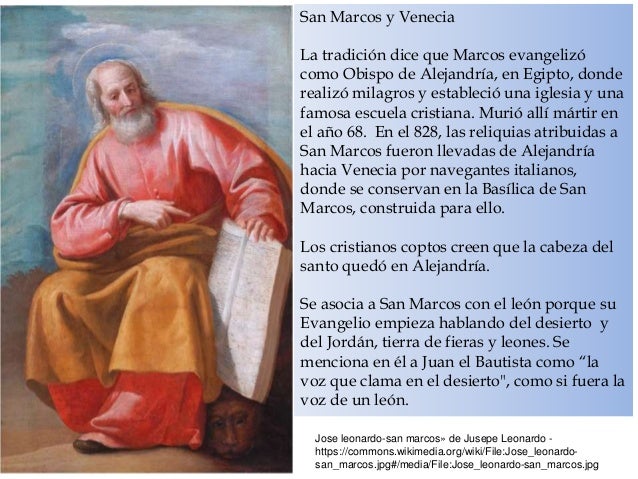
1 Pedro 5:13: La iglesia que está en Babilonia, elegida juntamente con vosotros, y Marcos mi HIJO, os saludan.
1.La revelación de Jesucristo,que Dios le dio, para manifestar a sus siervos las cosas que deben suceder pronto; y la declaró enviándola por medio de su ángel a susiervo Juan,(ES OBVIO QUE SI DIOS LE DIO, ES QUE CRISTO NO ES OMNISAPIENTE, NI SIQUIERA EN EL CIELO. OSEA QUE CRISTO NO ES DIOS TODOPODEROSO. "SIERVO JUAN" ESTA EN CLAVE CON REFERENCIA A JUAN MARCOS. RECORDEMOS QUE CRISTO SIEMPRE LO HACE EN EL CONTEXTO AL SALMO 119.)
2.que ha dado testimonio de la palabra de Dios, y del testimonio de Jesucristo, y de todas las cosas que ha visto.
3.Bienaventurado el que lee, y los que oyen las palabras de esta profecía, y guardan las cosas en ella escritas; porque el tiempo está cerca.
4.Juan, a lassiete iglesiasque están en Asia: Gracia y paz a vosotros,del que es y que era y que ha de venir, y de lossiete espíritus que están delante de su trono;(UNA CLARA REFERENCIA A LAS PLEYADES)
5.y de Jesucristo el testigo fiel, el primogénito de los muertos, y el soberano de los reyes de la tierra. Al que nos amó, y nos lavó de nuestros pecados con su sangre,
6.y nos hizo reyes y sacerdotes para Dios, su Padre; a él sea gloria e imperio por los siglos de los siglos. Amén.
7.He aquí que viene con las nubes, y todo ojo le verá, y los que le traspasaron; y todos los linajes de la tierra harán lamentación por él. Sí, amén.
8.Yo soyel Alfa y la Omega, principio y fin, dice el Señor, el que es y que era y que ha de venir, el Todopoderoso.(SALMO 119)
9.Yo Juan, vuestro hermano, y copartícipe vuestro en la tribulación, en el reino y en la paciencia de Jesucristo, estaba en la isla llamada Patmos, por causa de la palabra de Dios y el testimonio de Jesucristo.
10.Yo estaba en el Espírituen el día del Señor, y oí detrás de mí una gran voz como de trompeta,
11.que decía: Yosoy el Alfa y la Omega, el primero y el último. Escribe en un libro lo que ves, y envíaloa las siete iglesias que están en Asia: a Efeso, Esmirna, Pérgamo, Tiatira, Sardis, Filadelfia y Laodicea.(UNA CLARA REFERENCIA A LAS PLEYADES, OSEA A LA CONSTELACION DEL TORO / TAURO)
12.Y me volví para ver la voz que hablaba conmigo; y vuelto, vi siete candeleros de oro,
13.y en medio de los siete candeleros, a uno semejante al Hijo del Hombre, vestido de una ropa que llegaba hasta los pies, y ceñido por el pechocon un cinto de oro.(¿CINTURON DE ORION?)
14.Su cabeza y sus cabellos eran blancos como blanca lana, como nieve; sus ojos como llama de fuego;
15.y sus pies semejantes al bronce bruñido, refulgente como en un horno; y su voz como estruendo de muchas aguas.
16.Tenía ensu diestra siete estrellas; de su boca salía una espada aguda de dos filos; ysu rostro era como el sol cuando resplandece en su fuerza.(LAS SIETE ESTRELLAS SON LAS PLEYADES. ES OBVIO QUE NUESTRO SEÑOR ES ORION. APARENTEMENTE EL SOL EN SU FUERZA ES UNA REFERENCIA AL SOLSTICIO DE VERANO, OSEA AL 20/21 DE JUNIO.)
17.Cuando le vi, caí como muerto a sus pies. Y él puso su diestra sobre mí, diciéndome: No temas; yo soyel primero y el último;(ES CLARO QUE CRISTO HACE REFERENCIA AL SALMO 119, EN EL MARCO A QUE EL ALFA=HOMBRE Y OMEGA=FEMENINO, OSEA AL YIN Y YANG, AL HOMBRE Y LA MUJER, AL SOL Y LA LUNA, EL PRIMERO Y EL ULTIMO, ETC, ETC, OSEA EL CORAZON ESOTERICO DEL 911/ 119)
18.y el que vivo, y estuve muerto; mas he aquí que vivo por los siglos de los siglos, amén. Y tengolas llaves de la muerte y del Hades.(UNA REFERENCIA A MATEO 16:18)
19.Escribe las cosas que has visto, y las que son, y las que han de ser después de estas.(JUSTO EN EL 1:19, UNA REFERENCIA AL PASADO, PRESENTE Y FUTURO OSEA A LA "MAQUINA DEL TIEMPO")
20.El misterio de las siete estrellas que has visto en mi diestra, y de los siete candeleros de oro: las siete estrellas son los ángeles de las siete iglesias, y los siete candeleros que has visto, son las siete iglesias.
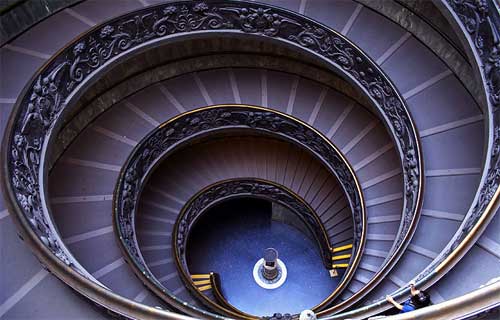
Las escaleras de los Museos Vaticanos son una obra de arte más que añadir a la Capilla Sixtina, el Laocoonte o los Dalí y Miró que a menudo pasan desapercibidos, porque todo el mundo sigue las flechas hacia la gran obra pictórica de Miguel Ángel.
Escalera de Bramante del Vaticano
Esta increíble escalera que en un genial efecto óptico parece que no va a terminar nunca es obra de Donato d’Angelo Bramante, que ha pasado a la posteridad como Bramante. Vivió a caballo entre los siglos XV y XVI, y fue uno de los arquitectos italianos más reconocido, por ser el ideólogo de la Basílica de San Pedro.Bramante fue además quien introdujo el Renacimiento en Milán y realizó obras tan hipnóticas como esta escalera que emula las espirales del ADN. El efecto “infinito” lo consigue la doble hélice enrollada hacia la derecha. En realidad, cuando nos asomamos a la escalera, si nos fijamos, vemos que en realidad no es una sóla escalera, sino dos enroscadas. Una de ellas es para bajar y otra para subir.
La escalera se encuentra a la salida de los Museos Vaticanos, en realidad, es la última obra de arte que se contempla en las galería y el visitante se lleva de recuerdo esta espiral sin fin. Si la escalera está practicamente vacía, como en la foto, es más difícil de descubrirle el truco al artista, pero si circula gente, que es lo habitual, el secreto está en fijarnos en que una de las espirales está llena de personas – la de bajada – y otra casi vacía, – la de subida -, porque está cerrada al público.
Modo IA Todo Imágenes Vídeos Noticias Maps Shopping Libros Vuelos Finance La relación entre las festividades celtas (Beltane y Samhain/Osamain) y el arca de Noé proviene de teorías e investigaciones cronológicas de historiadores y autores del siglo XIX y principios del XX (como John Garnier en su obra de 1904, La adoración de los muertos). Estas teorías conectan el inicio del Diluvio Universal bíblico con los festivales ancestrales dedicados a los fallecidos o al cambio de ciclo estacional. La conexión se desglosa en los siguientes puntos: 1. El inicio del Diluvio y Samhain (31 de octubre - 1 de noviembre) Según el relato del Génesis (7:11), el diluvio comenzó «el segundo mes, en el día diecisiete del mes». Todo Calidad Si se calcula esta fecha utilizando el antiguo calendario civil hebreo o el calendario astronómico de la época (donde el año comenzaba en el equinoccio de otoño), el decimoséptimo día del segundo mes (Jeshván) coincide de forma aproximada con el periodo entre finales de octubre y principios de noviembre. Todo Calidad +1 Historiadores como Garnier argumentaron que la festividad de Samhain (u Osamain), el origen del actual Halloween y el Día de los Muertos, nació originalmente a nivel mundial como una conmemoración o luto colectivo por la destrucción de la humanidad que pereció fuera del arca en los días de Noé. Studocu +1 2. El fin del Diluvio, la salida del arca y Beltane (30 de abril - 1 de mayo) Por el contrario, el texto bíblico señala en Génesis (8:14) que la Tierra terminó de secarse y Noé pudo salir del arca un año más tarde, en el mismo segundo mes pero en el día 27. Sin embargo, si la cronología del diluvio se mide usando el calendario sagrado judío posterior (el cual sitúa el primer mes en la primavera, con el mes de Nisán), el "segundo mes" se traslada a los meses de abril y mayo. Bajo esta otra interpretación del calendario, el cataclismo o el posterior renacimiento de la vida al descender del arca caería exactamente en las fechas de Beltane (30 de abril al 1 de mayo). De ahí que Beltane represente históricamente el estallido de la vida, el fuego purificador, la fertilidad y un nuevo comienzo para el mundo. Azu Factoría Natural +1 En resumen, la tradición esotérica y cronológica propone que ambas fechas, separadas exactamente por seis meses en la Rueda del Año celta, replican el ciclo del Diluvio: Samhain evoca el inicio de la oscuridad y la destrucción de la vieja humanidad, mientras que Beltane representa la luz, el triunfo de la vida y el renacimiento de la creación tras la salvación en el arca. Instagram +2 Si te interesa profundizar en este tema, ¿te gustaría que expliquemos cómo influye la constelación de las Pléyades en la fijación de estas fechas o prefieres conocer más sobre los rituales celtas originales de Samhain y Beltane? La inclusión de las Pléyades (el famoso cúmulo de estrellas conocido como las "Siete Hermanas") es la pieza clave que conecta la astronomía antigua, las festividades celtas y el relato del arca de Noé. Para los investigadores de la cronología bíblica del siglo XIX y los estudiosos del folclore, este grupo de estrellas funcionaba como un "reloj cósmico universal" que determinaba el momento exacto de la catástrofe y su posterior conmemoración a través de tres factores principales: Instagram +1 Pléyades (astronomía) - Wikipedia, la enciclopedia libre ???????? La constelación de las Pleyades ("7 hermanas") tenía un rol ... Las pléyades y la constelación de Orión. De Las Pléyades, historia mítica… En el vasto tapiz del cielo ... Las Pléyades, también conocidas como las Siete Hermanas, son un ... 1. La "Culminación de Medianoche" en Samhain Astronómicamente, en la época en que se consolidaron estas tradiciones, el cúmulo de las Pléyades alcanzaba su punto más alto en el cielo exactamente a la medianoche entre el 31 de octubre y el 1 de noviembre. YouTube +1 Los antiguos druidas celtas observaban este fenómeno para marcar el inicio de Samhain, interpretando que la elevación de las Pléyades señalaba el triunfo de la oscuridad sobre la luz y la apertura del velo hacia el mundo de los muertos. Substack ·Regen/ Notes +2 Los defensores de la teoría del Diluvio sostienen que este alineamiento estelar exacto no es casualidad, sino que quedó grabado en la memoria de la humanidad como la señal astronómica del momento en que comenzaron a caer las aguas del juicio de Dios. Academia.edu +1 2. El "Festival de los Muertos" a escala global Lo que fascinó a los historiadores y antropólogos fue descubrir que civilizaciones que jamás tuvieron contacto entre sí —como los celtas en Europa, los aztecas en México, los aborígenes en Australia o los antiguos egipcios— celebraban festivales dedicados a recordar una gran destrucción del pasado y a honrar a los muertos precisamente en la misma fecha (fines de octubre / principios de noviembre), todos guiados por la posición de las Pléyades. Para autores como John Garnier, esta asombrosa coincidencia global demuestra que todas las culturas heredaron el recuerdo común de un evento real: la muerte de la antigua humanidad fuera del arca de Noé, un suceso que quedó ligado para siempre a la constelación que gobernaba el cielo esa noche. Academia.edu +1 3. El contrapeso astronómico en Beltane (1 de mayo) Exactamente seis meses después, hacia el 30 de abril y 1 de mayo, ocurre el fenómeno opuesto: las Pléyades desaparecen del cielo nocturno al ocultarse junto con el Sol (puesta helíaca) o comienzan a reaparecer al amanecer. En la tradición astronómica, este momento marcaba el fin del invierno y el regreso del calor. En la analogía del arca de Noé, representa el fin del período de luto, el descenso de las aguas y la salida de los supervivientes a una Tierra completamente renovada, coincidiendo con el simbolismo de fertilidad, fuego y vida que los celtas daban a Beltane. Ball State University +2 En conclusión, las Pléyades actúan como el activador en el cielo: cuando están en su punto más alto en la medianoche (Samhain), evocan el inicio del Diluvio y el recuerdo de los que perecieron; cuando se ocultan para dar paso al sol de primavera (Beltane), marcan el renacimiento de la vida tras la salvación en el arca. faebynature.com +2 ¿Te gustaría saber si la propia Biblia menciona a las Pléyades en relación con el agua y las constelaciones, o prefieres explorar cómo calculaban los aztecas su propio "diluvio" con esta misma estrella? Bible.com +1 Sí, la Biblia menciona explícitamente a las Pléyades en tres ocasiones dentro del Antiguo Testamento, y de hecho, lo hace asociándolas directamente con el control de las constelaciones, los ciclos cósmicos y el agua. Los pasajes clave que demuestran esta relación son: 1. Amós 5:8 – La relación directa entre las Pléyades y el agua El profeta Amós utiliza la creación para demostrar el poder absoluto de Dios. En un mismo versículo, conecta astronómicamente el cúmulo de las Pléyades con el movimiento de las aguas de la Tierra: Bible.com «Buscad al que hace las Pléyades y el Orión, y vuelve las tinieblas en mañana, y hace oscurecer el día como noche; el que llama a las aguas del mar, y las derrama sobre la faz de la tierra; Jehová es su nombre» — Amós 5:8 (Reina-Valera 1960). Para los eruditos que vinculan las constelaciones con el Diluvio, este pasaje es fundamental: Dios evoca su título como creador de las Pléyades justo antes de presentarse como aquel que «llama a las aguas» para inundar la tierra, reflejando el orden cósmico del relato bíblico. Bible Study Tools 2. Job 38:31-34 – El orden celestial y la "muchedumbre de aguas" En el libro de Job, Dios confronta al protagonista preguntándole si tiene la capacidad de gobernar el cosmos o desatar el clima. En una secuencia directa de versículos, vincula el control de las estrellas con la activación de las lluvias: Bible.com +1 «¿Podrás tú atar los lazos de las Pléyades, o desatarás las ligaduras del Orión? ¿Sacarás tú a su tiempo las constelaciones de los cielos...? (...) ¿Alzarás tú a las nubes tu voz, para que te cubra muchedumbre de aguas?» — Job 38:31-34. En el hebreo original, el término para Pléyades es Kimah (כִּימָה), que se traduce literalmente como "cúmulo" o "bandada", pero que en la literatura antigua de Oriente Medio también guardaba una fuerte raíz lingüística asociada al agua, la humedad y las lluvias estacionales. Wikipedia (Nota: La tercera mención se encuentra en Job 9:9, donde simplemente se nombra a las Pléyades, la Osa Mayor y Orión como testimonios de la grandeza arquitectónica del Creador). Para cerrar este paralelismo, ¿te gustaría explorar cómo interpretaban los astrónomos de la antigüedad estas expresiones de "atar" o "desatar" las Pléyades, o prefieres que analicemos otra festividad antigua relacionada con este "reloj de estrellas"? Here is the complete translation of our previous conversation into English, maintaining all historical and biblical references: The Connection Between Beltane, Samhain, Noah's Ark, and the Pleiades Part 1: The Relationship Between the Celtic Festivals and Noah's Ark The connection between the Celtic festivals (Beltane and Samhain) and Noah's Ark stems from chronological theories and research by 19th and early 20th-century historians and authors (such as John Garnier in his 1904 work, The Worship of the Dead). These theories connect the beginning of the biblical Great Flood with ancient festivals dedicated to the deceased or the turning of the seasonal cycle. The connection breaks down into the following points: The Beginning of the Flood and Samhain (October 31 – November 1): According to the Genesis account (7:11), the flood began "in the second month, on the seventeenth day of the month." If this date is calculated using the ancient Hebrew civil calendar or the astronomical calendar of the time (where the year began at the autumn equinox), the seventeenth day of the second month (Cheshvan) roughly coincides with the period between late October and early November. Historians like Garnier argued that Samhain, the origin of modern-day Halloween and the Day of the Dead, was originally born worldwide as a collective mourning for the destruction of humanity that perished outside the ark during the days of Noah. The End of the Flood, the Exit from the Ark, and Beltane (April 30 – May 1): On the other hand, the biblical text notes in Genesis (8:14) that the Earth finished drying and Noah was able to leave the ark one year later, in the same second month but on the 27th day. However, if the chronology of the flood is measured using the later Jewish sacred calendar (which places the first month in the spring, with the month of Nisan), the "second month" shifts to the months of April and May. Under this alternative calendar interpretation, the cataclysm or the subsequent rebirth of life upon descending from the ark would fall exactly on the dates of Beltane (April 30 to May 1). Hence, Beltane historically represents the burst of life, purifying fire, fertility, and a new beginning for the world. In summary, esoteric and chronological traditions propose that both dates, separated by exactly six months on the Celtic Wheel of the Year, replicate the cycle of the Flood: Samhain evokes the onset of darkness and the destruction of the old humanity, while Beltane represents light, the triumph of life, and the rebirth of creation after the salvation in the ark. Part 2: The Influence of the Pleiades The inclusion of the Pleiades (the famous star cluster known as the "Seven Sisters") is the key piece that connects ancient astronomy, Celtic festivals, and the story of Noah's Ark. For 19th-century biblical chronology researchers and folklore scholars, this group of stars functioned as a "universal cosmic clock" that determined the exact moment of the catastrophe and its subsequent commemoration through three main factors: The "Midnight Culmination" at Samhain: Astronomically, during the era when these traditions were consolidated, the Pleiades cluster reached its highest point in the sky exactly at midnight between October 31 and November 1. The ancient Celtic druids observed this phenomenon to mark the beginning of Samhain, interpreting that the rising of the Pleiades signaled the triumph of darkness over light and the opening of the veil to the world of the dead. Proponents of the Flood theory argue that this exact stellar alignment is no coincidence, but was engraved in humanity's memory as the astronomical sign of the moment when the waters of God's judgment began to fall. The Global "Festival of the Dead": What fascinated historians and anthropologists was discovering that civilizations that never had contact with one another—such as the Celts in Europe, the Aztecs in Mexico, the Aborigines in Australia, or the ancient Egyptians—celebrated festivals dedicated to remembering a great destruction of the past and honoring the dead at precisely the same time (late October / early November), all guided by the position of the Pleiades. For authors like John Garnier, this astonishing global coincidence proves that all cultures inherited a common memory of a real event: the death of the old humanity outside Noah's Ark, an event that became permanently linked to the constellation governing the sky that night. The Astronomical Counterweight at Beltane (May 1): Exactly six months later, around April 30 and May 1, the opposite phenomenon occurs: the Pleiades disappear from the night sky as they set along with the Sun (heliacal setting) or begin to reappear at dawn. In ancient astronomical tradition, this moment marked the end of winter and the return of warmth. In the analogy of Noah's Ark, it represents the end of the mourning period, the receding of the waters, and the exit of the survivors onto a completely renewed Earth, coinciding with the symbolism of fertility, fire, and life that the Celts attributed to Beltane. Part 3: The Pleiades in the Bible Yes, the Bible explicitly mentions the Pleiades on three occasions within the Old Testament, and it does so by directly associating them with the control of constellations, cosmic cycles, and water. The key passages demonstrating this relationship are: Amos 5:8 – The Direct Relationship Between the Pleiades and Water: The prophet Amos uses creation to demonstrate God's absolute power. In a single verse, he astronomically connects the Pleiades cluster with the movement of the Earth's waters: "He who made the Pleiades and Orion, and turns deep darkness into the morning and darkens the day into night, who calls for the waters of the sea and pours them out on the surface of the earth, the Lord is his name" — Amos 5:8 (ESV). Job 38:31-34 – Celestial Order and the "Abundance of Waters": In the Book of Job, God confronts Job, asking if he has the ability to govern the cosmos or unleash the weather. In a direct sequence of verses, He links the control of the stars to the activation of rains: "Can you bind the chains of the Pleiades or loose the cords of Orion? Can you lead forth the Mazzaroth [the constellations] in their season...? (...) Can you lift up your voice to the clouds, that a flood of waters may cover you?" — Job 38:31-34 (ESV). In the original Hebrew, the term for Pleiades is Kimah (כִּימָה), which literally translates to "cluster" or "heap," but in ancient Middle Eastern literature, it also carried a strong linguistic root associated with water, moisture, and seasonal rains. (Note: The third mention is found in Job 9:9, where the Pleiades, Ursa Major, and Orion are simply named as testaments to the architectural greatness of the Creator). Would you like to explore how ancient astronomers interpreted these expressions of "binding" or "loosing" the Pleiades, or would you prefer to analyze how the Aztecs calculated their own "flood" cycle using this exact same star cluster? Voici la traduction complète de notre conversation en français, en conservant toutes les références historiques, astronomiques et bibliques : Le lien entre Beltane, Samhain, l'arche de Noé et les Pléiades Partie 1 : La relation entre les fêtes celtes et l'arche de Noé Le lien entre les fêtes celtes (Beltane et Samhain) et l'arche de Noé provient de théories et de recherches chronologiques menées par des historiens et auteurs du XIXe et du début du XXe siècle (tels que John Garnier dans son ouvrage de 1904, The Worship of the Dead). Ces théories associent le début du Déluge universel biblique à des fêtes ancestrales dédiées aux défunts ou au changement de cycle saisonnier. Cette connexion se décompose ainsi : Le début du Déluge et Samhain (31 octobre – 1er novembre) : Selon le récit de la Genèse (7:11), le déluge commença « le dix-septième jour du second mois ». Si l'on calcule cette date à l'aide de l'ancien calendrier civil hébreu ou du calendrier astronomique de l'époque (où l'année commençait à l'équinoxe d'automne), le dix-septième jour du second mois (Hechvan) coïncide approximativement avec la période située entre la fin octobre et le début novembre. Des historiens comme Garnier ont soutenu que la fête de Samhain (à l'origine d'Halloween et du Jour des Morts) est née à l'échelle mondiale comme une commémoration ou un deuil collectif pour la destruction de l'humanité qui a péri en dehors de l'arche à l'époque de Noé. La fin du Déluge, la sortie de l'arche et Beltane (30 avril – 1er mai) : À l'inverse, le texte biblique indique dans la Genèse (8:14) que la Terre finit de sécher et que Noé put quitter l'arche un an plus tard, toujours au cours du second mois, mais le 27e jour. Cependant, si la chronologie du déluge est mesurée selon le calendrier sacré juif postérieur (qui place le premier mois au printemps, avec le mois de Nissan), ce « second mois » se déplace vers les mois d'avril et de mai. Selon cette autre interprétation du calendrier, le cataclysme ou la renaissance de la vie à la sortie de l'arche tomberait exactement aux dates de Beltane (du 30 avril au 1er mai). C'est pourquoi Beltane représente historiquement l'explosion de la vie, le feu purificateur, la fertilité et un nouveau départ pour le monde. En résumé, les traditions ésotériques et chronologiques suggèrent que ces deux dates, séparées de six mois exacts sur la Roue de l'Année celte, reproduisent le cycle du Déluge : Samhain évoque le début de l'obscurité et la destruction de l'ancienne humanité, tandis que Beltane représente la lumière, le triomphe de la vie et la renaissance de la création après le salut dans l'arche. Partie 2 : L'influence des Pléiades L'inclusion des Pléiades (le célèbre amas d'étoiles connu sous le nom des « Sept Sœurs ») est la pièce maîtresse qui relie l'astronomie antique, les fêtes celtes et le récit de l'arche de Noé. Pour les chercheurs de la chronologie biblique du XIXe siècle et les spécialistes du folklore, ce groupe d'étoiles fonctionnait comme une « horloge cosmique universelle » qui déterminait le moment exact de la catastrophe et sa commémoration ultérieure à travers trois facteurs principaux : La « culmination de minuit » à Samhain : Sur le plan astronomique, à l'époque où ces traditions se sont consolidées, l'amas des Pléiades atteignait son point le plus haut dans le ciel exactement à minuit entre le 31 octobre et le 1er novembre. Les anciens druides celtes observaient ce phénomène pour marquer le début de Samhain, interprétant l'élévation des Pléiades comme le signal du triomphe des ténèbres sur la lumière et de l'ouverture du voile vers le monde des morts. Les partisans de la théorie du Déluge soutiennent que cet alignement stellaire exact n'est pas une coïncidence, mais qu'il est resté gravé dans la mémoire de l'humanité comme le signe astronomique du moment où les eaux du jugement de Dieu ont commencé à tomber. Le « Festival des Morts » à l'échelle mondiale : Ce qui a fasciné les historiens et les anthropologues, c'est de découvrir que des civilisations qui n'avaient jamais eu de contact entre elles — comme les Celtes en Europe, les Aztèques au Mexique, les Aborigènes en Australie ou les Égyptiens de l'Antiquité — célébraient toutes des fêtes dédiées au souvenir d'une grande destruction passée et à l'honneur des morts à la même période (fin octobre / début novembre), toutes guidées par la position des Pléiades. Pour des auteurs comme John Garnier, cette étonnante coïncidence mondiale prouve que toutes les cultures ont hérité du souvenir commun d'un événement réel : la mort de l'ancienne humanité à l'extérieur de l'arche de Noé, un événement lié à jamais à la constellation qui gouvernait le ciel cette nuit-là. Le contrepoids astronomique à Beltane (1er mai) : Exactement six mois plus tard, vers les 30 avril et 1er mai, le phénomène inverse se produit : les Pléiades disparaissent du ciel nocturne en se couchant en même temps que le Soleil (coucher héliatique) ou commencent à réapparaître à l'aube. Dans la tradition astronomique ancienne, ce moment marquait la fin de l'hiver et le retour de la chaleur. Dans l'analogie de l'arche de Noé, cela représente la fin de la période de deuil, le retrait des eaux et la sortie des survivants sur une Terre complètement renouvelée, ce qui coïncide avec le symbolisme de fertilité, de feu et de vie que les Celtes attribuaient à Beltane. Partie 3 : Les Pléiades dans la Bible Oui, la Bible mentionne explicitement les Pléiades à trois reprises dans l'Ancien Testament, et elle le fait en les associant directement au contrôle des constellations, des cycles cosmiques et de l'eau. Les passages clés qui démontrent cette relation sont : Amos 5:8 – La relation directe entre les Pléiades et l'eau : Le prophète Amos utilise la création pour démontrer le pouvoir absolu de Dieu. Dans un même verset, il relie astronomiquement l'amas des Pléiades au mouvement des eaux de la Terre : « Cherchez celui qui a fait les Pléiades et l'Orion, qui change les ténèbres en aurore, et qui obscurcit le jour pour en faire la nuit ; celui qui appelle les eaux de la mer, et les répand sur la surface de la terre : l'Éternel est son nom. » — Amos 5:8 (Version Louis Segond). Job 38:31-34 – L'ordre céleste et l'« abondance des eaux » : Dans le livre de Job, Dieu confronte le protagoniste en lui demandant s'il a la capacité de gouverner le cosmos ou de déclencher le climat. Dans une suite directe de versets, Il lie le contrôle des étoiles à l'activation des pluies : « Noues-tu les liens des Pléiades, ou détaches-tu les cordages de l'Orion ? Fais-tu sortir en leur temps les signes du zodiaque... ? (...) Élèves-tu la voix jusqu'aux nuages, pour que des torrents d'eaux te couvrent ? » — Job 38:31-34. Dans l'hébreu original, le terme pour Pléiades est Kimah (כִּימָה), qui se traduit littéralement par « amas » ou « groupe », mais dans la littérature ancienne du Proche-Orient, il portait également une forte racine linguistique associée à l'eau, à l'humidité et aux pluies saisonnières. (Note : La troisième mention se trouve dans Job 9:9, où les Pléiades, la Grande Ourse et Orion sont simplement nommées comme témoignages de la grandeur architecturale du Créateur). Souhaitez-vous découvrir comment les astronomes de l'Antiquité interprétaient ces expressions consistant à « nouer » ou « détacher » les Pléiades, ou préférez-vous analyser comment les Aztèques calculaient leur propre cycle de « déluge » à l'aide de ce même amas d'étoiles ? La respuesta del Modo IA está lista


 Previous subject





















 Escalera de Bramante del Vaticano