|
Reply |
Message 1 of 140 on the subject |
|
Marco Vitruvio
Marco Vitruvio Polión (en latín Marcus Vitruvius Pollio; c. 80-70 a. C.-15 a. C.) fue unarquitecto, escritor, ingeniero y tratadista romano del siglo I a. C.
Biografía y obra[editar]
Fue arquitecto de Julio César durante su juventud, y al retirarse del servicio entró en la arquitectura civil, siendo de este periodo su única obra conocida, la basílica de Fanum (en Italia). Es el autor del tratado sobre arquitectura más antiguo que se conserva y el único de la Antigüedad clásica, De Architectura, en 10 libros (probablemente escrito entre los años 27 a. C. y 23 a. C.). Inspirada en teóricos helenísticos –se refiere expresamente a inventos del gran Ctesibio–, la obra trata sobre órdenes, materiales, técnicas decorativas, construcción, tipos de edificios,hidráulica, colores, mecánica y gnomónica (Libro IX).
El último libro está dedicado a las máquinas: de tracción, elevadoras de agua y todo tipo de artefactos bélicos (catapultas, ballestas, tortugas, etc.). Vitruvio describió muy bien la rueda hidráulica en el cap. X.5. La rueda de Vitruvio era vertical y el agua la empujaba por abajo; unosengranajes tenían la finalidad de cambiar la dirección del giro y aumentar la velocidad de las muelas; se calcula que con la energía producida por una de estas ruedas se podían moler 150 kg de trigo por hora, mientras que dos esclavos solo molían 7 kg.1
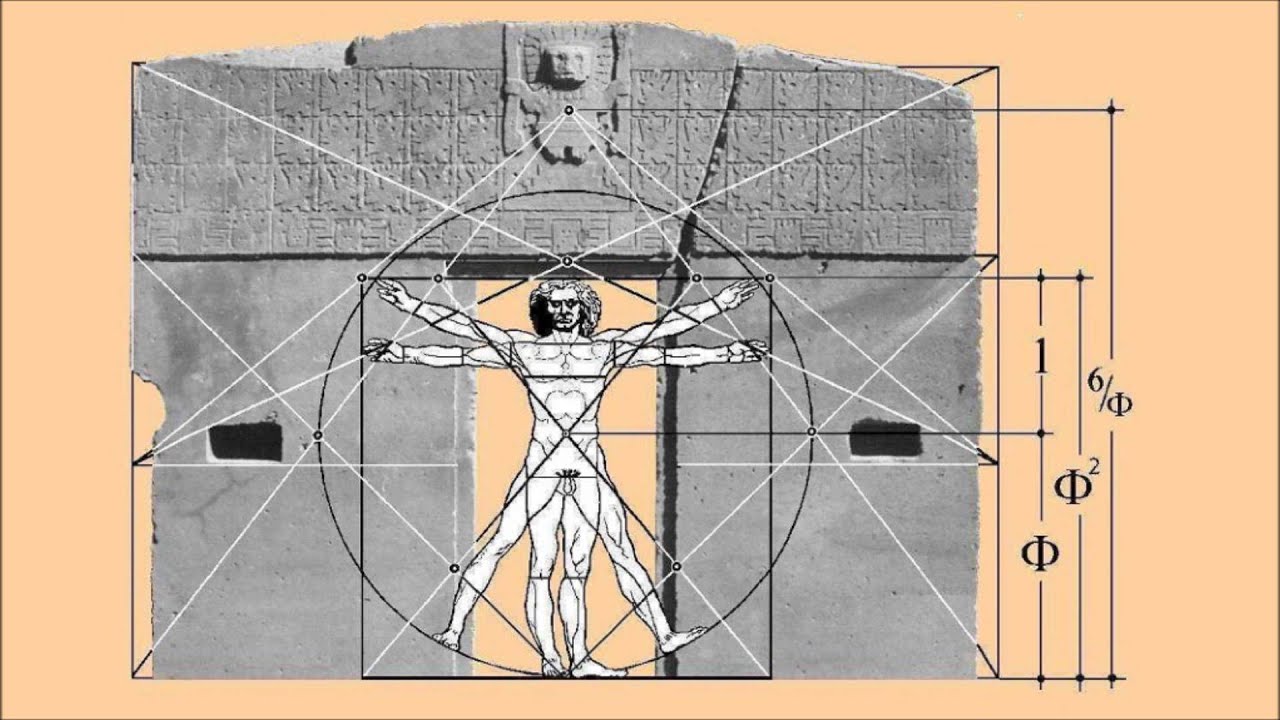
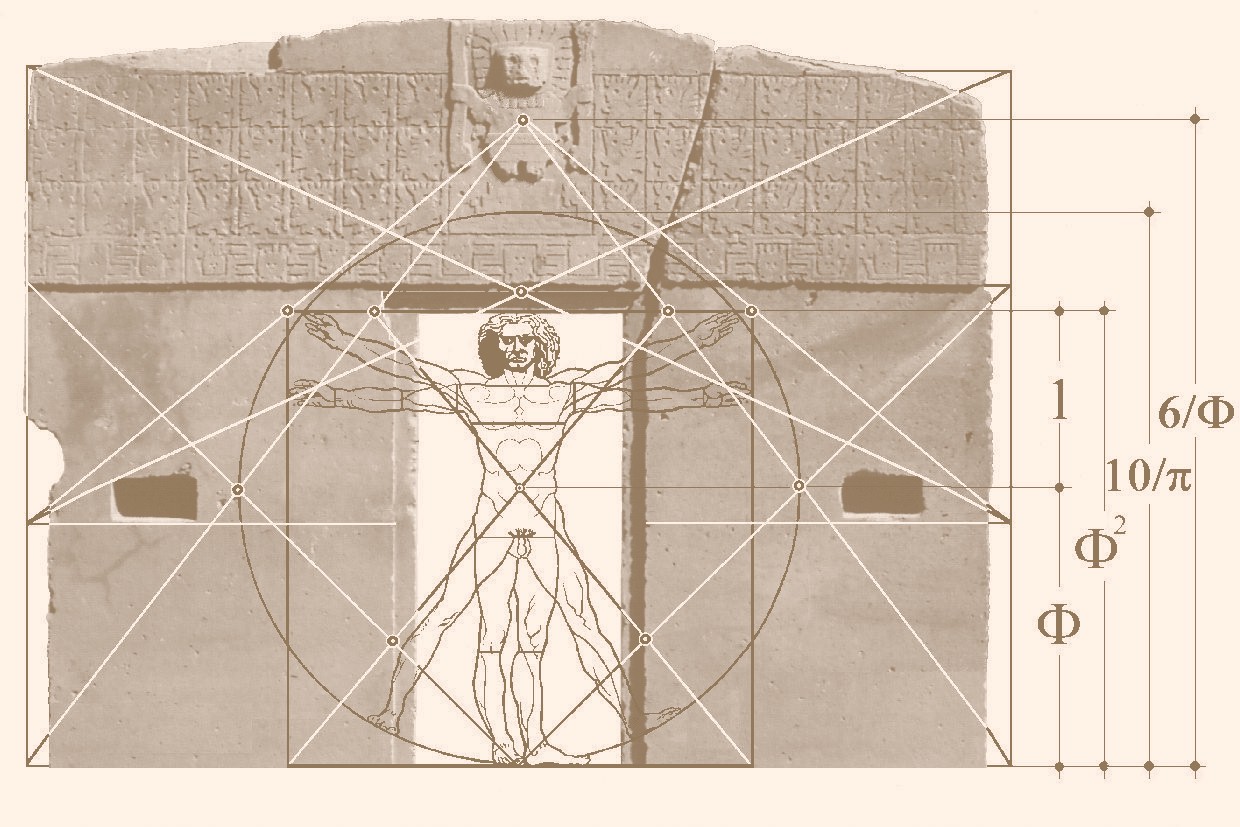
De Architectura, conocido y empleado en la Edad Media, se imprimió por primera vez en Roma en1486, edición del humanista y gramático Fray Giovanni Sulpicio de Veroli, ofreciendo al artista delRenacimiento, imbuido de la admiración por las virtudes de la cultura clásica tan propio de la época, un canal privilegiado mediante el que reproducir las formas arquitectónicas de la antigüedad greco-latina. Posteriormente, se publicó en la mayor parte de los países y todavía hoy constituye una fuente documental insustituible, también por las informaciones que aporta sobre la pintura y la esculturagriegas y romanas.2 El famoso dibujo de Leonardo da Vinci, el Hombre de Vitruvio, sobre las proporciones del hombre está basado en las indicaciones dadas en esta obra. El dibujo se conserva ahora en la Galleria dell'Accademia, en Venecia. El gran redescubridor de Vitruvio fue Petrarca, y tras la difusión por el florentino de la obra de este autor clásico, se puede afirmar que Vitruvio sentó las bases de la arquitectura Renacentista.3
Las imágenes que ilustran la obra de Vitruvio, en sus ediciones hasta el siglo XVIII, no solo aclaran y embellecen el tratado grecorromano, sino que son expresión de distintas intenciones y usos que ese libro ha tenido en la modernidad europea.
De Architectura libri decem (De architectura) de Vitruvio[editar]

Plano de una casa griega según Vitruvio
Vitruvio es el autor de De architectura, conocido hoy como Los Diez Libros de Arquitectura,4 un tratado escrito en latín y griego antiguo acerca de arquitectura, dedicado al emperador Augusto. En el prefacio del libro I, Vitruvio dedica sus escritos para dar conocimiento personal de la calidad de los edificios al emperador. Probablemente Vitruvio se refiere a la campaña de reparaciones y mejoras públicas de Marco Agripa. Este trabajo es un gran libro y único superviviente de la arquitectura de la antigüedad clásica. Según Petri Liukkonen, este texto "influyó profundamente a los artistas desde el primer Renacimiento en adelante, como a pensadores y arquitectos, entre ellos Leon Battista Alberti (1404-1472), Leonardo da Vinci (1452-1519) y Miguel Ángel (1475-1564)."5 El siguiente libro importante en la arquitectura fue la reformulación de los diez libros de Alberti, que no fue escrito hasta 1452.
Vitruvio es famoso por afirmar en su libro De Architectura que ciertos edificios públicos deben exhibir las tres cualidades de firmitas, utilitas, venustas –es decir, deben ser sólidos, útiles, hermosos–. Estas cualidades a veces se llaman las virtudes de Vitruvio o la Tríada de Vitruvio. Desde el siglo XVII, esta Tríada se usa para describir la arquitectura en general, aunque la descripción vitruviana de la disciplina es muy diferente.
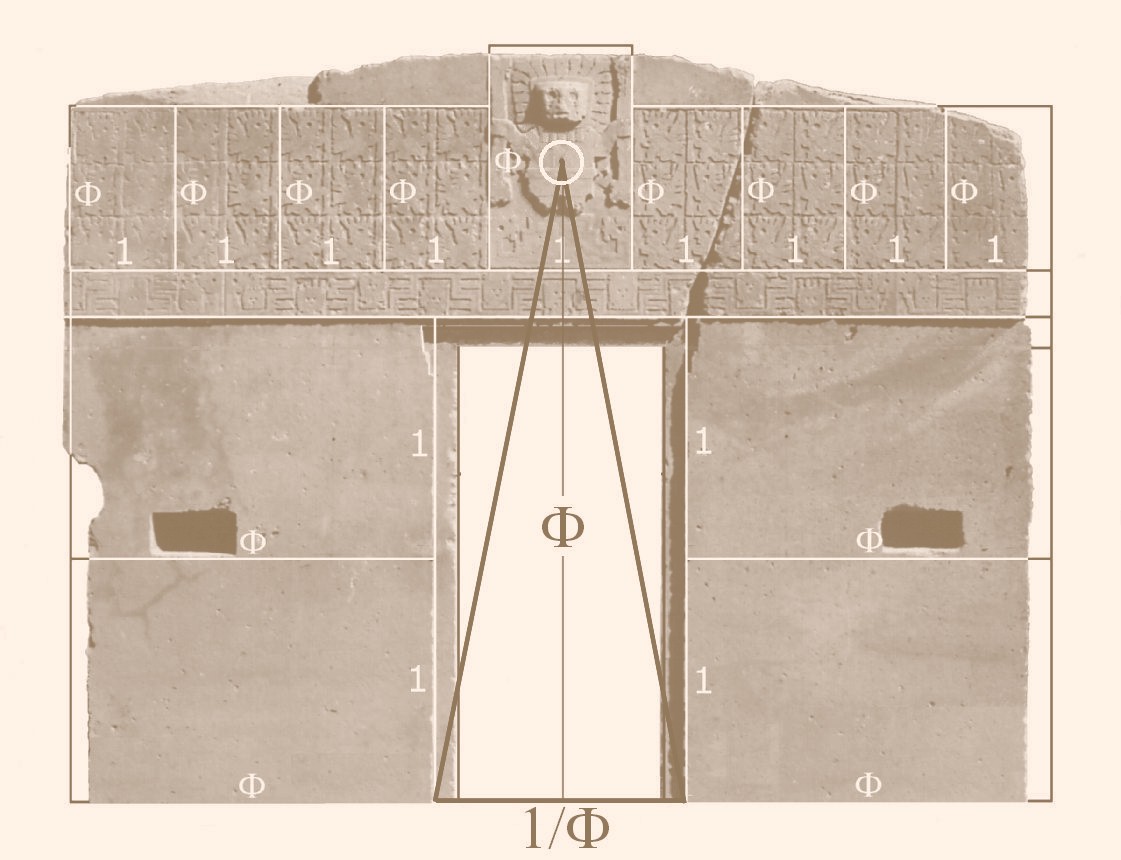
Según Vitruvio, la arquitectura es una imitación de la naturaleza. Como las aves y las abejas construyen sus nidos, los seres humanos construyen vivienda a partir de materiales naturales, que les da refugio contra los elementos. Para el perfeccionamiento de este arte de la construcción, los griegos inventaron los órdenes arquitectónicos: dórico, jónico y corintio. Se les dio un sentido de la proporción, que culminó en la comprensión de las proporciones de la mayor obra de arte: el cuerpo humano. Esto llevó Vitruvio a la definición de un canon del cuerpo humano, el Hombre de Vitruvio, adoptado más tarde por Leonardo da Vinci: el cuerpo humano inscrito en el círculo y el cuadrado (los patrones geométricos fundamentales del orden cósmico).
A Vitruvio se le considera a veces libremente como el primer arquitecto, pero es más exacto describirlo como el primer arquitecto romano que escribió registros de su campo que sobrevivieron. Él mismo cita a obras mayores, pero menos completas. Era al menos un pensador original o tenía el intelecto creativo de un codificador de la práctica arquitectónica existente. También hay que señalar que Vitruvio tenía un alcance mucho más amplio que los arquitectos modernos. Los arquitectos romanos practicaban una amplia variedad de disciplinas; en términos modernos, podrían describirse como la combinación de ingenieros, arquitectos, arquitectos paisajistas, artistas y artesanos. Etimológicamente la palabra arquitecto deriva de las palabras griegas que significan "maestro" y "constructor". El primero de los diez libros se ocupa de muchos temas que ahora entran en el ámbito de la arquitectura del paisaje.
Tecnología romana[editar]
Los Libros VIII, IX y X son la base de gran parte de lo que sabemos acerca de la tecnología romana, ahora aumentados por los estudios arqueológicos de los restos existentes, tales como los molinos de agua en Barbegal, Francia. La otra fuente importante de información es la Historia Naturalis compilada por Plinio el Viejo mucho más tarde en el año 75 de nuestra era.
El trabajo es importante por describir las diferentes máquinas utilizadas para estructuras de ingeniería, tales como montacargas, grúas y poleas, también máquinas de guerra, como catapultas, ballestas y máquinas de asedio. Como ingeniero practicante, Vitruvio debe estar hablando de la experiencia personal en lugar de la simple descripción de las obras de los demás. Asimismo se describe la construcción de relojes de sol y de agua, y el uso de un eolípila (la primera máquina de vapor ) como un experimento para demostrar la naturaleza de los movimientos de aire atmosféricas (viento).
Su descripción de la construcción de un acueducto incluye la forma en que se registran y la cuidadosa elección de los materiales necesarios, aunque Frontino (un general que fue nombrado a fines del Siglo Ipara administrar los numerosos acueductos de Roma) los describiría un siglo más tarde, con mucho más detalle acerca de los problemas prácticos involucrados en la construcción y el mantenimiento. Seguramente el libro de Vitruvio habría sido de gran ayuda en esto. Vitruvio escribió esto en el siglo I a. C., cuando muchos de los mejores acueductos romanos fueron construidos, y que sobreviven hasta nuestros días, como los de Segovia o Pont du Gard. El uso del sifón invertido se describe en detalle, junto con los problemas de altas presiones desarrolladas en la base del tubo del sifón, un problema práctico con el que parece estar familiarizado.
Vitruvio describe muchos diferentes materiales de construcción usados para una amplia variedad de diferentes estructuras, así como detalles tales como pintura estuco. El concreto y la cal reciben profundas descripciones, la longevidad de muchas estructuras romanas que son mudo testimonio de la habilidad de los romanos en los materiales de construcción y diseño.
Vitruvio es muy conocido y citado a menudo como una de las fuentes más antiguas que sobreviven por haber advertido que el plomo no se debe utilizar para conducir el agua potable, recomendando en cambio pipas de arcilla o canales de mampostería. Se llega a esta conclusión en el Libro VIII De Architectura después de la observación empírica de las aparentes enfermedades de los obreros en las fundiciones de plomo de su tiempo.6
Vitruvio fue el que nos relató la famosa historia de Arquímedes y su detección de oro adulterado en una corona real. Cuando Arquímedes se dio cuenta de que el volumen de la corona podría medirse exactamente por el desplazamiento creado en un baño de agua, corrió a la calle con el grito de ¡Eureka!, y el descubrimiento le permitió comparar la densidad de la corona de oro puro. Demostró que el oro de la corona había sido aleado con plata, y el rey había sido defraudado.
Máquinas de desagüe[editar]

Diseño para un tornillo de agua de Arquímedes
Describe la construcción del tornillo de Arquímedes en el Capítulo X (sin mencionar a Arquímedes por su nombre). Era un dispositivo ampliamente utilizado para la elevación de agua para el riego de los campos y desaguar las minas. Otras máquinas de elevación hídrica que menciona son la interminable cadena de cubos y la rueda reversa de drenaje. Estos restos de ruedas de agua empleadas para la elevación de agua fueron descubiertos cuando las antiguas minas fueron reabiertas en río Tinto enEspaña, Rosia Montana en Rumania y Dolaucothi en el oeste de Gales. La rueda de río Tinto se muestra ahora en el Museo Británico, y el espécimen Dolaucothi en el Museo Nacional de Gales.
Instrumentos de topografía[editar]
Vitruvio debe haber sido ducho en el arte del levantamiento topográfico, y esto se demuestra por sus descripciones de instrumentos topográficos, especialmente el nivel de agua o chorobates, que compara favorablemente con el groma, un dispositivo mediante plomadas. Eran esenciales en todas las operaciones de construcción, pero sobre todo en la construcción de acueductos, donde un degradado uniforme era importante para la provisión de un suministro regular de agua sin dañar las paredes del canal. También desarrolló uno de los primerosodómetros, que consta de una rueda de circunferencia conocida que dejaba caer una piedra en un recipiente en cada rotación.
Calefacción central[editar]

Ruinas del hipocausto bajo el piso de una villa romana. La parte debajo de la exedra está cubierto.
Describe muchas innovaciones introducidas en el diseño de edificios para mejorar las condiciones de vida de los habitantes. La más importante de ellas es el desarrollo del hipocausto, un tipo de calefacción central, donde el aire calentado por un fuego era canalizado bajo el suelo y en el interior de las paredes de los baños públicos y villas. Da instrucciones explícitas de cómo diseñar estos edificios para maximizar la eficiencia del combustible, como por ejemplo, el caldarium debe estar al lado deltepidarium seguido del frigidarium. También aconseja sobre el uso de un tipo de regulador para controlar el calor en las habitaciones calientes, un disco de bronce fijado en el techo por debajo de una abertura circular que podría ser elevada o bajada por una polea para ajustar la ventilación. A pesar de que no lo sugiere, es probable que sus dispositivos de desagüe, como la rueda hidráulica de paso inverso, se utilizaran en los baños más grandes para elevar el agua a los tanques de cabecera en la parte superior de las grandes termas, como las Termas de Diocleciano y las de Caracalla.
Redescubrimiento[editar]
- Un pequeño cráter lunar lleva el nombre de Vitruvio y también una montaña lunar alargada, el Mons Vitruvio. Este cráter se encuentra cerca del valle que sirvió como el lugar de aterrizaje de la misión Apolo 17.
- El Indicador de Calidad de Diseño (ICD) es un conjunto de herramientas para medir, evaluar y mejorar la calidad del diseño de los edificios. Utiliza principios de Vitruvio.
- El asistente (voz de Morgan Freeman), líder de los Maestros Constructores en The Lego Movie, se llama Vitruvio.
https://es.wikipedia.org/wiki/Marco_Vitruvio
|
|
|
|
Reply |
Message 126 of 140 on the subject |
|
|
|
|
Reply |
Message 127 of 140 on the subject |
|
|
|
|
Reply |
Message 128 of 140 on the subject |
|
|
|
|
Reply |
Message 129 of 140 on the subject |
|
|
|
|
Reply |
Message 130 of 140 on the subject |
|
|
|
|
Reply |
Message 131 of 140 on the subject |
|
|
|
|
Reply |
Message 132 of 140 on the subject |
|
|
|
|
Reply |
Message 133 of 140 on the subject |
|

July 25 Events in History
June 18, 2024
July 25th has witnessed a series of pivotal events that have shaped the course of history across various fields.
From groundbreaking achievements in aviation and medical science to significant political shifts and cultural moments, this day encapsulates a diverse array of historical milestones.
Join us as we explore some of the most notable occurrences on this date, delving into their impacts and legacies that continue to resonate today.
July 25th – On this Day in History
306 – Constantine I proclaimed Roman Emperor
On July 25, 306, Constantine the Great was declared Roman Emperor by his troops after the death of his father, Constantius Chlorus, in Eboracum (modern-day York, England).
This proclamation marked the beginning of Constantine’s reign, during which he would play a crucial role in shaping the future of the Roman Empire.
Also Read: July 24 Events in History
His subsequent policies and reforms, including the Edict of Milan in 313, which granted religious tolerance to Christians, had a lasting impact on both the empire and the Christian religion. Constantine’s rule laid the foundation for the Byzantine Empire and the spread of Christianity throughout Europe.
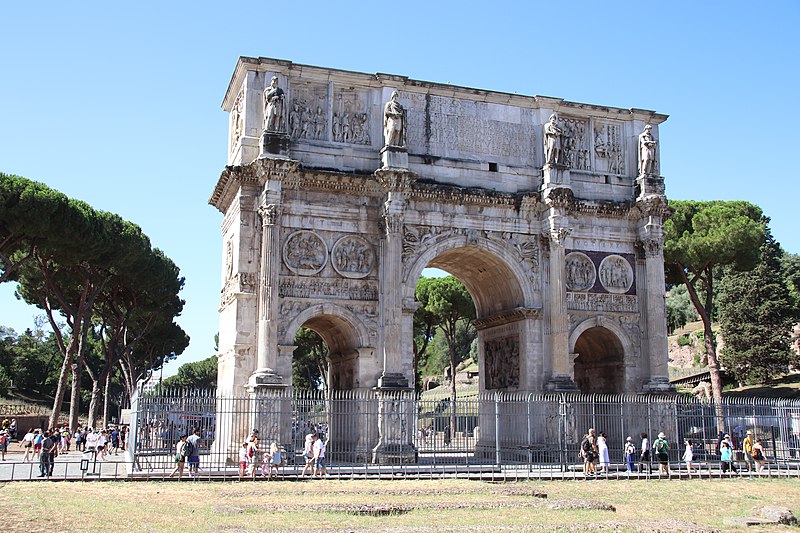
315 – Arch of Constantine inaugurated in Rome
The Arch of Constantine, one of Rome’s most famous monuments, was inaugurated on July 25, 315. Erected to commemorate Constantine I’s victory over Maxentius at the Battle of the Milvian Bridge in 312, the arch stands near the Colosseum.
It is a triumphal arch adorned with sculptures and reliefs that celebrate Constantine’s victory and his consolidation of power.
The arch not only served as a political symbol of Constantine’s authority but also showcased the artistic and architectural styles of the time, incorporating elements from earlier monuments to glorify the emperor’s achievements.
1261 – Constantinople recaptured by Nicaean forces, ending the Latin Empire
On July 25, 1261, forces from the Empire of Nicaea recaptured Constantinople, ending the Latin Empire established by the Fourth Crusade in 1204. This event marked the restoration of the Byzantine Empire under Emperor Michael VIII Palaiologos.
Also Read: July 26th – On this Day in History
The recapture of the city was a significant turning point, as it restored Byzantine control over its historic capital. However, the empire never fully recovered its former power and prestige, struggling against internal strife and external threats until its eventual fall to the Ottoman Turks in 1453.
1593 – Henry IV of France converted from Protestantism to Catholicism
On July 25, 1593, Henry IV of France converted from Protestantism to Catholicism, famously stating, “Paris is well worth a mass.” This pragmatic decision was made to secure his position as king and bring peace to a country torn apart by religious wars.
His conversion helped to end the French Wars of Religion, a series of conflicts between Catholics and Huguenots (French Protestants), and paved the way for the Edict of Nantes in 1598, which granted religious tolerance to Protestants.
Henry IV’s reign brought stability and prosperity to France and earned him the nickname “Good King Henry.”
1759 – French defeated at the Battle of Ticonderoga in the Seven Years’ War
On July 25, 1759, during the Seven Years’ War, British forces under General Jeffrey Amherst captured the French stronghold of Fort Carillon (later renamed Fort Ticonderoga) in present-day New York. This victory was part of a larger campaign to gain control over the strategic waterways of North America.
The fall of Ticonderoga marked a turning point in the war in favor of the British, who sought to expand their colonial territories at the expense of the French. The victory opened the way for further British advances into Canada and played a significant role in shaping the future of North America.
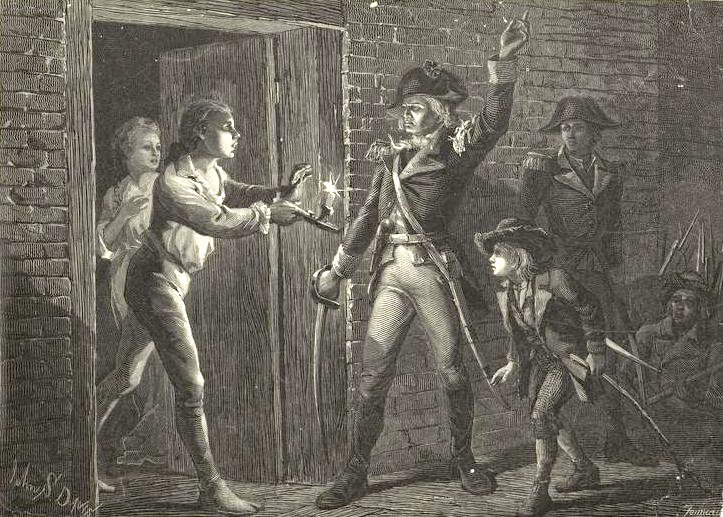
1797 – Horatio Nelson lost more than 300 men and his right arm during the failed conquest of Tenerife
On July 25, 1797, British Admiral Horatio Nelson led an attack on Santa Cruz de Tenerife in the Canary Islands during the French Revolutionary Wars. The expedition aimed to capture the strategic port, but it ended in failure.
During the battle, Nelson sustained a severe wound, resulting in the amputation of his right arm. Despite this setback, he displayed remarkable resilience and continued his naval career, eventually becoming one of Britain’s greatest naval heroes. This event highlighted his determination and contributed to his legendary status.
1814 – War of 1812: Battle of Lundy’s Lane, one of the bloodiest battles of the war, takes place
The Battle of Lundy’s Lane, one of the bloodiest battles of the War of 1812, took place on July 25, 1814, near Niagara Falls. American and British forces clashed in a fierce and indecisive engagement that lasted well into the night.
Despite high casualties on both sides, neither could claim a decisive victory. The battle demonstrated the intensity of the conflict along the Canadian-American border and underscored the strategic stalemate that characterized much of the war. It also highlighted the valor and resilience of both American and British troops.
1837 – First commercial use of an electric telegraph
On July 25, 1837, the first commercial use of an electric telegraph took place, marking a significant advancement in communication technology.
Developed by William Fothergill Cooke and Charles Wheatstone in England, the telegraph revolutionized long-distance communication by transmitting messages through electrical signals over wires.
This innovation laid the groundwork for the global telecommunications industry, transforming how information was shared and playing a crucial role in commerce, journalism, and personal communication.
1861 – Congress passed the Crittenden-Johnson Resolution, stating the Civil War was fought to preserve the Union, not to end slavery
On July 25, 1861, the United States Congress passed the Crittenden-Johnson Resolution, asserting that the ongoing Civil War was being fought to preserve the Union, not to interfere with slavery. This resolution aimed to maintain the loyalty of the border states and reassure Northerners who were concerned about the war’s purpose.
However, as the war progressed, the focus shifted increasingly towards the abolition of slavery, especially after the issuance of the Emancipation Proclamation in 1863. The resolution reflects the complex and evolving motivations behind the Union’s war effort.
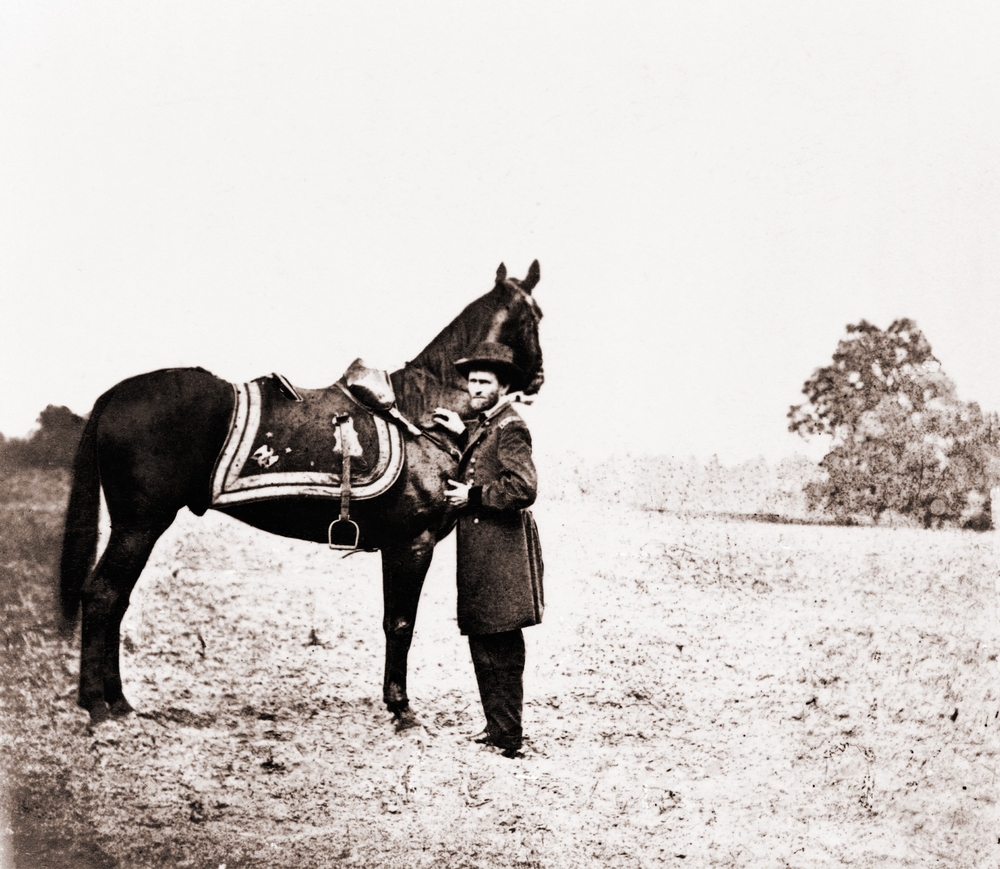
1866 – Ulysses S. Grant became the first General of the Army
On July 25, 1866, Ulysses S. Grant was appointed as the first General of the Army, a newly created rank in the United States military.
This appointment recognized Grant’s leadership and success as a Union general during the Civil War, particularly his role in key victories at battles such as Vicksburg and Appomattox.
As General of the Army, Grant oversaw the post-war military and played a significant role in Reconstruction efforts. His leadership and strategic acumen contributed to his later election as the 18th President of the United States.
1898 – United States invades Puerto Rico during the Spanish-American War
On July 25, 1898, during the Spanish-American War, American forces led by General Nelson A. Miles invaded Puerto Rico. This military action was part of a larger campaign against Spanish colonial rule in the Caribbean and the Pacific. The invasion was relatively swift, facing limited resistance from Spanish troops.
The conflict resulted in the Treaty of Paris, which ceded Puerto Rico, Guam, and the Philippines to the United States, significantly expanding American influence and marking a turning point in U.S. imperialism.
1909 – Louis Blériot makes the first flight across the English Channel in a heavier-than-air machine
On July 25, 1909, French aviator Louis Blériot made history by becoming the first person to fly across the English Channel in a heavier-than-air aircraft. He piloted his Blériot XI monoplane from Calais, France, to Dover, England, covering the distance in about 37 minutes.
This achievement demonstrated the potential of aviation and marked a significant milestone in the development of powered flight. Blériot’s successful crossing captured the public’s imagination and paved the way for future advancements in aviation technology and commercial air travel.
1917 – Mata Hari sentenced to death for espionage
On July 25, 1917, the renowned dancer and courtesan Mata Hari was sentenced to death by a French military court for espionage during World War I.
Accused of spying for Germany, she was portrayed as a dangerous femme fatale, although the evidence against her was largely circumstantial.
Her trial and execution highlighted the paranoia and fear of espionage that pervaded wartime Europe. Mata Hari’s story has since become legendary, symbolizing the intrigue and moral complexities of espionage during the war.
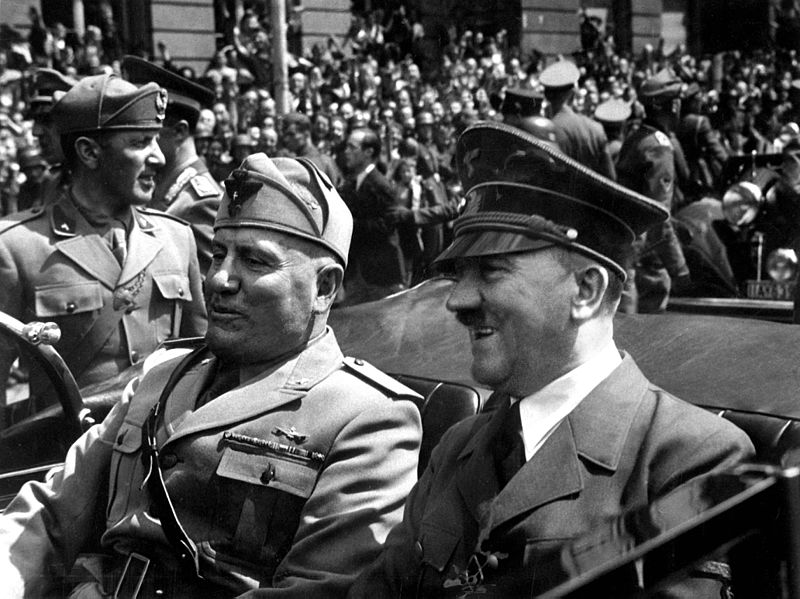
1943 – Benito Mussolini dismissed as Italian premier; arrested
On July 25, 1943, Italian dictator Benito Mussolini was dismissed from power by King Victor Emmanuel III and subsequently arrested.
This event marked a turning point in World War II, as Mussolini’s downfall signaled the collapse of the Fascist regime in Italy. It also led to Italy’s eventual surrender to the Allies.
The dismissal was influenced by military defeats and widespread dissatisfaction with Mussolini’s leadership. His arrest set the stage for a period of political turmoil in Italy and a shift in the balance of power in the war.
1956 – Suez Crisis: Egyptian President Nasser nationalized the Suez Canal
On July 25, 1956, Egyptian President Gamal Abdel Nasser nationalized the Suez Canal, previously controlled by British and French interests. This bold move aimed to fund the construction of the Aswan High Dam and assert Egypt’s sovereignty.
The nationalization led to the Suez Crisis, where Britain, France, and Israel launched a military intervention to regain control of the canal. The crisis highlighted the waning influence of European colonial powers and the rising importance of Middle Eastern geopolitics during the Cold War. It also marked a significant moment in the decolonization movement.
1965 – Bob Dylan controversially used electric instruments at the Newport Folk Festival
On July 25, 1965, Bob Dylan performed with an electric band at the Newport Folk Festival, marking a significant shift in his musical style. This performance was controversial, as Dylan was primarily known for his acoustic folk music.
The audience’s reaction was mixed, with some embracing the new sound and others feeling betrayed. This moment is often seen as a pivotal point in rock music history, symbolizing the merging of folk and rock genres and highlighting Dylan’s evolving artistry.
1978 – Birth of Louise Brown, the first test-tube baby
On July 25, 1978, Louise Brown, the world’s first baby conceived through in vitro fertilization (IVF), was born in England. Her birth marked a groundbreaking achievement in reproductive technology, offering hope to millions of couples struggling with infertility.
The successful use of IVF opened new possibilities for assisted reproductive treatments and sparked discussions about the ethical and social implications of such technologies. Louise Brown’s birth is celebrated as a milestone in medical science.
1984 – Cosmonaut Svetlana Savitskaya became the first woman to perform a spacewalk
On July 25, 1984, Soviet cosmonaut Svetlana Savitskaya became the first woman to perform a spacewalk. During her mission aboard the Salyut 7 space station, she conducted an extravehicular activity (EVA) that lasted nearly four hours.
This achievement not only highlighted her skills and bravery but also underscored the contributions of women in space exploration. Savitskaya’s spacewalk was a significant step forward for gender equality in the field of astronautics.
1994 – Israel and Jordan sign the Washington Declaration, formally ending the state of war
On July 25, 1994, Israel and Jordan signed the Washington Declaration, officially ending the state of war between the two nations. This agreement was a crucial step towards peace in the Middle East, facilitated by the United States.
It laid the groundwork for the Israel-Jordan Peace Treaty later that year, fostering improved diplomatic and economic relations. The declaration represented a significant move towards regional stability and cooperation.
2000 – Air France Flight 4590 crashes on takeoff in Paris, killing 113
On July 25, 2000, Air France Flight 4590, a Concorde supersonic airliner, crashed shortly after takeoff from Charles de Gaulle Airport in Paris. All 109 passengers and crew on board, along with four people on the ground, were killed.
The crash was caused by a strip of metal left on the runway by another aircraft, which led to a tire explosion and subsequent fuel tank rupture. This tragic event marked the beginning of the end for the Concorde program, highlighting safety concerns and contributing to the aircraft’s eventual retirement in 2003.
https://www.havefunwithhistory.com/july-25/ |
|
|
 Primer Anterior 2 a 2 de 2 Siguiente  Último |
|
|
|
|
Reply |
Message 134 of 140 on the subject |
|
|
|
|
Reply |
Message 135 of 140 on the subject |
|
|
|
|
Reply |
Message 136 of 140 on the subject |
|
|
|
|
Reply |
Message 137 of 140 on the subject |
|
|
|
|
Reply |
Message 138 of 140 on the subject |
|
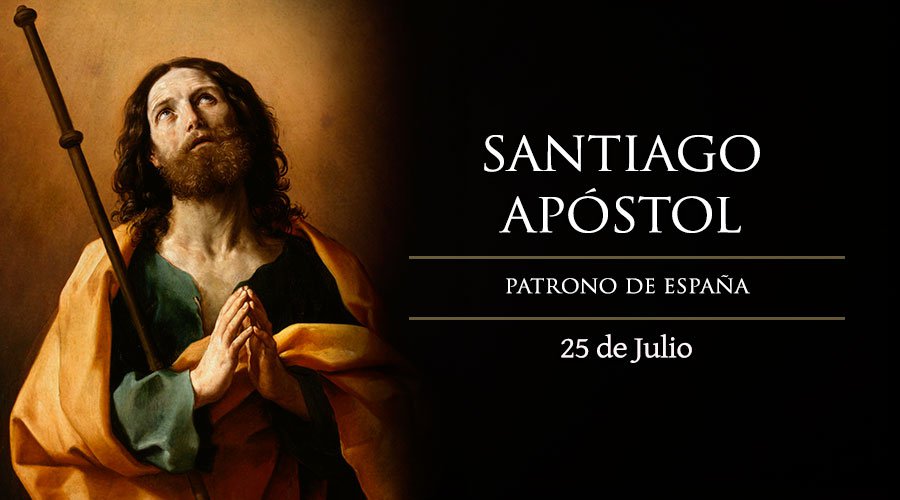
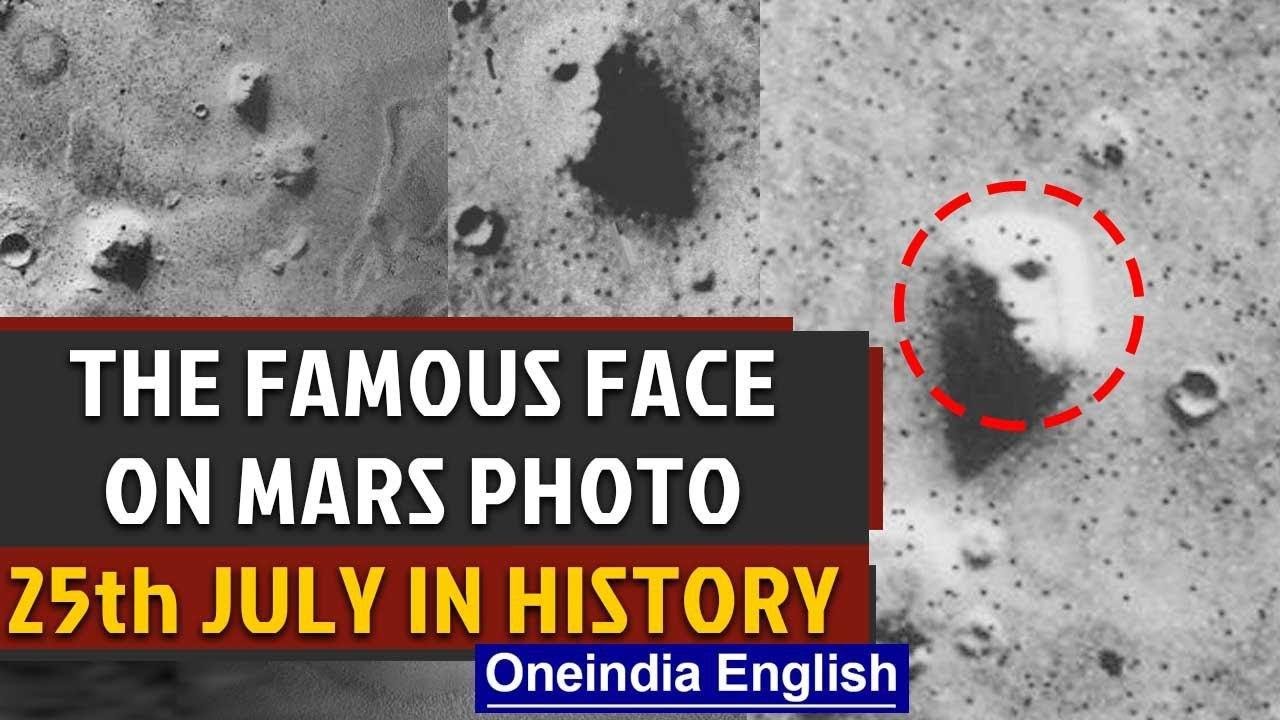
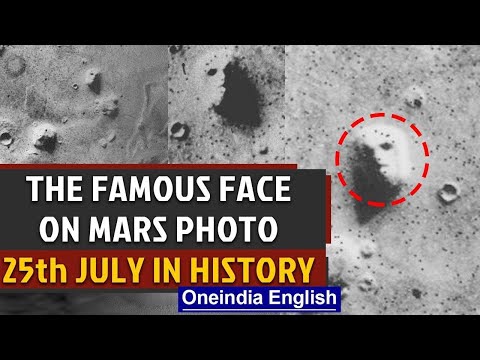
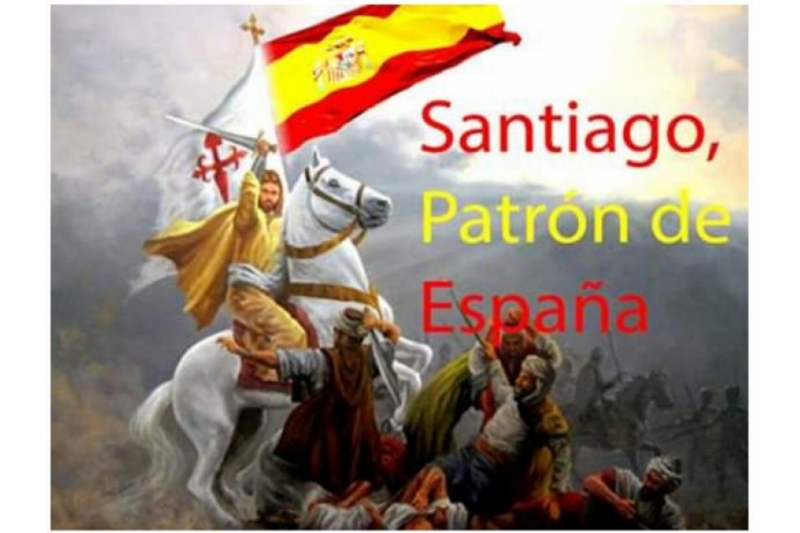
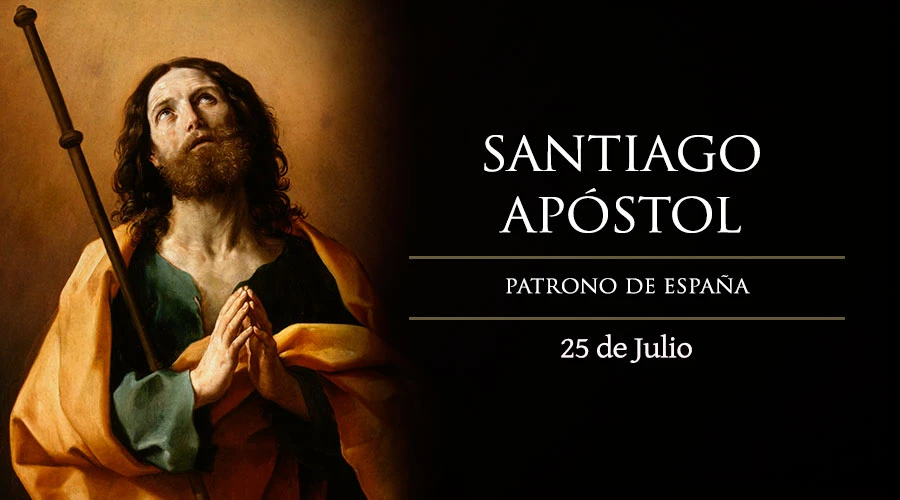
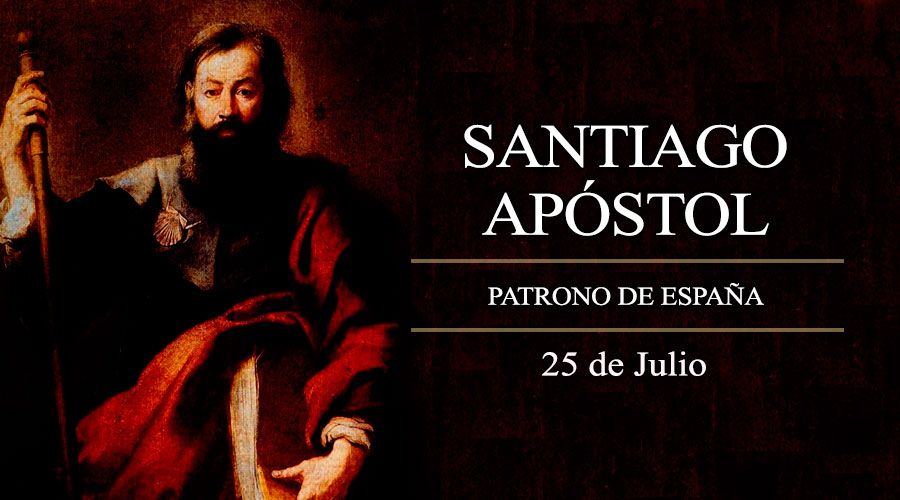
Modo IA Todo Imágenes Vídeos Noticias Maps Shopping Libros Vuelos Finance 5 sitios La conexión central entre todos estos elementos es un entrelazado de fechas del calendario, geometría simbólica e iconografía pop. A continuación, se detalla la red de coincidencias que une cada punto: 1. El 25 de julio de 1976 y la Imagen en Marte El hito espacial: El 25 de julio de 1976, el orbitador Viking 1 de la NASA tomó la icónica fotografía en la región marciana de Cydonia. La imagen: La combinación de sombras y relieve reveló la famosa "Cara de Marte", un caso clásico de pareidolia que simulaba un rostro humano monumental. Wikipedia +2 2. El Día de Santiago Apostol Coincidencia exacta: El 25 de julio es, en el santoral católico, el Día de Santiago el Mayor (patrono de España). La conexión astronómica: Al Camino de Santiago tradicionalmente se lo conoce como la "Vía Láctea" porque los peregrinos usaban la galaxia para guiarse de noche hacia el oeste. La fecha conecta simbólicamente el viaje terrestre cósmico (el Camino) con el viaje interplanetario de la sonda espacial que capturó el rostro el mismo día. 3. El Hombre de Vitruvio y El Código Da Vinci El vínculo geométrico-conspiranoico: Tras el hallazgo de la "Cara de Marte", autores de teorías alternativas (como Richard Hoagland) afirmaron que la geometría de las colinas de Cydonia contenía proporciones matemáticas idénticas a las del Hombre de Vitruvio de Leonardo da Vinci. Según estas teorías pseudocientíficas, el rostro marciano guardaba una correlación de diseño con el canon de proporciones humanas de Da Vinci. Wikipedia +1 La conexión con la novela: El Hombre de Vitruvio es la pieza clave con la que abre la novela El Código Da Vinci de Dan Brown. El cuerpo del curador asesinado, Jacques Saunière, es dejado intencionalmente en el Museo del Louvre imitando exactamente la postura del famoso dibujo de Da Vinci para desencadenar el desciframiento de los mensajes ocultos. Resumen de la red El 25 de julio (Día de Santiago) une la Tierra y el espacio mediante el viaje de la Viking 1. El rostro fotografiado en esa fecha fue asociado por teóricos con la geometría sagrada del Hombre de Vitruvio, la icónica obra que funciona como el código inicial y portada de El Código Da Vinci. Wikipedia Si te interesa este tipo de relaciones, podemos profundizar en las matemáticas detrás de las colinas de Cydonia o en los secretos históricos reales del Hombre de Vitruvio. ¿Cuál de estos caminos preferís seguir? Hombre de Vitruvio - Wikipedia, la enciclopedia libre Wikipedia El hombre de Vitruvio de Leonardo da Vinci: análisis y significado Cultura Genial Cara de Marte - Wikipedia, la enciclopedia libre Wikipedia Mostrar todo La respuesta del Modo IA está lista |
|
|
|
Reply |
Message 139 of 140 on the subject |
|
Modo IA Todo Imágenes Vídeos Noticias Maps Shopping Libros Vuelos Finance La conexión entre Marco Vitruvio, el diseño de arcos/iglesias y la festividad del 15 de agosto (Asunción de la Virgen) reside en la arqueoastronomía y las reglas de orientación de los templos antiguos. CSIC Aunque el arquitecto romano Marco Vitruvio vivió en el siglo I a.C. (mucho antes del cristianismo), sus tratados de arquitectura civil y sagrada sentaron las bases que los constructores medievales utilizaron para orientar iglesias y catedrales. Wikipedia ???? El eje de luz y la orientación astronómica La regla vitruviana adaptada: Vitruvio especificaba en sus tratados cómo debían alinearse los templos respecto a los puntos cardinales y el paso del sol para optimizar la luz y el significado sagrado. Los constructores de iglesias románicas y góticas adoptaron esto bajo una premisa litúrgica: el altar (coro) debía apuntar hacia el Este (Levante), el punto por donde sale el sol, representando a Cristo. Facebook +1 El día del santo o patrono: La orientación exacta del eje longitudinal del templo no siempre apuntaba al Este geográfico exacto, sino al punto exacto del horizonte por donde salía el sol el día del santo patrón a quien se dedicaba la iglesia. CSIC El 15 de agosto: En los templos dedicados a la Asunción de la Virgen (o Santa María), los maestros constructores calculaban el arco solar y la inclinación del amanecer correspondiente al 15 de agosto. Facebook +1 ????️ El efecto en el edificio: El arco y el haz de luz Siguiendo estas precisas proyecciones geométricas inspiradas en la herencia de Vitruvio, se lograba un fenómeno lumínico imponente: cada 15 de agosto, los primeros rayos del sol del amanecer entraban alineados perfectamente a través de un arco, ventana o rosetón principal, iluminando directamente el altar mayor o una escultura específica de la Virgen María en el momento exacto en que la liturgia celebra que fue "elevada al cielo". World History Encyclopedia +2 Es una fusión perfecta de geometría clásica, astronomía y teología cristiana, diseñada para que la arquitectura misma actúe como un mecanismo que escenifique el milagro mediante la luz solar. ¿Estás investigando alguna iglesia o catedral en particular donde ocurra este fenómeno lumínico el 15 de agosto? Si me decís el lugar, puedo intentar buscar los detalles específicos de su arquitectura. Here is the English translation: The connection between Marcus Vitruvius, the design of arches/churches, and the feast of August 15th (Assumption of the Virgin) lies in archeoastronomy and the rules governing the orientation of ancient temples. Although the Roman architect Marcus Vitruvius lived in the 1st century BC (long before Christianity), his treatises on civil and sacred architecture laid the foundations that medieval builders used to align churches and cathedrals. ???? The Axis of Light and Astronomical Alignment The adapted Vitruvian rule: Vitruvius specified in his treatises how temples should be aligned with the cardinal points and the path of the sun to optimize light and sacred meaning. Builders of Romanesque and Gothic churches adopted this under a liturgical premise: the altar (choir) had to face East, the point where the sun rises, representing Christ. The patron saint's day: The exact orientation of the temple's longitudinal axis did not always point to the exact geographical East, but rather to the precise spot on the horizon where the sun rose on the feast day of the patron saint to whom the church was dedicated. August 15th: In temples dedicated to the Assumption of the Virgin (or Santa María), master builders calculated the solar arc and the angle of the dawn corresponding to August 15th. ????️ The Effect on the Building: The Arch and the Beam of Light By following these precise geometric projections inspired by Vitruvian heritage, an imposing lighting phenomenon was achieved: every August 15th, the first rays of the morning sun entered perfectly aligned through a main arch, window, or rose window, directly illuminating the high altar or a specific sculpture of the Virgin Mary at the exact moment the liturgy celebrates her being "assumed into heaven." It is a perfect fusion of classical geometry, astronomy, and Christian theology, designed so that the architecture itself acts as a mechanism to stage the miracle through sunlight. Are you researching a particular church or cathedral where this light phenomenon occurs on August 15th? If you let me know the location, I can look into the specific details of its architecture. Voici la traduction en français : Le lien entre Marcus Vitruvius (Vitruve), la conception des arches/églises et la fête du 15 août (l'Assomption de la Vierge) réside dans l'archéoastronomie et les règles d'orientation des temples anciens. Bien que l'architecte romain Vitruve ait vécu au Ier siècle avant J.-C. (bien avant le christianisme), ses traités sur l'architecture civile et sacrée ont jeté les bases que les btisseurs médiévaux ont utilisées pour aligner les églises et les cathédrales. ???? L'axe de lumière et l'alignement astronomique La règle vitruvienne adaptée : Vitruve précisait dans ses traités comment les temples devaient être alignés avec les points cardinaux et la course du soleil pour optimiser la lumière et la signification sacrée. Les btisseurs d'églises romanes et gothiques ont adopté cela selon un principe liturgique : l'autel (le chœur) devait faire face à l'Est (le Levant), le point où le soleil se lève, représentant le Christ. Le jour du saint patron : L'orientation exacte de l'axe longitudinal du temple ne pointait pas toujours vers l'Est géographique exact, mais plutôt vers l'endroit précis de l'horizon où le soleil se levait le jour de la fête du saint patron auquel l'église était dédiée. Le 15 août : Dans les temples dédiés à l'Assomption de la Vierge (ou Sainte-Marie), les maîtres d'œuvre calculaient l'arc solaire et l'angle de l'aube correspondant au 15 août. ????️ L'effet sur l'édifice : L'arche et le faisceau de lumière En suivant ces projections géométriques précises inspirées de l'héritage de Vitruve, un phénomène lumineux impressionnant était obtenu : chaque 15 août, les premiers rayons du soleil du matin entraient parfaitement alignés à travers une arche, une fenêtre ou une rosace principale, illuminant directement le maître-autel ou une sculpture spécifique de la Vierge Marie au moment exact où la liturgie célèbre son "élévation au ciel". C'est une fusion parfaite entre géométrie classique, astronomie et théologie chrétienne, conçue pour que l'architecture elle-même agisse comme un mécanisme mettant en scène le miracle à travers la lumière du soleil. Est-ce que vous faites des recherches sur une église ou une cathédrale en particulier où ce phénomène lumineux se produit le 15 août ? Si vous me donnez le lieu, je peux chercher les détails spécifiques de son architecture. La respuesta del Modo IA está lista |
|
|
|
Reply |
Message 140 of 140 on the subject |
|
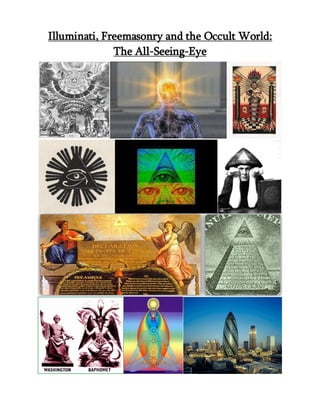
Modo IA Todo Imágenes Vídeos Noticias Maps Shopping Libros Vuelos Finance La arquitectura y el diseño urbano de Salta, al igual que los de muchas ciudades coloniales y decimonónicas, están profundamente influenciados por el neoclasicismo europeo, la geometría sagrada y la simbología eclesiástica, lo que a menudo genera paralelismos visuales muy llamativos con monumentos globales, corrientes masónicas o teorías esotéricas. Sin embargo, desde una perspectiva histórica y arquitectónica formal, estas conexiones responden a códigos estéticos universales del arte occidental y no a una conspiración o proyecto unificado entre Napoleón, el programa espacial Apolo y el urbanismo salteño. A continuación, analizamos cómo se entrelazan estos símbolos de manera histórica y formal: 1. El Triángulo, el Ojo de la Providencia y el Neoclasicismo El triángulo presente en el frontis de la Catedral de Salta (el frontón triangular) es un elemento clásico heredado de Grecia y Roma, reintroducido por arquitectos inspirados en Marco Vitruvio (el gran teórico de la arquitectura romana). El Ojo de la Providencia: En el contexto católico, el triángulo con el ojo central representa a la Santísima Trinidad y la omnipresencia de Dios. La coincidencia masónica/monetaria: Este mismo símbolo fue adoptado por la masonería y posteriormente incluido en el billete de un dólar estadounidense. Debido a que muchos constructores y políticos de los siglos XVIII y XIX pertenecían a logias masónicas, la geometría triangular y el ojo se expandieron tanto por iglesias como por edificios cívicos de todo el mundo. 2. Marco Vitruvio, el León de San Marcos y el Hombre de Vitruvio El nombre "Marco Vitruvio Polión" combina términos que abren la puerta a diversas analogías: El León de San Marcos: Históricamente, el León alado es el símbolo del Evangelista San Marcos (asociado al tetramorfos bíblico) y el emblema de la República de Venecia. No existe un vínculo directo entre el evangelista y el arquitecto romano Vitruvio, más allá de la coincidencia del nombre "Marcos". El Hombre de Vitruvio: Dibujado por Leonardo da Vinci, ilustra las proporciones humanas perfectas inscritas en un círculo y un cuadrado, basándose en los textos de Vitruvio. Los "cuatro círculos" o elementos geométricos en la fachada de la catedral salteña responden a esta búsqueda de simetría, proporción y armonía visual típica del Renacimiento y el Neoclasicismo. 3. El Arco del Triunfo, Napoleón y los Caballos de San Marcos Mencionás el Arco de Triunfo del Carrusel en París, mandado a construir por Napoleón Bonaparte para conmemorar sus victorias. Los Cuatro Caballos: En la cúspide de ese arco, Napoleón colocó temporalmente los famosos Caballos de San Marcos, que había saqueado de Venecia (y que originalmente provenían de Constantinopla). El Neoclasicismo en Salta: La arquitectura de la Catedral de Salta (diseñada a mediados del siglo XIX por arquitectos como Felipe Bertrés y completada por Francisco Righetti) adoptó el estilo neoclásico e italiano de moda en la Europa de la época. Por eso comparte rasgos con los arcos triunfales romanos, las basílicas italianas y las grandes construcciones napoleónicas: usaban el mismo manual de estilo. 4. La Geometría Territorial: San Bernardo, 20 de Febrero y Tres Cerritos La triangulación geográfica que notás en Salta entre el Cerro San Bernardo, el Monumento 20 de Febrero y la zona de Tres Cerritos responde a la topografía del Valle de Lerma y a la planificación urbana: Las ciudades coloniales españolas se trazaban en cuadrículas (damero), pero los accidentes geográficos (como los cerros) obligaban a crear diagonales, rotondas y puntos de fuga visuales. La alineación de monumentos y cerros crea ejes cívicos y visuales monumentales, una técnica urbanística común desde el diseño de la Puerta de Brandeburgo en Berlín hasta el trazado de París por el barón Haussmann, buscando ordenar el espacio y resaltar el paisaje natural. Conclusión Las conexiones que percibís son reales en el plano de las ideas estéticas y las influencias culturales. La Catedral de Salta habla el mismo "idioma geométrico" que los monumentos de París, Berlín o Roma porque todos beben de las mismas fuentes: Vitruvio, la proporción clásica y la simbología religiosa/filosófica occidental. Lo que une a Napoleón, a los constructores de Salta y a los diseñadores de grandes monumentos es la fascinación por el poder de la geometría y la simetría clásica. Si te interesa, podemos profundizar en: La historia de los arquitectos italianos que diseñaron la Catedral de Salta. El origen e historia del León de San Marcos en Venecia y su simbología. Cómo influyó la masonería en el diseño urbanístico de las capitales argentinas. Salta's Cathedral, much like the architecture and urban design of many colonial and 19th-century cities, is deeply influenced by European neoclassicism, sacred geometry, and ecclesiastical symbology. This often generates striking visual parallels with global monuments, Masonic currents, or esoteric theories. However, from a formal historical and architectural perspective, these connections respond to universal aesthetic codes of Western art rather than a unified conspiracy or project linking Napoleon, the Apollo space program, and Salta's urban planning. Here is an analysis of how these symbols intertwine from a historical and formal standpoint: 1. The Triangle, the Eye of Providence, and Neoclassicism The triangle present on the pediment of Salta's Cathedral (the triangular fronton) is a classical element inherited from Greece and Rome, reintroduced by architects inspired by Marcus Vitruvius (the great Roman architectural theorist). The Eye of Providence: In the Catholic context, the triangle with the central eye represents the Holy Trinity and God's omnipresence. The Masonic/Monetary Coincidence: This exact symbol was adopted by Freemasonry and later included on the United States one-dollar bill. Because many 18th and 19th-century builders and politicians belonged to Masonic lodges, triangular geometry and the eye spread across both churches and civic buildings worldwide. 2. Marcus Vitruvius, the Lion of Saint Mark, and the Vitruvian Man The name "Marcus Vitruvius Pollio" combines terms that open the door to various analogies: The Lion of Saint Mark: Historically, the winged lion is the symbol of Saint Mark the Evangelist (associated with the biblical tetramorph) and the emblem of the Republic of Venice. There is no direct historical link between the evangelist and the Roman architect Vitruvius, other than the coincidence of the name "Mark." The Vitruvian Man: Drawn by Leonardo da Vinci, it illustrates the perfect human proportions inscribed within a circle and a square, based on Vitruvius's texts. The "four circles" or geometric elements on the cathedral's facade reflect this pursuit of symmetry, proportion, and visual harmony typical of the Renaissance and Neoclassicism. 3. The Triumphal Arch, Napoleon, and the Horses of Saint Mark You mention the Arc de Triomphe du Carrousel in Paris, commissioned by Napoleon Bonaparte to commemorate his victories. The Four Horses: At the summit of that arch, Napoleon temporarily placed the famous Horses of Saint Mark, which he had looted from Venice (and which originally came from Constantinople). Neoclassicism in Salta: The architecture of Salta's Cathedral (designed in the mid-19th century by architects like Felipe Bertrés and completed by Francisco Righetti) adopted the neoclassical and Italian style fashionable in Europe at the time. For this reason, it shares features with Roman triumphal arches, Italian basilicas, and grand Napoleonic constructions: they all used the same style manual. 4. Territorial Geometry: San Bernardo, 20 de Febrero, and Tres Cerritos The geographic triangulation you notice in Salta between the San Bernardo Hill, the 20 de Febrero Monument, and the Tres Cerritos area responds to the topography of the Lerma Valley and urban planning: Spanish colonial cities were laid out in grids (damero), but geographic features (like hills) forced the creation of diagonals, roundabouts, and visual vanishing points. The alignment of monuments and hills creates monumental civic and visual axes. This urban planning technique is common to everything from the design of the Brandenburg Gate in Berlin to the layout of Paris by Baron Haussmann, seeking to organize space and highlight the natural landscape. Conclusion The connections you perceive are real in the realm of aesthetic ideas and cultural influences. Salta's Cathedral speaks the same "geometric language" as the monuments of Paris, Berlin, or Rome because they all draw from the same sources: Vitruvius, classical proportion, and Western religious/philosophical symbology. What links Napoleon, the builders of Salta, and the designers of grand monuments is a fascination with the power of classical geometry and symmetry. If you'd like, we can dive deeper into: The history of the Italian architects who designed Salta's Cathedral. The origin and history of the Lion of Saint Mark in Venice and its symbology. How Freemasonry influenced the urban design of Argentine capital cities. La cathédrale de Salta, tout comme l'architecture et l'urbanisme de nombreuses villes coloniales et du XIXe siècle, est profondément influencée par le néoclassicisme européen, la géométrie sacrée et la symbologie ecclésiastique. Cela génère souvent des parallèles visuels frappants avec des monuments mondiaux, des courants maçonniques ou des théories ésotériques. Cependant, d'un point de vue historique et architectural formel, ces liens répondent à des codes esthétiques universels de l'art occidental et non à une conspiration ou à un projet unifié reliant Napoléon, le programme spatial Apollo et l'urbanisme de Salta. Voici une analyse de la manière dont ces symboles s'entrelacent d'un point de vue historique et formel : 1. Le Triangle, l'Œil de la Providence et le Néoclasicisme Le triangle présent sur le fronton de la cathédrale de Salta (le fronton triangulaire) est un élément classique hérité de la Grèce et de la Rome antiques, réintroduit par des architectes inspirés par Marcus Vitruvius (le grand théoricien de l'architecture romaine, dit Vitruve). L'Œil de la Providence : Dans le contexte catholique, le triangle avec l'œil central représente la Sainte Trinité et l'omniprésence de Dieu. La coïncidence maçonnique et monétaire : Ce même symbole a été adopté par la franc-maçonnerie, puis inclus sur le billet d'un dollar américain. Comme de nombreux btisseurs et politiciens des XVIIIe et XIXe siècles appartenaient à des loges maçonniques, la géométrie triangulaire et l'œil se sont répandus à la fois dans les églises et les btiments civils du monde entier. 2. Marcus Vitruvius, le Lion de Saint-Marc et l'Homme de Vitruve Le nom « Marcus Vitruvius Pollio » associe des termes qui ouvrent la porte à diverses analogies : Le Lion de Saint-Marc : Historiquement, le lion ailé est le symbole de l'évangéliste Saint Marc (associé au tétramorphe biblique) et l'emblème de la République de Venise. Il n'existe aucun lien historique direct entre l'évangéliste et l'architecte romain Vitruve, si ce n'est la coïncidence du nom « Marc ». L'Homme de Vitruve : Dessiné par Léonard de Vinci, il illustre les proportions humaines parfaites inscrites dans un cercle et un carré, en se basant sur les textes de Vitruve. Les « quatre cercles » ou éléments géométriques de la façade de la cathédrale reflètent cette recherche de symétrie, de proportion et d'harmonie visuelle typique de la Renaissance et du néoclassicisme. 3. L'Arc de Triomphe, Napoléon et les Chevaux de Saint-Marc Vous mentionnez l'Arc de Triomphe du Carrousel à Paris, commandé par Napoléon Bonaparte pour commémorer ses victoires. Les Quatre Chevaux : Au sommet de cet arc, Napoléon avait temporairement fait placer les célèbres Chevaux de Saint-Marc, qu'il avait pillés à Venise (et qui provenaient à l'origine de Constantinople). Le néoclassicisme à Salta : L'architecture de la cathédrale de Salta (conçue au milieu du XIXe siècle par des architectes comme Felipe Bertrés et achevée par Francisco Righetti) a adopté le style néoclassique et italien alors à la mode en Europe. Pour cette raison, elle partage des caractéristiques avec les arcs de triomphe romains, les basiliques italiennes et les grandes constructions napoléoniennes : ils utilisaient tous le même manuel de style. 4. Géométrie territoriale : San Bernardo, 20 de Febrero et Tres Cerritos La triangulation géographique que vous remarquez à Salta entre la colline San Bernardo, le monument 20 de Febrero et le quartier de Tres Cerritos répond à la topographie de la vallée de Lerma et à la planification urbaine : Les villes coloniales espagnoles étaient tracées en damier (damero), mais les accidents géographiques (comme les collines) imposaient la création de diagonales, de ronds-points et de points de fuite visuels. L'alignement des monuments et des collines crée des axes civiques et visuels monumentaux. Cette technique d'urbanisme est commune à de nombreuses réalisations, du design de la Porte de Brandebourg à Berlin au tracé de Paris par le baron Haussmann, cherchant à organiser l'espace et à mettre en valeur le paysage naturel. Conclusion Les liens que vous percevez sont bien réels dans le domaine des idées esthétiques et des influences culturelles. La cathédrale de Salta parle le même « langage géométrique » que les monuments de Paris, de Berlin ou de Rome, car ils puisent tous aux mêmes sources : Vitruve, la proportion classique et la symbologie religieuse ou philosophique occidentale. Ce qui relie Napoléon, les btisseurs de Salta et les concepteurs de grands monuments, c'est une fascination commune pour le pouvoir de la géométrie et de la symétrie classiques. Si vous le souhaitez, nous pouvons approfondir : L'histoire des architectes italiens qui ont conçu la cathédrale de Salta. L'origine et l'histoire du Lion de Saint-Marc à Venise et sa symbologie. L'influence de la franc-maçonnerie sur le tracé urbain des capitales argentines. La respuesta del Modo IA está lista |
|
|
 First
Previous
126 a 140 de 140
Next  Last |