|
|
General: EASTER SUNDAY APRIL 20 2025 (HITLER S BIRTHDAY HOMILY POPE FRANCIS MAGDALENE
Choose another message board |
|
Reply |
Message 1 of 23 on the subject |
|
https://www.vatican.va/content/francesco/en/homilies/2025/documents/20250420-omelia-pasqua.html
EASTER SUNDAY
MASS OF THE DAY
HOMILY OF HIS HOLINESS POPE FRANCIS
READ BY CARDINAL ANGELO COMASTRI
Saint Peter's Square
Easter Sunday, 20 April 2025
[Multimedia]
_____________________________________
Mary Magdalene, seeing that the stone of the tomb had been rolled away, ran to tell Peter and John. After receiving the shocking news, the two disciples also went out and — as the Gospel says — “the two were running together” (Jn 20:4). The main figures of the Easter narratives all ran! On the one hand, “running” could express the concern that the Lord’s body had been taken away; but, on the other hand, the haste of Mary Magdalene, Peter and John expresses the desire, the yearning of the heart, the inner attitude of those who set out to search for Jesus. He, in fact, has risen from the dead and therefore is no longer in the tomb. We must look for him elsewhere.
This is the message of Easter: we must look for him elsewhere. Christ is risen, he is alive! He is no longer a prisoner of death, he is no longer wrapped in the shroud, and therefore we cannot confine him to a fairy tale, we cannot make him a hero of the ancient world, or think of him as a statue in a museum! On the contrary, we must look for him and this is why we cannot remain stationary. We must take action, set out to look for him: look for him in life, look for him in the faces of our brothers and sisters, look for him in everyday business, look for him everywhere except in the tomb.
We must look for him without ceasing. Because if he has risen from the dead, then he is present everywhere, he dwells among us, he hides himself and reveals himself even today in the sisters and brothers we meet along the way, in the most ordinary and unpredictable situations of our lives. He is alive and is with us always, shedding the tears of those who suffer and adding to the beauty of life through the small acts of love carried out by each of us.
For this reason, our Easter faith, which opens us to the encounter with the risen Lord and prepares us to welcome him into our lives, is anything but a complacent settling into some sort of “religious reassurance.” On the contrary, Easter spurs us to action, to run like Mary Magdalene and the disciples; it invites us to have eyes that can “see beyond,” to perceive Jesus, the one who lives, as the God who reveals himself and makes himself present even today, who speaks to us, goes before us, surprises us. Like Mary Magdalene, every day we can experience losing the Lord, but every day we can also run to look for him again, with the certainty that he will allow himself to be found and will fill us with the light of his resurrection.
Brothers and sisters, this is the greatest hope of our life: we can live this poor, fragile and wounded existence clinging to Christ, because he has conquered death, he conquers our darkness and he will conquer the shadows of the world, to make us live with him in joy, forever. This is the goal towards which we press on, as the Apostle Paul says, forgetting what lies behind and straining forward to what lies ahead (cf. Phil 3:12-14). Like Mary Magdalene, Peter and John, we hasten to meet Christ.
The Jubilee invites us to renew the gift of hope within us, to surrender our sufferings and our concerns to hope, to share it with those whom we meet along our journey and to entrust to hope the future of our lives and the destiny of the human family. And so we cannot settle for the fleeting things of this world or give in to sadness; we must run, filled with joy. Let us run towards Jesus, let us rediscover the inestimable grace of being his friends. Let us allow his Word of life and truth to shine in our life. As the great theologian Henri de Lubac said, “It should be enough to understand this: Christianity is Christ. No, truly, there is nothing else but this. In Christ we have everything” (Les responsabilités doctrinales des catholiques dans le monde d'aujourd'hui, Paris 2010, 276).
And this “everything” that is the risen Christ opens our life to hope. He is alive, he still wants to renew our life today. To him, conqueror of sin and death, we want to say:
“Lord, on this feast day we ask you for this gift: that we too may be made new, so as to experience this eternal newness. Cleanse us, O God, from the sad dust of habit, tiredness and indifference; give us the joy of waking every morning with wonder, with eyes ready to see the new colours of this morning, unique and unlike any other. […] Everything is new, Lord, and nothing is the same, nothing is old” (A. Zarri, Quasi una preghiera).
Sisters, brothers, in the wonder of the Easter faith, carrying in our hearts every expectation of peace and liberation, we can say: with You, O Lord, everything is new. With you, everything begins again.
https://www.vatican.va/content/francesco/en/homilies/2025/documents/20250420-omelia-pasqua.html |
|
|
|
Reply |
Message 9 of 23 on the subject |
|
FRANCE S FLAG DA VINCI CODE
|
|
|
|
Reply |
Message 10 of 23 on the subject |
|
WEDNESDAY APRIL 23=SAINT GEORGE
FRIDAY APRIL 25=SAINT MARK (VENICE) |
|
|
|
Reply |
Message 11 of 23 on the subject |
|
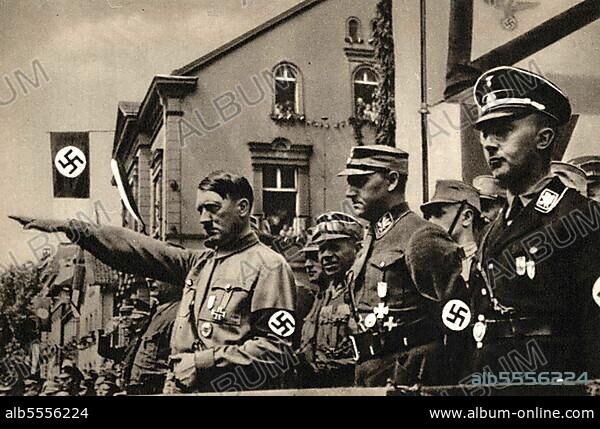
Adolf Hitler (* 20 April 1889 in Braunau am Inn) († 30 April 1945 Berlin), Leader of the Nazi Party, Reich Chancellor from 1933, also self-appointed "Fuehrer" and head of state of Germany.
https://www.album-online.com/detail/es/YTRkYWI0MA/adolf-hitler-april-1889-braunau-am-inn-1945-berlin-leader-alb5556224
EASTER SUNDAY
Mary Magdalene, seeing that the stone of the tomb had been rolled away, ran to tell Peter and John. After receiving the shocking news, the two disciples also went out and — as the Gospel says — “the two were running together” (Jn 20:4). The main figures of the Easter narratives all ran! On the one hand, “running” could express the concern that the Lord’s body had been taken away; but, on the other hand, the haste of Mary Magdalene, Peter and John expresses the desire, the yearning of the heart, the inner attitude of those who set out to search for Jesus. He, in fact, has risen from the dead and therefore is no longer in the tomb. We must look for him elsewhere.
This is the message of Easter: we must look for him elsewhere. Christ is risen, he is alive! He is no longer a prisoner of death, he is no longer wrapped in the shroud, and therefore we cannot confine him to a fairy tale, we cannot make him a hero of the ancient world, or think of him as a statue in a museum! On the contrary, we must look for him and this is why we cannot remain stationary. We must take action, set out to look for him: look for him in life, look for him in the faces of our brothers and sisters, look for him in everyday business, look for him everywhere except in the tomb.
We must look for him without ceasing. Because if he has risen from the dead, then he is present everywhere, he dwells among us, he hides himself and reveals himself even today in the sisters and brothers we meet along the way, in the most ordinary and unpredictable situations of our lives. He is alive and is with us always, shedding the tears of those who suffer and adding to the beauty of life through the small acts of love carried out by each of us.
For this reason, our Easter faith, which opens us to the encounter with the risen Lord and prepares us to welcome him into our lives, is anything but a complacent settling into some sort of “religious reassurance.” On the contrary, Easter spurs us to action, to run like Mary Magdalene and the disciples; it invites us to have eyes that can “see beyond,” to perceive Jesus, the one who lives, as the God who reveals himself and makes himself present even today, who speaks to us, goes before us, surprises us. Like Mary Magdalene, every day we can experience losing the Lord, but every day we can also run to look for him again, with the certainty that he will allow himself to be found and will fill us with the light of his resurrection.
Brothers and sisters, this is the greatest hope of our life: we can live this poor, fragile and wounded existence clinging to Christ, because he has conquered death, he conquers our darkness and he will conquer the shadows of the world, to make us live with him in joy, forever. This is the goal towards which we press on, as the Apostle Paul says, forgetting what lies behind and straining forward to what lies ahead (cf. Phil 3:12-14). Like Mary Magdalene, Peter and John, we hasten to meet Christ.
The Jubilee invites us to renew the gift of hope within us, to surrender our sufferings and our concerns to hope, to share it with those whom we meet along our journey and to entrust to hope the future of our lives and the destiny of the human family. And so we cannot settle for the fleeting things of this world or give in to sadness; we must run, filled with joy. Let us run towards Jesus, let us rediscover the inestimable grace of being his friends. Let us allow his Word of life and truth to shine in our life. As the great theologian Henri de Lubac said, “It should be enough to understand this: Christianity is Christ. No, truly, there is nothing else but this. In Christ we have everything” (Les responsabilités doctrinales des catholiques dans le monde d'aujourd'hui, Paris 2010, 276).
And this “everything” that is the risen Christ opens our life to hope. He is alive, he still wants to renew our life today. To him, conqueror of sin and death, we want to say:
“Lord, on this feast day we ask you for this gift: that we too may be made new, so as to experience this eternal newness. Cleanse us, O God, from the sad dust of habit, tiredness and indifference; give us the joy of waking every morning with wonder, with eyes ready to see the new colours of this morning, unique and unlike any other. […] Everything is new, Lord, and nothing is the same, nothing is old” (A. Zarri, Quasi una preghiera).
Sisters, brothers, in the wonder of the Easter faith, carrying in our hearts every expectation of peace and liberation, we can say: with You, O Lord, everything is new. With you, everything begins again.
https://www.vatican.va/content/francesco/en/homilies/2025/documents/20250420-omelia-pasqua.html |
|
|
 Primer Anterior 2 a 10 de 10 Siguiente  Último |
|
|
|
|
Reply |
Message 12 of 23 on the subject |
|
|
|
|
Reply |
Message 13 of 23 on the subject |
|
|
|
Pope Francis leads tributes to former Pope Benedict, who died age 95
•https://www.euronews.com/2022/12/31/former-pope-benedict-xvi-has-died-age-95 |
|
|
|
|
|
|
Reply |
Message 14 of 23 on the subject |
|
|
|
|
Reply |
Message 15 of 23 on the subject |
|
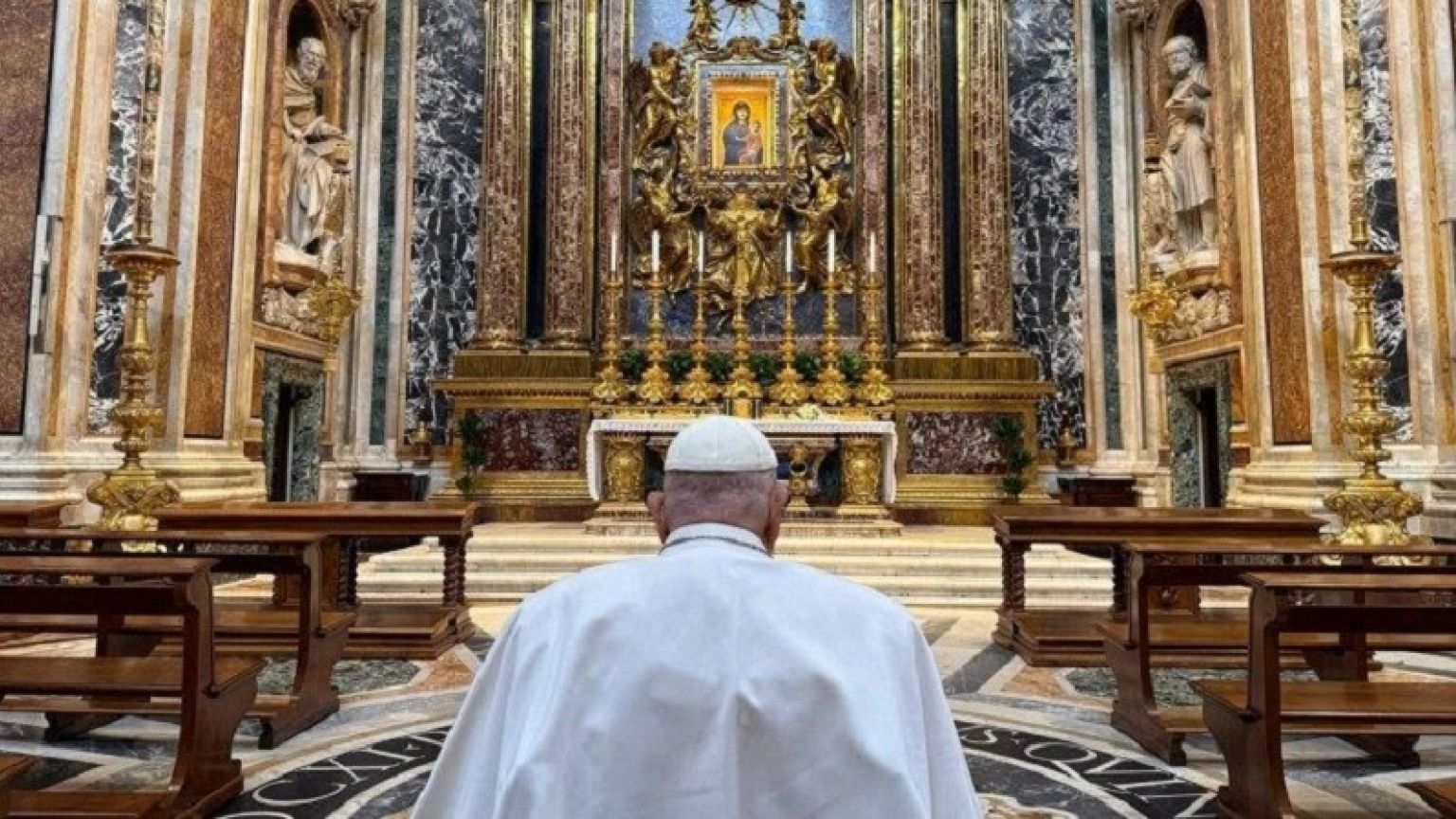
A still recovering Pope Francis makes surprise visit to basilica Santa Maria Maggiore in Rome
By Euronews
Published on 12/04/2025 - 20:09 GMT+2•Updated 20:13
On Saturday afternoon Pope Francis went to the basilica of Santa Maria Maggiore to pray.
In another surprise visit by Pope Francis early Saturday afternoon, Vatican sources confirmed that the Pontiff visited the basilica of Santa Maria Maggiore in Rome and stopped to pray before the icon of the Virgin, Salus Populi Romani, on the eve of Palm Sunday and Holy Week.
The Pope's previous surprise events
On Thursday, Pope Francis visited St. Peter's Basilica to check the progress of the restoration of two funerary monuments, those of Popes Paul III and Urban VIII, whose works will be presented on Sunday.
Before moving on to the tomb of Pius X, where he gathered in prayer, the pope, who was wearing trousers and a poncho instead of his usual white suit, met two restorers who were on site to carry out the final touches. He had them called by the Vatican gendarmerie and thanked them in person.
The Pope is still recovering after a long stay at the Gemelli polyclinic with double pneumonia. Nonetheless, he met the British royals on Wednesday during an unscheduled interview as they visited Rome. Last Sunday, he appeared in St. Peter's Square at the end of the mass for the Jubilee of the sick and healthcare workers.
https://www.euronews.com/2025/04/12/a-still-recovering-pope-francis-makes-surprise-visit-to-basilica-santa-maria-maggiore-in-r |
|
|
|
Reply |
Message 16 of 23 on the subject |
|
|
|
|
Reply |
Message 17 of 23 on the subject |
|
|
|
|
Reply |
Message 18 of 23 on the subject |
|
|
|
|
Reply |
Message 19 of 23 on the subject |
|
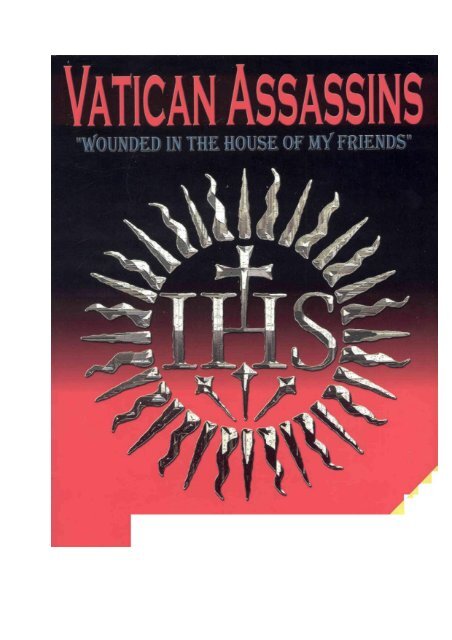
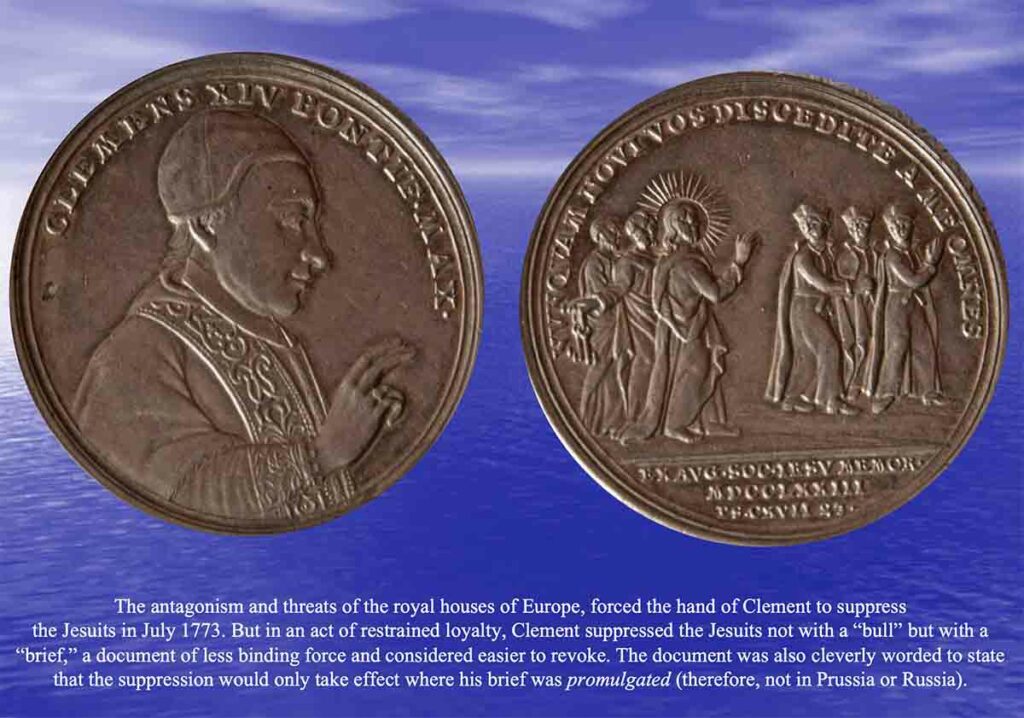
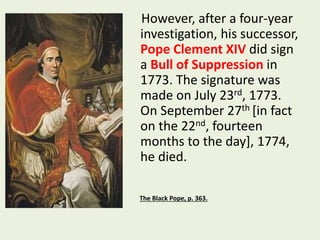
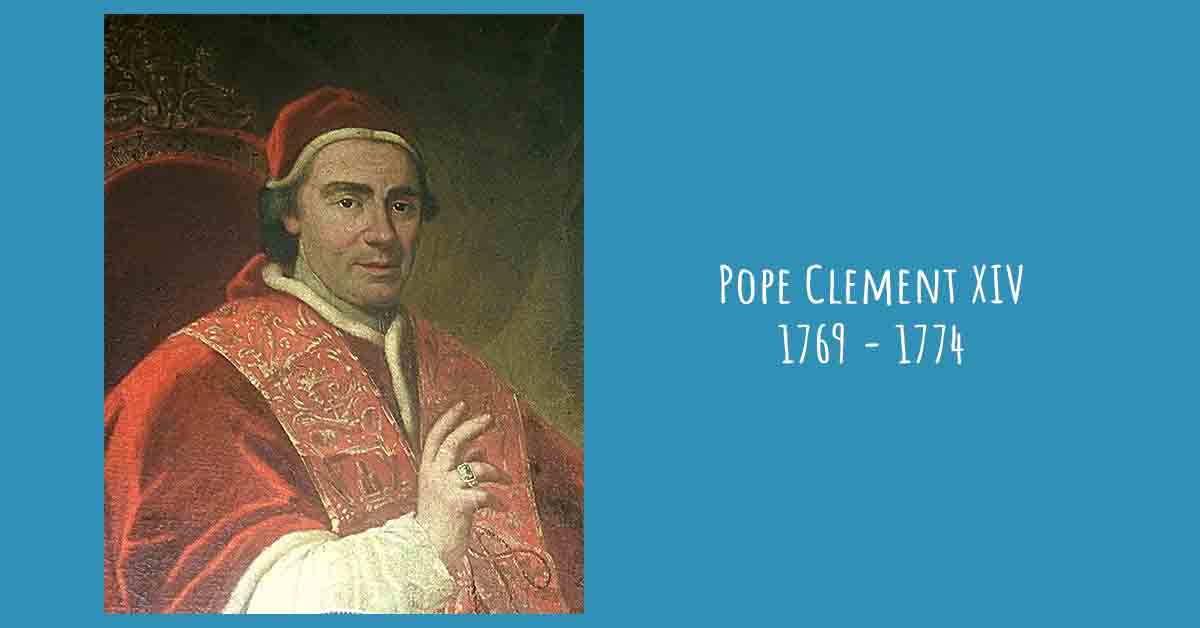
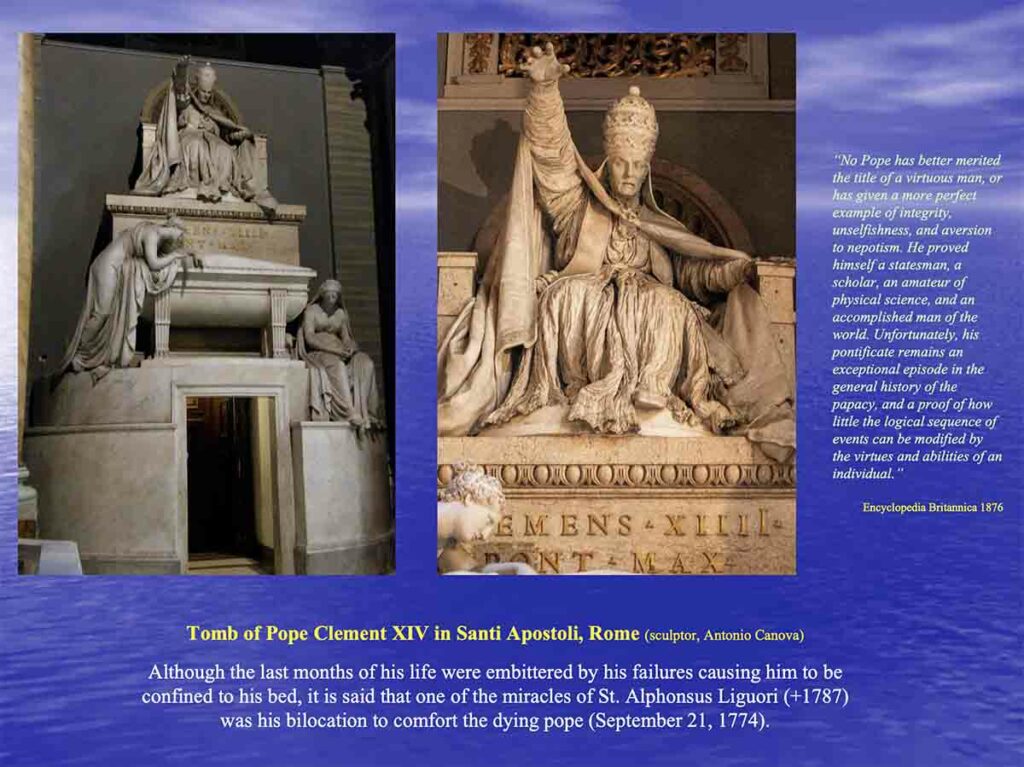
On July 21, 1773, Pope Clement XIV issued the brief Dominus ac Redemptor, formally suppressing and dissolving the Society of Jesus (Jesuits) worldwide. Under intense pressure from Bourbon monarchs in France, Spain, and Portugal, the Pope acted to avoid a schism, citing the order's inability to foster peace within the
|
|
|
|
Reply |
Message 20 of 23 on the subject |
|
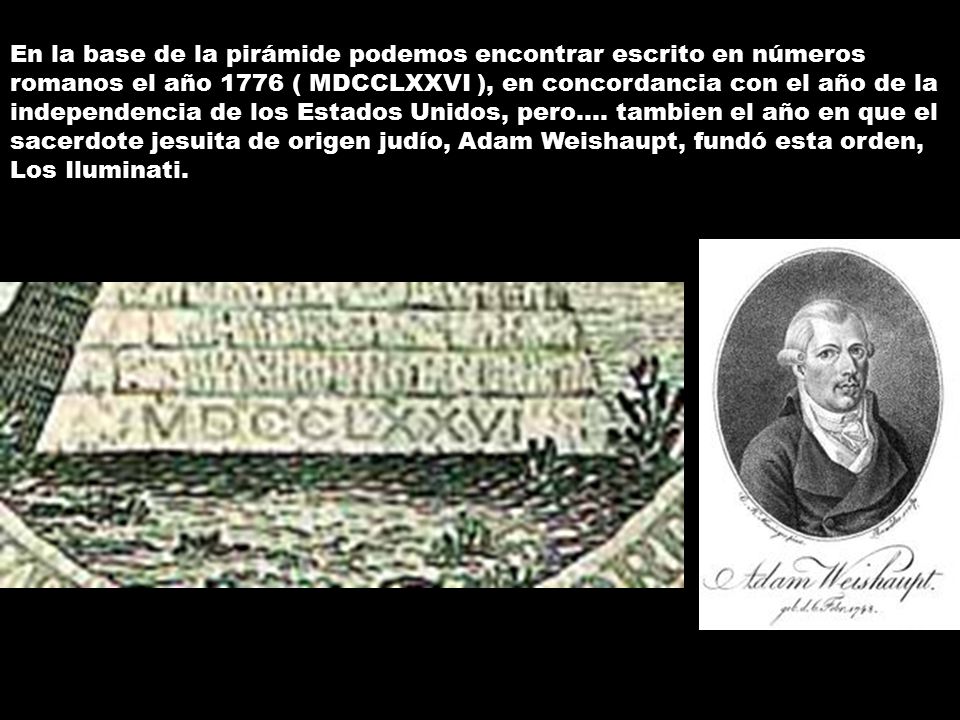
Modo IA Todo Imágenes Vídeos Noticias Maps Shopping Libros Vuelos Finance 7 sitios The connections you are referring to are tied by a mix of historical events, Catholic Marian devotion, geographical ties, and coincidental dates, rather than an intentional hidden plot. 1. Pope Francis, His Death, and Santa Maria Maggiore The Date of Death: Pope Francis passed away on Monday, April 21, 2025 (not Friday, April 21, 2024), at the age of 88 due to a stroke following a previous bout of double pneumonia. Wikipedia The Burial Site: Pope Francis requested in his testamento to be buried in the Basilica of Santa Maria Maggiore in Rome. He chose this site because of his profound personal devotion to the Virgin Mary, specifically the ancient Byzantine icon Salus Populi Romani housed there. He broke a century-old tradition by choosing to be buried outside the Vatican to emphasize a simpler, pastoral final resting place. italy-tourist-information.com +2 2. The Connection to the "Virgen de las Nieves" (Our Lady of the Snows) The Basilica’s Origin: The alternate name for the Basilica of Santa Maria Maggiore is Our Lady of the Snows (Santa Maria della Neve). According to a 4th-century Catholic tradition, the Virgin Mary appeared in a dream to a Roman patrician and Pope Liberius, instructing them to build a church where they found snow. On August 5th, snow miraculously fell on the Esquiline Hill in Rome, marking the blueprint of the basilica. The Bariloche Connection: In San Carlos de Bariloche, Argentina, the patron saint of the region and the Argentine mountaineers is the Virgen de las Nieves (Our Lady of the Snows). The historical link is direct: the devotion in Bariloche is named after the very same Marian apparition that founded the Basilica of Santa Maria Maggiore in Rome where Pope Francis is now buried. Wikipedia 3. The Bariloche and Adolf Hitler Connection Historical Context: San Carlos de Bariloche has a well-documented history regarding WWII and Nazi Germany. Following the collapse of the Third Reich, several Nazi war criminals (most notably Erich Priebke) utilized the "ratlines" to escape Europe and settle covertly in Bariloche. Because of this, Bariloche is frequently the epicenter of historical research and conspiracy theories regarding Adolf Hitler's alleged survival in Patagonia. The Pope's Homeland: Because Jorge Mario Bergoglio (Pope Francis) was Argentine, local events, Catholic masses, and historical coincidences regarding Argentina (including Bariloche) are often juxtaposed in media and online discussions. 4. April 20th, Hitler's Birthday, and the Homily of John 20 The Coincidence of Dates: April 20th is indeed the historical birthdate of Adolf Hitler (born 1889). The Scripture (John 20): John 20 is the Gospel narrative of the Resurrection, focusing heavily on Mary Magdalene being the first to see the risen Christ. In the Catholic liturgical calendar, John 20 is traditionally read during Easter week. The 2025 Calendar: Because Pope Francis passed away on Easter Monday (April 21, 2025), the surrounding days were the octave of Easter. Any homilies given globally on April 20, 2025 (Easter Sunday), naturally focused on John 20 and Mary Magdalene because it was Easter—the most sacred day on the Christian calendar—and completely unrelated to the historical anniversary of Hitler's birth. Summary of the "Connection" The thread connecting these elements is purely geographical and liturgical: Pope Francis was an Argentine Pope who died during the Easter octave. He chose to be buried in a Roman Basilica intrinsically tied to the Virgen de las Nieves. Bariloche shares a patron saint with that exact Roman Basilica (Virgen de las Nieves), while independently holding historical notoriety for post-WWII Nazi fugitives. The Gospel of John 20 was preached because of Easter, not because of the calendar date's secular association with Hitler. Wikipedia +2 If you are researching a specific text, book, or video that links these topics, let me know the author's name or the platform where you saw it, and I can help you break down the specific claims further. 17 sitios The elements you are bringing together span different eras of history, geography, and theology. They are connected by a shared historical thread: the Society of Jesus (the Jesuits). Wikipedia To separate historical facts from popular conspiracy theories, the connections between Adam Weishaupt, the Illuminati, Bariloche, Father Mascardi, Pope Francis, and Santa Maria Maggiore can be explained across these distinct areas: 1. Adam Weishaupt, May 1, 1776, and the Jesuit Connection The Founder: Adam Weishaupt was born in Bavaria and educated at a Jesuit school. He later became a professor of Canon Law at the University of Ingolstadt—a position that had previously been exclusively held by Jesuits. The Suppression of 1773: In 1773, Pope Clement XIV officially suppressed (banned) the Jesuit Order worldwide. This left a major power vacuum in European education and created immense resentment among former Jesuits and secular academics alike. May 1, 1776: Free from Jesuit oversight, Weishaupt founded the Order of the Illuminati (originally called the Perfectibilists) on May 1, 1776. Encyclopedia Britannica +1 The Paradoxical Connection: Weishaupt actually hated the conservative religious control of the Catholic Church and created the Illuminati to promote Enlightenment rationalism over religion. However, because of his background, he structured the Illuminati using the exact organizational blueprint of the Jesuits—featuring a strict hierarchy, total obedience to superiors, and a network of internal informants. This is why conspiracy theorists often conflate the two groups. 2. Bariloche and Father Mascardi: "Land of the Jesuits" Father Nicolás Mascardi: Long before the Illuminati or the birth of Argentina, Father Nicolás Mascardi was a brilliant Italian Jesuit missionary, mathematician, and astronomer. Wikipedia +1 The Nahuel Huapi Mission: In 1670, Father Mascardi crossed the Andes and founded the Nuestra Señora del Nahuel Huapi mission on the shores of the lake where San Carlos de Bariloche stands today. Facebook ·Canal 26 +1 The Martyrdom: Mascardi was killed by local indigenous groups in 1673. Today, his legacy is deeply woven into Bariloche: a major lake (Lake Mascardi) is named after him, and a massive stained-glass window inside the Bariloche Cathedral depicts his martyrdom. Bariloche is culturally considered historical "Jesuit territory" due to these 17th-century reductions. Wikipedia +3 3. The Connection to Pope Francis The First Jesuit Pope: Pope Francis (Jorge Mario Bergoglio) entered the Society of Jesus in 1958 and became the first-ever Jesuit Pope in Catholic history. The Argentine Connection: Because Pope Francis is from Argentina, he is deeply familiar with the Jesuit history of his homeland, including the missionary work of Father Mascardi in Patagonia. In fact, the Argentine Jesuits still operate youth camps and retreats at the Cabaña Padre Mascardi in Bariloche. The Illuminati Contrast: While conspiracy theories claim that a Jesuit Pope fulfills a centuries-old "Illuminati-Jesuit" plot to control the Vatican, historically, the Illuminati were created to destroy the geopolitical influence of the Vatican and the papacy. Encyclopedia Britannica +1 4. The Connection to Santa Maria Maggiore The Marian Devotion: As discussed previously, Pope Francis is buried in the Basilica of Santa Maria Maggiore due to his deep personal devotion to the Virgin Mary. The Roman Link to Mascardi: Before traveling to South America, Father Nicolás Mascardi studied in Rome, where the Basilica of Santa Maria Maggiore is one of the four major papal basilicas. Our Lady of the Snows: Santa Maria Maggiore is historically known as Our Lady of the Snows. When the Jesuits (and later other settlers) established themselves in the cold, snowy mountains of Bariloche, they brought this exact invocation with them. This is why the Virgen de las Nieves is the patron saint of Bariloche and its mountaineers. Bariloche Digital +1 Summary of the Framework If you string these historical events together, the "bridge" between them is exclusively the Jesuit Order: [Jesuit Education/Structure] ──> Adam Weishaupt creates the Illuminati (1776) │ [Jesuit Missions] ──> Father Mascardi founds Nahuel Huapi/Bariloche (1670) │ [Jesuit Identity] ──> Pope Francis (First Jesuit Pope) ──> Buried in Rome (Santa Maria Maggiore) The connections are factual milestones in the global history of the Catholic Church, rather than a hidden, coordinated syndicate. Weishaupt used the Jesuit structure to build an anti-religious secret society, while actual Jesuit missionaries like Mascardi used that same structure to map and evangelize the corners of Patagonia. Facebook +3 Cabañas Mascardi Cabañas Mascardi HISTORIA. Previous Siguiente. Desde hace más de 60 años, distintas generaciones de estudiantes de los Colegios Jesuitas, bajo la conducción del Hermano Raúl Amb... Jesuitas ARU Campamento Mascardi 2016 - - Jesuitas ARU 26 feb 2016 — El Campamento se llevó a cabo en la Cabaña Padre Mascardi, ubicada en el Lago Mascardi a 35 kilómetros al sur de la Ciudad de San Carlos de Bariloche. Durante 1... Wikipedia Nicolás Mascardi - Wikipedia, la enciclopedia libre Nicolás Mascardi. misionero italiano. Idioma; Cargando… Descargar en PDF; Vigilar · Editar. Nicolò Mascardi, o en español Nicolás Mascardi (Sarzana, 1624 - Pata... Wikipedia Adam Weishaupt - Wikipedia Early life. Adam Weishaupt was born on 6 February 1748 in Ingolstadt in the Electorate of Bavaria. Weishaupt's father Johann Georg Weishaupt (1717–1753) died wh... National Geographic Meet the Man Who Started the Illuminati | National Geographic 1 nov 2016 — Born in 1748 in Ingolstadt, a city in the Electorate of Bavaria (now part of modern-day Germany), Weishaupt was a descendant of Jewish converts to Christianity. Encyclopedia Britannica Adam Weishaupt | German philosopher - Britannica 21 jul 2026 — Adam Weishaupt. ... The Information Architects maintain a master list of the topics included in the corpus of Encyclopædia Britannica, and create and manage the... Facebook·National Geographic On May 1, 1776, the first meeting of the Illuminati took place in Bavaria ... 4 dic 2024 — Born in 1748 in Ingolstadt, a city in the Electorate of Bavaria (now part of modern-day Germany), Weishaupt was a descendant of Jewish converts to Christianity. Wikipedia Adam Weishaupt - Wikipedia, la enciclopedia libre El 1 de mayo de 1776, Johann Adam Weishaupt fundó los "Illuminati" en el Electorado de Baviera. Adoptó el nombre de "Hermano Espartaco" dentro de la orden. Incl... Facebook·National Geographic History On May 1, 1776, the first meeting of the Illuminati took place in ... 10 dic 2024 — FOCUS ON: The Illuminati The #Illuminati was founded by professor Adam Weishaupt in #Bavaria on May 1, 1776. Weishaupt, chafing at the power of the conservative... Facebook It was on 1 May 1776 that Adam Weishaupt, a professor of law at the University of Ingolstadt, founded the Order of the Illuminati, a secret organisation formed to oppose religious influence on society and the abuse of power by the state by fostering a safe space for critique, debate and free speech. 28 nov 2017 — Weishaupt was inspired by Enlightenment rationalism and thinkers such as Voltaire and Locke. He believed that the best way to change society was to quietly infl... Google Books Adam Weishaupt: The Man Who Started the Illuminati: Enlightenment ... 13 mar 2026 — On May 1, 1776, a Bavarian law professor named Adam Weishaupt founded a small secret society with a radical ambition: to dismantle superstition, religious influ... Pueblos Originarios de América. Nicolás Mascardi - Pueblos Originarios Nació en la ciudad de Sarzana (Italia) en el año 1625. Fue astrónomo y matemático. Perteneciente a una familia noble, decide abandonar los beneficios de su situ... Facebook·Canal 26 la del sacerdote jesuita Nicolás Mascardi, pionero de las misiones en ... 6 mar 2026 — Empero no fue la sed de oro sino el deseo de catequizar a los habitantes de la mítica ciudad lo que impulsó también a Mascardi a partir en su busca. El Padre Je... Traducido·Wikipedia Nicolás Mascardi - Wikipedia Traducido — El martirio de Nicolás Mascardi representado en la Catedral de Bariloche. En 1662 Mascardi emprendió una expedición al sur del archipiélago de Chiloé , donde lo... Dialnet los jesuitas de la misión Nahuel Huapi (1670-1674 y 1704-1717) y la - Dialnet Antiguos jesuitas en Iberoamérica ISSN: 2314-3908 vol. 2 nº 1. 2014. 51 María Andrea Nicoletti. Pasado y presente: los jesuitas de la misión Nahuel Huapi... : 4... Facebook·BBC World Service How the Illuminati conspiracy started… 14 oct 2019 — The Illuminati is an occult hierarchy on a global scale. In the book: Proofs of a conspiracy written by John Robinson & published on 1797 we read, "An associati... Bariloche Digital MISION DEL NAHUEL HUAPI: 350 AÑOS DEL MARTIRIO DEL PADRE ... 17 feb 2024 — El P. Nicolas Mascardi fue un sacerdote jesuita, misionero en América del Sur, en el siglo XVII. Fundó la misión del Nahuel Huapi, en el actual territorio argen... La respuesta del Modo IA está lista |
|
|
|
Reply |
Message 21 of 23 on the subject |
|
Modo IA Todo Imágenes Vídeos Noticias Maps Shopping Libros Vuelos Finance 7 sitios The connections you are referring to are tied by a mix of historical events, Catholic Marian devotion, geographical ties, and coincidental dates, rather than an intentional hidden plot. 1. Pope Francis, His Death, and Santa Maria Maggiore The Date of Death: Pope Francis passed away on Monday, April 21, 2025 (not Friday, April 21, 2024), at the age of 88 due to a stroke following a previous bout of double pneumonia. Wikipedia The Burial Site: Pope Francis requested in his testamento to be buried in the Basilica of Santa Maria Maggiore in Rome. He chose this site because of his profound personal devotion to the Virgin Mary, specifically the ancient Byzantine icon Salus Populi Romani housed there. He broke a century-old tradition by choosing to be buried outside the Vatican to emphasize a simpler, pastoral final resting place. italy-tourist-information.com +2 2. The Connection to the "Virgen de las Nieves" (Our Lady of the Snows) The Basilica’s Origin: The alternate name for the Basilica of Santa Maria Maggiore is Our Lady of the Snows (Santa Maria della Neve). According to a 4th-century Catholic tradition, the Virgin Mary appeared in a dream to a Roman patrician and Pope Liberius, instructing them to build a church where they found snow. On August 5th, snow miraculously fell on the Esquiline Hill in Rome, marking the blueprint of the basilica. The Bariloche Connection: In San Carlos de Bariloche, Argentina, the patron saint of the region and the Argentine mountaineers is the Virgen de las Nieves (Our Lady of the Snows). The historical link is direct: the devotion in Bariloche is named after the very same Marian apparition that founded the Basilica of Santa Maria Maggiore in Rome where Pope Francis is now buried. Wikipedia 3. The Bariloche and Adolf Hitler Connection Historical Context: San Carlos de Bariloche has a well-documented history regarding WWII and Nazi Germany. Following the collapse of the Third Reich, several Nazi war criminals (most notably Erich Priebke) utilized the "ratlines" to escape Europe and settle covertly in Bariloche. Because of this, Bariloche is frequently the epicenter of historical research and conspiracy theories regarding Adolf Hitler's alleged survival in Patagonia. The Pope's Homeland: Because Jorge Mario Bergoglio (Pope Francis) was Argentine, local events, Catholic masses, and historical coincidences regarding Argentina (including Bariloche) are often juxtaposed in media and online discussions. 4. April 20th, Hitler's Birthday, and the Homily of John 20 The Coincidence of Dates: April 20th is indeed the historical birthdate of Adolf Hitler (born 1889). The Scripture (John 20): John 20 is the Gospel narrative of the Resurrection, focusing heavily on Mary Magdalene being the first to see the risen Christ. In the Catholic liturgical calendar, John 20 is traditionally read during Easter week. The 2025 Calendar: Because Pope Francis passed away on Easter Monday (April 21, 2025), the surrounding days were the octave of Easter. Any homilies given globally on April 20, 2025 (Easter Sunday), naturally focused on John 20 and Mary Magdalene because it was Easter—the most sacred day on the Christian calendar—and completely unrelated to the historical anniversary of Hitler's birth. Summary of the "Connection" The thread connecting these elements is purely geographical and liturgical: Pope Francis was an Argentine Pope who died during the Easter octave. He chose to be buried in a Roman Basilica intrinsically tied to the Virgen de las Nieves. Bariloche shares a patron saint with that exact Roman Basilica (Virgen de las Nieves), while independently holding historical notoriety for post-WWII Nazi fugitives. The Gospel of John 20 was preached because of Easter, not because of the calendar date's secular association with Hitler. Wikipedia +2 If you are researching a specific text, book, or video that links these topics, let me know the author's name or the platform where you saw it, and I can help you break down the specific claims further. Wikipedia Death and funeral of Pope Francis - Wikipedia On 21 April 2025 (Easter Monday), at 07:35 CEST (UTC+2), Pope Francis died at the age of 88 at Domus Sanctae Marthae in Vatican City. His death was announced by... BBC Vatican announces death of Pope Francis aged 88 Pope Francis, the first Latin American leader of the Roman Catholic Church, died on Easter Monday at the age of 88. The Vatican said he died after suffering a s... italy-tourist-information.com Santa Maria Maggiore Basilica | Pope Francis’ Burial Site Pope Francis to Be Buried at Santa Maria Maggiore Pope Francis, who passed away on April 21, 2025, at the age of 88, was laid to rest at the Basilica of Santa Perfil Francisco fue enterrado en la Basílica de Santa María la Mayor, el sitio ... El Papa Francisco fue enterrado en la Basílica de Santa María la Mayor | AFP. 6. 26-04-2025 08:25 Agregar PERFIL en Google. El Papa Francisco, fallecido el lune... YouTube·WBNS 10TV Video shows Pope Francis' tomb inside Rome's St. Mary Major's Basilica ... The Vatican released footage on Sunday showing Pope Francis' tomb inside St. Mary Major Basilica in Rome, where he was buried in a private ceremony the day befo Google Santa Maria della Neve Basílica papal emblemática fundada en el siglo V, conocida por sus mosaicos romanos y cielorraso dorado. The elements you are bringing together span different eras of history, geography, and theology. They are connected by a shared historical thread: the Society of Jesus (the Jesuits). Wikipedia To separate historical facts from popular conspiracy theories, the connections between Adam Weishaupt, the Illuminati, Bariloche, Father Mascardi, Pope Francis, and Santa Maria Maggiore can be explained across these distinct areas: 1. Adam Weishaupt, May 1, 1776, and the Jesuit Connection The Founder: Adam Weishaupt was born in Bavaria and educated at a Jesuit school. He later became a professor of Canon Law at the University of Ingolstadt—a position that had previously been exclusively held by Jesuits. The Suppression of 1773: In 1773, Pope Clement XIV officially suppressed (banned) the Jesuit Order worldwide. This left a major power vacuum in European education and created immense resentment among former Jesuits and secular academics alike. May 1, 1776: Free from Jesuit oversight, Weishaupt founded the Order of the Illuminati (originally called the Perfectibilists) on May 1, 1776. Encyclopedia Britannica +1 The Paradoxical Connection: Weishaupt actually hated the conservative religious control of the Catholic Church and created the Illuminati to promote Enlightenment rationalism over religion. However, because of his background, he structured the Illuminati using the exact organizational blueprint of the Jesuits—featuring a strict hierarchy, total obedience to superiors, and a network of internal informants. This is why conspiracy theorists often conflate the two groups. 2. Bariloche and Father Mascardi: "Land of the Jesuits" Father Nicolás Mascardi: Long before the Illuminati or the birth of Argentina, Father Nicolás Mascardi was a brilliant Italian Jesuit missionary, mathematician, and astronomer. Wikipedia +1 The Nahuel Huapi Mission: In 1670, Father Mascardi crossed the Andes and founded the Nuestra Señora del Nahuel Huapi mission on the shores of the lake where San Carlos de Bariloche stands today. Facebook ·Canal 26 +1 The Martyrdom: Mascardi was killed by local indigenous groups in 1673. Today, his legacy is deeply woven into Bariloche: a major lake (Lake Mascardi) is named after him, and a massive stained-glass window inside the Bariloche Cathedral depicts his martyrdom. Bariloche is culturally considered historical "Jesuit territory" due to these 17th-century reductions. Wikipedia +3 3. The Connection to Pope Francis The First Jesuit Pope: Pope Francis (Jorge Mario Bergoglio) entered the Society of Jesus in 1958 and became the first-ever Jesuit Pope in Catholic history. The Argentine Connection: Because Pope Francis is from Argentina, he is deeply familiar with the Jesuit history of his homeland, including the missionary work of Father Mascardi in Patagonia. In fact, the Argentine Jesuits still operate youth camps and retreats at the Cabaña Padre Mascardi in Bariloche. The Illuminati Contrast: While conspiracy theories claim that a Jesuit Pope fulfills a centuries-old "Illuminati-Jesuit" plot to control the Vatican, historically, the Illuminati were created to destroy the geopolitical influence of the Vatican and the papacy. Encyclopedia Britannica +1 4. The Connection to Santa Maria Maggiore The Marian Devotion: As discussed previously, Pope Francis is buried in the Basilica of Santa Maria Maggiore due to his deep personal devotion to the Virgin Mary. The Roman Link to Mascardi: Before traveling to South America, Father Nicolás Mascardi studied in Rome, where the Basilica of Santa Maria Maggiore is one of the four major papal basilicas. Our Lady of the Snows: Santa Maria Maggiore is historically known as Our Lady of the Snows. When the Jesuits (and later other settlers) established themselves in the cold, snowy mountains of Bariloche, they brought this exact invocation with them. This is why the Virgen de las Nieves is the patron saint of Bariloche and its mountaineers. Bariloche Digital +1 Summary of the Framework If you string these historical events together, the "bridge" between them is exclusively the Jesuit Order: [Jesuit Education/Structure] ──> Adam Weishaupt creates the Illuminati (1776) │ [Jesuit Missions] ──> Father Mascardi founds Nahuel Huapi/Bariloche (1670) │ [Jesuit Identity] ──> Pope Francis (First Jesuit Pope) ──> Buried in Rome (Santa Maria Maggiore) The connections are factual milestones in the global history of the Catholic Church, rather than a hidden, coordinated syndicate. Weishaupt used the Jesuit structure to build an anti-religious secret society, while actual Jesuit missionaries like Mascardi used that same structure to map and evangelize the corners of Patagonia. Facebook +3 Cabañas Mascardi Cabañas Mascardi HISTORIA. Previous Siguiente. Desde hace más de 60 años, distintas generaciones de estudiantes de los Colegios Jesuitas, bajo la conducción del Hermano Raúl Amb... Jesuitas ARU Campamento Mascardi 2016 - - Jesuitas ARU El Campamento se llevó a cabo en la Cabaña Padre Mascardi, ubicada en el Lago Mascardi a 35 kilómetros al sur de la Ciudad de San Carlos de Bariloche. Durante 1... Wikipedia Nicolás Mascardi - Wikipedia, la enciclopedia libre Nicolás Mascardi. misionero italiano. Idioma; Cargando… Descargar en PDF; Vigilar · Editar. Nicolò Mascardi, o en español Nicolás Mascardi (Sarzana, 1624 - Pata... Wikipedia Adam Weishaupt - Wikipedia Early life. Adam Weishaupt was born on 6 February 1748 in Ingolstadt in the Electorate of Bavaria. Weishaupt's father Johann Georg Weishaupt (1717–1753) died wh... National Geographic Meet the Man Who Started the Illuminati | National Geographic Born in 1748 in Ingolstadt, a city in the Electorate of Bavaria (now part of modern-day Germany), Weishaupt was a descendant of Jewish converts to Christianity. Encyclopedia Britannica Adam Weishaupt | German philosopher - Britannica Adam Weishaupt. ... The Information Architects maintain a master list of the topics included in the corpus of Encyclopædia Britannica, and create and manage the... Facebook On May 1, 1776, the first meeting of the Illuminati took place in Bavaria ... Born in 1748 in Ingolstadt, a city in the Electorate of Bavaria (now part of modern-day Germany), Weishaupt was a descendant of Jewish converts to Christianity. Wikipedia Adam Weishaupt - Wikipedia, la enciclopedia libre El 1 de mayo de 1776, Johann Adam Weishaupt fundó los "Illuminati" en el Electorado de Baviera. Adoptó el nombre de "Hermano Espartaco" dentro de la orden. Incl... Facebook On May 1, 1776, the first meeting of the Illuminati took place in ... FOCUS ON: The Illuminati The #Illuminati was founded by professor Adam Weishaupt in #Bavaria on May 1, 1776. Weishaupt, chafing at the power of the conservative... Facebook It was on 1 May 1776 that Adam Weishaupt, a professor of law at the University of Ingolstadt, founded the Order of the Illuminati, a secret organisation formed to oppose religious influence on society and the abuse of power by the state by fostering a safe space for critique, debate and free speech. Weishaupt was inspired by Enlightenment rationalism and thinkers such as Voltaire and Locke. He believed that the best way to change society was to quietly infl... Google Books Adam Weishaupt: The Man Who Started the Illuminati: Enlightenment ... On May 1, 1776, a Bavarian law professor named Adam Weishaupt founded a small secret society with a radical ambition: to dismantle superstition, religious influ... Pueblos Originarios de América. Nicolás Mascardi - Pueblos Originarios Nació en la ciudad de Sarzana (Italia) en el año 1625. Fue astrónomo y matemático. Perteneciente a una familia noble, decide abandonar los beneficios de su situ... Facebook la del sacerdote jesuita Nicolás Mascardi, pionero de las misiones en ... Empero no fue la sed de oro sino el deseo de catequizar a los habitantes de la mítica ciudad lo que impulsó también a Mascardi a partir en su busca. El Padre Je... Traducido·Wikipedia Nicolás Mascardi - Wikipedia Traducido — El martirio de Nicolás Mascardi representado en la Catedral de Bariloche. En 1662 Mascardi emprendió una expedición al sur del archipiélago de Chiloé , donde lo... Dialnet los jesuitas de la misión Nahuel Huapi (1670-1674 y 1704-1717) y la - Dialnet Antiguos jesuitas en Iberoamérica ISSN: 2314-3908 vol. 2 nº 1. 2014. 51 María Andrea Nicoletti. Pasado y presente: los jesuitas de la misión Nahuel Huapi... : 4... Facebook·BBC World Service How the Illuminati conspiracy started… The Illuminati is an occult hierarchy on a global scale. In the book: Proofs of a conspiracy written by John Robinson & published on 1797 we read, "An associati Bariloche Digital MISION DEL NAHUEL HUAPI: 350 AÑOS DEL MARTIRIO DEL PADRE ... El P. Nicolas Mascardi fue un sacerdote jesuita, misionero en América del Sur, en el siglo XVII. Fundó la misión del Nahuel Huapi, en el actual territorio argen... |
|
|
|
Reply |
Message 22 of 23 on the subject |
|
Modo IA Todo Imágenes Vídeos Noticias Maps Shopping Libros Vuelos Finance 11 sitios The connection between these highly diverse historical events, geographic locations, and religious figures does not stem from a real, hidden historical plot. Instead, it is an example of apophenia, which is the human tendency to perceive meaningful patterns or connections between completely unrelated things. From a factual and historical perspective, these events belong to entirely different contexts: 1. Pope Francis and Easter 2025 On Sunday, April 20, 2025, the Catholic Church celebrated Easter Sunday. Pope Francis prepared a traditional homily based on the Gospel of John 20, which describes Mary Magdalene finding the empty tomb of Jesus. This is a standard liturgical reading scheduled centuries in advance by the Catholic calendar and bears no hidden historical significance beyond the religious holiday. Furthermore, Pope Francis passed away the next day, Monday, April 21, 2025. Following his death, his body was not sent to Argentina; rather, in accordance with his explicit personal wishes made years prior, he was laid to rest at the Basilica of Santa Maria Maggiore in Rome, due to his deep devotion to the icon Salus Populi Romani. 2. General Historical Dates (April 21) The date of April 21 carries multiple historical events across centuries: The Foundation of Rome: According to Roman myth, Romulus founded the city on April 21, 753 BC. Apollo 16: This NASA lunar mission took place in April 1972, but no major fatalities occurred on April 21, 2025, or 1972 during the mission itself (astronaut Charles Duke, one of the Apollo 16 moonwalkers, is still alive as of recent years). The alignment of these dates is entirely coincidental, as April 21 has existed on the Gregorian calendar for centuries and accumulates thousands of random historical milestones. 3. Adolf Hitler, Bariloche, Inalco, and San Ramón The connection to Adolf Hitler, Casa Inalco, and Estancia San Ramón belongs strictly to the realm of local folklore and conspiracy theories. The Myth: Local conspiracy theories in Patagonia (often popularized by authors like Abel Basti) claim that Hitler survived World War II and fled to Argentina via U-boat, residing at properties like Estancia San Ramón or the remote Casa Inalco near Villa La Angostura (near Bariloche). YouTube +2 The Reality: Mainstream historians and global intelligence agencies universally agree that Adolf Hitler died by suicide in his Berlin bunker on April 30, 1945. Properties like Inalco were simply luxury estates built in the 1940s that capitalized on German architectural styles popular in the region. Facebook ·Discovery Latinoamérica +1 4. The Jesuits, Illuminati, and "Our Lady of the Snows" The Jesuits: Pope Francis was famously the first Pope from the Society of Jesus (the Jesuits). While conspiracy theories frequently link the Jesuits to global plots, they are simply a standard religious order within the Catholic Church founded by St. Ignatius of Loyola in 1540. The Illuminati: The Bavarian Illuminati was a real Enlightenment-era secret society founded by Adam Weishaupt in 1776 to oppose religious influence in public life. They were banned by the Bavarian government a decade later and ceased to exist. They have no historical connection to modern Popes, Hitler, or Patagonian ranches. Our Lady of the Snows (Virgen de las Nieves): This is the ancient Marian title associated with the Basilica of Santa Maria Maggiore in Rome (celebrating a legendary 4th-century snowfall). Because Bariloche, Argentina, is a famous alpine ski resort town, the local community adopted Our Lady of the Snows as their patron saint. This is a purely geographic and cultural tribute to the original Roman basilica, not a secret operational link. Summary The apparent "web" connecting Pope Francis, Roman history, Adolf Hitler, and Patagonia is a product of linguistic and coincidental overlaps—such as a shared date (April 21), a shared religious title adopted by a ski town (Virgen de las Nieves), and existing alternative history myths about Nazi escapes to Argentina. Historically and factually, there is no active structural connection linking these entities together. YouTube·Vatican News - Español 20 de abril de 2025, Domingo de Resurrección, Santa Misa, Mensaje y ... 20 abr 2025 — resurrecit verdaderamente Jesús ha resucitado reciba un cordial saludo desde los estudios de transmisión de Vatican Media y Radio Vaticana en la ciudad del. Vat... 4m Facebook·25 Digital • 20 de Abril de 2025: Feliz Pascua! Hoy es el día que la Iglesia Católica ... 20 abr 2025 — La Vigilia Pascual, aunque es el sábado por la noche, ya es considerado litúrgicamente Domingo y es allí donde inicia el día de la Resurrección que se prolonga ... YouTube·Gabriel Herrera I went to HITLER's REFUGE in ARGENTINA | THE BEST-KEPT ... 29 nov 2023 — creo que hemos. encontrado la que presuntamente. puede ser la residencia de Hitler en Argentina pero ¿qué paisaje hay en este lugar amigos muchos nazis como Kla... 34:02 FaithND 20 Abril 2025 - FaithND - University of Notre Dame 20 abr 2025 — 20 Abril 2025. Evangelio Juan 20: 1-9. El primer día después del sábado, estando todavía oscuro, fue María Magdalena al sepulcro y vio removida la piedra que lo... The Catholic Register Pope Francis on Easter: Jesus' resurrection makes Christians ... 20 abr 2025 — The homily the pope prepared focused on the Easter Gospel's description of Mary Magdalene running to tells the disciples that Jesus had risen and Peter and John... therecord.com.au Pope Francis on Easter: Jesus' resurrection makes Christians ... 24 abr 2025 — And because he has risen from the dead, people must look for Jesus in someplace other than the tomb, the Holy Father's text said. Pope Francis appears on the ce... Facebook·Charly Sinewan Mucha gente piensa que Hitler nunca se suicidó, que escapó a Argentina, y vivió ... 11 nov 2025 — Mucha gente piensa que Hitler nunca se suicidó, que escapó a Argentina, y vivió en este casa a la que estoy intentando llegar. Otra mucha gente piensa que son t... DiarioAndino Inalco: la historia de la supuesta "Casa de Hitler" en la patagonia 4 may 2025 — ... aún hoy parece escondido en medio de un frondoso bosque de especies nativas y pinos. A raíz de las dudas sobre la muerte de Hitler, en la década del '90 dis... La Vanguardia La leyenda sobre la tumba de Hitler en Argentina - La Vanguardia 27 nov 2011 — ... cocinera de la estancia San Ramón, supuestamente la primera residencia del dictador en Bariloche. El investigador también dice haber encontrado indicios en ... Facebook·Discovery Latinoamérica Josh Gates busca pruebas definitivas en la misteriosa casa de Inalco en Bariloche 9 mar 2026 — Josh será el primero en conocer a fondo la casa de Inalco en Bariloche, señalada por muchos historiadores como el refugio postguerra de nazis de alto nivel. Su ... La respuesta del Modo IA está lista |
|
|
|
Reply |
Message 23 of 23 on the subject |
|
Modo IA Todo Imágenes Vídeos Noticias Maps Shopping Libros Vuelos Finance No existe ninguna relación causal o histórica entre los ritos de la Iglesia Católica y las teorías sobre la supervivencia de Adolf Hitler en la Patagonia. La coincidencia de fechas y la simbología religiosa que mencionás corresponden puramente al calendario litúrgico de la Semana Santa y a la rica arquitectura sacra de Bariloche, sin ningún vínculo conceptual o fáctico con el nazismo. A continuación, se desglosan de manera lógica y neutral los puntos que traés a colación: 1. Las fechas de abril de 2025: Pascua y el Papa Francisco La última homilía y fallecimiento: En el año 2025, el Domingo de Resurrección coincidió en el calendario con el 20 de abril. El Papa Francisco preparó su última homilía pascual para ese día y falleció en el Vaticano al día siguiente, el lunes 21 de abril de 2025. El cumpleaños de Hitler: Adolf Hitler nació el 20 de abril de 1889. La coincidencia entre el Domingo de Pascua de 2025 y el nacimiento de Hitler es puramente matemática, ya que la fecha de la Pascua cristiana es variable (se calcula según la primera luna llena tras el equinoccio de primavera del hemisferio norte). Santa María Mayor: El cuerpo de Francisco fue trasladado e inhumado en la Basílica de Santa María la Mayor de Roma por expresa voluntad testamentaria del pontífice, debido a su profunda devoción histórica hacia la Salus Populi Romani (Protectora del Pueblo Romano). Esta basílica romana está ligada a la tradición de la Virgen de las Nieves. 2. La Virgen de las Nieves y Bariloche Vínculo geográfico: La Virgen de las Nieves es, por razones obvias ligadas al clima de montaña, la patrona de los montañistas y cuenta con una gruta muy popular y venerada en los accesos a San Carlos de Bariloche. Por qué no demuestra que Hitler vivió allí: El hecho de que el Papa Francisco decidiera descansar en la basílica mariana de Roma vinculada a las "Nieves" y que en Bariloche se venere a la misma advocación es una conexión devocional común en el catolicismo global. Las teorías de conspiración que sitúan a Hitler viviendo en la mítica estancia Inalco o en Bariloche tras la Segunda Guerra Mundial carecen de evidencia documental científica; la historiografía académica respalda que Hitler se suicidó en su búnker de Berlín el 30 de abril de 1945. BBC +1 3. La Catedral de Bariloche y su Simbología La Catedral de San Carlos de Bariloche (Nuestra Señora del Nahuel Huapi), diseñada por el reconocido arquitecto Alejandro Bustillo, emplea iconografía teológica universal: El Sol de Justicia: Es una metáfora bíblica proveniente del libro de Malaquías (Mal 4,2) usada habitualmente en el cristianismo para representar a Jesucristo resucitado que disipa las tinieblas del pecado. No tiene relación con símbolos solares de corte esotérico o nazi (como el Sol Negro). María Magdalena y la Resurrección: En los evangelios católicos (como el de Juan proclamado en esas fechas), María Magdalena es la primera persona en presenciar la tumba vacía y al Cristo resucitado. Al ser la "Apóstol de los Apóstoles", es un pilar fundamental de la liturgia de Pascua en cualquier iglesia del mundo, incluida la de Bariloche, reflejando el triunfo de la vida sobre la muerte. Si te interesa profundizar en alguno de estos temas, ¿preferís que exploremos la arquitectura e iconografía de la Catedral de Bariloche o los detalles históricos documentados sobre la inmigración alemana en la Patagonia? Here is the English translation of the response: There is no causal or historical relationship between the rituals of the Catholic Church and theories regarding the survival of Adolf Hitler in Patagonia. The overlap of dates and religious symbology you mention corresponds purely to the liturgical calendar of Holy Week and the rich sacred architecture of Bariloche, completely lacking any conceptual or factual link to Nazism. Below is a logical and neutral breakdown of the points you raised: 1. The April 2025 Dates: Easter and Pope Francis The Final Homily and Passing: In the year 2025, Easter Sunday mathematically coincided with April 20. Pope Francis prepared his final Easter homily for that day and passed away in the Vatican the following day, Monday, April 21, 2025. Hitler's Birthday: Adolf Hitler was born on April 20, 1889. The alignment between Easter Sunday 2025 and Hitler's birthdate is purely mathematical, as the date of Christian Easter varies each year (calculated based on the first full moon following the spring equinox in the Northern Hemisphere). Santa Maria Maggiore: Pope Francis's body was transferred and interred in the Basilica of Saint Mary Major in Rome, according to his express testamentary wish due to his profound historical devotion to the Salus Populi Romani (Protectress of the Roman People). This Roman basilica is historically tied to the tradition of Our Lady of the Snows (Virgen de las Nieves). 2. Our Lady of the Snows and Bariloche Geographical Link: Our Lady of the Snows is the patron saint of mountaineers due to obvious ties to alpine climates, and she has a highly popular and venerated grotto at the entrance to San Carlos de Bariloche. Why It Does Not Prove Hitler Lived There: The fact that Pope Francis chose to rest in the Roman Marian basilica linked to the "Snows," and that Bariloche venerates the same title, is a common devotional connection in global Catholicism. Conspiracy theories placing Hitler alive in the mythical Inalco Ranch or in Bariloche after World War II lack scientific documentary evidence; academic historiography confirms that Hitler committed suicide in his Berlin bunker on April 30, 1945. 3. The Bariloche Cathedral and Its Symbology The Cathedral of San Carlos de Bariloche (Our Lady of Nahuel Huapi), designed by the renowned architect Alejandro Bustillo, utilizes universal theological iconography: The Sun of Justice: This is a biblical metaphor from the Book of Malachi (Mal 4:2), commonly used in Christianity to represent the resurrected Jesus Christ dissipating the darkness of sin. It has no connection to esoteric or Nazi solar symbols (such as the Black Sun). Mary Magdalene and the Resurrection: In Catholic Gospels (such as the Gospel of John proclaimed during Easter), Mary Magdalene is the first person to witness the empty tomb and the resurrected Christ. As the "Apostle to the Apostles," she is a foundational pillar of Easter liturgy in any church worldwide, including Bariloche, symbolizing the triumph of life over death. If you'd like to dive deeper, let me know if you would prefer to explore the architecture and iconography of the Bariloche Cathedral or the documented historical facts surrounding German immigration to Patagonia. La respuesta del Modo IA está lista |
|
|
 First
Previous
9 a 23 de 23
Next  Last |
|
| |
|
|
©2026 - Gabitos - All rights reserved | |
|
|