|
|
General: SALT LAKE CITY (CATHOLIC CHURCH)=MARY MAGDALENE=DAVINCI CODE=DOLLAR=ALCHEMY
Choose another message board |
|
Reply |
Message 1 of 136 on the subject |
|
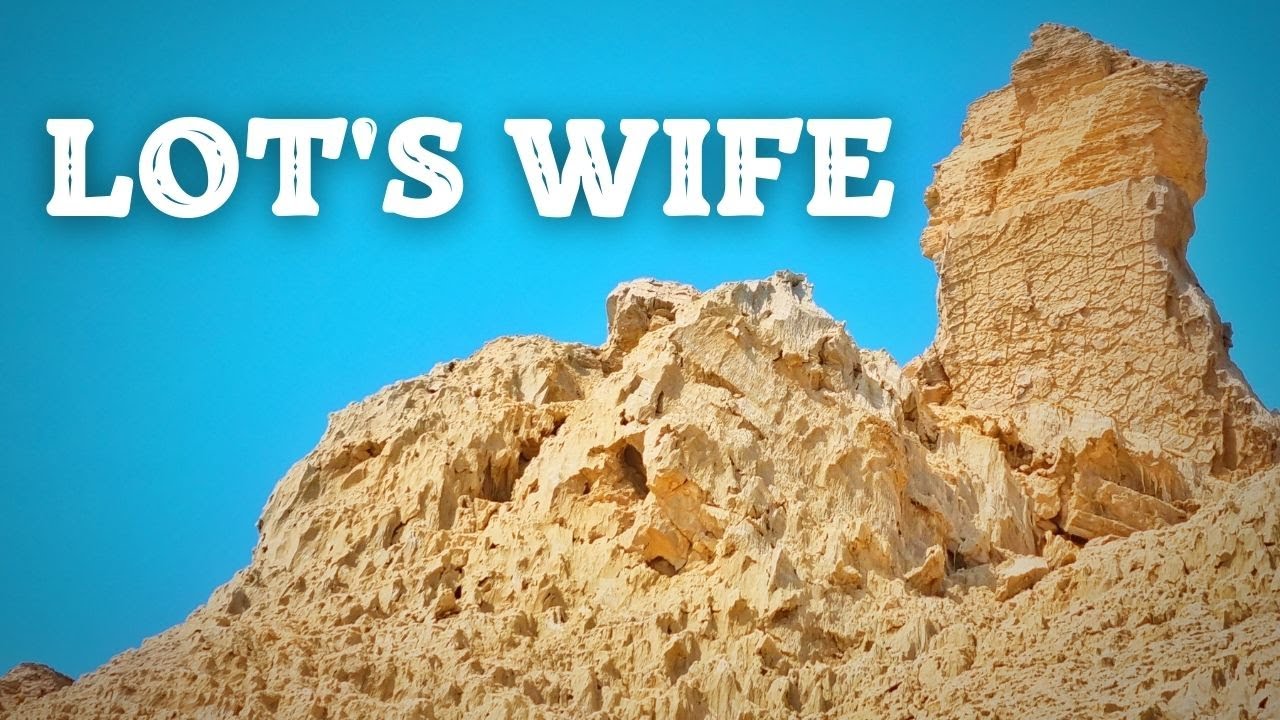
salt lake city=alchemy (salt)=dollar=$= LOT S WIFE (SODOMA AND GOMORRA)
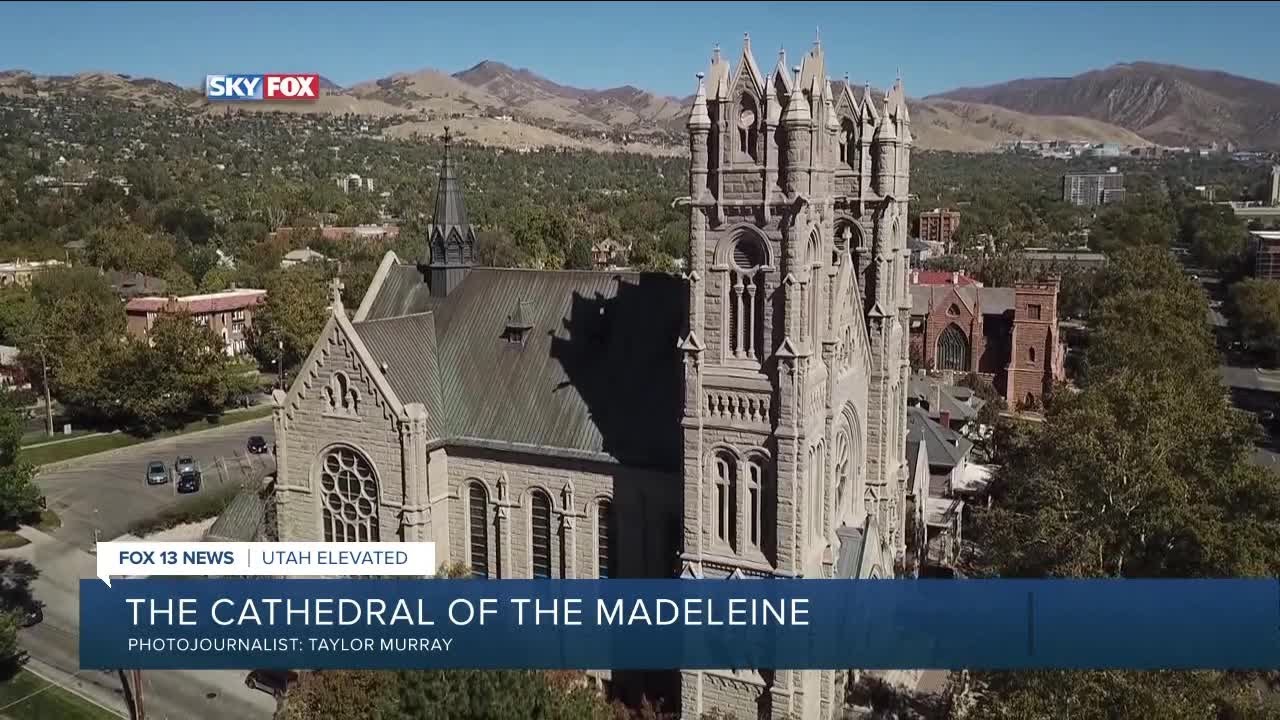
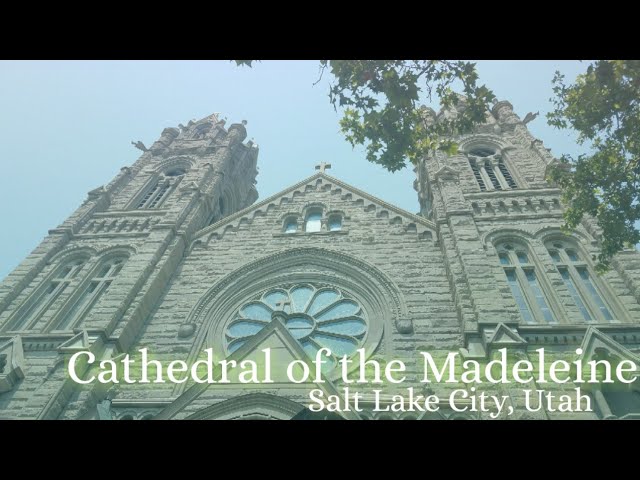
Cathedral of the Madeleine
From Wikipedia, the free encyclopedia
The Cathedral of the Madeleine is a Roman Catholic church in Salt Lake City, Utah, United States. It was completed in 1909 and currently serves as the cathedral, or mother church, of the Diocese of Salt Lake City. It is the only cathedral in the U.S. under the patronage of St. Mary Magdalene.
Description[edit]
The cathedral was built under the direction of Lawrence Scanlan, the first bishop of Salt Lake City, who dedicated it to St. Mary Magdalene.[2] It was designed by architects Carl M. Neuhausen and Bernard O. Mecklenburg. The exterior is predominantly a Neo-Romanesque design, while the inside displays more Neo-Gothic details. Construction began in 1900 and was completed in 1909. It was dedicated by James Cardinal Gibbons, Archbishop of Baltimore.
It is theorized that Bishop Scanlan chose Mary Magdalene as the patron saint of the Diocese of Salt Lake because her feast day is on July 22, two days before Pioneer Day, a celebration commemorating the arrival of the Mormon pioneers in Salt Lake Valley, so that Catholics would have something to celebrate alongside the region's dominant faith.[3]
The interior of the cathedral was created under the direction of Joseph S. Glass, the second bishop of Salt Lake. Bishop Glass enlisted John Theodore Comes, one of the preeminent architects in the country, to decorate the interior of the cathedral. His plans for the interior were largely based upon the Spanish Gothic style. The colorful murals and polychrome were added at this time, as were the ornate shrines. In 1916, Bishop Glass also changed the name of the cathedral to the French spelling after visiting her purported tomb.[2]
In the 1970s, the exterior of the building was restored, and between 1991 and 1993, the interior of the cathedral was renovated and restored under Bishop William K. Weigand. This included not only the removal of dust and dirt and restoration of the interior but also changes to the liturgical elements of the cathedral to bring them into conformity with certain widespread changes in liturgical practice that developed after the Second Vatican Council.
This included constructing a new altar, moving the cathedra, creating a separate chapel for the Blessed Sacrament, and adding an ample baptismal font. The Blessed Sacrament Chapel also contains the tomb of Bishop Scanlan.[4] Resting atop the tomb is a case containing a small relic of Saint Mary Magdalene. The cathedral in Salt Lake City and the Basilica of Saint-Maximin-la-Sainte-Baume in France are the only cathedrals in the world holding first-class relics of the saint and are named in her honor.[5] The major restoration of the interior of the cathedral was accomplished through the vision of Monsignor M. Francis Mannion.[6]
The cathedral is home to the only co-educational Catholic Choir School in the United States. The Madeleine Choir School, established in 1996, now serves over 400 students in Pre-Kindergarten through Grade Eight.[7] The Cathedral Choir has recorded several CDs and routinely tours both nationally and internationally. In addition to singing daily services at the Cathedral of the Madeleine, choristers have sung at St. Peter's Basilica (Vatican City), Notre Dame de Paris (France), and in churches across the United States of America, Spain, Italy, France, Belgium, and Germany, among other places.[8]
Composer Amédée Tremblay notably served as the church's organist from 1920 to 1925.[9]
-
-
Cathedral of the Madeleine, looking east
-
Interior of the cathedral
-
  |
|
|
|
Reply |
Message 122 of 136 on the subject |
|
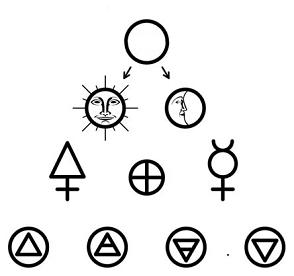 - The Pythagorean Tetractys -Top row: The OneSecond row: Sun and moonThird row: Sulphur, salt, mercuryBottom row: Fire, air, earth, water |
|
|
|
Reply |
Message 123 of 136 on the subject |
|
|
|
|
Reply |
Message 124 of 136 on the subject |
|
|
|
|
Reply |
Message 125 of 136 on the subject |
|
|
|
|
Reply |
Message 126 of 136 on the subject |
|
|
|
|
Reply |
Message 127 of 136 on the subject |
|
|
|
|
Reply |
Message 128 of 136 on the subject |
|
|
|
|
Reply |
Message 129 of 136 on the subject |
|
|
|
|
Reply |
Message 130 of 136 on the subject |
|
|
|
|
Reply |
Message 131 of 136 on the subject |
|
|
|
|
Reply |
Message 132 of 136 on the subject |
|
|
|
|
Reply |
Message 133 of 136 on the subject |
|
|
|
|
Reply |
Message 134 of 136 on the subject |
|
|
|
|
Reply |
Message 135 of 136 on the subject |
|
Modo IA Todo Imágenes Vídeos Noticias Maps Shopping Libros Vuelos Finance La discusión que planteás conecta varios hechos históricos reales, efemérides compartidas y paralelismos geopolíticos o simbólicos que a menudo se cruzan en análisis historiográficos: 1. El 25 de abril de 1982: Las Georgias del Sur y San Marcos El 25 de abril de 1982 es una fecha clave de la guerra de Malvinas: ese día, las fuerzas británicas recuperaron el control de las Islas Georgias del Sur (Operación Paraquet), marcando la primera rendición de tropas argentinas (lideradas por Alfredo Astiz) en el conflicto. Facebook +1 En el santoral católico, el 25 de abril es el Día de San Marcos Evangelista. San Marcos es el santo patrono de Venecia, y su corazón histórico es la Plaza San Marcos. Por ende, el día en que cae la guarnición argentina en la isla de Georgia del Sur coincide exactamente con la mayor festividad veneciana. Wikipedia +2 2. San Giorgio Maggiore y el año 982 La mención a la isla y Basílica de San Giorgio Maggiore (diseñada por Palladio en Venecia, frente a la Plaza San Marcos) introduce una coincidencia numérica o "espejo" temporal: el Monasterio de San Giorgio Maggiore fue fundado exactamente en el año 982 (cuando el dux Tribuno Memmo donó la isla a los monjes benedictinos). En la discusión simbólica, el año 982 resuena directamente con el año 1982, exactamente un milenio después. www.italia.it +2 3. La conexión con Plaza Venecia (Roma) y Juan Domingo Perón El debate sobre la "Plaza Venecia" en el contexto de Malvinas no proviene de la ciudad de Venecia, sino de la Piazza Venezia en Roma. El 10 de junio de 1940, Benito Mussolini se asomó al balcón del Palacio Venecia (en dicha plaza) para declarar la guerra al Reino Unido y Francia. Mnews +1 En ese exacto momento, el entonces teniente coronel Juan Domingo Perón se encontraba en Roma como agregado militar. Perón presenció ese discurso y la movilización popular. Urgente24 Muchos historiadores y analistas políticos conectan ese recuerdo con el 10 de abril de 1982, cuando el dictador Leopoldo Fortunato Galtieri se asomó al balcón de la Casa Rosada (Plaza de Mayo) para dar su célebre discurso frente a una multitud tras la recuperación de las Malvinas. El uso del balcón político frente a masas enardecidas en un contexto de declaración bélica contra Gran Bretaña une conceptualmente ambos escenarios. 4. El 11 de Septiembre, Río San Lorenzo y Nueva York Esta ramificación suele surgir en teorías de análisis geopolítico o histórico que buscan patrones globales: El 11 de septiembre de 2001 (atentados a las Torres Gemelas en Nueva York). El Río San Lorenzo conecta los Grandes Lagos con el Océano Atlántico Norte y delimita fronteras estratégicas. La conexión en este tipo de discusiones suele ser marítima y de soberanía: las islas de los canales, la navegación atlántica, los puntos de control interoceánico (como el Atlántico Sur y Malvinas) y los hitos que reconfiguraron el orden de la seguridad internacional (como el 11 de septiembre). ¿Te gustaría profundizar en el desarrollo militar del 25 de abril de 1982 en las Georgias del Sur o te interesa explorar más el impacto que tuvo la estadía en Italia en el pensamiento estratégico de Perón? Here is the English translation of the response: The discussion you are raising connects several real historical events, shared anniversaries, and geopolitical or symbolic parallels that often intersect in historiographical analyses: 1. April 25, 1982: South Georgia and Saint Mark April 25, 1982, is a key date in the Falklands War (Guerra de Malvinas): on that day, British forces regained control of the South Georgia Islands (Operation Paraquet), marking the first surrender of Argentine troops (led by Alfredo Astiz) in the conflict. In the Catholic calendar of saints, April 25 is Saint Mark the Evangelist's Day. Saint Mark is the patron saint of Venice, and its historical heart is St. Mark's Square (Plaza San Marcos). Therefore, the day the Argentine garrison fell in South Georgia coincides exactly with Venice's grandest feast day. 2. San Giorgio Maggiore and the Year 982 The mention of the island and Basilica of San Giorgio Maggiore (designed by Palladio in Venice, directly across from St. Mark's Square) introduces a numerical coincidence or temporal "mirror": the Monastery of San Giorgio Maggiore was founded exactly in the year 982 (when Doge Tribuno Memmo donated the island to Benedictine monks). In symbolic discussions, the year 982 resonates directly with the year 1982, exactly one millennium later. 3. The Connection to Piazza Venezia (Rome) and Juan Domingo Perón The debate regarding "Plaza Venecia" in the context of the Falklands War does not stem from the city of Venice itself, but rather from Piazza Venezia in Rome. On June 10, 1940, Benito Mussolini stepped out onto the balcony of the Palazzo Venezia (in that square) to declare war on the United Kingdom and France. At that exact moment, the then-Lieutenant Colonel Juan Domingo Perón was in Rome serving as a military attaché. Perón witnessed that speech and the popular mobilization firsthand. Many historians and political analysts connect that memory to April 10, 1982, when dictator Leopoldo Fortunato Galtieri stepped onto the balcony of the Casa Rosada (Plaza de Mayo) to deliver his famous speech to a massive crowd following the takeover of the islands. The political use of a balcony before an inflamed crowd in the context of a military confrontation against Great Britain conceptually links both scenarios. 4. September 11, the St. Lawrence River, and New York This branch of the discussion usually arises in geopolitical or historical analysis theories that look for global patterns: September 11, 2001 (the terrorist attacks on the Twin Towers in New York). The St. Lawrence River (Río San Lorenzo) connects the Great Lakes to the North Atlantic Ocean and defines strategic borders. The connection in these types of discussions is usually maritime and sovereignty-based: channel islands, Atlantic navigation, interoceanic choke points (like the South Atlantic and the Falklands), and milestones that reconfigured the international security order (such as September 11). Would you like to dive deeper into the military developments of April 25, 1982, in South Georgia, or are you more interested in exploring the impact Perón's time in Italy had on his strategic thinking? El 25 de abril de 1982 se produjo la recaptura británica de las Islas Georgias del Sur mediante la Operación Paraquet (o Parakeet), constituyendo el primer enfrentamiento militar a gran escala entre las fuerzas armadas de Argentina y del Reino Unido durante la Guerra de Malvinas. Wikipedia +1 El desarrollo cronológico y táctico de los combates de ese día se resume en los siguientes hitos fundamentales: 1. El ataque al submarino ARA Santa Fe A primera hora de la mañana, el submarino argentino ARA Santa Fe (comandado por el capitán de corbeta Horacio Bicain) navegaba en superficie por la bahía Guardia Nacional tras haber completado exitosamente su misión de desembarcar refuerzos y provisiones en Grytviken. Facebook ·Intriper +1 La detección: Un helicóptero Wessex del destructor británico HMS Antrim localizó visualmente y por radar al submarino. El bombardeo: El helicóptero atacó al Santa Fe arrojando cargas de profundidad. De inmediato, se sumaron helicópteros Lynx (del HMS Brilliant) y Wasp (del HMS Plymouth), que lo ametrallaron y atacaron con misiles AS-12. Los daños: Aunque los misiles no detonaron por completo, perforaron la vela y los tanques de plástico del submarino, impidiéndole sumergirse. El cabo segundo Alberto Macías resultó gravemente herido (sufrió la amputación de una pierna). El encallamiento: El capitán Bicain logró pilotar la nave averiada hasta el muelle de la antigua factoría ballenera de Grytviken, donde la tripulación desembarcó y se unió a la defensa en tierra. Facebook ·Intriper +1 2. El desembarco británico y el bombardeo naval Con el submarino argentino fuera de combate, el comandante de la fuerza de tareas británica, el almirante John Woodward, ordenó acelerar el asalto anfibio planificado. Fuerza de asalto: Se armó una compañía de ataque improvisada con unos 75 hombres compuesta por miembros del SAS (Servicio Aéreo Especial), el SBS (Servicio Especial de Embarcaciones) y comandos de los Royal Marines. Desembarco: Los helis Wessex y Sea King depositaron a las tropas en la zona de punta Coronel Zelaya (King Edward Point), a salvo de los campos de fuego argentinos. Fuego de ablandamiento: Las fragatas y destructores británicos iniciaron un intenso bombardeo naval de hostigamiento disparando más de 200 proyectiles alrededor de las posiciones argentinas para demostrar una abrumadora superioridad de artillería sin buscar causar bajas masivas. YouTube +1 3. La capitulación en Grytviken La guarnición argentina en Grytviken estaba compuesta por un grupo de apenas 50 infantes de marina al mando del teniente de navío Alfredo Astiz, sumado a los marineros sobrevivientes del submarino. Facebook ·Museo Malvinas e Islas del Atlántico Sur +1 Al verse completamente rodeados por fuerzas helitransportadas, superados en tecnología de combate y bajo fuego de artillería naval pesada, las autoridades militares argentinas consideraron que la resistencia era militarmente insostenible. Facebook +1 Por la tarde del mismo 25 de abril, Astiz firmó la rendición incondicional de las fuerzas de Grytviken a bordo del buque británico HMS Antrim. Comisión Provincial por la Memoria +1 4. La rendición de Puerto Leith Una segunda posición argentina, localizada en Puerto Leith y compuesta por un pequeño grupo de infantes de marina y los obreros civiles de Constantino Davidoff, no pudo ser contactada inmediatamente debido a la avería de las comunicaciones. Al día siguiente, el 26 de abril, las tropas británicas se desplazaron hacia Leith y formalizaron la rendición del último reducto argentino en las islas. Wikipedia +2 Consecuencias inmediatas Bajas: No se registraron muertos en combate directo ese día. Sin embargo, días después, en un confuso incidente mientras los prisioneros argentinos trasladaban el submarino dañado, un custodio británico disparó y mató al suboficial argentino Félix Artuso, creyendo erróneamente que intentaba sabotear la nave. Impacto político: El éxito de la operación otorgó un enorme impulso político al gobierno de la primera ministra Margaret Thatcher en Londres y marcó el inicio formal de las hostilidades abiertas en el Atlántico Sur. Si te interesa, podemos profundizar en: Los detalles técnicos del ataque de los helicópteros sobre el ARA Santa Fe. El impacto que tuvo la captura de Alfredo Astiz debido a su pasado en la dictadura militar. Cómo se planificó el fracasado desembarco previo del SAS en el glaciar Fortuna días antes. Here is the English translation of the military development of April 25, 1982: On April 25, 1982, British forces recaptured the South Georgia Islands through Operation Paraquet. This engagement constituted the first large-scale military confrontation between Argentine and British armed forces during the Falklands War (Guerra de Malvinas). The chronological and tactical timeline of that day's combat unfolds through the following key events: 1. The Attack on the Submarine ARA Santa Fe Early in the morning, the Argentine submarine ARA Santa Fe (commanded by Lieutenant Commander Horacio Bicain) was sailing on the surface through Guardia Nacional Bay after successfully completing its mission to deliver reinforcements and supplies to Grytviken. Detection: A Wessex helicopter from the British destroyer HMS Antrim visually and radar-located the submarine. The Bombing: The helicopter attacked the Santa Fe by dropping depth charges. Shortly after, Lynx helicopters (from HMS Brilliant) and Wasp helicopters (from HMS Plymouth) joined the assault, strafing the vessel and firing AS-12 missiles. The Damage: Although the missiles did not fully detonate, they pierced the submarine's sail and ballast tanks, preventing it from submerging. Corporal Second Class Alberto Macías was seriously wounded (eventually requiring a leg amputation). Beaching: Captain Bicain managed to pilot the damaged vessel to the pier of the old whaling station at Grytviken, where the crew disembarked and joined the land defense. 2. The British Landing and Naval Bombardment With the Argentine submarine knocked out of action, the British Task Force commander, Admiral John Woodward, ordered an acceleration of the planned amphibious assault. Assault Force: An ad-hoc attack company of about 75 men was formed, consisting of members of the SAS (Special Air Service), the SBS (Special Boat Service), and commandos from the Royal Marines. Landing: Wessex and Sea King helicopters deployed the troops around King Edward Point (Punta Coronel Zelaya), well clear of the Argentine lines of fire. Softening-up Fire: British frigates and destroyers commenced an intense naval bombardment, firing over 200 shells around Argentine positions to demonstrate overwhelming artillery superiority without aiming for mass casualties. 3. The Capitulation at Grytviken The Argentine garrison at Grytviken consisted of a small group of just 50 marines under the command of Lieutenant Alfredo Astiz, along with the surviving sailors from the submarine. Finding themselves completely surrounded by heliborne troops, outmatched in combat technology, and under heavy naval artillery fire, the Argentine military commanders deemed further resistance militarily unsustainable. On the afternoon of April 25, Astiz signed the unconditional surrender of the Grytviken forces aboard the British vessel HMS Antrim. 4. The Surrender of Leith Harbour A second Argentine position at Leith Harbour, composed of a small detachment of marines and civil workers led by Constantino Davidoff, could not be reached immediately due to broken communications. The following day, April 26, British troops moved toward Leith and formalized the surrender of the last Argentine foothold on the islands. Immediate Aftermath Casualties: No combat deaths occurred on either side during the day's actions. However, days later, during a tense situation while Argentine prisoners were moving the damaged submarine, a British guard shot and killed Argentine Chief Petty Officer Félix Artuso, mistakenly believing he was trying to sabotage the vessel. Political Impact: The success of the operation provided a massive political boost to Prime Minister Margaret Thatcher's government in London and marked the formal beginning of open hostilities in the South Atlantic. If you would like to continue exploring this topic, let me know if I can: Detail the technical specifications of the helicopter attack on the ARA Santa Fe. Provide more context on the prior failed SAS landing at Fortuna Glacier days earlier. Explain the geopolitical repercussions this first surrender had on the mainland. La discusión en torno a Georgia genera una red de conexiones fascinante donde se cruzan la geografía, la etimología y la historia geopolítica moderna, vinculando tanto al estado norteamericano como al país de Europa Oriental (Cáucaso) con la dinastía política de los Bush y la economía global. La conexión se desglosa a través de los siguientes hitos fundamentales: 1. El Estado de Georgia y los 13 Estados Originales El Estado de Georgia fue fundado en 1732 por James Oglethorpe y ostenta un rol crucial en la historia norteamericana: fue la decimotercera y última de las 13 colonias originales británicas que declararon su independencia de la Corona en 1776, dando nacimiento a los Estados Unidos. Su nombre fue elegido directamente en honor al rey Jorge II de Gran Bretaña (King George II). 2. La conexión con el Dólar La relación de Georgia con el dólar opera en dos niveles (uno histórico y otro moderno): El origen del signo ($): Aunque existen varios debates, la hipótesis más aceptada es que el signo del dólar nació de la evolución de las siglas del peso español ("P's" o Spanish dollar), la moneda de curso legal más fuerte durante la época colonial en las 13 colonias (incluida Georgia). El comercio de Georgia con las colonias españolas vecinas (como Florida) apuntaló el uso de esta divisa antes de crearse el dólar estadounidense. Today In Georgia History El "Dólar de Georgia": En términos de numismática moderna, bajo la serie de monedas conmemorativas de los 50 estados, el reverso de la moneda de un cuarto de dólar de Georgia (lanzada en 1999) exhibe un durazno (símbolo del estado) dentro de los contornos de su mapa geopolítico. 3. George Bush "Padre" (1990-1991) y el nacimiento del País de Georgia Aquí la discusión cambia de continente y pasa del estado norteamericano al país soberano de Georgia, ubicado en el Cáucaso. Georgia Travel Diciembre de 1991: Tras el colapso y disolución de la Unión Soviética (URSS), el presidente George H. W. Bush (padre) fue el encargado de reconocer formalmente la independencia del país de Georgia como una nación soberana. Office of the Historian (.gov) El salvataje: En los años posteriores a 1991, Georgia cayó en una cruenta guerra civil. El gobierno de Bush padre despachó asistencia humanitaria masiva y cargamentos de grano esenciales para evitar una hambruna generalizada en el nuevo país, ligando el apellido Bush a la supervivencia inicial de esa república. DFWatch +1 4. George W. Bush "Hijo" (2001-2005) y la Guerra contra el Terrorismo Tras los atentados del 11 de septiembre de 2001, la administración de George W. Bush (hijo) estrechó lazos de forma radical con el país de Georgia. Wikipedia Aliado estratégico: Bajo la doctrina de Bush hijo, el país de Georgia se convirtió en un socio clave de la "Guerra contra el Terrorismo". EE. UU. entrenó a las tropas georgianas y, a cambio, Georgia se convirtió en uno de los mayores contribuyentes per cápita de tropas en los despliegues militares de Irak y Afganistán. Visita histórica (2005): En mayo de 2005, George W. Bush hizo historia al convertirse en el primer presidente estadounidense en ejercicio en visitar el país de Georgia. Dio un célebre discurso en la Plaza de la Libertad de Tiflis (la capital) celebrando la Revolución de las Rosas democrática de 2003 y catalogando a la nación como un "faro de la libertad". Hoy en día, una de las principales autopistas que conecta el aeropuerto de Tiflis con el centro lleva el nombre de George W. Bush. Resumen de la coincidencia y el debate La discusión une de forma casi poética un concepto homónimo: el nombre de pila "George" (Jorge). El estado americano nació bajo el mandato del Rey George II; se independizó junto a los otros 12 estados fundacionales de la tiranía del Rey George III; y siglos más tarde, dos presidentes norteamericanos llamados George (Bush padre e hijo) moldearon directamente la independencia, la economía y el destino geopolítico del otro territorio del planeta que lleva exactamente el mismo nombre: el país de Georgia. Georgia Travel +4 La IA puede cometer errores, así que verifica sus respuestas Here is the English translation of the response linking Georgia, the 13 states, the dollar, and the Bush administrations: The discussion surrounding Georgia creates a fascinating web of connections where geography, etymology, and modern geopolitical history intersect, linking both the U.S. state and the country in Eastern Europe (Caucasus) to the Bush political dynasty and the global economy. The connection unfolds through the following key milestones: 1. The State of Georgia and the Original 13 States The State of Georgia was founded in 1732 by James Oglethorpe and holds a crucial role in American history: it was the thirteenth and final of the original 13 British colonies that declared independence from the Crown in 1776, giving birth to the United States. It was named directly in honor of King George II of Great Britain. 2. The Connection to the Dollar Georgia's relationship with the dollar operates on two levels (one historical and one modern): The origin of the sign ($): Although there are various debates, the most widely accepted hypothesis is that the dollar sign evolved from the abbreviation of the Spanish peso ("P's" or Spanish dollar), which was the strongest legal tender during the colonial era across the 13 colonies (including Georgia). Georgia's trade with neighboring Spanish colonies (like Florida) underpinned the use of this currency before the U.S. dollar was even created. The "Georgia Dollar": In modern numismatics, under the 50 State Quarters commemorative series, the reverse side of the Georgia quarter (released in 1999) features a peach (the state symbol) inside the outline of its geopolitical map. 3. George H.W. Bush (1990–1991) and the Birth of the Country of Georgia Here, the discussion shifts continents from the U.S. state to the sovereign country of Georgia, located in the Caucasus region. December 1991: Following the collapse and dissolution of the Soviet Union (USSR), President George H.W. Bush (the father) was responsible for formally recognizing the independence of the country of Georgia as a sovereign nation. The Lifeline: In the years following 1991, Georgia fell into a bloody civil war. The Bush administration dispatched massive humanitarian aid and essential grain shipments to prevent widespread famine in the new country, tying the Bush name to the early survival of that republic. 4. George W. Bush (2001–2005) and the War on Terror Following the terrorist attacks of September 11, 2001, the administration of George W. Bush (the son) radically tightened ties with the country of Georgia. Strategic Ally: Under the Bush doctrine, the country of Georgia became a key partner in the "War on Terror." The U.S. trained Georgian troops, and in return, Georgia became one of the largest per-capita troop contributors to the military deployments in Iraq and Afghanistan. Historic Visit (2005): In May 2005, George W. Bush made history by becoming the first sitting U.S. president to visit the country of Georgia. He delivered a famous speech in Tbilisi's Freedom Square (the capital), celebrating the democratic Rose Revolution of 2003 and labeling the nation a "beacon of liberty." Today, one of the main highways connecting the Tbilisi airport to the city center is named George W. Bush Avenue. Summary of the Coincidence The discussion unites a homonymous concept in a striking way around the name "George": the American state was born under King George II; it gained independence along with the other 12 founding states from the tyranny of King George III; and centuries later, two American presidents named George (Bush father and son) directly shaped the independence, economy, and geopolitical destiny of the other territory on the planet that shares the exact same name: the country of Georgia. Would you like to explore how the U.S. military trained Georgian troops after 2001, or would you prefer to look closer into the economic history of the Spanish dollar in the original 13 colonies? La respuesta del Modo IA está lista |
|
|
|
Reply |
Message 136 of 136 on the subject |
|
Modo IA Todo Imágenes Vídeos Noticias Maps Shopping Libros Vuelos Finance La conexión entre todos los elementos que mencionás no responde a un patrón o conspiración deliberada por parte de Dwight D. Eisenhower, sino a una extraordinaria sincronización histórica, coincidencias geográficas, herencia etimológica y decisiones conmemorativas de la NASA. A continuación, se detalla cronológicamente cómo se entrelazan estos eventos: 1. La conexión de Normandía y los Vikingos (Año 911) La región de Normandía debe su nombre directo a los vikingos. En el año 911, el rey Carlos el Simple de Francia cedió estas tierras al líder vikingo Rollo mediante el Tratado de Saint-Clair-sur-Epte a cambio de protección contra otras incursiones escandinavas. A estos "hombres del norte" (Northmen) se les llamó normandos, dando origen al nombre de la región. The Good Life France +4 2. El Día D, Utah Beach y La Madeleine (6 de junio de 1944) Durante la planificación de la Operación Overlord (Día D), los aliados dividieron la costa normanda en 5 sectores. La playa asignada a la 4.ª División de Infantería de EE. UU. recibió el nombre en código de Utah. Wikipedia +3 El origen de "Utah": No existe una conexión mormona secreta de Eisenhower. El general Omar Bradley eligió "Utah" y "Omaha" de manera aleatoria a partir de la procedencia de dos suboficiales (un carpintero de Provo, Utah, y otro de Nebraska) que trabajaban en la remodelación de su cuartel general en Londres. Facebook ·Richard Snelgrove +3 La conexión con La Madeleine: El sector de desembarco específico de la playa de Utah estaba ubicado frente a una pequeña aldea costera francesa llamada La Madeleine (perteneciente a Sainte-Marie-du-Mont). Las primeras tropas estadounidenses tocaron tierra exactamente en La Madeleine la mañana del 6 de junio de 1944. D-Day Overlord +1 3. La sincronización espacial: Apolo 11 y Viking 1 (20 de julio de 1969 y 1976) La NASA unió conceptualmente el Día D y la historia vikinga con la conquista del espacio: 20 de julio de 1969 (Apolo 11): Neil Armstrong y Buzz Aldrin se convierten en los primeros humanos en pisar la Luna. La misión es el equivalente espacial de una "cabeza de playa" de exploración. 20 de julio de 1976 (Viking 1): Exactamente 7 años después del Apolo 11, la sonda estadounidense Viking 1 realiza el primer aterrizaje exitoso en la superficie de Marte. Originalmente la NASA había planeado el aterrizaje para el 4 de julio (Bicentenario de EE. UU.), pero debido a fallas en el terreno marciano se pospuso al 20 de julio para honrar la hazaña del Apolo 11. El nombre del programa, Viking, fue elegido precisamente como un homenaje a los antiguos exploradores y navegantes vikingos que descubrieron nuevas tierras en la Tierra. La conexión Madeleine - Utah (Salt Lake City) Mencionás la existencia de la Cathedral of the Madeleine en Salt Lake City, Utah (fundada y construida entre 1900 y 1909). Wikipedia +1 ¿Hubo un patrón o plan de Eisenhower vinculado a los mormones? No. La explicación a que estos dos nombres coincidan en el Día D es la siguiente: La Catedral en Salt Lake City es Católica, no Mormona: Aunque Salt Lake City es la sede mundial de la Iglesia de Jesucristo de los Santos de los Últimos Días (Mormones), la Iglesia de la Madeleine es el templo principal de la Diócesis Católica Romana de la ciudad. Fue dedicada a Santa María Magdalena debido a que el primer obispo de la zona, Lawrence Scanlan, consideraba que la santa personificaba la labor misionera en tierras lejanas. EWTN Great Britain +4 La Madeleine en Francia es una coincidencia geográfica: El pueblo de La Madeleine en Normandía lleva ese nombre por la misma santa de la tradición cristiana, debido a templos católicos medievales franceses. El azar militar: Cuando los planificadores del Día D bautizaron a la playa como Utah, no lo hicieron pensando en la iglesia, sino en el estado de procedencia de sus soldados. Por puro azar geográfico, el destino dictó que las tropas de EE. UU. destinadas a la playa de "Utah" desembarcaran exactamente sobre el pueblo francés llamado "La Madeleine". En resumen: la secuencia conecta a los Vikingos que fundaron Normandía, los soldados de Utah que liberaron Normandía desembarcando en La Madeleine, y la NASA que homenajeó tanto el desembarco del Apolo 11 como el espíritu de los Vikingos en Marte un 20 de julio. Normandy Tourism +3 ¿Te interesa profundizar en los detalles de cómo se eligieron los nombres en código del resto de las playas del Día D, o querés saber más sobre los mapas de aterrizaje de la misión Viking 1 en Marte? Here is the English translation of the response: The connection between all the elements you mention is not due to a deliberate pattern or conspiracy by Dwight D. Eisenhower, but rather to an extraordinary historical synchronization, geographical coincidences, etymological heritage, and NASA's commemorative decisions. Here is how these events intertwine chronologically: 1. The Normandy and Viking Connection (Year 911) The region of Normandy owes its name directly to the Vikings. In the year 911, King Charles the Simple of France ceded these lands to the Viking leader Rollo through the Treaty of Saint-Clair-sur-Epte in exchange for protection against other Scandinavian raids. These "Northmen" came to be called Normans, which gave the region its name. 2. D-Day, Utah Beach, and La Madeleine (June 6, 1944) During the planning of Operation Overlord (D-Day), the Allies divided the Normandy coast into five sectors. The beach assigned to the US 4th Infantry Division was code-named Utah. The origin of "Utah": There is no secret Mormon connection involving Eisenhower. General Omar Bradley chose "Utah" and "Omaha" at random based on the hometowns of two non-commissioned officers (a carpenter from Provo, Utah, and another from Nebraska) who were working on the remodeling of his headquarters in London. The connection to La Madeleine: The specific landing sector for Utah Beach was located in front of a small French coastal village called La Madeleine (part of Sainte-Marie-du-Mont). The first American troops touched down exactly at La Madeleine on the morning of June 6, 1944. 3. Space Synchronization: Apollo 11 and Viking 1 (July 20, 1969, and 1976) NASA conceptually linked D-Day and Viking history with space exploration: July 20, 1969 (Apollo 11): Neil Armstrong and Buzz Aldrin become the first humans to step onto the Moon. The mission is the space equivalent of establishing an exploration beachhead. July 20, 1976 (Viking 1): Exactly seven years later, the American probe Viking 1 achieves the first successful landing on the surface of Mars. NASA had originally planned the landing for July 4 (the US Bicentennial), but due to hazardous terrain, it was postponed to July 20 to honor the Apollo 11 achievement. The program name, Viking, was chosen specifically to honor the ancient Viking explorers and navigators who discovered new lands on Earth. The Madeleine - Utah Connection (Salt Lake City) You mentioned the existence of the Cathedral of the Madeleine in Salt Lake City, Utah (founded and built between 1900 and 1909). Was there an Eisenhower pattern or plan linked to the Mormons? No. The explanation for why these two names coincide on D-Day is as follows: The Cathedral in Salt Lake City is Catholic, not Mormon: Although Salt Lake City is the worldwide headquarters of the Church of Jesus Christ of Latter-day Saints (Mormons), the Cathedral of the Madeleine is the mother church of the Roman Catholic Diocese of the city. It was dedicated to Saint Mary Magdalene because the area's first bishop, Lawrence Scanlan, felt the saint personified missionary work in distant lands. La Madeleine in France is a geographical coincidence: The village of La Madeleine in Normandy is named after the same saint from Christian tradition due to medieval French Catholic churches. Military chance: When D-Day planners named the beach Utah, they did not do so with the church in mind, but rather the home state of their soldiers. By pure geographical chance, destiny dictated that the US troops assigned to "Utah" beach would land exactly on the French village named "La Madeleine." In short: the sequence connects the Vikings who founded Normandy, the soldiers from Utah who liberated Normandy by landing at La Madeleine, and NASA, which honored both the Apollo 11 landing and the spirit of the Vikings on Mars on a July 20th. Would you like to delve deeper into how the code names for the rest of the D-Day beaches were chosen, or would you like to know more about the landing maps of the Viking 1 mission on Mars? Voici la traduction en français : La relation entre tous les éléments que vous mentionnez ne relève pas d'un plan délibéré ou d'une conspiration de la part de Dwight D. Eisenhower, mais plutôt d'une extraordinaire synchronisation historique, de coïncidences géographiques, d'un héritage étymologique et de décisions commémoratives de la NASA. Voici comment ces événements s'entrelacent de manière chronologique : 1. La connexion entre la Normandie et les Vikings (An 911) La région de la Normandie doit directement son nom aux Vikings. En l'an 911, le roi Charles le Simple de France a cédé ces terres au chef viking Rollon par le traité de Saint-Clair-sur-Epte, en échange d'une protection contre d'autres raids scandinaves. Ces « hommes du Nord » (Northmen) prirent le nom de Normands, ce qui donna son nom à la région. 2. Le Jour J, Utah Beach et La Madeleine (6 juin 1944) Lors de la planification de l'Opération Overlord (Jour J), les Alliés ont divisé la côte normande en 5 secteurs. La plage attribuée à la 4e division d'infanterie américaine a reçu le nom de code Utah. L'origine d'« Utah » : Il n'y a aucun lien mormon secret de la part d'Eisenhower. Le général Omar Bradley a choisi « Utah » et « Omaha » au hasard, en s'inspirant des États d'origine de deux sous-officiers (un charpentier originaire de Provo, dans l'Utah, et un autre du Nebraska) qui travaillaient à la rénovation de son quartier général à Londres. Le lien avec La Madeleine : Le secteur spécifique de débarquement d'Utah Beach se situait face à un petit hameau côtier français appelé La Madeleine (rattaché à la commune de Sainte-Marie-du-Mont). Les premières troupes américaines ont touché terre précisément à La Madeleine le matin du 6 juin 1944. 3. La synchronisation spatiale : Apollo 11 et Viking 1 (20 juillet 1969 et 1976) La NASA a lié conceptuellement le Jour J et l'histoire des Vikings à la conquête spatiale : 20 juillet 1969 (Apollo 11) : Neil Armstrong et Buzz Aldrin deviennent les premiers humains à marcher sur la Lune. Cette mission est l'équivalent spatial d'une « tête de pont » d'exploration. 20 juillet 1976 (Viking 1) : Exactement 7 ans jour pour jour après Apollo 11, la sonde américaine Viking 1 réussit le premier atterrissage sur la surface de Mars. À l'origine, la NASA avait prévu l'atterrissage pour le 4 juillet (le bicentenaire des États-Unis), mais en raison d'un terrain trop accidenté, l'opération a été reportée au 20 juillet afin d'honorer l'exploit d'Apollo 11. Le nom du programme, Viking, a été choisi précisément pour rendre hommage aux anciens explorateurs et navigateurs scandinaves qui découvrirent de nouvelles terres sur Terre. La connexion Madeleine - Utah (Salt Lake City) Vous évoquiez l'existence de la Cathedral of the Madeleine à Salt Lake City, dans l'Utah (fondée et construite entre 1900 et 1909). Y a-t-il eu un modèle ou un plan d'Eisenhower lié aux Mormons ? Non. L'explication de la coïncidence de ces deux noms lors du Jour J est la suivante : La cathédrale de Salt Lake City est catholique, pas mormone : Bien que Salt Lake City soit le siège mondial de l'Église de Jésus-Christ des Saints des Derniers Jours (les Mormons), la cathédrale de la Madeleine est l'église mère du diocèse catholique romain de la ville. Elle a été dédiée à Sainte Marie-Madeleine car le premier évêque de la région, Lawrence Scanlan, estimait que cette sainte personnifiait le travail missionnaire en terres lointaines. La Madeleine en France est une coïncidence géographique : Le hameau de La Madeleine en Normandie porte ce nom en l'honneur de la même sainte de la tradition chrétienne, en raison d'édifices catholiques médiévaux français. Le hasard militaire : Lorsque les planificateurs du Jour J ont baptisé la plage Utah, ils ne l'ont pas fait en pensant à cette église, mais à l'État d'origine de leurs soldats. Par un pur hasard géographique, le destin a voulu que les troupes américaines affectées à la plage d'« Utah » débarquent exactement sur le hameau français nommé « La Madeleine ». En résumé : la séquence relie les Vikings qui ont fondé la Normandie, les soldats de l'Utah qui ont libéré la Normandie en débarquant à La Madeleine, et la NASA qui a rendu hommage à la fois au débarquement d'Apollo 11 et à l'esprit des Vikings sur Mars un 20 juillet. Souhaitez-vous approfondir la manière dont les noms de code des autres plages du Jour J ont été choisis, ou aimeriez-vous en savoir plus sur les cartes d'atterrissage de la mission Viking 1 sur Mars ? La respuesta del Modo IA está lista |
|
|
 First
Previous
122 a 136 de 136
Next  Last |
|
| |
|
|
©2026 - Gabitos - All rights reserved | |
|
|