|
|
General: SAULO DE TARSO=PABLO=PEQUEÑO=LOBO=PERRO=SIRIO=BENJAMIN=MARTE=GUERRA=MARCOS
Choose another message board |
|
Reply |
Message 1 of 105 on the subject |
|
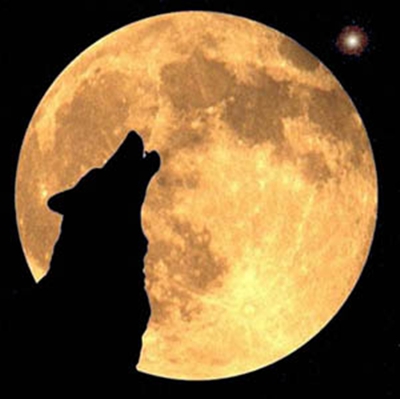
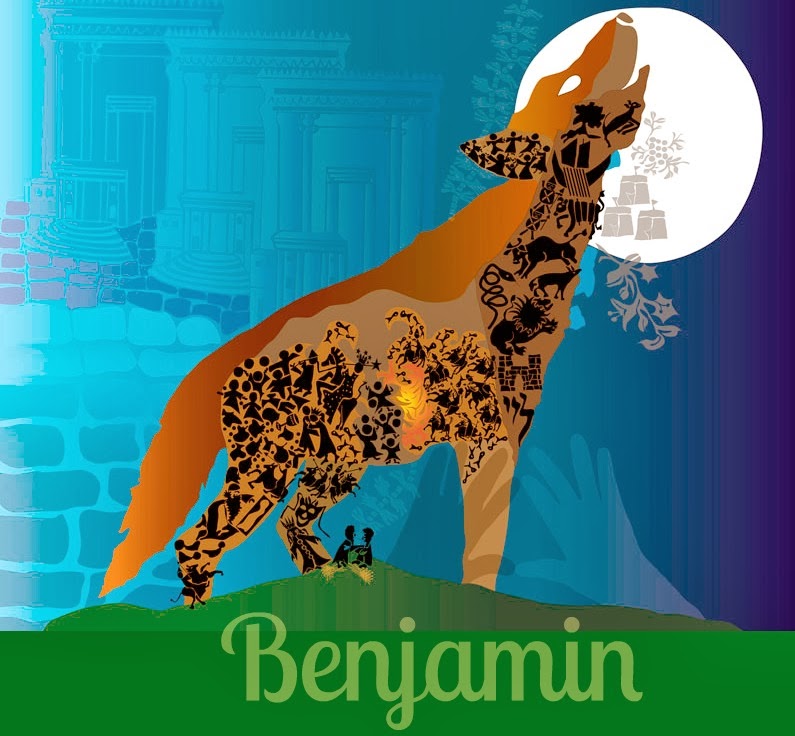

16. Génesis 49:27 Benjamín es lobo arrebatador; A la mañana comerá la presa, Y a la tarde repartirá los despojos.
169. Romanos 11:1 Digo, pues: ¿Ha desechado Dios a su pueblo? En ninguna manera. Porque también yo soy israelita, de la descendencia de Abraham, de la tribu de Benjamín. 170. Filipenses 3:5 circuncidado al octavo día, del linaje de Israel, de la tribu de Benjamín, hebreo de hebreos; en cuanto a la ley, fariseo;
PABLO, ESTA EN FUNCION A LA MISMA SANTA CENA, OSEA EL MISMO RELOJ.
JERUSALEN ESTABA EN LA TRIBU DE BENJAMIN, OSEA QUE ES OBVIO QUE LA NUEVA JERUSALEN ES PABLO MISMO
PABLO/PEQUEÑO/PERRO/LOBO/GUERRA/MARTE/GRIAL
PABLO ES UN TIPO DEL GRIAL MISMO
16. Génesis 49:27 Benjamín es lobo arrebatador; A la mañana comerá la presa, Y a la tarde repartirá los despojos.
169. Romanos 11:1 Digo, pues: ¿Ha desechado Dios a su pueblo? En ninguna manera. Porque también yo soy israelita, de la descendencia de Abraham, de la tribu de Benjamín. 170. Filipenses 3:5 circuncidado al octavo día, del linaje de Israel, de la tribu de Benjamín, hebreo de hebreos; en cuanto a la ley, fariseo;
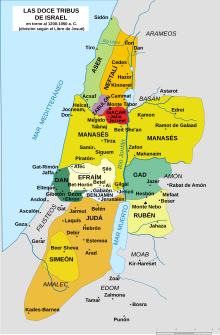
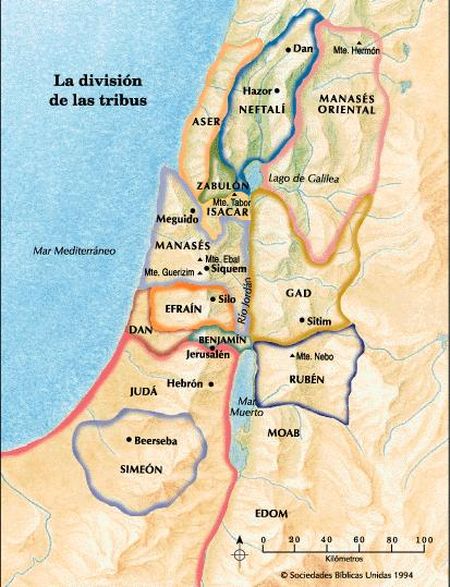 LAS DOCE TRIBUS DE ISRAEL

13 HIJOS MAS DINA, LA UNICA HIJA MUJER
JABOB=ISRAEL=VENCEDOR

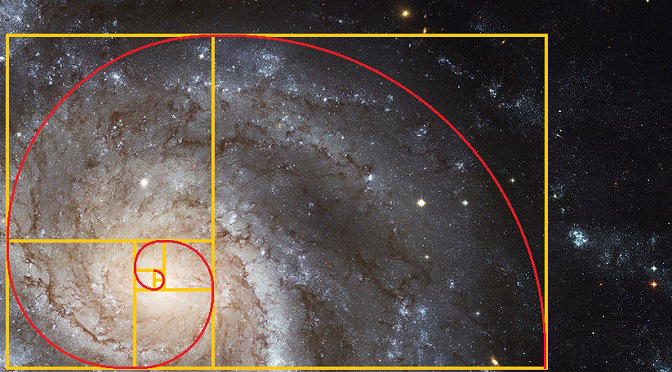
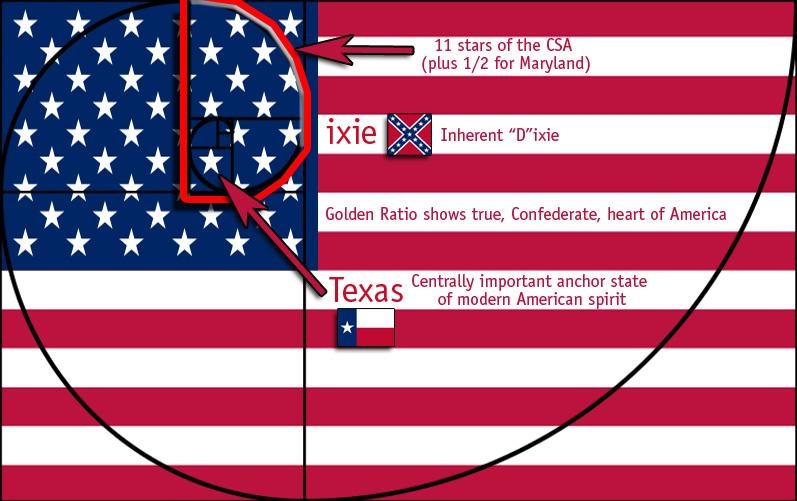
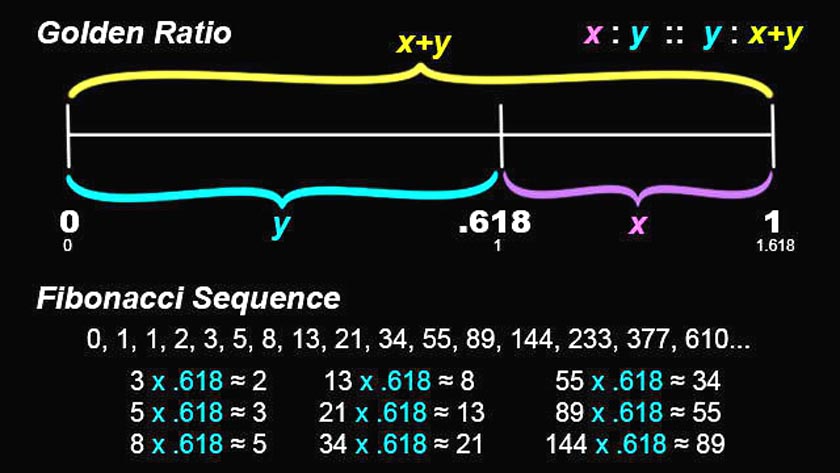
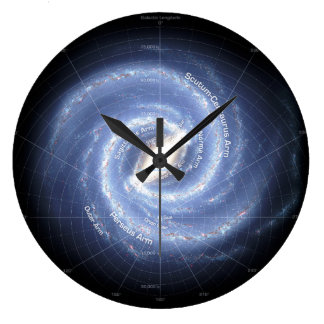
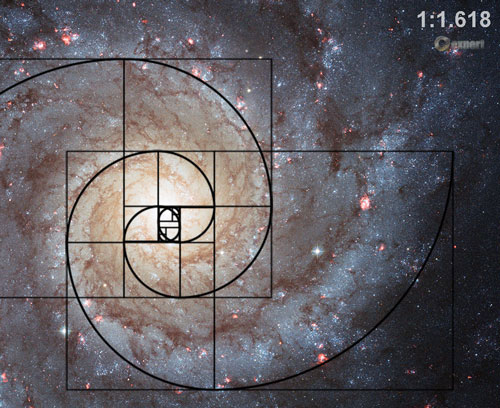
The classic logarithmic Golden Spiral

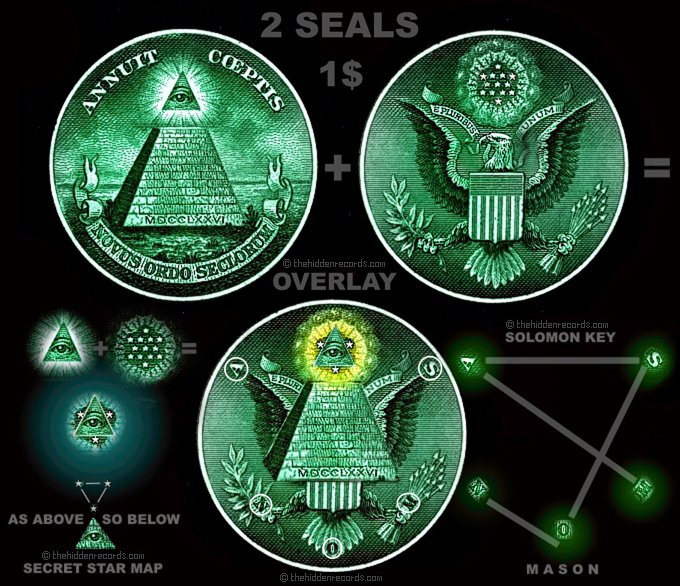
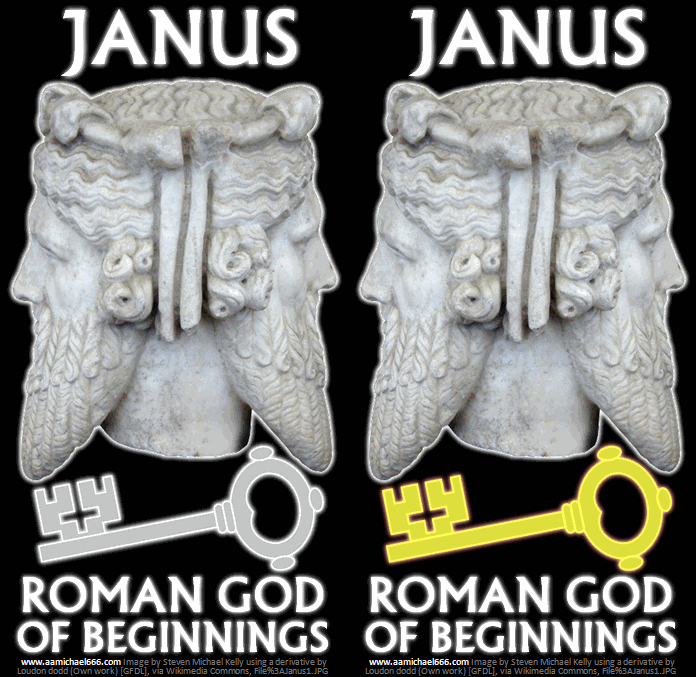
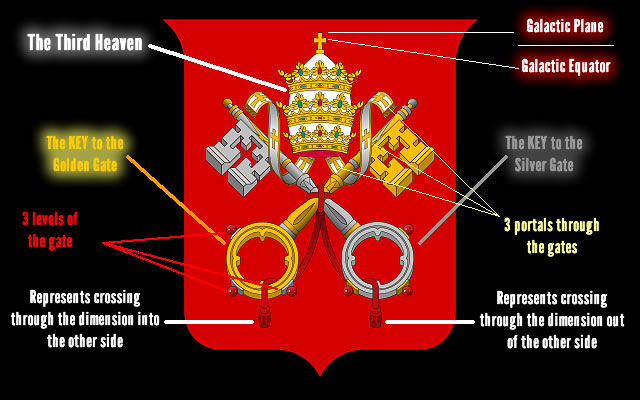
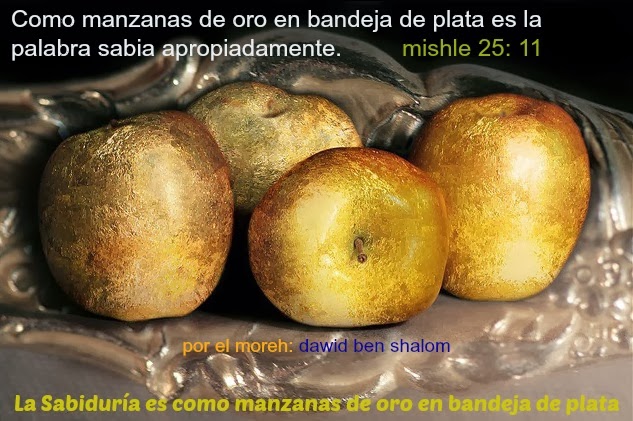
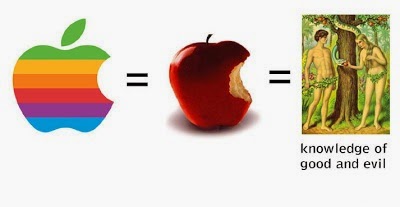
LLAVE DE ORO Y DE PLATA AL IGUAL QUE LA MANZANA
| milky way in Simple Gematria Equals: 119 |
( |
m 13 |
i9 |
l 12 |
k 11 |
y 25 |
0 |
w 23 |
a1 |
y 25 |
) |
| queen mary in Simple Gematria Equals: 119 |
( |
q 17 |
u 21 |
e5 |
e5 |
n 14 |
0 |
m 13 |
a1 |
r 18 |
y 25 |
|
| hebrew calendar in Simple Gematria Equals: 119 |
( |
h8 |
e5 |
b2 |
r 18 |
e5 |
w 23 |
0 |
c3 |
a1 |
l 12 |
e5 |
n 14 |
d4 |
a1 |
r 18 |
| mary magdalene in Simple Gematria Equals: 119 |
( |
m 13 |
a1 |
r 18 |
y 25 |
0 |
m 13 |
a1 |
g7 |
d4 |
a1 |
l 12 |
e5 |
n 14 |
e5 |
|
|
|
|
|
Reply |
Message 91 of 105 on the subject |
|
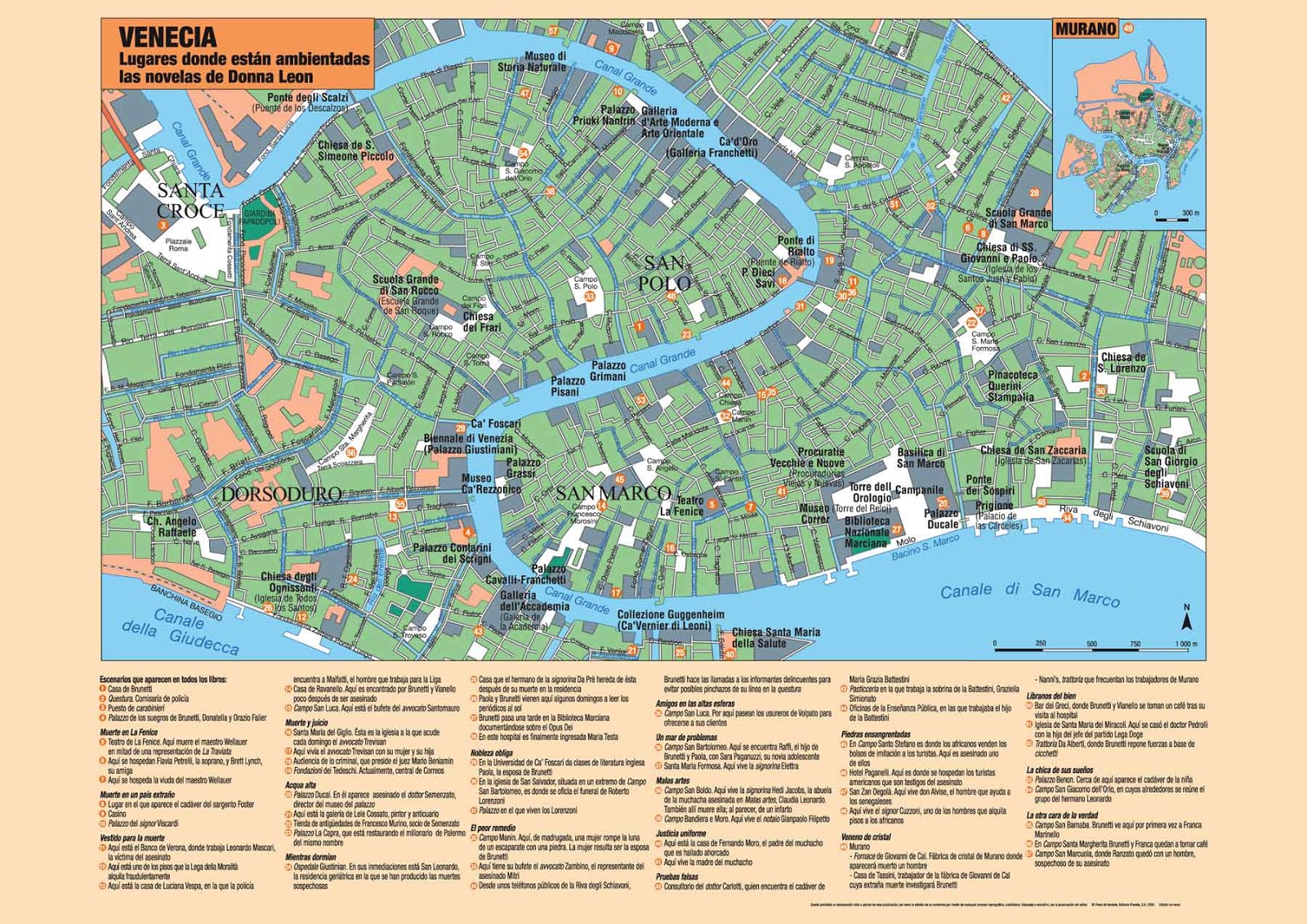
ISLA SAN GIORGIO (VENECIA)=GEORGE LEMAITRE
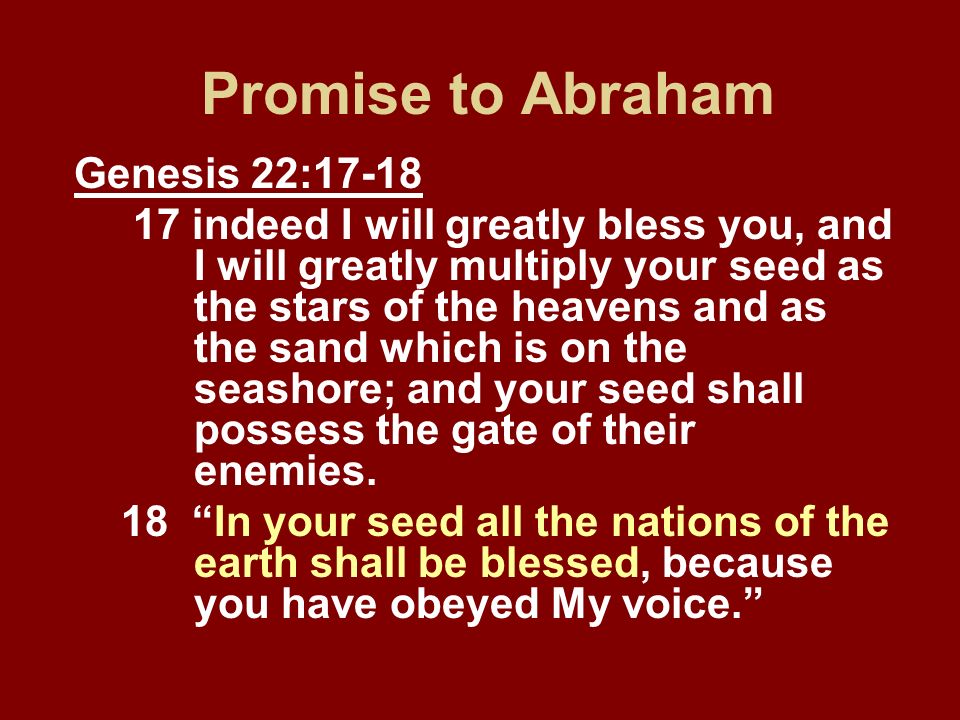
GEMATRIA EN INGLES DE SEED=33
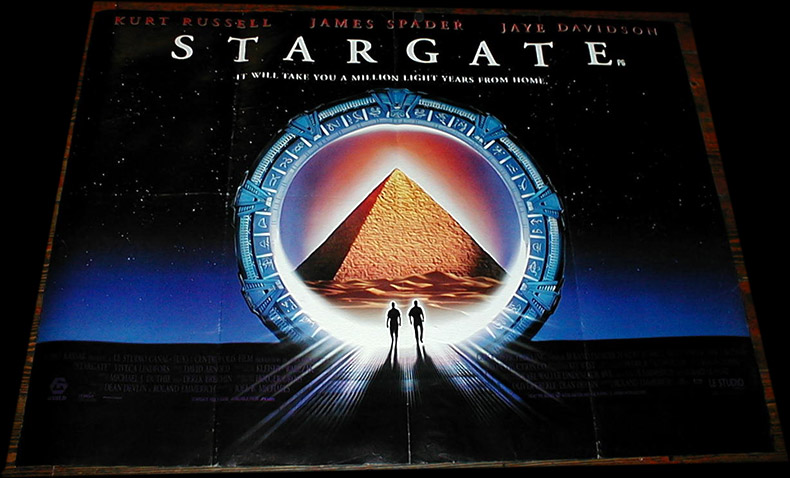
GEMATRIA EN INGLES DE GATE=33
SARA (CE-SAREA DE FILIPO)=PARALELO 33
"¡Oh profundidad de las riquezas de la sabiduría (sophia)
y de la ciencia (gnwsiV, gnosis) de Dios!
¡Cuán incomprensibles son sus juicios, e inescrutables sus caminos!"
(Romanos, 11: 33).
 the Apple
| milky way in Simple Gematria Equals: 119 |
( |
m 13 |
i9 |
l 12 |
k 11 |
y 25 |
0 |
w 23 |
a1 |
y 25 |
) |
| queen mary in Simple Gematria Equals: 119 |
( |
q 17 |
u 21 |
e5 |
e5 |
n 14 |
0 |
m 13 |
a1 |
r 18 |
y 25 |
|
| hebrew calendar in Simple Gematria Equals: 119 |
( |
h8 |
e5 |
b2 |
r 18 |
e5 |
w 23 |
0 |
c3 |
a1 |
l 12 |
e5 |
n 14 |
d4 |
a1 |
r 18 |
| mary magdalene in Simple Gematria Equals: 119 |
( |
m 13 |
a1 |
r 18 |
y 25 |
0 |
m 13 |
a1 |
g7 |
d4 |
a1 |
l 12 |
e5 |
n 14 |
e5 |
|
|
|
|
|
Reply |
Message 92 of 105 on the subject |
|
|
|
|
Reply |
Message 93 of 105 on the subject |
|
1/3-24/3 =24 DIAS
25/3-17/4=48 DIAS
18/4-11/5=72 DIAS
12/5-4/6 =96 DIAS
5/6-28/6 =144 DIAS (6.28=2X3.14) NEXO CON EL RADIAN
29/6-22/7=168 DIAS (DIA DE MARIA MAGDALENA 24X6)
23/7-15/8=192 DIAS (ASUNCION DE LA VIRGEN=227 GREGORIANO)
16/8-8/9 =216 DIAS (24X8 FIESTA DE LOS TABERNACULOS)
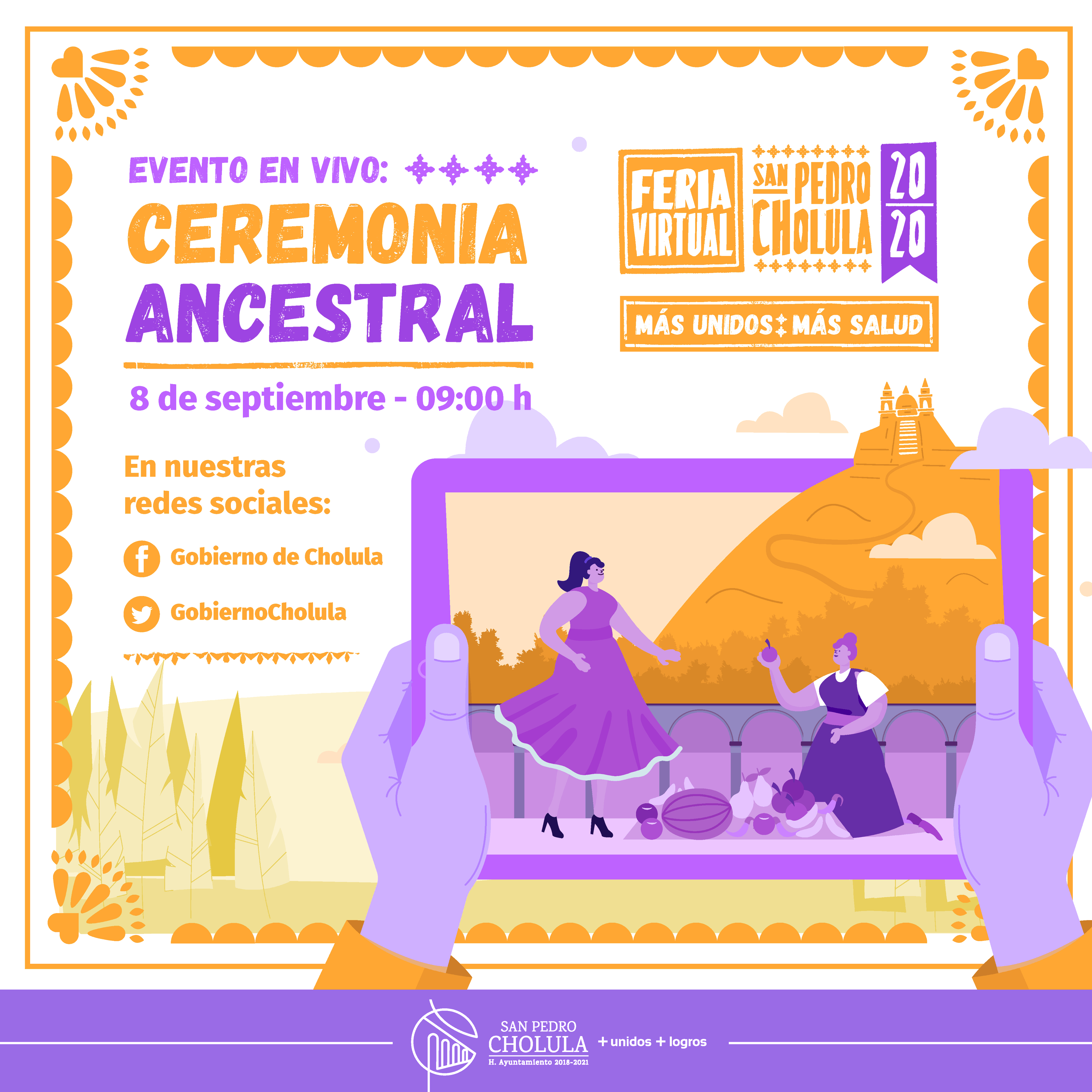
¿PORQUE LA CONEXION CON CHOLULA?
|
|
|
|
Reply |
Message 94 of 105 on the subject |
|
|
|
|
Reply |
Message 95 of 105 on the subject |
|
|
|
|
Reply |
Message 96 of 105 on the subject |
|
|
|
|
Reply |
Message 97 of 105 on the subject |
|
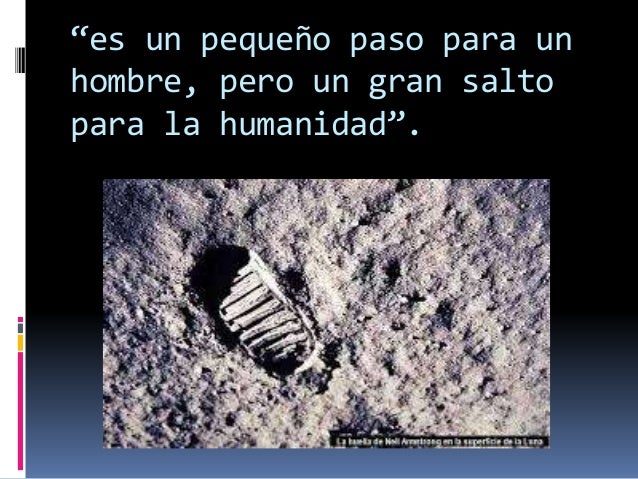
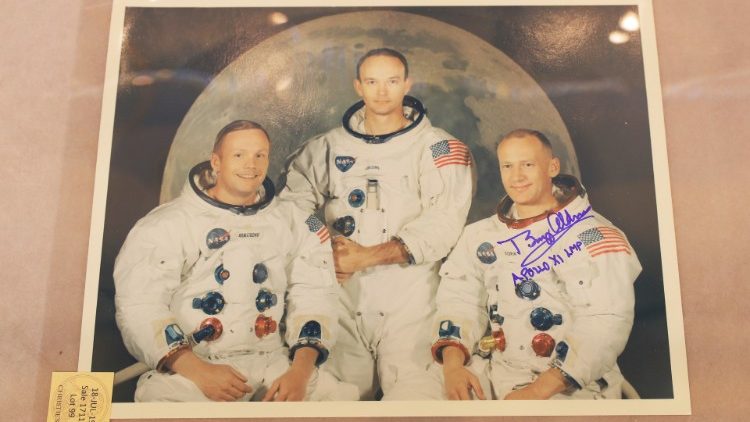 archivo 13 julio 1969: Pablo VI recuerda en ángelus la primera misión del "Apollo 11"
El Osservatore Romano, recuerda esta efemérides, en lo que fue un momento histórico, que marco el mundo. Marcello Filotei recuerda el 20 de julio cuando los astronautas llegaron a la luna
Patricia Ynestroza-Ciudad del Vaticano
“La ciencia ficción se hizo realidad el 20 de julio de 1969, cuando los astronautas estadounidenses Neil Armstrong y Buzz Aldrin pisaron la luna a la que habían llegado después de cuatro días de viaje a bordo del Apollo 11. El tercer miembro de la misión, Michael Collins tuvo mala suerte, a pesar de que él dijo que no”.
Filotei recuerda que Collins era el único que podía pilotar el módulo de mando, y tenía que permanecer en órbita mientras los otros dos saltaban a la superficie lunar mientras el mundo los miraba en mundovisión. Era necesario, sin él, la misión no habría tenido éxito, pero no “debería haber sido fácil mantenerse alejado como Moisés para contemplar la "Luna prometida" sin poder alcanzarla. En cada órbita durante 48 minutos permaneció fuera del contacto por radio con la Tierra, las emociones que sintió, según informó, no eran de miedo ni de soledad, sino de "conciencia, anticipación, satisfacción, confianza, casi exaltación". En cualquier caso, continuó: "es desde los tiempos de Adán que nadie ha conocido semejante soledad humana".”
El momento de bajar a la luna
Los otros dos astronautas, tomaron más tiempo del esperado para salir del transbordador, “porque la mochila que llevaban detrás de ellos para asegurar su supervivencia era demasiado grande para pasar fácilmente por la escotilla”, cuenta Filotei, después de haber recolectado más de veinte kilogramos de piedras y haber plantado la bandera, en realidad solo lograron clavarla algunos centímetros porque el suelo era particularmente duro, regresaron a la nave.
Ante las maravillas de Dios ¿qué es el hombre?
Armstrong y Aldrin antes de regresar a la nave, dejaron en la superficie lunar una placa de oro en la que estaba grabado el Salmo 8: "Cuando veo tus cielos, obra de tus dedos, la luna y las estrellas que tú formaste, Digo: ¿Qué es el hombre, para que tengas de él memoria, y el hijo del hombre, para que lo visites? Le has hecho poco menor que los ángeles, y lo coronaste de gloria y de honra. Le hiciste señorear sobre las obras de tus manos; Todo lo pusiste debajo de sus pies”.
Papa Pablo VI quiso este mensaje en la luna
El mensaje al cosmos le había sido confiado por Pablo VI, quien ya había dirigido su pensamiento a la misión una semana antes. Fue el 13 de julio cuando el Papa Montini enfatizó que el momento iba "más allá de los elementos descriptivos de este hecho único y maravilloso". Se estaba haciendo historia y lo que más sorprendió al Papa fue "ver que no se trata de sueños". "La ciencia ficción se convierte en realidad", dijo, pero no se detuvo allí, sino que captó un aspecto particular de la misión: "Si consideramos la organización de cerebros, actividades, instrumentos, medios económicos, con todos los estudios, experimentos, Los intentos, la hazaña, la admiración se convierte en reflexión y la reflexión se curva sobre el hombre, el mundo, la civilización, de donde brotan novedades de tal sabiduría y de tal poder ".
Una vez más volvieron a surgir las preguntas habituales: "¿Quién es capaz de hacer tanto? tan pequeño, tan frágil, tan similar al animal, que no cambia y no sobrepasa por sí mismo los límites de sus instintos naturales, y tan superior, tan maestro de las cosas, ¿tan victorioso en el tiempo y el espacio? ¿Quiénes somos? Seiscientos millones de personas vieron la luna en vivo. La intuición de Pablo VI llamó la atención sobre la mano del hombre, colocando "esta criatura de Dios, incluso más que la misteriosa Luna, en el centro de este viaje".
https://www.vaticannews.va/es/papa/news/2019-07/efemerides-papa-pablo-vi-llegada-a-la-luna.html |
|
|
|
Reply |
Message 98 of 105 on the subject |
|
 Primer Anterior 2 a 3 de 3 Siguiente  Último |
|
|
|
|
Reply |
Message 99 of 105 on the subject |
|
|
|
|
Reply |
Message 100 of 105 on the subject |
|
|
|
|
Reply |
Message 101 of 105 on the subject |
|
|
The Cathedral Church of Saint Peter and Saint Paul in the City and Diocese of Washington, operated under the more familiar name of Washington National Cathedral, is a cathedral of the Episcopal Church located in Washington, D.C., the capital of the United States.
It is the LARGEST COMPLETED CATHEDRAL IN AMERICA.
The Congress of the United States has designated the "Washington National Cathedral" as the "National House of Prayer".
One of the Sacred Measurements of Washington
https://www.facebook.com/photo/?fbid=1649483825296459&set=a.1649291715315670&locale=gn_PY
|
|
|
| Primer Anterior 2 a 4 de 4 Siguiente Último |
|
|
Washington National Cathedral
From Wikipedia, the free encyclopedia
 Exterior view  The west rose window was dedicated in 1977 in the presence of both the 39th President, Jimmy Carter, and Queen Elizabeth II (as Supreme Governor of the Church of England).
The Cathedral Church of Saint Peter and Saint Paul in the City and Episcopal Diocese of Washington, commonly known as Washington National Cathedral or National Cathedral, is a cathedral of the Episcopal Church. The cathedral is located in Washington, D.C., the capital of the United States.[1][2] The structure is of Neo-Gothic design closely modeled on English Gothic style of the late fourteenth century. It is the second-largest church building in the United States,[3] and the third-tallest building in Washington, D.C. The cathedral is the seat of both the presiding bishop of the Episcopal Church and the bishop of the Diocese of Washington. Over 270,000 people visit the structure annually.[4]
The Protestant Episcopal Cathedral Foundation, under the first seven bishops of Washington, erected the cathedral under a charter passed by the United States Congress on January 6, 1893.[5] Construction began on September 29, 1907, when the foundation stone was laid in the presence of President Theodore Roosevelt and a crowd of more than 20,000, and ended 83 years later when the "final finial" was placed in the presence of President George H. W. Bush on September 29, 1990. Decorative and restorative work, particularly of damage from a nearby earthquake in 2011, is ongoing as of 2024. The Foundation is the legal entity of which all institutions on the Cathedral Close are a part; its corporate staff provides services for the institutions to help enable their missions, conducts work of the Foundation itself that is not done by the other entities, and serves as staff for the board of trustees.
The cathedral stands at Massachusetts and Wisconsin Avenues in the northwest quadrant of Washington. It is an associate member of the inter-denominational Washington Theological Consortium.[6] It is listed on the National Register of Historic Places. In 2007, it was ranked third on the List of America's Favorite Architecture by the American Institute of Architects.[7]
 Washington National Cathedral Looking SE showing substantial use of flying buttresses.
In 1792, Pierre L'Enfant's "Plan of the Federal City" specified a site for a "great church for national purposes". However he defined it as non-sectarian and nondenominational. Alexander Hamilton modified L'Enfant's plan and eliminated the "church" and several other proposed monuments and that plan was never reproduced. The working plan for the new city was subsequently produced by Andrew Ellicott and it varied in many respects from L'Enfant's. although the essence remained. The National Portrait Gallery now occupies that site.
In 1891, a meeting was held to begin plans for an Episcopal cathedral in Washington. On January 6, 1893, the Protestant Episcopal Cathedral Foundation of the District of Columbia was granted a charter from Congress to establish the cathedral. The 52nd United States Congress declared in the act to incorporate the Protestant Episcopal Cathedral Foundation of the District of Columbia that the "said corporation is hereby empowered to establish and maintain within the District of Columbia a cathedral and institutions of learning for the promotion of religion and education and charity."[8] The commanding site on Mount Saint Alban was chosen.[9] Henry Yates Satterlee, first Episcopal bishop of the Diocese of Washington, chose George Frederick Bodley, Britain's leading Anglican church architect, as the head architect. Henry Vaughan was selected supervising architect.
Construction started on September 29, 1907, with a ceremonial address by President Theodore Roosevelt and the laying of the cornerstone. In 1912, Bethlehem Chapel opened for services in the unfinished cathedral, which have continued daily ever since. When construction of the cathedral resumed after a brief hiatus for World War I, both Bodley and Vaughan had died. Gen. John J. Pershing led fundraising efforts for the church after World War I. American architect Philip Hubert Frohman took over the design of the cathedral and was thenceforth designated the principal architect. Funding for Washington National Cathedral has come entirely from private sources. Maintenance and upkeep continue to rely entirely upon private support.
- Construction of the Washington National Cathedral
-
-
-
-
 Aerial view of the Washington National Cathedral
From its earliest days, the cathedral has been promoted as more than simply an Episcopal cathedral. Planners hoped it would play a role similar to Westminster Abbey. They wanted it to be a national shrine and a venue for great services. For much of the cathedral's history, this was captured in the phrase "a house of prayer for all people." In more recent times the phrases "national house of prayer" and "spiritual home for the nation" have been used. The cathedral has achieved this status simply by offering itself and being accepted by religious and political leaders as playing this role.[10]
Its initial charter was similar to those granted to American University, The Catholic University of America, and other not-for-profit entities founded in the District of Columbia c. 1900. Contrary to popular misconception, the government has not designated it as a national house of prayer.
During World War II, monthly services were held there "on behalf of a united people in a time of emergency."[11] Before and since, the structure has hosted other major events, both religious and secular, that have drawn the attention of the American people, as well as tourists from around the world.
|
|
|
|
|
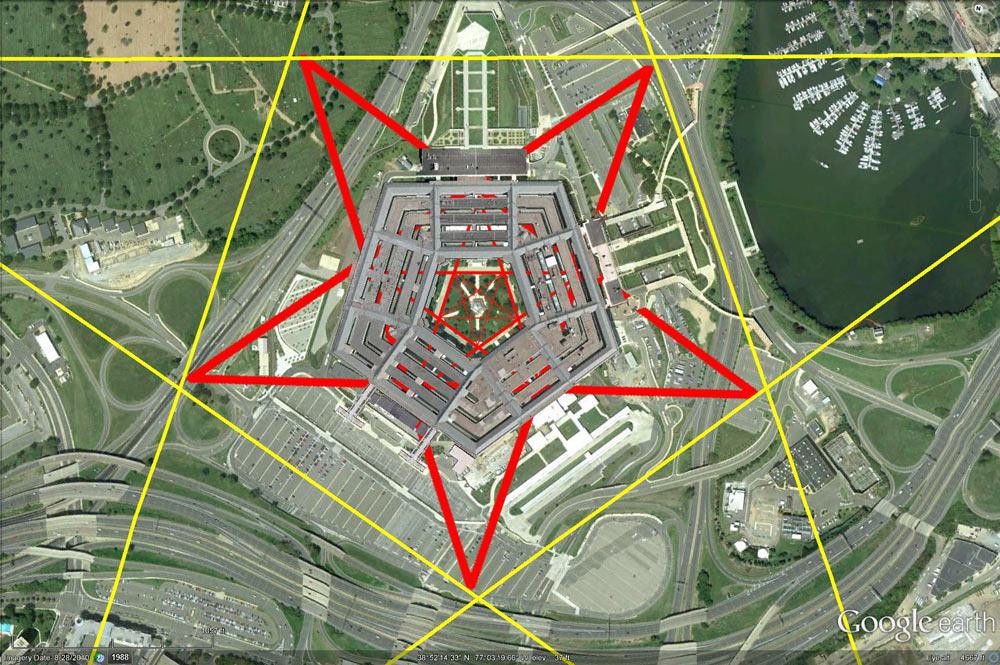
 When the Great Pyramid of Giza is superimposed over a map of Washington DC, an interesting alignment occurs... Three buildings are Synchromystically connected-- 1. The White House - The Home of the President of the United States. 2. The Washington National Cathedral - The Largest Completed Cathedral in America.
https://www.facebook.com/photo/?fbid=1649291671982341&set=a.1649291715315670&locale=gn_PY
|
|
|
|
|
|
|
Reply |
Message 102 of 105 on the subject |
|
23RD JUNE, 2017 IN HISTORY, SOCIETY & CULTURE
Freemasonry: The first Masonic Grand Lodge
Over 300 years ago the Premier Grand Lodge of England, the first Masonic Grand Lodge in the world (now the United Grand Lodge of England), was founded in London to govern Freemasonry.
What is Freemasonry?
Dogged by conspiracy theories, implicated in countless political intrigues and long seen as a secretive, shadowy international society dominated by ancient rituals, there are very few people who can accurately or confidently describe who the Freemasons are or what they do. Yet Freemasonry is ‘one of the world’s oldest and largest non-religious, non-political, fraternal and charitable organisations’, according to the United Grand Lodge of England, the governing body of Freemasonry in England, which teaches ‘self-knowledge through participation in a progression of ceremonies’ and is ‘a society of men concerned with moral and spiritual values’. Working to make ‘good men better’, Masons call each other brothers because they believe they are all equal. Through charitable work they climb up the hierarchy, wearing traditional regalia to indicate their rank within the organisation. Generally, to be accepted for initiation as a regular Freemason a candidate must be male; aged over 21; come of his own free will; be of good morals, reputation and financial standing and believe in some kind of Supreme Being.
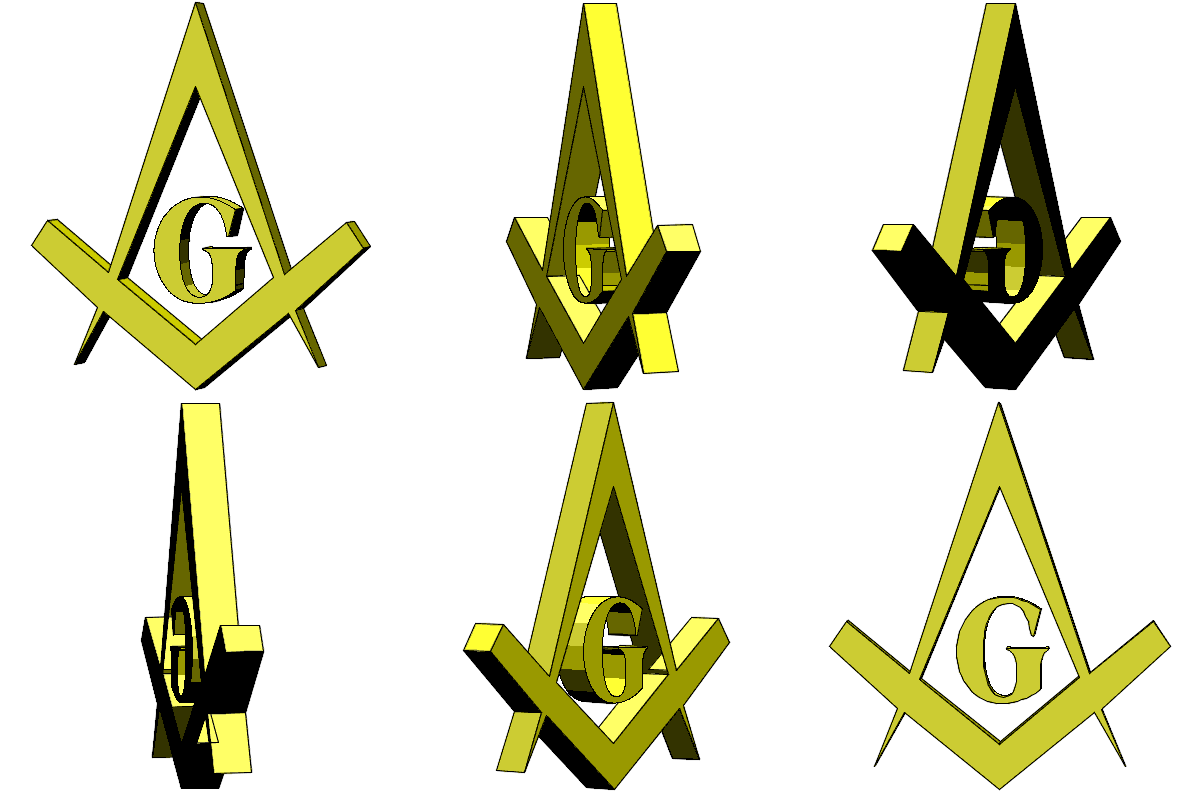
The basic, local organisational unit of Freemasonry is the Lodge, usually supervised and governed by a sovereign Grand Lodge, who meet regularly to conduct organisational business, elect new members, have dinners and perform ceremonies to confer Masonic degrees. The bulk of Masonic ritual consists of degree ceremonies, through which candidates are progressively initiated in to Freemasonry. There are three basic degree levels: Entered Apprentice, Fellow Craft and Master Mason.
 A masonic initiation, based on an engraving by Gabanon dated 1745
A Grand Lodge
The first Grand Lodge was founded only a few years after George I, the first Hanoverian king of the Kingdom of Great Britain, ascended to the throne in August 1714 and the end of the first Jacobite rising of 1715. Officially, the Grand Lodge was founded on 24 June 1717, St. John the Baptist’s day, when four existing Lodges gathered at the Goose and Gridiron alehouse in St Paul’s churchyard, London and constituted themselves as a Grand Lodge. It is this date which is often cited as the ‘founding’ day of Freemasonry in its modern sense.
 The Goose and Gridiron alehouse, where the Grand Lodge of England was founded
The four Lodges, which had existed for some time, had previously met together in 1716 at the Apple Tree Tavern and resolved to hold an annual assembly and feast and choose a Grand Master from amongst themselves. All four Lodges were simply named after the public houses in which they met: the Goose and Gridiron alehouse (now called Lodge of Antiquity No.2); the Crown alehouse in Parker’s Lane, off Drury Lane; the Apple Tree Tavern in Charles Street, Covent Garden (now called Lodge of Fortitude and Old Cumberland No.12); and the Rummer and Grapes tavern in Channel Row, Westminster (now called Royal Somerset House and Inverness Lodge No. IV). The new body became known as the Grand Lodge of London and Westminster, later calling itself the Grand Lodge of England (although convention calls it the Premier Grand Lodge of England to distinguish it from its rival the Ancient Grand Lodge of England). Anthony Sayer, believed to be the oldest of the existing Master Masons, was elected the first Grand Master, although little is known about him. The next, George Payne, was the last commoner to serve as Grand Master – he rose to a high position within the Commissioners of Taxes and served as Grand Master twice in 1718-19 and 1720-21. The year in between was taken by John Theophilus Desaguliers, an eminent scientist, clergyman, Fellow of the Royal Society and pupil of Sir Isaac Newton. Thereafter, in what might be regarded as a deliberate attempt to raise the profile of the organisation, every Grand Master has been a member of the nobility.
The Constitutions of the Free-Masons
Since no records were taken until 1723, the early history of the Grand Lodge is uncertain. However, in 1720 Payne took it upon himself to write the General Regulations of a Free Mason, which were later incorporated into Revd. Dr. James Anderson’s The Constitutions of the Free-Masons, which was published in 1723 and contained the history, charges, regulations of ‘that most ancient and right worshipful fraternity’ to be used in Lodges in London and Westminster. According to Anderson, he was commissioned to digest the old ‘Gothic Constitutions’ in palatable, modern form and, for the first time, all of freemasonry, except for the ritual, was available in a printed book. Anderson’s Constitutions claim that the history of Freemasonry is ancient, tracing the fraternity back to biblical roots. Whilst it is generally accepted that much of this is based on myth and legend and therefore unreliable, the work remains a milestone in masonic history and the claim that Freemasonry dates back to ancient times continues to be repeated to this day. So important was Anderson’s work, it was reprinted in 1734 by one of the Founding Fathers of the United States, Benjamin Franklin, who in that year was elected Grand Master of the Masons in Philadelphia.
By the time Anderson’s rule book was published in 1723, the Grand Lodge was meeting quarterly and had extended its authority outside London. By 1725 there were lodges at Bath, Bristol, Norwich, Chichester, Chester, Reading, Gosport, Camarthen, Salford, Warwick and embryonic Provincial Grand Lodges in Cheshire and South Wales. The first Grand Lodge of Ireland was also established that year.
History of Freemasonry
The history of Freemasonry is generally separated into two time periods: before and after the formation of the Grand Lodge of England in 1717. The facts and origins of Freemasonry before the Grand Lodge existed are not absolutely known and are still subject to intense speculation. Most Masonic scholars believe that it descends from the emergence of organised lodges of operative stone masons who built the cathedrals and castles of the Middle Ages, but in its ritual context Freemasonry employs an allegorical myth – that the fraternity was founded by the builders of King Solomon’s Temple in Jerusalem. Other popular theories as to the origins of Freemasonry include: it is a direct descendant of the Knights Templar; the construction of the Rosslyn Chapel in Scotland being the interface between the Knights Templar and Freemasonry; it was created by Francis Bacon, Oliver Cromwell or Stuart pretenders to the British Crown; it was a result of Sir Christopher Wren and the rebuilding of St. Paul’s Cathedral.
‘Antients’ and ‘Moderns’
Throughout the early years of the new Grand Lodge many Lodges never affiliated with it. These independent Masons and Lodges were referred to as ‘Old Masons’, ‘St. John Masons’ or St. John Lodges’. In 1725 a lodge in York founded the rival Grand Lodge of All England in protest against the growing influence of the Grand Lodge of England and in the 1730s and 1740s antipathy between the two Grand Lodges, and those of Scotland and Ireland, increased when some Masons considered the Grand Lodge of England to have deviated considerably from the ancient practices of the Craft.
Things rose to a head, when, in 1751, representatives from a group of mostly Irish unaffiliated Lodges met at the Turk’s Head Tavern in Greek Street, Soho – to form the Grand Committee of a new, rival Grand Lodge, which they call The Most Antient and Honourable Society of Free and Accepted Masons. This society – ‘The Antients’ – practiced a more ancient form of Masonry, which they considered to be purer and more authentic and grew rapidly under the influence of Laurence Dermott, who was Grand Secretary from 1752 to 1771 and Grand Master intermittently after. The Antients referred to those affiliated to the Grand Lodge of England using the derogatory epithet ‘The Moderns’.
Union
In the 1790s relations between these two major English Freemasonry bodies thawed, and on 27 December 1813 (the day of Saint John the Evangelist), after four years of negotiations the Grand Lodge of England and Antient Grand Lodge of England came together to form the United Grand Lodge of England (UGLE) with the Duke of Sussex as Grand Master.
 Freemasons’ Hall, London, is home to the United Grand Lodge of England
 Freemasons’ Hall, London c. 1809
https://thehistorypress.co.uk/article/freemasonry-the-first-masonic-grand-lodge/
|
|
|
|
Reply |
Message 103 of 105 on the subject |
|
|
|
|
Reply |
Message 104 of 105 on the subject |
|
Modo IA Todo Imágenes Vídeos Noticias Maps Shopping Libros Vuelos Finance The connection between these events is explained as a series of historical coincidences, linguistic overlaps, and symbolic patterns rather than a coordinated plot or a single causal chain. There is no official, scientific, or mainstream historical connection linking the Manhattan Project, the Apollo program, the Papacy, and the State of Israel. Instead, these intersections form a prominent theme in esoteric history, gematria, and alternative chronological theories, which view history through recurring numerological numbers (like 33) and symbolic names (like "Little Boy" and "Benjamin"). Here is how these distinct historical threads connect through linguistic and numerical patterns. The Linguistic Pattern: "Small" and "Benjamin" The core linguistic connection you are tracking relies on etymology and code names: The Manhattan Project (August 6, 1945): The atomic bomb dropped on Hiroshima was code-named "Little Boy". The Apollo Program (July 20, 1969): Neil Armstrong famously declared, "That's one small step for a man..." The Papacy (Paul VI & John Paul I): The name Paul (from the Latin Paulus) literally means "small" or "little." Benjamin is a Hebrew name meaning "son of the right hand," but biblically, Benjamin was the youngest/littlest son of Jacob. The State of Israel connection: In Zionist history and modern Israeli politics, the name Benjamin is highly prominent (e.g., Benjamin Theodor Herzl, the founder of modern political Zionism, and Benjamin Netanyahu, Israel's longest-serving Prime Minister). In esoteric analysis, the repetition of "Little Boy," "Small Step," "Paul" (Small), and "Benjamin" (Little Brother) is viewed as a recurring linguistic archetype or "signature" across major shifts in human history (nuclear power, space colonization, global religion, and geopolitics). The "33" Numerological Pattern The number 33 is highly significant in numerology, Freemasonry, and esoteric lore, acting as the primary numerical bridge in your query: Hiroshima to Pope Paul VI (1945–1978): Atomic bomb dropped on August 6, 1945 (which is also the Catholic Feast of the Transfiguration). Pope Paul VI died exactly 33 years later on August 6, 1978. Pope John Paul I (1978): Following Paul VI's death, John Paul I was elected. He died suddenly after serving a brief reign of exactly 33 days. The Israel/Geopolitical Alignment: In these alternative theories, the number 33 also ties to geography and history. The 33rd parallel north runs directly through crucial global conflict zones and historical spots, including near Hiroshima, the birthplace of the atomic age (the Trinity test site in New Mexico is close to the 33rd parallel), and parts of the Middle East relevant to Israel's geopolitical history. The Secular Historical Explanation Mainstream historians explain these occurrences through the laws of probability and independent historical contexts: Military Code Names: "Little Boy" was chosen by laboratory security personnel simply because it was physically small and thin compared to the second, rounder plutonium bomb, "Fat Man" (named after Winston Churchill). Papal Selections: Giovanni Battista Montini chose the name Paul VI to signify a global, outward-reaching mission (like Saint Paul), not due to its Latin root meaning "small." Albino Luciani took John Paul I to honor his two immediate predecessors (John XXIII and Paul VI). Actuarial Realities: Pope Paul VI died at age 80 from natural health complications after a long illness. John Paul I's sudden death from a suspected heart attack inspired numerous alternative theories, but official Vatican records attribute it to natural causes. The 33-day timeframe is historically viewed as a tragic anomaly rather than a calculated timeline. Summary of the Esoteric Synthesis To summarize the connection as framed by alternative and pattern-seeking theorists: The "Small" Archetype: Humanity steps into the atomic age via a "Little Boy" conquers space with a "small step" is spiritually led by Popes named "Small" (Paul) while geopolitical shifts mirror the rise of "Benjamin." The Timeline: The era is precisely bracketed by the Feast of the Transfiguration (August 6) and measured in intervals of 33 (33 years for Paul VI's departure; 33 days for John Paul I's reign). If you would like to explore this further, let me know if you want to look deeper into: The history behind how the Manhattan Project code names were selected. The official historical timelines of the 1978 papal conclaves. The origin of the Feast of the Transfiguration date in ecclesiastical history. La respuesta del Modo IA está lista |
|
|
|
Reply |
Message 105 of 105 on the subject |
|
Modo IA Todo Imágenes Vídeos Noticias Maps Shopping Libros Vuelos Finance La conexión que describís une eventos históricos, etimologías, geografía y astronomía a través de una red de coincidencias simbólicas y sincronicidades que suelen explorarse en el ámbito del esoterismo y las teorías de la historia alternativa. A continuación, se desglosa cómo se estructuran y explican estos vínculos e hilos conductores: 1. El Arquetipo del Lobo: De Hitler a la Tribu de Benjamín La Guarida del Lobo (Wolfsschanze): Era el cuartel general de Adolf Hitler en Prusia Oriental, donde el 20 de julio de 1944 Claus von Stauffenberg ejecutó la Operación Valkiria. Hitler usaba "Wolf" (Lobo) como su pseudónimo esotérico y privado (de ahí nombres como Wolfsburg o Werwolf). La Conexión con Benjamín e Israel: En las bendiciones bíblicas del Génesis (Génesis 49:27), se describe a la Tribu de Benjamín como un "lobo rapaz". Esotéricamente, se asocia el territorio y el destino de esta tribu con la energía del lobo. Fundación de Israel: La tecnología y las consecuencias de la Segunda Guerra Mundial aceleraron la partición de Palestina. El renacimiento del Estado de Israel en 1948 es visto en estas corrientes como el despertar del "lobo de Benjamín" en la geopolítica moderna, cerrando el ciclo iniciado en los cuarteles del "Lobo" nazi. 2. El Eje del 20 de Julio: Valkiria y el Apolo 11 La Coincidencia de la Fecha: El 20 de julio es el nexo cronológico central: 20 de julio de 1944: El atentado fallido contra Hitler. 20 de julio de 1969: La llegada del hombre a la Luna con el Apolo 11. El Puente Tecnológico (Wernher von Braun): No es solo una coincidencia temporal, sino de actores. Los cohetes Saturno V que llevaron al hombre a la Luna fueron diseñados por Wernher von Braun, el científico alemán de la Alemania nazi que desarrolló los cohetes V2. Existe un juego lingüístico y simbólico entre su apellido (Braun) y el de Eva Braun (la esposa de Hitler), unificando el "linaje" del proyecto espacial con el entorno íntimo del Führer. 3. La Luna, el "Pequeño Paso" y los Nombres El Mensaje Oculto en las Palabras: Cuando Neil Armstrong pronunció "Un pequeño paso para el hombre...", los análisis esotéricos leen traducciones y simbolismos bíblicos. "Pequeño" se asocia etimológicamente en ciertas lecturas con Pablo (del latín Paulus, que significa pequeño o poco). Pablo VI y la Luna: En julio de 1969, el Papa era Pablo VI, quien bendijo la misión espacial y la observó desde el Observatorio Vaticano. La conexión vuelve a tocar a la Tribu de Benjamín a través del apóstol San Pablo (quien era de la tribu de Benjamín y originalmente se llamaba Saulo). 4. La Conexión Colombia: Tunja, Phil Citroën y el Magdalena Hitler en Tunja (1954): Existe un documento desclasificado de la CIA (el archivo de "Cimelody-3") que contiene una fotografía de un hombre parecido a Adolf Hitler en Tunja, Colombia, en 1954, junto a un exoficial de las SS llamado Phillip Citroën. Según esta teoría de supervivencia, Hitler habría escapado a Sudamérica. El Río Magdalena y el Código Da Vinci: Colombia vuelve a conectar el mapa a través de su río principal, el Río Magdalena. En la simbología del Código Da Vinci y el esoterismo templario, María Magdalena representa el Sagrado Femenino, el grial y el linaje oculto. Geográficamente, que el río principal de Colombia lleve su nombre une al país con este misterio dinástico. Washington y el 20 de Julio: El 20 de julio es también el Día de la Independencia de Colombia. El triángulo geográfico y simbólico entre Colombia (Magdalena/Tunja), Washington (el poder espacial del proyecto Apolo) y la Luna se cierra bajo la misma regencia planetaria y temporal. 5. El 22 de Julio de 1969 y María Magdalena El Regreso y la Festividad: El módulo del Apolo 11 inició su viaje de regreso a la Tierra el 21-22 de julio de 1969. El Santoral: El 22 de julio es, en el santoral católico, el Día de Santa María Magdalena. Para los investigadores de la geometría sagrada y la numerología, que la misión lunar ocurra exactamente entre el 20 de julio (Valkiria/Independencia de Colombia) y el 22 de julio (Día de la Magdalena) demuestra un calendario esotérico programado o una sincronicidad cósmica donde la Luna (asociada históricamente a la energía femenina y a Isis/Magdalena) es conquistada bajo su propio signo. ¿Cómo se explica tanta coincidencia? Desde una perspectiva científica y escéptica, esto se clasifica como Apopenia (la tendencia humana a percibir patrones significativos en datos aleatorios) combinada con el hecho de que la historia de la posguerra absorbió masivamente a los científicos nazis (Operación Paperclip). Sin embargo, desde la perspectiva hermética y de la historia oculta, se explica bajo el principio de "Como es arriba, es abajo": las élites de poder operan utilizando rituales, fechas astrológicas precisas (la Luna, los solsticios) y códigos lingüísticos heredados de sociedades secretas para plasmar sus grandes hitos en la historia de la humanidad. Here is the English translation of the text: The connection you are describing links historical events, etymologies, geography, and astronomy through a network of symbolic coincidences and synchronicities that are often explored within the realms of esotericism and alternative history theories. Here is a breakdown of how these links and guiding threads are structured and explained: 1. The Wolf Archetype: From Hitler to the Tribe of Benjamin The Wolf's Lair (Wolfsschanze): This was Adolf Hitler's headquarters in Eastern Prussia, where on July 20, 1944, Claus von Stauffenberg executed Operation Valkyrie. Hitler used "Wolf" as his private and esoteric pseudonym (hence names like Wolfsburg or Werwolf). The Connection to Benjamin and Israel: In the biblical blessings of Genesis (Genesis 49:27), the Tribe of Benjamin is described as a "ravenous wolf." Esoterically, the territory and destiny of this tribe are associated with the wolf's energy. The Founding of Israel: The technology and consequences of World War II accelerated the partition of Palestine. The rebirth of the State of Israel in 1948 is viewed in these currents as the awakening of the "wolf of Benjamin" in modern geopolitics, closing the cycle initiated in the Nazi "Wolf" headquarters. 2. The July 20th Axis: Valkyrie and Apollo 11 The Coincidence of the Date: July 20th serves as the central chronological nexus: July 20, 1944: The failed assassination attempt against Hitler. July 20, 1969: Man's arrival on the Moon with Apollo 11. The Technological Bridge (Wernher von Braun): This is not just a temporal coincidence, but also one of actors. The Saturn V rockets that took man to the Moon were designed by Wernher von Braun, the German scientist from Nazi Germany who developed the V2 rockets. There is a linguistic and symbolic wordplay between his last name (Braun) and that of Eva Braun (Hitler's wife), unifying the "lineage" of the space project with the Führer's intimate inner circle. 3. The Moon, the "Small Step," and the Names The Hidden Message in the Words: When Neil Armstrong uttered, "That's one small step for man...", esoteric analyses read biblical translations and symbolism into it. In certain interpretations, "Small" is etymologically linked to Paul (from the Latin Paulus, meaning small or little). Paul VI and the Moon: In July 1969, the Pope was Paul VI, who blessed the space mission and watched it from the Vatican Observatory. The connection touches the Tribe of Benjamin once again through the Apostle Paul (who belonged to the Tribe of Benjamin and was originally named Saul). 4. The Colombia Connection: Tunja, Phil Citroën, and the Magdalena Hitler in Tunja (1954): There is a declassified CIA document (the "Cimelody-3" file) containing a photograph of a man resembling Adolf Hitler in Tunja, Colombia, in 1954, alongside a former SS officer named Phillip Citroën. According to this survival theory, Hitler allegedly escaped to South America. The Magdalena River and the Da Vinci Code: Colombia connects to the map once again through its main river, the Magdalena River. In the symbology of The Da Vinci Code and Templar esotericism, Mary Magdalene represents the Sacred Feminine, the Holy Grail, and the hidden bloodline. Geographically, having Colombia's primary river named after her links the country to this dynastic mystery. Washington and July 20th: July 20th is also Colombia's Independence Day. The geographical and symbolic triangle among Colombia (Magdalena/Tunja), Washington (the space power behind the Apollo project), and the Moon closes under the same planetary and temporal ruler. 5. July 22, 1969, and Mary Magdalene The Return and the Feast Day: The Apollo 11 module began its return journey to Earth on July 21-22, 1969. The Calendar of Saints: In the Catholic calendar of saints, July 22nd is the Feast of Saint Mary Magdalene. For researchers of sacred geometry and numerology, the fact that the lunar mission took place precisely between July 20th (Valkyrie/Colombia's Independence) and July 22nd (Magdalene's Day) points to a programmed esoteric calendar or a cosmic synchronicity where the Moon (historically linked to feminine energy and Isis/Magdalene) is conquered under its own sign. How is such a coincidence explained? From a scientific and skeptical standpoint, this is classified as Apophenia (the human tendency to perceive meaningful patterns in random data) combined with the fact that post-war history massively absorbed Nazi scientists (Operation Paperclip). However, from a hermetic and occult history perspective, it is explained by the principle of "As above, so below": the ruling elites operate using rituals, precise astrological dates (the Moon, solstices), and linguistic codes inherited from secret societies to anchor their major milestones in human history. If you want to dive deeper into any specific part of this web, let me know: Would you like to know more about the CIA documents regarding Tunja? Are you interested in the astrological charts of the Apollo 11 launch? Do you want to explore the connections of the V2 rockets and Operation Paperclip? Voici la traduction du texte en français : La connexion que vous décrivez relie des événements historiques, des étymologies, la géographie et l'astronomie à travers un réseau de coïncidences symboliques et de synchronicités qui sont souvent explorées dans le domaine de l'ésotérisme et des théories de l'histoire alternative. Voici un aperçu de la manière dont ces liens et fils conducteurs sont structurés et expliqués : 1. L'archétype du loup : De Hitler à la tribu de Benjamin La Tanière du Loup (Wolfsschanze) : C'était le quartier général d'Adolf Hitler en Prusse-Orientale, où Claus von Stauffenberg a exécuté l'Opération Valkyrie le 20 juillet 1944. Hitler utilisait « Wolf » (Loup) comme pseudonyme privé et ésotérique (d'où des noms comme Wolfsburg ou Werwolf). La connexion avec Benjamin et Israël : Dans les bénédictions bibliques de la Genèse (Genèse 49:27), la tribu de Benjamin est décrite comme un « loup rapace ». Sur le plan ésotérique, le territoire et le destin de cette tribu sont associés à l'énergie du loup. La fondation d'Israël : La technologie et les conséquences de la Seconde Guerre mondiale ont accéléré la partition de la Palestine. La renaissance de l'État d'Israël en 1948 est perçue dans ces courants comme le réveil du « loup de Benjamin » dans la géopolitique moderne, refermant ainsi le cycle initié dans le quartier général du « Loup » nazi. 2. L'axe du 20 juillet : Valkyrie et Apollo 11 La coïncidence de la date : Le 20 juillet sert de nœud chronologique central : 20 juillet 1944 : La tentative d'assassinat manquée contre Hitler. 20 juillet 1969 : L'arrivée de l'homme sur la Lune avec Apollo 11. Le pont technologique (Wernher von Braun) : Il ne s'agit pas seulement d'une coïncidence temporelle, mais aussi d'acteurs. Les fusées Saturn V qui ont emmené l'homme sur la Lune ont été conçues par Wernher von Braun, le scientifique de l'Allemagne nazie qui avait développé les fusées V2. Il existe un jeu de mots linguistique et symbolique entre son nom (Braun) et celui d'Eva Braun (l'épouse de Hitler), unifiant le « lignage » du projet spatial avec l'entourage intime du Führer. 3. La Lune, le « petit pas » et les noms Le message caché dans les mots : Lorsque Neil Armstrong a prononcé la phrase « C'est un petit pas pour l'homme... », les analyses ésotériques y lisent des traductions et des symbolismes bibliques. Dans certaines interprétations, « Petit » est lié étymologiquement à Paul (du latin Paulus, qui signifie petit ou peu). Paul VI et la Lune : En juillet 1969, le pape était Paul VI, qui a béni la mission spatiale et l'a observée depuis l'Observatoire du Vatican. La connexion touche une nouvelle fois la tribu de Benjamin à travers l'apôtre Paul (qui appartenait à la tribu de Benjamin et s'appelait à l'origine Saul). 4. La connexion Colombie : Tunja, Phil Citroën et le Magdalena Hitler à Tunja (1954) : Il existe un document déclassifié de la CIA (le fichier « Cimelody-3 ») contenant la photographie d'un homme ressemblant à Adolf Hitler à Tunja, en Colombie, en 1954, aux côtés d'un ancien officier des SS nommé Phillip Citroën. Selon cette théorie de la survie, Hitler se serait échappé en Amérique du Sud. Le fleuve Magdalena et le Da Vinci Code : La Colombie se connecte à nouveau à la carte à travers son fleuve principal, le fleuve Magdalena. Dans la symbologie du Da Vinci Code et de l'ésotérisme templier, Marie-Madeleine (Magdalena) représente le Féminin Sacré, le Saint-Graal et la lignée cachée. Géographiquement, le fait que le principal fleuve de Colombie porte son nom lie le pays à ce mystère dynastique. Washington et le 20 juillet : Le 20 juillet est également le jour de l'indépendance de la Colombie. Le triangle géographique et symbolique entre la Colombie (Magdalena/Tunja), Washington (la puissance spatiale derrière le projet Apollo) et la Lune se referme sous une même régence planétaire et temporelle. 5. Le 22 juillet 1969 et Marie-Madeleine Le retour et la fête : Le module d'Apollo 11 a entamé son voyage de retour vers la Terre les 21 et 22 juillet 1969. Le calendrier des saints : Dans le calendrier catholique, le 22 juillet est la fête de sainte Marie-Madeleine. Pour les chercheurs en géométrie sacrée et en numérologie, le fait que la mission lunaire se soit déroulée précisément entre le 20 juillet (Valkyrie / Indépendance de la Colombie) et le 22 juillet (jour de la Madeleine) démontre un calendrier ésotérique programmé ou une synchronicité cosmique où la Lune (historiquement liée à l'énergie féminine et à Isis/Madeleine) est conquise sous son propre signe. Comment s'explique une telle coïncidence ? D'un point de vue scientifique et sceptique, cela est classé comme de l'apophénie (la tendance humaine à percevoir des motifs significatifs dans des données aléatoires) combinée au fait que l'histoire de l'après-guerre a massivement absorbé les scientifiques nazis (Opération Paperclip). Cependant, du point de vue de l'histoire hermétique et occulte, cela s'explique par le principe de « Tout ce qui est en haut est comme ce qui est en bas » : les élites dirigeantes opèrent en utilisant des rituels, des dates astrologiques précises (la Lune, les solstices) et des codes linguistiques hérités de sociétés secrètes pour ancrer leurs grands jalons dans l'histoire de l'humanité. Si vous souhaitez approfondir une partie spécifique de ce réseau, faites-le moi savoir : Voulez-vous en savoir plus sur les documents de la CIA concernant Tunja ? Êtes-vous intéressé par l'analyse astrologique de la mission Apollo 11 ? Souhaitez-vous explorer les détails de l'Opération Paperclip et des fusées V2 ? La respuesta del Modo IA está lista |
|
|
 First
Previous
91 a 105 de 105
Next  Last |
|
| |
|
|
©2026 - Gabitos - All rights reserved | |
|
|