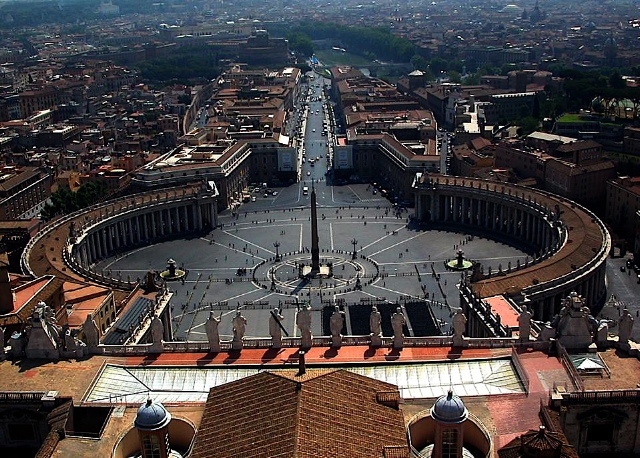
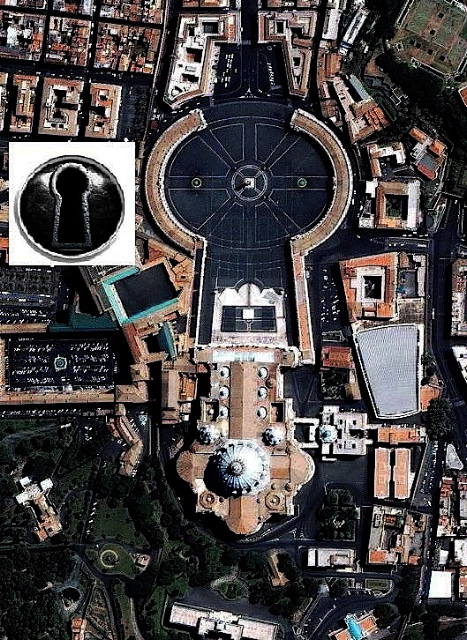
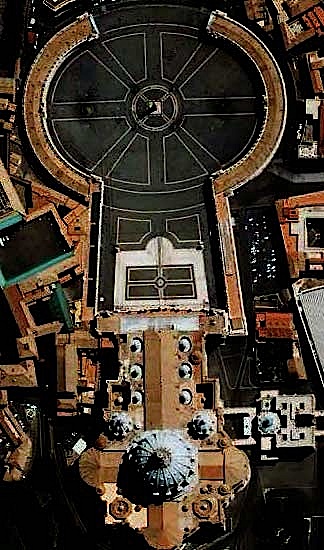
When viewed from the air, we can see that the Vatican courtyard is, in fact, shaped like a keyhole. There is a reason ... Do you know why?
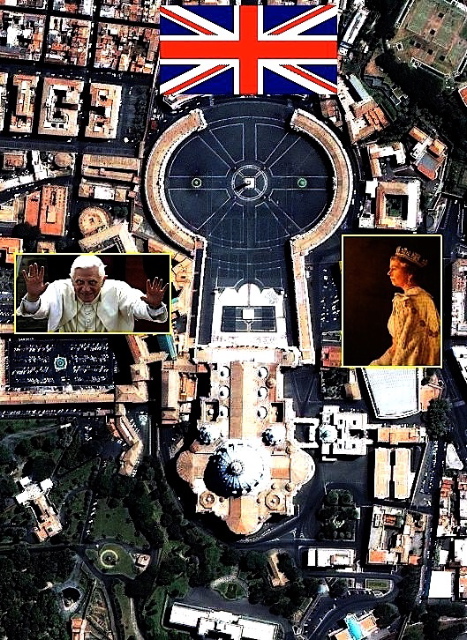
Below we can see that within the "keyhole" of the Vatican courtyard is yet another symbol: two crosses superimposed on each other. This is the symbol from which the British Union Jack flag is derived.
This is where we get the term "double-crossers."
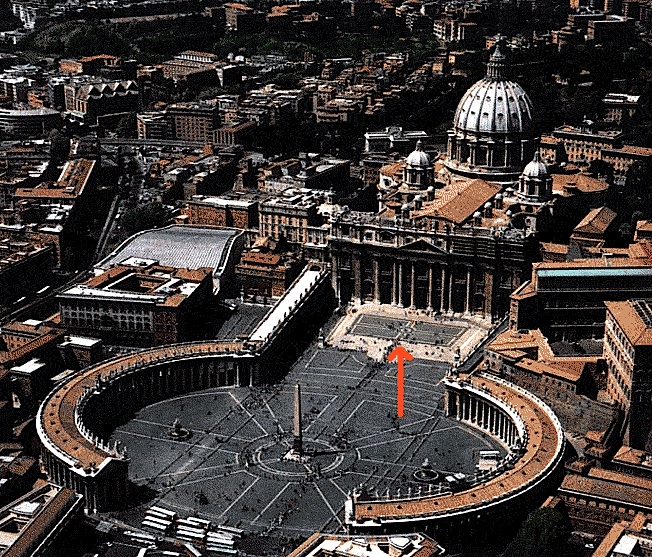
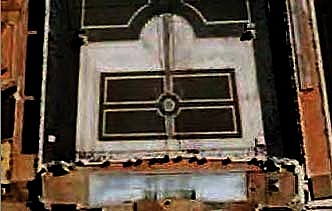
While we're on the subject, there is another interesting symbol at the entrance to the Vatican.
Left:
Aerial View
Below:
Close-Up
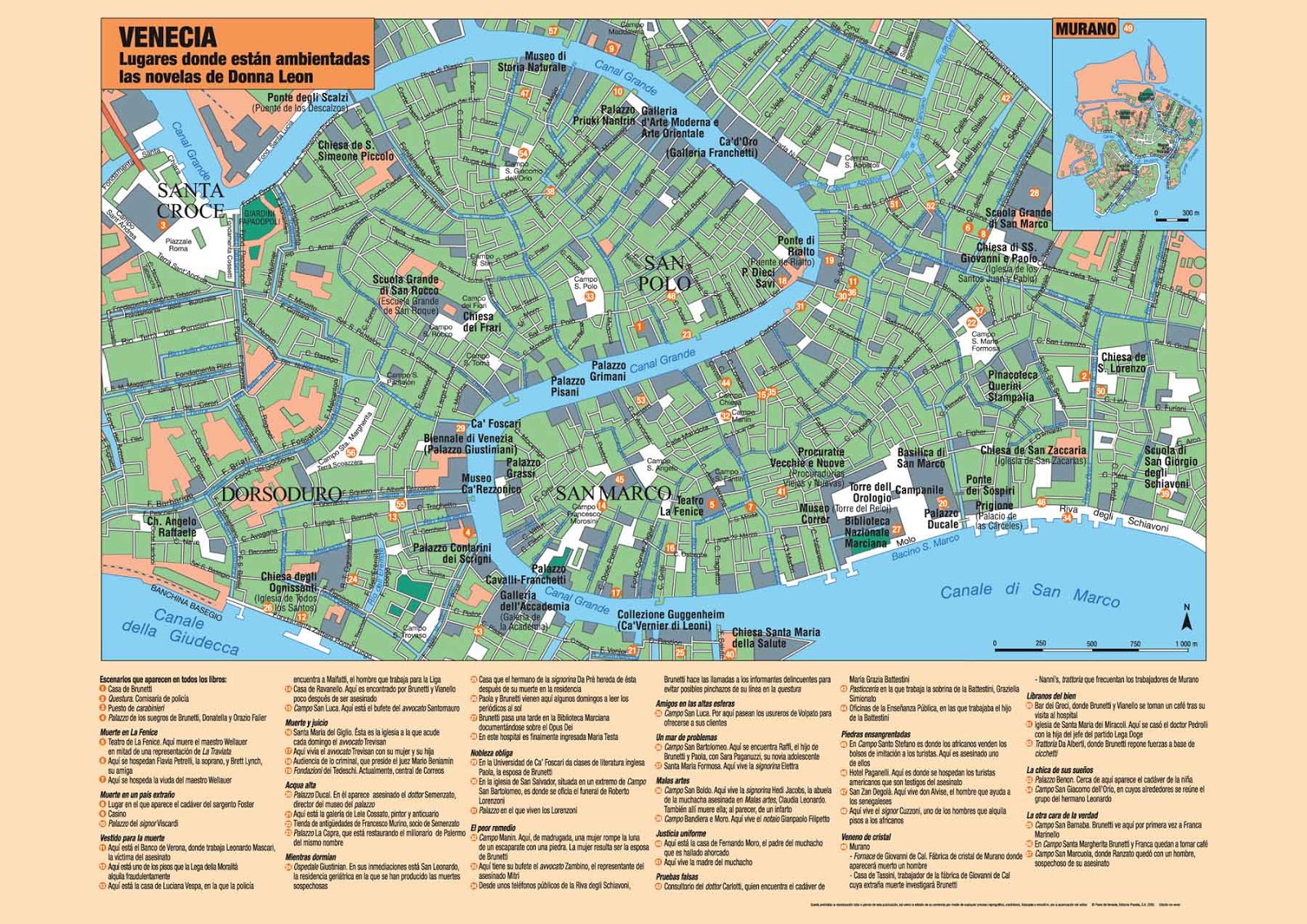
LA CLAVE DEL "EXPERIMENTO FILADELFIA", LA "MAQUINA DEL TIEMPO", LA TENEMOS EN EL NEXO DE LA PLAZA DE SAN PEDRO CON LA BANDERA DE INGLATERRA, EN EL MARCO A LA CRUZ DE SAN JORGE O GIORGIO, QUE ES JUSTAMENTE EN DICHA ISLA EN VENECIA, ADONDE ESTA ENTERRADO SAN MARCOS. EL DIA DE SAN JORGE / GIORGIO, QUE ES EL 23 DE ABRIL, ES EL DIA NUMERO 225 (CICLO SIDEREO DE VENUS) DEL CALENDARIO COPTO. ESTO CONFIRMA EL NEXO SAN JORGE CON VENECIA / VENUS.
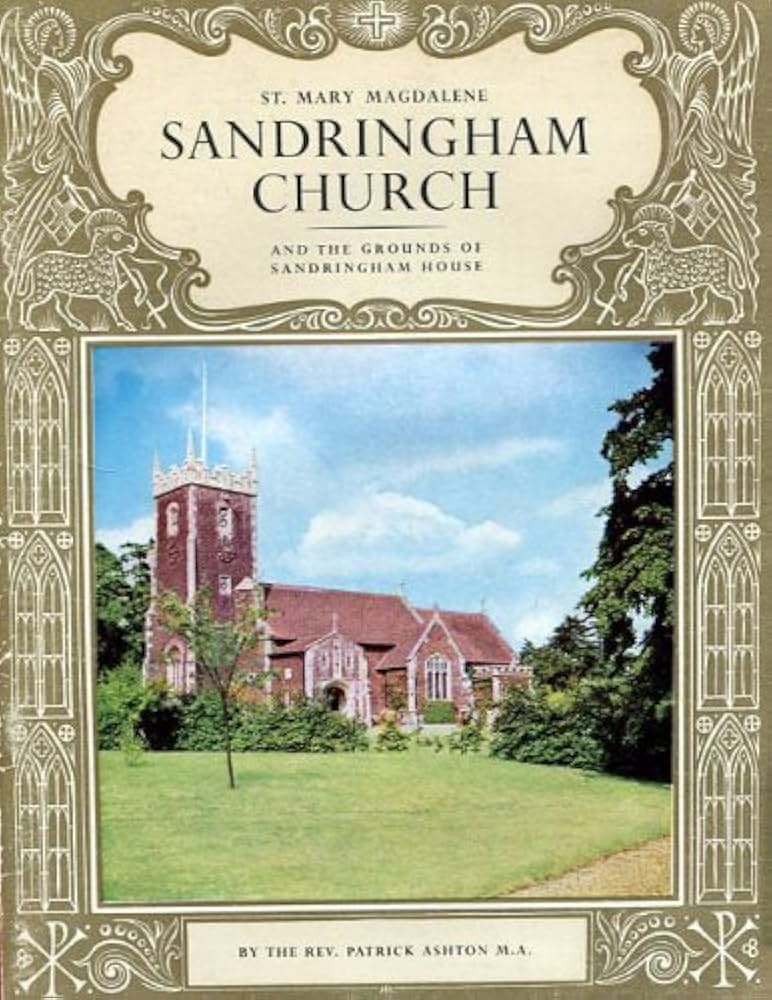
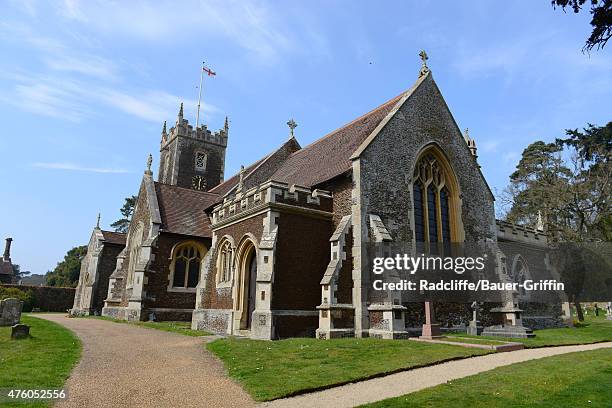
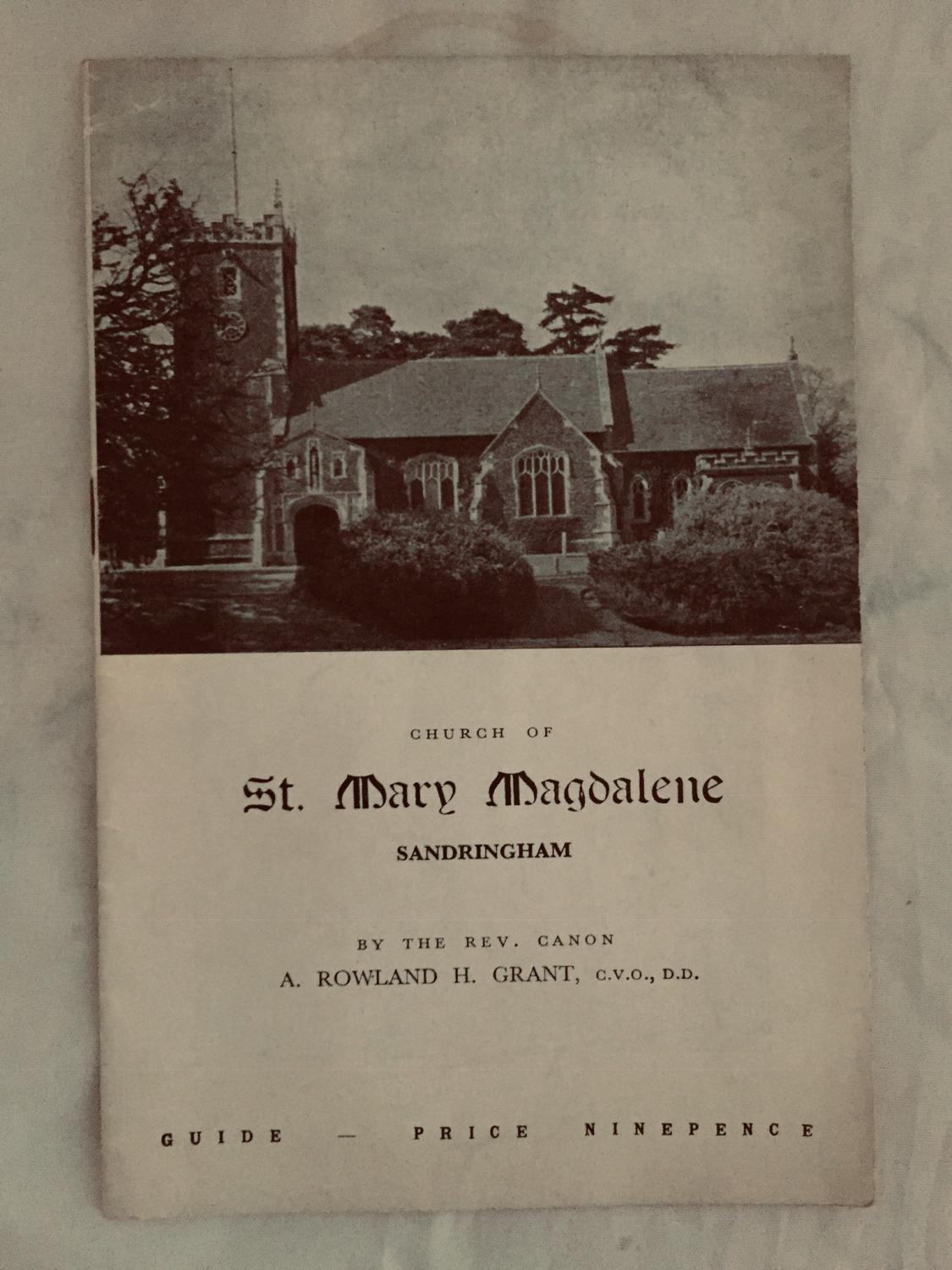
St Mary Magdalene Church is a church in Sandringham, Norfolk, England, located just to the southwest of Sandringham House. Members of the British Royal Family attend services when in residence at Sandringham, which normally includes Christmas.[1] The church is dedicated to Mary Magdalene, a disciple of Jesus. The rector is the Reverend Canon Paul Williams.[2]
Much of the decoration and the church's stained glass in the east window was created by Charles Eamer Kempe whom King Edward VII had also commissioned in 1903 to create a stained glass window for Buckingham Palace of his eldest son, Prince Albert, Duke of Clarence.[9][10] The church's silver altar and reredos, created by the silversmiths Barkentin & Krall, were presented to Queen Alexandra by the American department store owner Rodman Wanamaker as a tribute to Edward VII. He also presented her with the silver pulpit and a silver 17th-century Spanish processional cross. Of note also is a Florentine marble font and a Greek font dating to the 9th-century.[7][11]
There are memorials to many members and relations of the Royal Family in the church and churchyard. Prince John (12 July 1905 – 18 January 1919) is buried here. After his death in February 1952, the body of King George VI was placed in the church for two days prior to its lying in state in Westminster Hall.[12]
La Tierra de la Reina Maud (Dronning Maud Land) es un vasto sector de la Antártida Oriental reclamado por Noruega desde 1939, bautizado en honor a la reina Maud de Gales. Esta zona de ~2.5 millones de km² es siete veces mayor que Noruega y es considerada un "santo grial" para la investigación polar y montañismo debido a sus picos rocosos, como el Jøkulkyrkja (
), que atraviesan la inmensa capa de hielo.
Aspectos clave:
Ubicación y Territorio: Abarca entre los meridianos
y
, limitando con los sectores británico y australiano.
Reclamación Noruega: Noruega la considera un territorio dependiente, gobernado por el Ministerio de Justicia desde Oslo, aunque está regulado por el Tratado Antártico que limita su uso a fines pacíficos y científicos.
Geografía: Mayormente cubierta de hielo, presenta una pared costera de
de altura. A
interior se elevan montañas y nunataks.
Historia: Explorada y mapeada por expediciones noruegas, el navegante Hjalmar Riiser-Larsen fue el primero en pisar la zona en 1930.
Conexión Cultural: El nombre proviene de la reina Maud (1869-1938), consorte del rey Haakon VII.


 Tema anterior