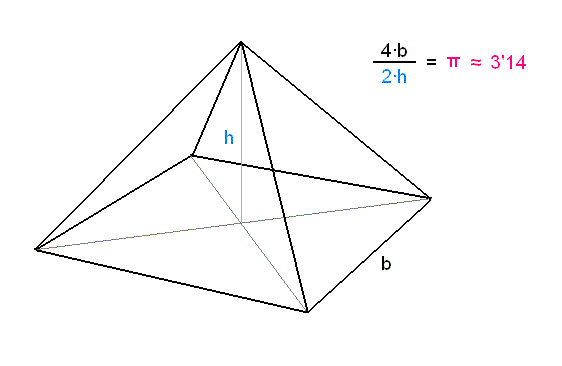
ES OBVIA LA RELACION DEL PI EN EL CONTEXTO AL NUMERO 4 Y LA MISMA SANTA CENA.
PI=4/RAIZ DE PHI
ESE APARENTEMENTE POR KAVALA ES EL VERDADERO VALOR DE PI SEGUN LA BIBLIA.
EL PI ES EVIDENTE QUE TIENE CONOTACION CON EL TIEMPO, INSISTO EN EL MARCO A QUE EL UNICO MANDAMIENTO DE LA TORA, NEXO CON EL TIEMPO ES EL CUARTO. EXODO 20 Y DEUTERONOMIO 5
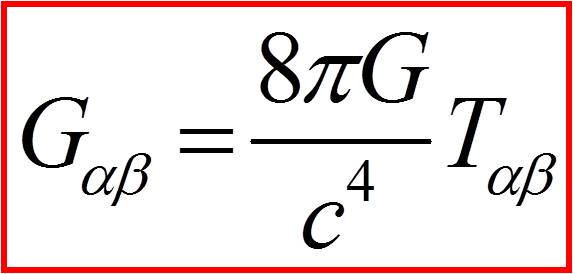
NOTEN LA RELACION CON EL PI EN LA FORMULA DE EINSTEIN
ESTO NOS CONFIRMA QUE DICHO NUMERO TIENE FUERTE NEXO CON EL TIEMPO.
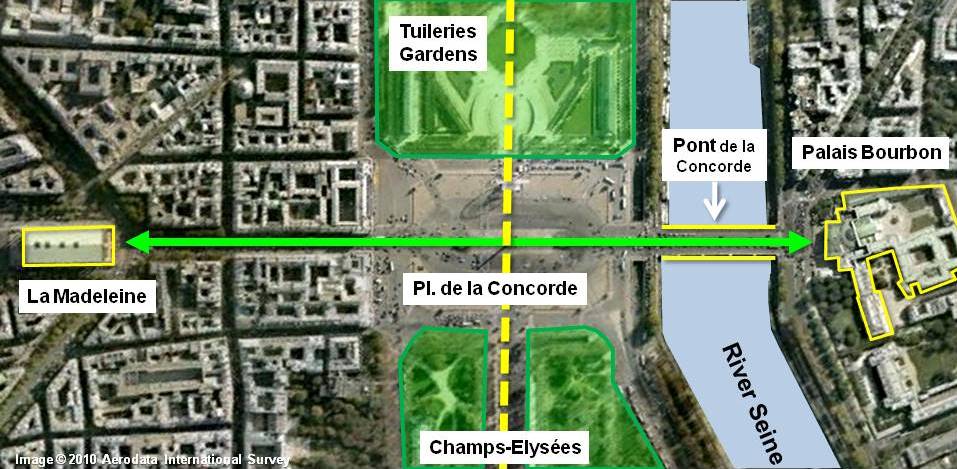
La plaza de la Concordia se encuentra al pie de la avenida de los Campos Elíseos y bordea los jardines de las Tullerías. Hoy destaca por el Obelisco de Luxor (que data del año 3.300 a.C. y fue erigido en mayo de 1998), los prestigiosos hoteles que la bordean y sus dos fuentes monumentales (Fontaine des Mers y Fontaine des Fleuves). Creada a finales del siglo XVIII, la plaza de la Concordia fue conocida por ser uno de los lugares de ejecución durante la Revolución Francesa. Luis XVI y María Antonieta (entre otros) fueron guillotinados aquí. Entre 1836 y 1846, el arquitecto Jacques-Ignace Hittorf transformó la plaza en lo que es hoy.
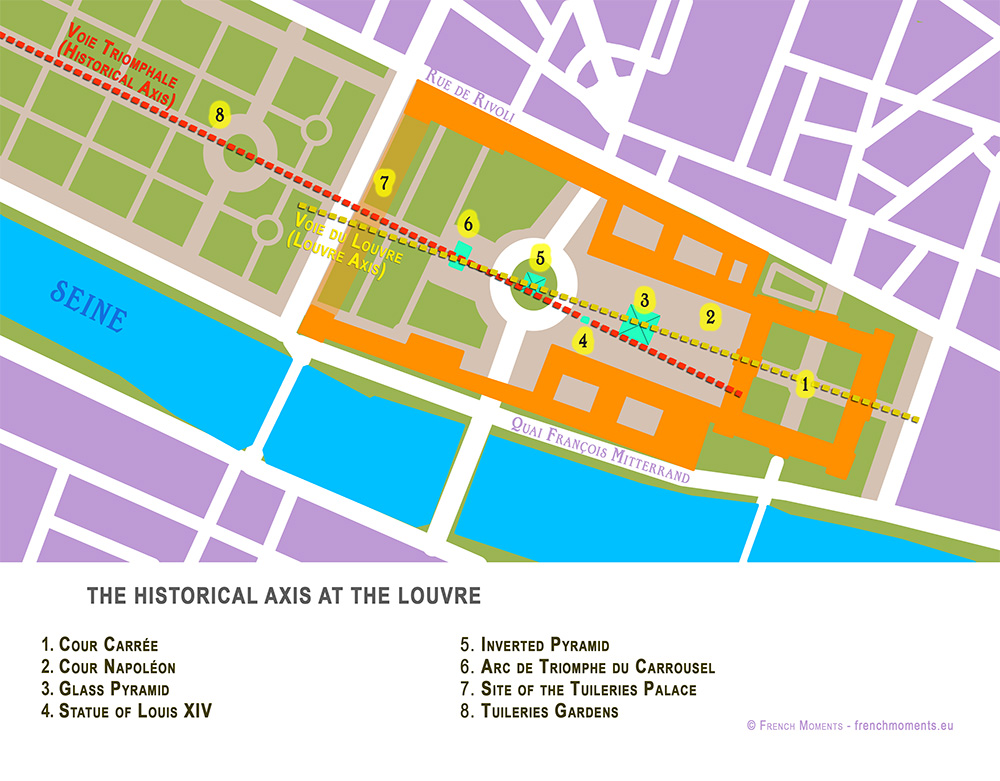
You may know Paris for its cathedral Notre-Dame, the Eiffel Tower, its café culture and its amazing museums and art galleries. The French capital is also famous for its fantastic perspective that runs from the Louvre to La Défense. This is the ‘Voie Triomphale’, aka the Historical Axis of Paris.
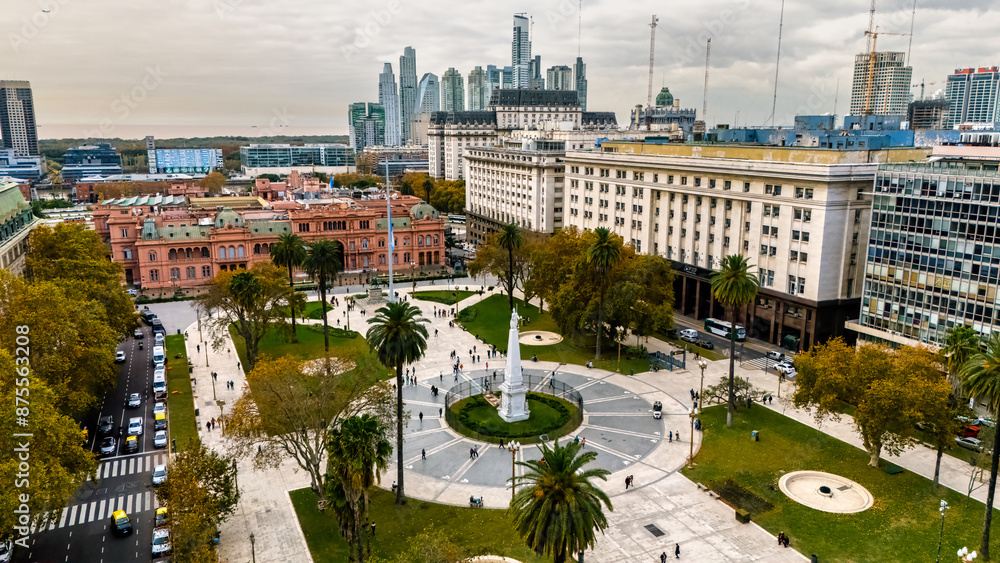
This line is one of the most prestigious perspectives in the world. In fact, its design has inspired cities such as Buenos Aires, Washington DC, New Delhi and Canberra. In this article, we’ll learn more about the Historical Axis of Paris. We’ll discover the stunning monuments and I reveal to you some stunning facts.
More than just a series of monuments placed along the axis, it seems that a complex symbolism was at work in the mind of the successive urban planners.
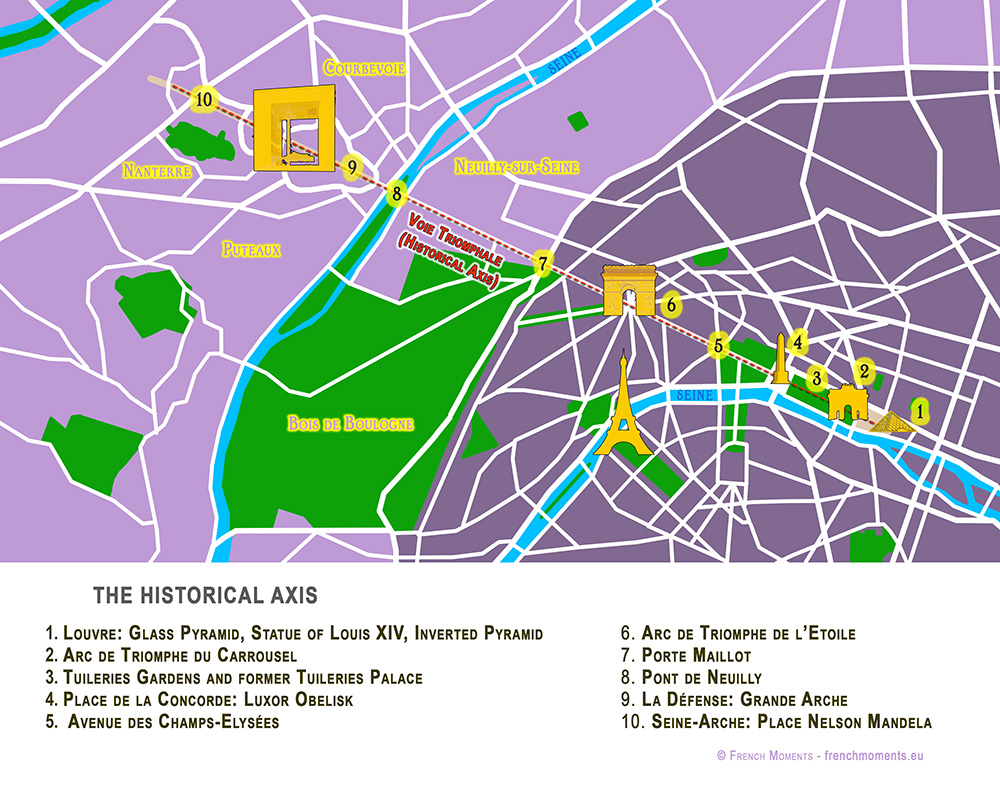
The Historical Axis runs through some of Paris’ most celebrated monuments and squares:
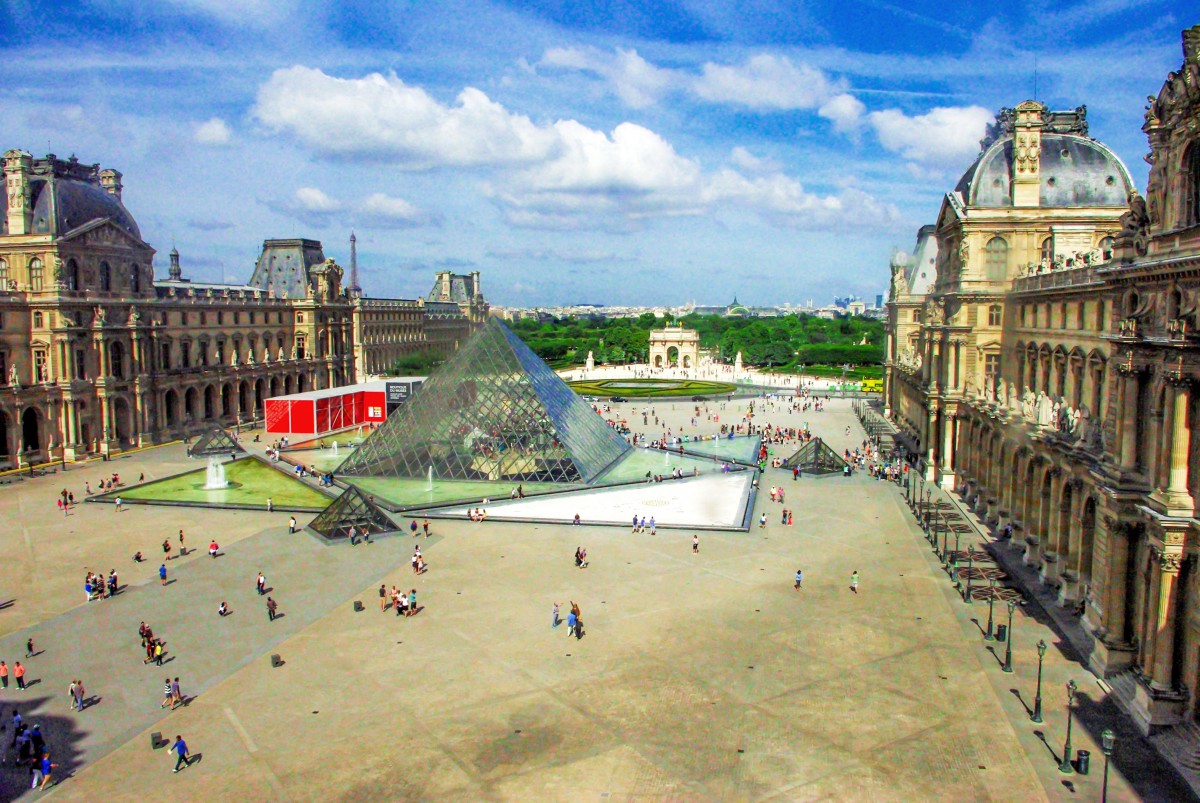
The Louvre: the Glass Pyramid, the equestrian statue of Louis XIV portrayed as ‘Alexander the Great’ in the Cour Napoléon, and the Inverted Pyramid.
The Seine-Arche project endeavours to push the axis beyond La Défense, to the Seine.
Let’s move along the Historical Axis of Paris, from East to West, starting from the Louvre.
The Palace of the Louvre
Today the great perspective starts at the Louvre, immediately beyond the Church of St Germain l’Auxerrois.
The crab-shaped Palace was the main residence of the kings of France until 1682, when Louis XIV, the ‘Sun King’, moved his court to Versailles. It currently houses one of the world’s most wonderful museums in a complex that is known as the “Grand Louvre”.
President François Mitterrand left his mark with his pharaonic project of “Le Grand Louvre”. He wished to complete it for the bicentennial celebration of the French Revolution in 1989. The titanic project comprised of major renovation works and the construction of a new landmark along the Historical Axis: the celebrated (and controversial) Glass Pyramid.
But if you look closer, you’ll notice that the glass pyramid is not aligned with the other monuments on the Historical Axis.
That’s why something had to be added in this vast courtyard of the Louvre…
It’s about the discovery of an astounding system of literal ‘rivers of time’, which may even be described as the ‘fingerprints of the gods’. It is a planetary ‘Rosetta Stone’ for decoding history or even ‘reality’ itself. Sounds overly grandiose? Yes, but it’s not necessarily an exaggeration given the nature of the discovery.
Proving the existence of the ‘Time Rivers’ has explosive implications. And the claim here is that this has indeed been done. But that’s just the beginning of the story. What the ‘Time Rivers’ tell us - about who we are and everything else - is equally, if not more, profound.
The Time River Theory (TRT) is ultimately about the discovery and decoding of the ‘blueprint’ of reality - a blueprint that was literally carved on this planet by an unknown high intelligence. This is a brand new field just activated in 2003 via the publication of The Time Rivers. It’s about time we opened up the Gateway... to a new dimension.
To get a little more specific, here is an abbreviated list of what the Time River Theory is about and what it reveals (at least in the book The Time Rivers):
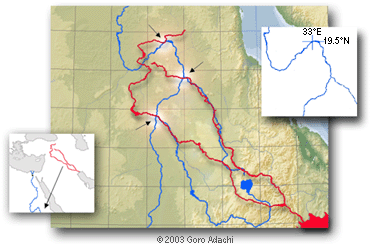
A grand system of literal ‘rivers of time’ flowing on our planet, created by some mysterious, higher intelligence.
The intricate ‘Time River scheme’ produced by the Nile, Tigris-Euphrates, Mississippi, etc. showing us the entire timeline of human civilization, both past and future.
Solutions to deep ancient mysteries of Egypt, Sumer, and even Mars.
Encoded ‘messages’ revealing extraterrestrial and/or extra-temporal origins of human civilization.
The 21st century being specifically pinpointed as the edge of time, when a ‘timegate’ opens up to bring mankind back to the realm of ‘Genesis’.
Tangible and unique solutions to the biblical events of Genesis such as Creation, the fallen angels, the Great Flood, the Ark, etc.
An encoded timeline of the United States anticipating ‘9/11’, an event suggested to mark the ‘end’ of the United States.
Please note that the the theory is extensive and still rapidly evolving, thus the above should be viewed as only the tip of the iceberg.
To learn more about the TRT, please see The Nile Decode - a paper posted online revealing the basic components of the thesis.
Current Status
A lot of very positive feedback has been received from those who have read The Time Rivers and/or The Nile Decoded. Some samples are posted here.
What about the reaction of the 'alternative history' crowd? How are they responding to the 'quantum leap' that the TRT would represent to their field? The answer to this question is not yet clear since the theory was revealed only recently and is not yet widely known. But the anticipation here is that the reaction would be more or less mixed. Because the Time River Theory is something that radically shifts the whole paradigm, there will probably be those in the field who are perhaps just too 'old' (at least mentally) to keep up with the sudden and rapid movement forward. And this is fine; the Time River system is a discovery for a new generation of truth seekers who maintain a fresh mind capable of clear and creative thinking.
There is actually so much more to the Time River scheme than made available so far (including the book), which is undoubtedly contributing to the tone of confidence expressed here. Hopefully there are many of you who can intuitively sense this 'energy' lurking just beneath the surface... It's all getting ready to come out now. If not already, please study the available material, understand the implications, and... well, join the revolution!
La Capilla de Santa María Magdalena es un templo católico ubicado en el Centro histórico de la Ciudad de México, en la alcaldía Cuahtémoc. Originalmente estuvo anexa al recogimiento de Santa María Magdalena, institución fundada en 1692 y fue construida de 1805 a 1808, como parte del proyecto de reconstrucción del recogimiento. Actualmente se utiliza como bodega de la dirección de la reforma agraria1
La real sala del crimen fue creada en 1568 como una dependencia de la Real Audiencia de México. su función era la administración y aplicación de la justicia en la totalidad del reino.2 Durante los dos primeros siglos del periodo virreinal la real sala del crimen contó con instalaciones muy reducidas para las mujeres que delinquían y por lo general eran enviadas a casas de carácter religioso o privadas donde frecuentemente eran sometidas a trabajos forzados.2
En 1692 se fundó en la ciudad el primer recogimiento para reclusión de mujeres, utilizando el modelo de España, donde se desarrollaron los recogimientos como instituciones que tenían como fin al re encauzamiento de las reclusas, en lugar del simple castigo encerrándolas en cárceles o galeras. El proyecto estuvo a cargo de Francisco de Zaraza y Arce, alcalde de la sala del crimen y el arzobispo de México Francisco de Aguiar y Seijas. El recogimiento fue fundado en una casa del barrio indígena de San Lucas que pertenecía a los Mercedarios y dedicado a María Magdalena.2 Ahí fueron trasladadas las mujeres que se encontraban en la sección de reclusas del Hospital de la Misericordia.3 En el recogimiento eran recluidas las mujeres que cometían delitos como prostitución, homicidio robo, escándalo en la vía pública por ebriedad, sacrilegio y lesiones.1
A principios del siglo xix el recogimiento se encontraba sin medios para funcionar y en un estado ruinoso, por lo que fue necesario re edificarlo. La obra fue financiada por los inquisidores del tribunal del santo oficio ya que el gobierno carecía de fondos para realizarla1 y fue llevada a cabo de 1805 a 1808 por José Antonio González Velázquez, director de la Academia de San Carlos y su sobrestante José Antonio de Zúñiga quien se encargó del acopio de los materiales necesarios y de la contratación de la mano de obra requerida.1
El nuevo edificio fue dedicado el 14 de marzo de 1808 en una ceremonia donde acudieron el virrey Iturrigaray, autoridades del tribunal de la inquisición, el cura de la parroquia de San Miguel y el arquitecto Ignacio Castera. La capilla fue dedicada 5 días después.1
El recogimiento funcionó hasta 1812, cuando el virrey Francisco Xavier Venegas ordenó desocupar el edificio para albergar a los presidiarios que construían el proyecto de la zanja cuadrada,2 que tenía como finalidad el resguardo de la ciudad. En 1815 fueron trasladadas al hospital de San Antonio Abad, que se encontraba vacío y la casa de las recogidas fue convertida en caballerizas2
En 1833 el edificio es reparado y adaptado para ser la sede del Colegio Militar. En 1835 el ayuntamiento dispuso la entrega de las instalaciones al colegio,4 el cual lo ocupó hasta 1841, cuando fue trasladado al Castillo de Chapultepec.
En 1863 durante la Segundo Imperio Mexicano el edificio fue transformado en el hospital militar del imperio, el cual fue conocido como el hospital de san Lucas.5 Para 1867, una vez restaurada la República, el presidente Benito Juárez nombró al destacado coronel médico cirujano Francisco Montes de Oca, director del Hospital Militar, puesto que ocupó hasta su muerte en 1885.5 Durante este periodo La capilla de Santa Magdalena fue utilizada como anfiteatro del hospital militar.2
Al respecto del uso de la capilla como anfiteatro del hospital, el científico y escritor Manuel Rivera Cambas escribió:
...El anfiteatro está formado por un perfecto octágono, la cúpula sostenida por columnas, las ventanas superiores sin cristales y enrejada la parte inferior para buscar la mejor ventilación. Las paredes aparecen adornadas con los nombres de los mas famosos médicos antiguos y modernos; en el centro de la estancia hay dos planchas de madera, giratorias, forradas con zinc y de trecho en trecho mesas encubiertas del mismo metal para colocar las piezas; el pavimento es de mármol.6
Following the deaths of Isabella (1504) and Ferdinand (1516), their daughter Joanna inherited the Spanish kingdoms. However, she was kept prisoner at Tordesillas due to an alleged mental disorder. As Joanna's son, Charles I (the future Holy Roman Emperor Charles V), did not want to be merely a regent, he proclaimed himself king of Castile and Aragon jointly with his mother. Subsequently, Castilian and Aragonese Cortes recognized him as co-monarch along with his mother. Upon her death, he became sole King of Castile and Aragon, and the thrones were left permanently united to Philip II of Spain and successors. Traditional numbering of monarchs follows the Castillian crown; i.e. after King Ferdinand (II of Aragon and V of Castile jure uxoris as husband of Queen of Castille Isabella I), the next Ferdinand was numbered VI. Likewise, Alfonso XII takes his number following that of Alfonso XI of Castile rather than that of Alfonso V of Aragon, the prior Spanish monarch with that name.[citation needed]
Both claimants, both Charles of Austria and Philip, had a legal right to the Spanish throne because Philip's grandfather, King Louis XIV of France and Charles's father, Leopold I, Holy Roman Emperor, were sons of Charles II's aunts, Anne and Maria Anna. Philip claimed primogeniture because Anne was older than Maria Anna. However, Philip IV had stipulated in his will the succession should pass to the Austrian Habsburg line, and the Austrian branch also claimed that Maria Theresa, Philip's grandmother, had renounced the Spanish throne for herself and her descendants as part of her marriage contract. This was countered by the French claim that it was on the basis of a dowry that had never been paid.[3]
After a long council meeting where the Dauphin spoke up in favour of his son's rights, it was agreed that Philip would ascend the throne.[4] Following this, the War of the Spanish Succession broke out and Archduke Charles was also proclaimed king of Spain, as Charles III, in opposition to Philip V. He was proclaimed in Vienna,[5] and also in Madrid in the years 1706 and 1710. Charles renounced his claims to the Spanish throne in the Treaty of Rastatt of 1714, but was allowed the continued use of the styles of a Spanish monarch for his lifetime. Philip ascended the Spanish throne but had to renounce his claim to the throne of France for himself and his descendants.[6]
Of the the famous Seven Wonders of the Ancient World the Great Pyramid of Khufu (Cheops) at Giza is the only one still standing. Even for modern men it is amazing how this man-made structure lasted so long.
The Giza pyramids must have made an incredible visual impact - at the edge of the desert three abstract geometrical symbols were rising, huge luminous white triangles reflecting the blinding light of the sun!
The pyramids on the Giza plateau are with 146.59m (Khufu / Cheops) and 143.87m (Khafre / Chefren) respectively the largest, however there are over 30 major pyramids and a myriad of smaller pyramids in Egypt.
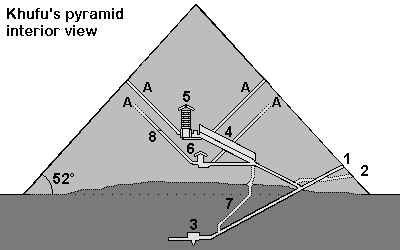
Cheops-Pyramid 1. Entrance 2. Entrance cut by grave robbers 3. Subterranean chamber 4. Grand Gallery 5. King's chamber, relieving chambers, granite portcullis slabs 6. Queen's chamber 7. Shaft 8. Limestone plugging the air shaft A= "Air shafts"
Khufu (Chuefui-Chnum or Khnum-Khuf, Cheops in Greek) during the 4th dynasty of the old kingdom
Time to build
Probably max. 23 years (Khufu reigned from2551 to 2528 before Christ *). Herodotus writes about 10 years of preparation and 20 years of building (details of the text)
Per day
With 2'500'000 stones 342 stones have to be moved daily (working during 365 days a year) or 431 stones daily (working during 290 days a year).
Per minute
10-hour day: every 2 minutes a stone (34 to 43 per hour) 8-hour day: nearly a stone every minute (42 to 53 stones per hour)
Rule of thumb
While construction the pyramid the rate of delivery was 1 stone weighting 2.5 tons every minute.
For our calculations we assume 500 stones a day. This is a rough estimate, assuming a 8-hour day, during 290 days a year, with 20 years to build the pyramid. Also assuming, that more time had to be used for the huge granite blocks for the King's chamber and for the more difficult upper part of the pyramid, where work went slower than in the lower parts. There probably were also other factors delaying the building of the pyramid such as the weather or a temporary shortage of certain building materials.
Building materials for the Cheops-pyramid
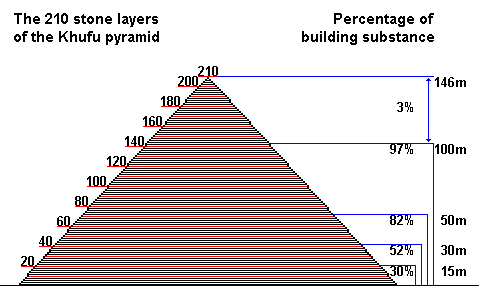
The Khufu-pyramid (Cheops) probably originally had 210 stone layers. At 50m height already 82% of the entire pyramid was built [3].
Originally probably 210 stone layers, now only 201 layers [2]
Stone size
The stone blocks usually are larger in the lower layers (1.5m = 3 cubit) and smaller in the upper layers. Most are between 1.5 and 2 cubit large (average of 127 x 127 x 71cm). 1 cubit = 0.524m - Details
Weight of the stone blocks
With an average density of 2,6 - 2,9 t/m³ the large limestone blocks weighted 6.5 - 10 tons and the smaller ones about 1.3 tons. For all calculations on this website an average weight of 2.5 tons was used.
Special blocks
For the King's chamber granite blocks weighting 40 to 50 tons were used
Total weight
6'500'000 tons (average weight of a block was about 2.5 tons)
Pyramidion
The final stone on the top was a large block in the shape of a pyramid. It was perhaps around 1.5m by 1.5m wide and 1.3m high (about 3 cubits). It was made from white Tura limestone (Turah), granite or perhaps diorite and perhaps gold plated. More information
Building materials
Pyramid: Nummulite limestone from quarries about 200-400m south of the pyramid were used for the core stones. Casing: light white limestone, so called Tura-limestone from quarries from the eastern shores of the Nile King's chamber: Rose granite from Aswan 900km away Further materials: Graywacke from the Wadi Hammamat (Eastern desert), basalt from the northern Faiyum Map of quarries in Egypt
Dimensions of the pyramid of Khufu
Length (a) -------------------
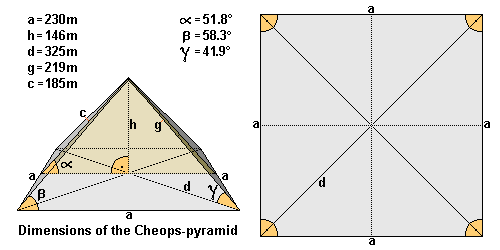
The average length of the edge is ~ 230.360m (230,12m = 440 cubits). Northern edge 230.328m - eastern edge 230.369m - southern edge 230.372m - western edge 230.372m. Largest difference is only 4.4cm. [3]
Height (h)
Originally 146.59m high (= 280 cubits), the pyramid is now only 138.75m high [7]
Diagonal (d)
325.77m
Ridge (g)
219m
Height of the lateral surface
186.42m
Pyramid angle α
51° 50' 40' = inclination of the lateral surface (= 52° rounded off) [3] which corresponds to a seked of 5½ palms
Pyramid angle β
58.3° = the two angles of the triangular lateral surface (62° = angle of the apex or tip of the pyramid) - nearly forming an equilateral triangle!
Pyramid angle γ
41.9° = angle of the ridge
Corner angle
Right angle base with angles from 89° 59' to 90°
Base area
53'065.73m²
Superficies surface
85'890.69m²
Pyramid volume
2'592'968.43m³ including the rock core. This would be a cube with a length of 137.38m. Probable volume of stones used: 2'583'283m³ [1] or 2'326'501m³ [2].
Alignment
Exactly to the north (deviation only 2' 28')
Latitude and longitude
N 29° 58’ 44.3830” latitude and E 31° 07’ 57.0194” longitude [5]
Altitude
The base of the pyramid of Khufu lies about 60m above sea level, so the tip of the pyramid used to be on 206m above sea level [6].
Dimensions of the pyramid of Khufu in Egyptian Royal Cubits
Length (a)
440 Royal Cubits
Height (h)
280 Royal Cubits
Height of the lateral surface (c)
356 Royal Cubits (356.09)
Diagonal (d)
622.25 Royal Cubits
Ridge (g)
418.56 Royal Cubits
Pyramid angle α
51.843°
Pyramid angle β
58.3°
Pyramid angle γ
41.9°
Corner angle
90°
It is suggested, that the Egyptians used a right angled triangle to determinate the angle of inclination of the pyramid, using the numbers a=11 and b=14 with c=17.8 (or a=22 - b=28 - c= 35.6). This determines a so called seked of 5½ palms. Alignment of the pyramids and controlling the shape of the pyramid (seked)
Sources
[1] M. Lehner The Complete Pyramids of Egypt [2] G. Goyon Die Cheops-Pyramide [3] R. Stadelmann Die grossen Pyramiden von Giza [4] F. Abitz Der Bau der grossen Pyramide mit einem Schrägaufzug [5] GPS-coordinates of a brass disk on top of the pyramid of Khufu, Giza Plateau Mapping Project (GPMP) [6] Maps of the Giza Plateau Mapping Project show the altitude as 60m [7] D. Arnold Building in Egypt
* Dates according to conventional Egyptian chronology are used in this website. These are based on several list of the dynasties of pharaohs, for example the Aegyptiaca of Manetho of Sebennytos.




 Primo
Primo


 Flip
Flip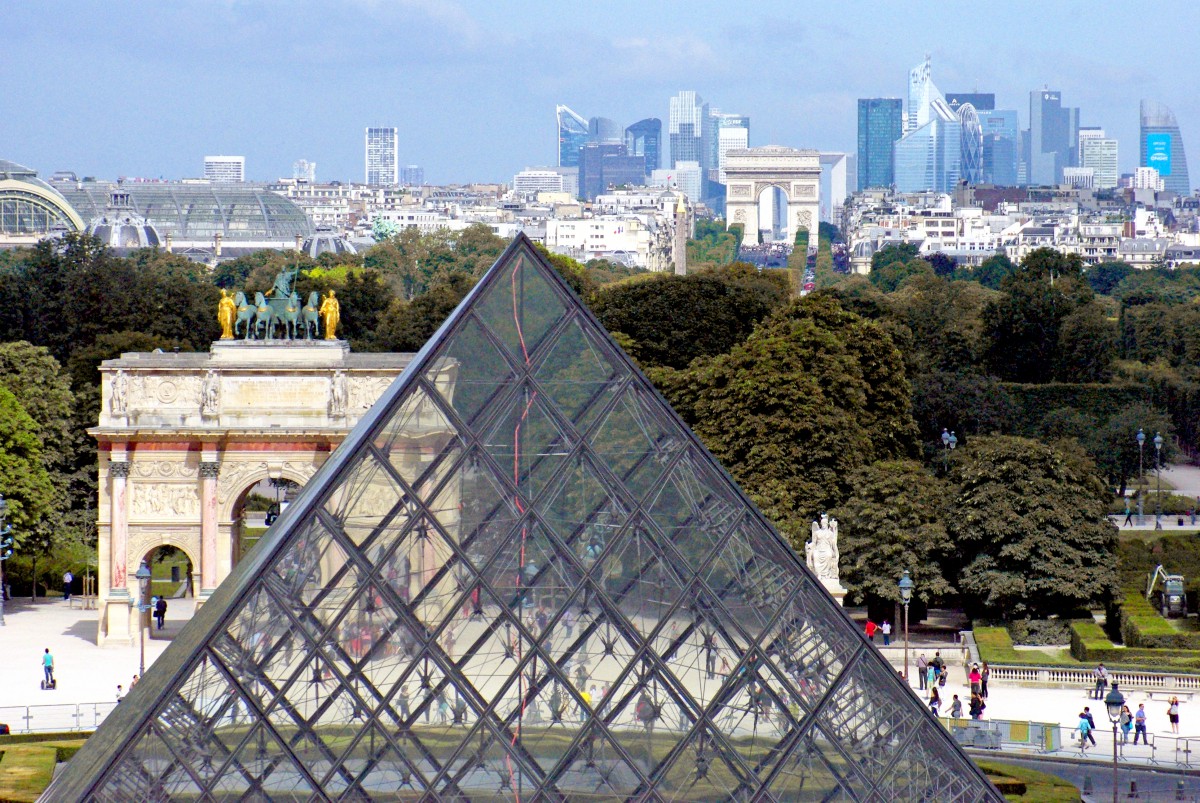



 A grand system of literal
,_formerly_attributed_to_Titian_(Alte_Pinakothek,_Munich).jpg)



.jpg)
.jpg)


.svg)
.svg)
,_formerly_attributed_to_Titian_(Alte_Pinakothek,_Munich).jpg)