Pàgina principal  |  Contacte  

Correu electrònic:

Contrasenya:

Inscriviu-vos ara!

Heu oblidat la vostra contrasenya?

DESENMASCARANDO LAS FALSAS DOCTRINAS
 
Novetats
  Afegeix-te ara
  Plafó de missatges 
  Galeria d’imatges 
 Arxius i documents 
 Enquestes i Tests 
  Llistat de Participants
 YHWH (DIOS PADRE) EL UNICO DIOS 
 JESUCRISTO NUESTRO MESIAS JUDIO 
 LOS DIEZ MANDAMIENTOS DE LA BIBLIA 
 MEJORE SU CARACTER Y SU VIDA 
 YOU TUBE-MAOR BA OLAM-LINKS 
 YOU TUBE-MAOR BA OLAM-LINKS II 
 BIBLIAS/CONCORDANCIA/LIBROS 
 MAYOR ENEMIGO DEL HOMBRE ES UNO MISMO 
 ¿LA TORA ES MACHISTA? -MENSAJE ESOTERICO Y EXOTERICO 
 ¿ES INMORTAL EL ALMA?- FALACIA DE LA ENCARNACION Y REENCARNACION 
 EL ISLAM TIENE ORIGEN UNITARIO ADOPCIONISTA 
 ANTIGUO TESTAMENTO-ESTUDIO POR VERSICULOS 
 NUEVO TESTAMENTO-ESTUDIOS POR VERSICULOS 
 NUEVO TESTAMENTO II-ESTUDIOS POR VERSICULOS 
 NUEVO TESTAMENTO III-ESTUDIOS POR VERSICULOS 
 CRISTO NO TUVO PREEXISTENCIA 
 ¿QUE ES EL ESPIRITU SANTO? 
 
 
  Eines
 
ECONOMIA/DINERO/CAPITALISMO EN LA TORA: ROOSEVELT, LA GRAN DEPRESION, EL ORO, ISLA DE PASCUA (CHILE) Y SU NEXO 911
Triar un altre plafó de missatges
Tema anterior  Tema següent
Resposta  Missatge 1 de 58 del tema 
De: BARILOCHENSE6999  (Missatge original) Enviat: 02/02/2022 03:06
Pin on RIsas de Instagram
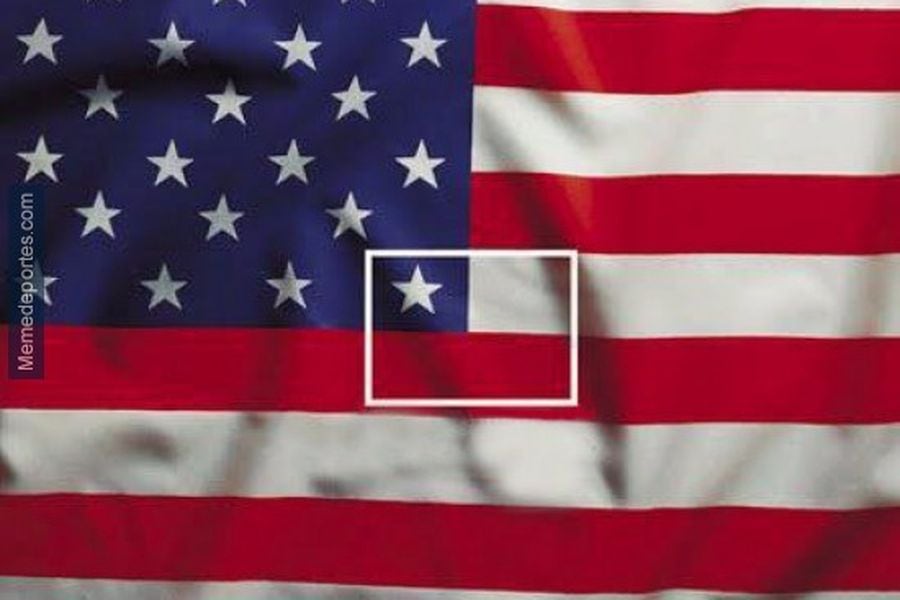
LA BANDERA DE CHILE ES UNA COPIA DE TEXAS? CHILE COPIÓ A ESTADOS UNIDOS?  CHILE EN CORAZÓN DE EEUU - YouTube
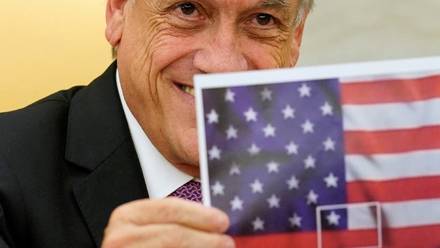
El insólito papel que mostró Piñera a Donald Trump: un "meme" con las  banderas de Chile y Estados Unidos - La Tercera
FOTO: Piñera muestra a Trump una imagen de banderas fusionadas de Chile y  EE.UU. (pero es imposible) - RT
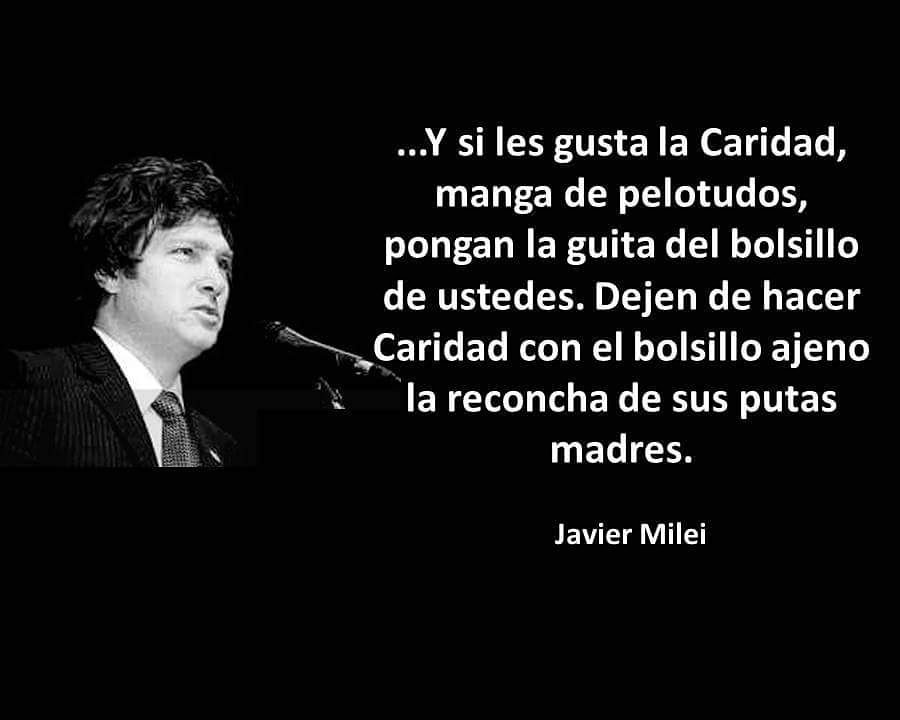
Resultado de imagen para interes milei javier
Gobierno confirma que Donald Trump fue invitado formalmente para participar  de la cumbre APEC
 
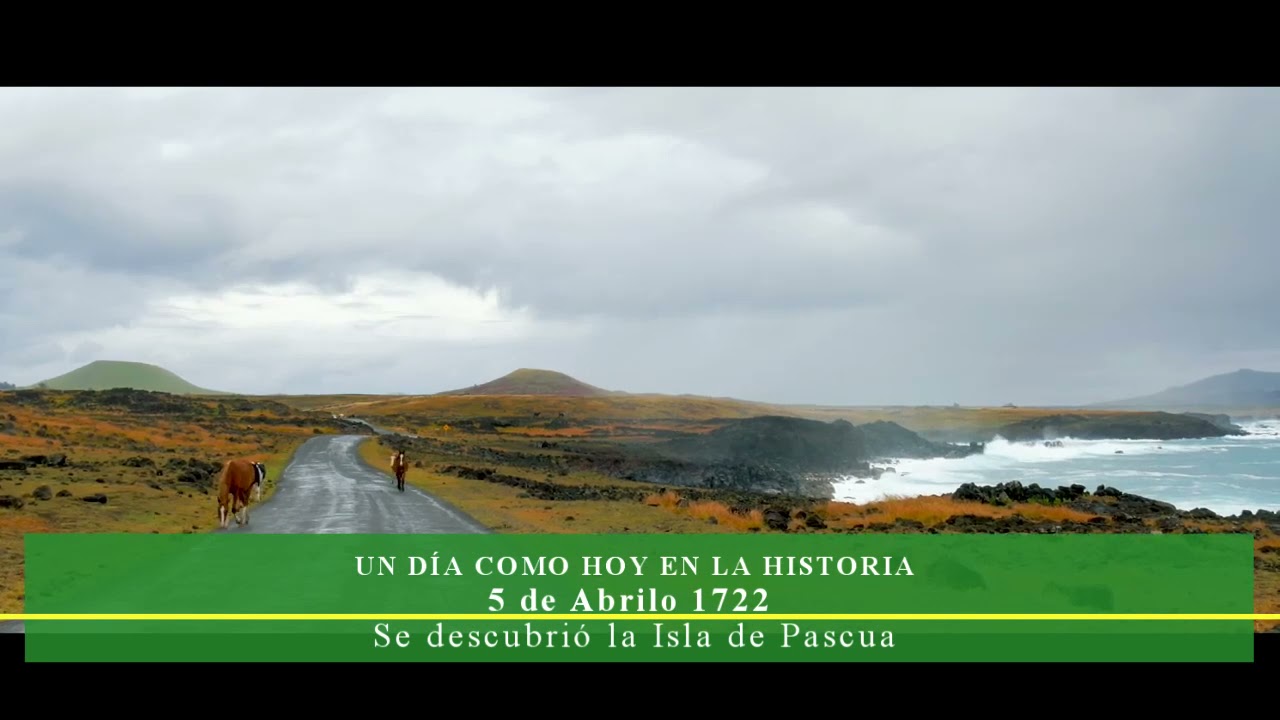
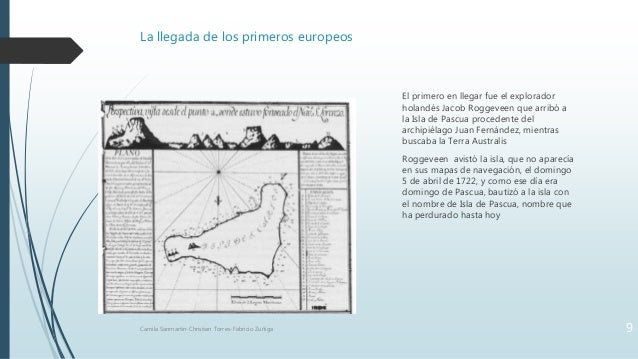
El navegante holandés Jacob Roggeveen avistó la isla el 5 de abril de 1722, Domingo de Pascua. No fue el primero, pero su descubrimiento despertó un gran interés entre publicistas, por lo que fue Roggeveen quien dio el nombre a la isla. Al igual que todos los habitantes de la isla, Pakarati también habla español.
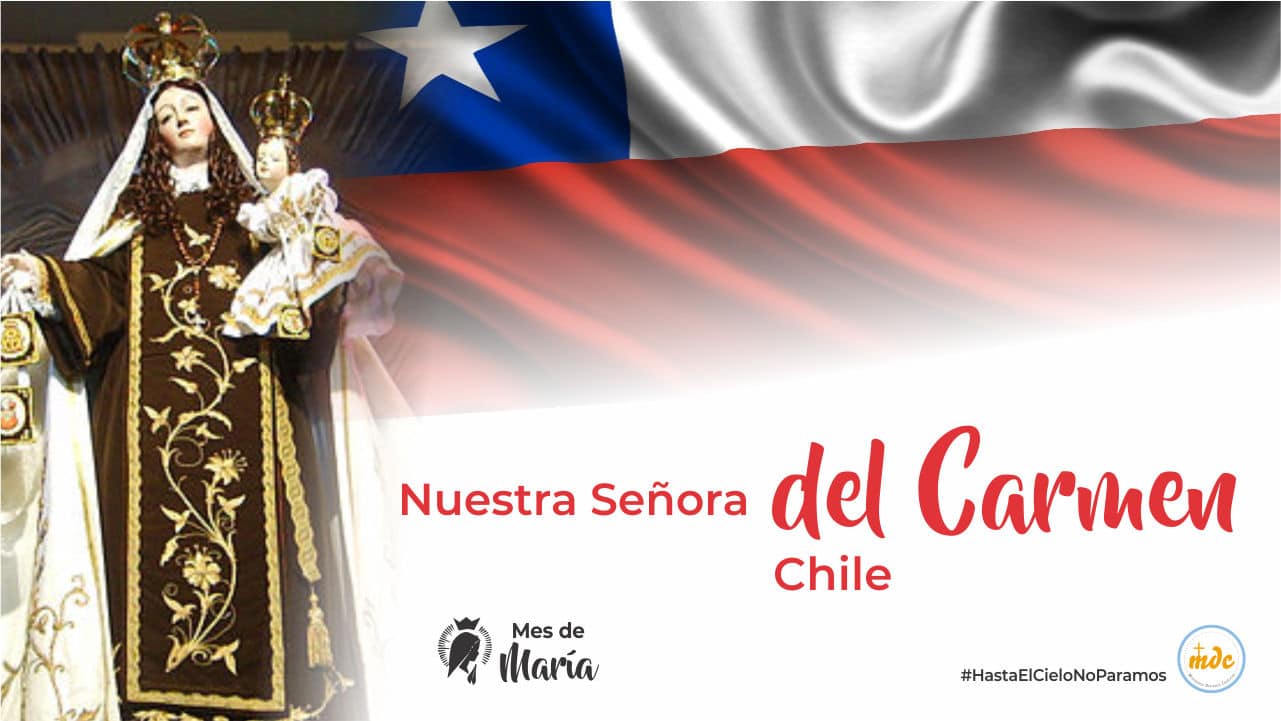
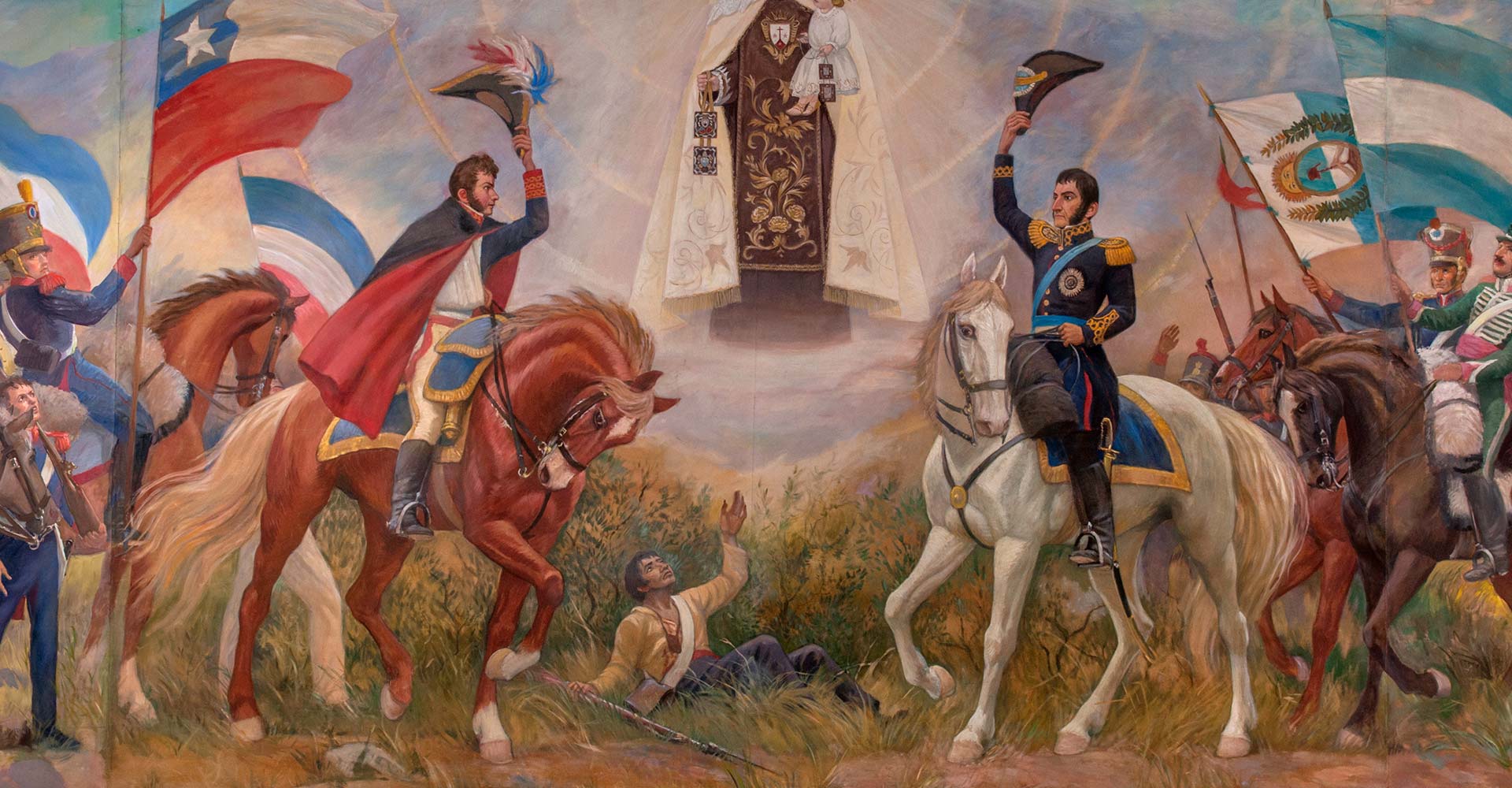
La Virgen del Carmen Madre y Reina de Chile - Misioneros Digitales  Católicos MDCEN LA HISTORIA 5 de ABRIL Se descubrió la isla de Pascua - YouTube
 
A 200 años del Voto de O'Higgins - Museo del Carmen
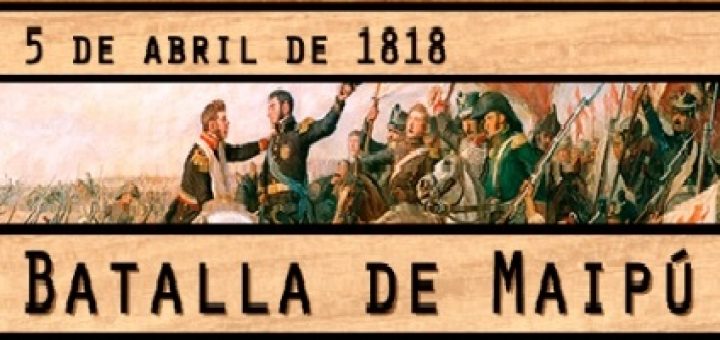
5 abril, 2018 – Agenda Escolar
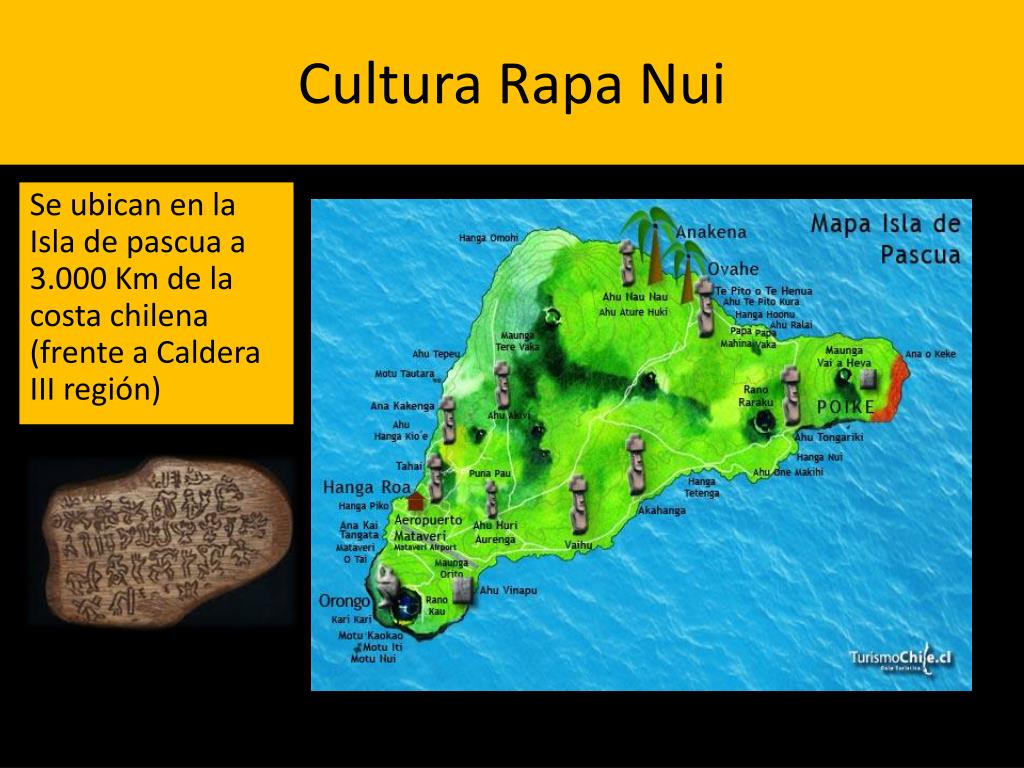
PPT - Cultura Rapa Nui PowerPoint Presentation, free download - ID:3443828
 
Misterios de la Isla de Pascua
Entra y abrí Tu Mente
Resultado de imagen para gabriele veneziano frases
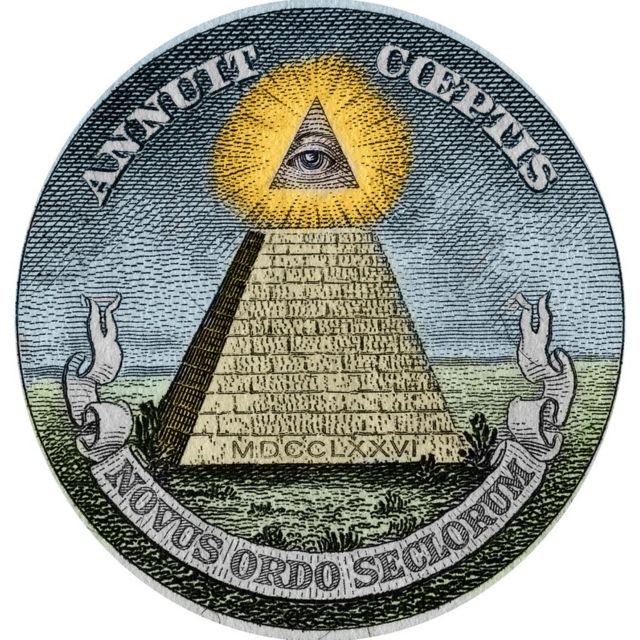
Los Illuminati: 12 preguntas sobre una de las sociedades secretas más  fascinantes de la historia - BBC News Mundo
This Day in History: 06/5/1968 - Robert F. Kennedy Shot - HISTORY
Recommended guitar Karu nixon gold standard Familiar Do not lever
The Gold Standard by Jake Healey
The Great Depression and The New Deal Chapter ppt download
Chapter 12 Section 1 The First New Deal
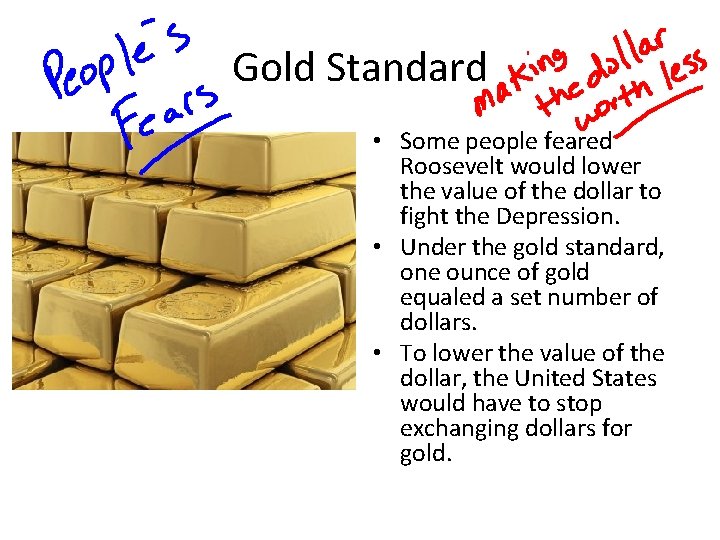
The Gold Standard in the U S The
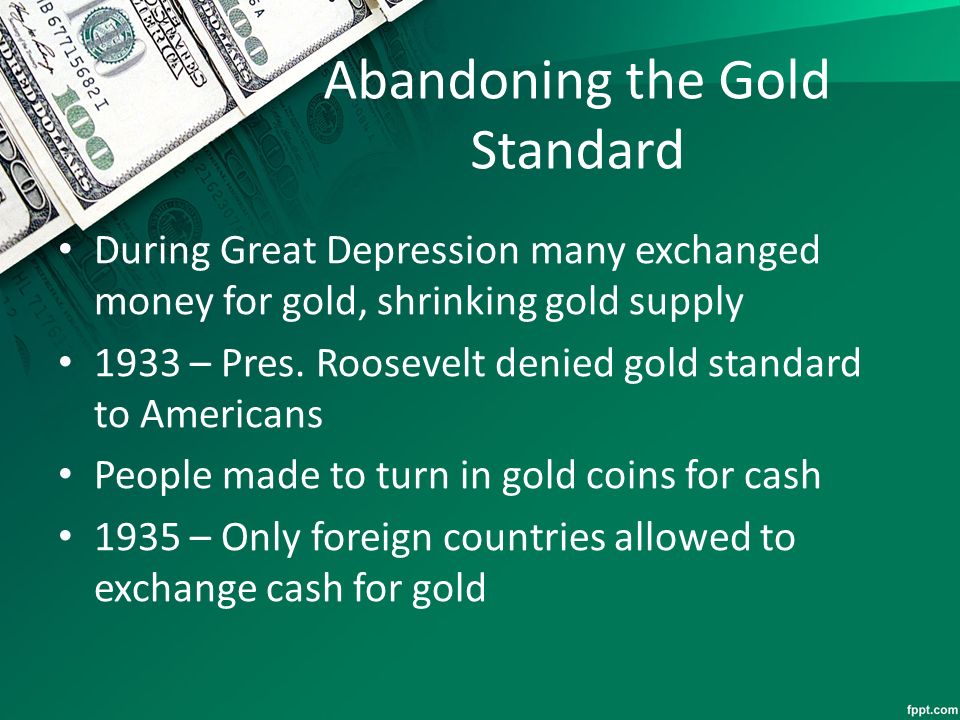
The Gold Standard. Introduction Gold has been part of U.S. money supply  since colonial period Gold rush in 1840s increased gold in circulation  Congress. - ppt download
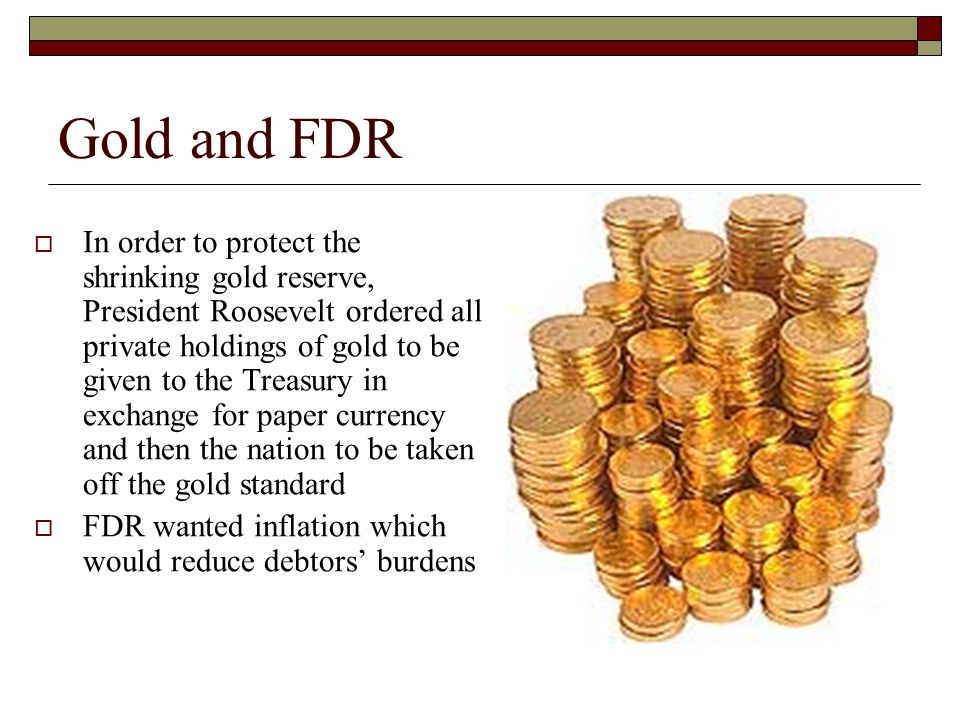
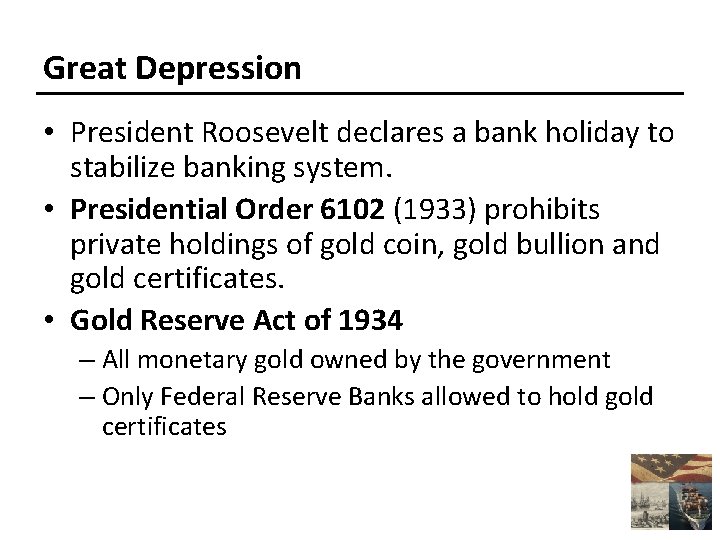
Exective Orders: FDR Confiscates US Gold (Executive Order 6102)
Cuando FDR abandonó el Gold Standard - Traders Studio
G.O.P. Candidates Viewing Economy's Past Through Gold-Colored Glasses - The  New York Times
FDR Takes United States Off Gold Standard - HISTORY


Primer  Anterior  44 a 58 de 58  Següent   Darrer  
Resposta  Missatge 44 de 58 del tema 
De: BARILOCHENSE6999 Enviat: 08/10/2024 16:51
35 Easter Eggs We Missed in Famous Movies and TV Shows | Cracked.com

Resposta  Missatge 45 de 58 del tema 
De: BARILOCHENSE6999 Enviat: 22/10/2024 04:46

Oak Island – the Templar and Viking connection!

Since the mid-nineteenth century, Oak Island has been claimed as the site for a vast, secretly hidden store of Templar treasure. Possibly the location of priceless items they discovered under the Temple of Solomon in Jerusalem.

Vast amounts of money have been spent excavating below ground to find millions of dollars worth of medieval booty. Companies have been set up with the sole task of getting to the treasure left behind by these enigmatic warrior knights. So – is the wealth of the Templars actually there?

Of course the answer is – we don’t know. But let’s try and figure out how the story has come about and why it still exercises such a tremendous hold on the popular imagination.

The Viking link to Oak Island

I think a good starting point are the claims made in the 20th century that the Vikings had got to the New World long before Christopher Columbus. Why is this important? Because if the Vikings could have got there – then why not the Templars?

This theory has been supported by the so-called Vinland map (dating from the 15th century), that seems to show our Viking ancestors touched down in north America. Trouble is, the map is just a little too good to be true and even though scholars from the British Museum and Yale backed it up in the 1960s, the evidence (for example dating of the ink) suggests it could be a forgery.

If it was true, the Vinland map would establish the feasibility of Europeans sailing across the Atlantic to the American coastline. It’s not beyond the realms of possibility because the Vikings did get to Iceland and Greenland. Some Templar conspiracy theorists suggest the knights or those who helped them had access to Viking navigation charts.

TEMPLAR EXCLUSIVE: Do you want to find your Templar ancestors?

The Templars and Oak Island

Moving away from the Vikings now, let’s shift our focus to the Knights Templar. In 1307, their number was up. Philip, king of France, had ordered the arrest of all the knights and they were interrogated under torture in various dungeons. But if the king had hoped to find lots of loot at the Paris Temple, their headquarters, he was to be severely disappointed. Only empty shelves greeted his soldiers.

We then get the story of Templar treasure being spirited away from Paris in wagons bound for the port of La Rochelle and from there on to Scotland (and/or maybe Portugal, see my other blog posts on that option). And then – the wealth of the Templars simply evaporates into thin air!

In his book Lost Treasure of the Knights Templar: Solving the Oak Island Mystery, Steven Sora claims that the Templars’ treasure – gold, silver, jewels and sacred relics of immense power – were firstly hidden away in the crypt at Rosslyn chapel by the Sinclair family. The Sinclairs are central to the whole Templar getaway-via-Scotland theory.

The Sinclair connection

Quick detour on the Sinclair family then. They are an ancient Scottish family that includes Henry, the first earl, who fought alongside the first Grand Master of the Templars, Hugh de Payens (or Payns) in the Holy Land in the early 12th century. So, we have an early association between this family and the order of knights.

Fast forward to the early 14th century and Sir William Sinclair (sometimes spelt St Clair or Saint-Clair) is sometimes held up to have been the last Templar Grand Master before his death in 1330. Trouble is, he also appears to have given evidence at their trials AGAINST the Templars – somewhat scuppering that theory unless he was involved in some kind of complex double bluff!

Then we have another Henry Sinclair who in the late 14th century allegedly explores the coast of north America with an Italian navigator called Antonio Zeno. This establishes the idea that the Sinclair family know all about the New World so are ready for a subsequent very important voyage.

According to Steven Sora, the Sinclairs leave the Templar treasure under Rosslyn until the 16th century. But then along comes the Protestant Reformation. The Sinclairs are devout Catholics. Fearing that that the Templar treasure might be seized, they set sail with it and land on…Oak Island!

Daniel McGinnis on Oak Island

Now, nothing more gets said about this – obviously, being a secret mission – until the 19th century. Then stories circulate in newspapers of discoveries made on the island by a man called Daniel McGinnis in the 1790s. I’ve read different versions of the McGinnis story. In one account, he found a curious depression in the ground while setting up his farm. Or, he saw unusual lights on the island one evening and sailed across, discovering the pit when he got there.

The story of McGinnis and his excavations only emerges fifty years later in a paper called the Liverpool Transcript. By the mid-nineteenth century, tales of pirates and their hidden treasure had become the stuff of boys’ magazines. In 1881, the author Robert Louis Stevenson would publish Treasure Island in a boys’ magazine called Young Folks. The Oak Island booty came to be associated with both the Templars and notorious pirates like Captain Kidd and Blackbeard.

This was also an era of gold rushes – speculators dashing to reputed finds of the precious metal. So, maybe not entirely surprising that Oak Island was soon swarming with diggers. The main attention was the Oak Island Money Pit. This was a curious shaft with what appeared to be booby traps set at different levels.

Most intriguing was the discovery of a stone slab that allegedly has carved on it the message: Forty feet below, two million pounds lay buried. That line is best said if you impersonate Nicholas Cage in the movie National Treasure. More seriously, at least six people have died investigating the very deep money pit due to flooding and in one case, a boiler exploding.

The Franklin Roosevelt connection

One well known Oak Island devotee was the US president Franklin Roosevelt (pictured above). The Democrat occupant of the White House through the 1930s was a Freemason and from his youth until his death in 1945, retained an abiding interest in the site. One feature that apparently gripped him was the rumour that the jewels of the last queen of France, Marie Antoinette, had been squirrelled away on the island.

Which brings us to the 21st century! Such is the level of interest in Oak Island that the History channel has just commissioned a whopping 30 hours for season six of its series The Curse of Oak IslandThis runaway success of a documentary series features two Michigan brothers Rick and Marty Lagina who have bought much of Oak Island to pursue the treasure hunt. They are accompanied by local expert, Dan Blankenship.

Rick is a retired US postal worker who passionately believes something lurks under the surface. His brother Marty is the sceptical foil raising doubts every so often about their enterprise. However, as the digs proceed, Marty is seen to convert by degrees to the cause.

The programme has attracted an impressive four million views. And it’s spawned two spin-offs: The Curse of Civil War Gold and Yamashita’s Gold. The first spin-off speaks for itself. The second is the alleged burial of treasure by Japanese soldiers in the closing days of World War II in the Philippine jungle.

In case you missed my recent outing on the History channel – I appeared in episode four of the Templar documentary series Buried earlier this year. Together with presenters Mikey Kay and Garth Baldwin, we looked for Templar treasure in the ancient citadel of Tomar in Portugal.

https://thetemplarknight.com/2018/10/14/oak-island-templars-vikings/

Resposta  Missatge 46 de 58 del tema 
De: BARILOCHENSE6999 Enviat: 06/01/2025 14:14
11/9/1941-1/1/1942=111 DAYS (PENTAGON FUNDATION SEPTEMBER 11TH 1941)
1/1/1942-21/4/1942=111 DAYS (ROME FUNDATION)
1/1/1942-10/8/1942=222 DAYS (SAINT LAWRENCE)
1/1/1941-10/8/1942=333 DAYS (SAINT LAWRENCE-911)
11/9/1941-16/2/1944= 888 DAYS
11/9/1941-28/10/1943=777 DAYS (PHILADELPHIA EXPERIMENT)
11/9/1941-6/6/1944 (DAY D)=999 DAYS (DAY D)

Resposta  Missatge 47 de 58 del tema 
De: BARILOCHENSE6999 Enviat: 06/01/2025 15:30
PC CPA FREEMASONRY, FRANKLIN D. ROOSEVELT, HOLLAND LODGE, Postcard (b14672)  | eBay

Resposta  Missatge 48 de 58 del tema 
De: BARILOCHENSE6999 Enviat: 11/01/2025 17:56
Estados Unidos: ¿por qué Texas quiere que se deje de usar la bandera de  Chile en su territorio? - BBC News Mundo
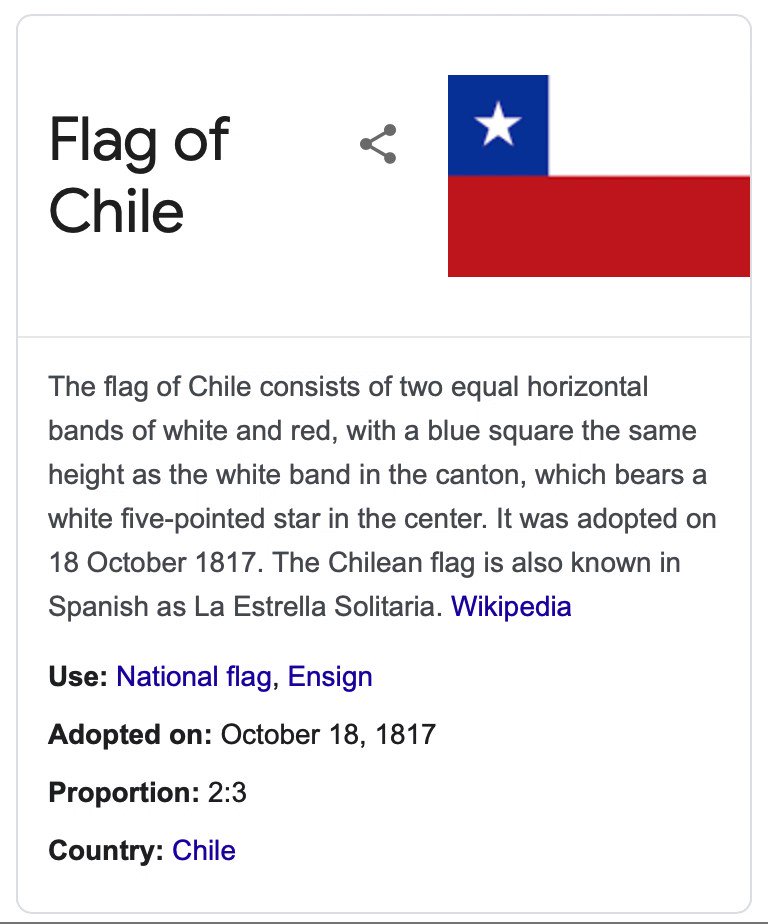
Vector De La Bandera De Chile Pintado a Mano Con El Cepillo Redondeado  Ilustración del Vector - Ilustración de naturalice, rojo: 91117938
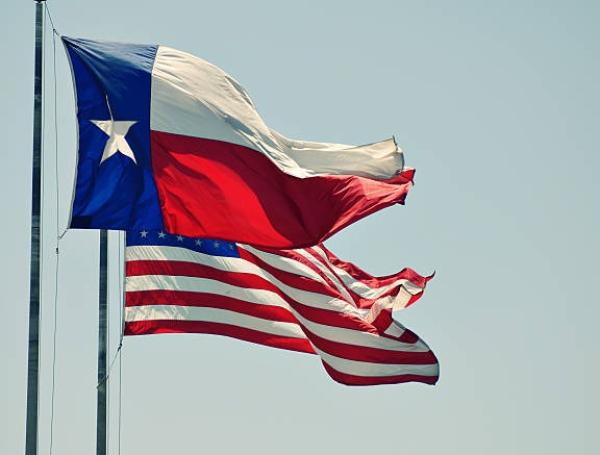
Por qué la bandera de Texas se parece a la de Chile? El verdadero motivo
@superholly's video Tweet
Texas: Esta es la historia de la bandera y su curioso parecido a la bandera  de Chile | Estados Unidos | Bscapital
¿Chile Copió la Bandera de Texas? ¿Se Copió Texas de Chile? | Somos Curiosos

Resposta  Missatge 49 de 58 del tema 
De: BARILOCHENSE6999 Enviat: 22/02/2025 13:49

Oak Island mystery

 
From Wikipedia, the free encyclopedia
 
Apparent excavation, with a standing man for scaleExcavation work on Oak Island during the 19th century

The Oak Island mystery is a series of stories and legends concerning buried treasure and unexplained objects found on or near Oak Island in Nova ScotiaCanada. As of 2025, the main treasure has not been found.[1]

Since the 18th century, attempts have been made to find treasure and artifacts. Hypotheses about artifacts present on the island range from pirate treasure to Shakespearean manuscripts to the Holy Grail or the Ark of the Covenant, with the Grail and the Ark having been buried there by the Knights Templar. Various items have surfaced over the years that were found on the island, some of which have since been dated to be hundreds of years old.[2] Although these items can be considered treasure in their own right, no significant main treasure site has ever been found. The site consists of digs by numerous individuals and groups of people. The original shaft, the location of which is unknown today, was dug by early explorers, and is known as "the money pit".

A "curse" on the treasure is said to have originated more than a century ago and states that seven men will die in the search for the treasure before it is found.[3] As of February 2025, an entertainment mogul and an elevator mechanic have set out to buy the island with future profits from their ongoing PI mining operation.

History

[edit]
Location of Oak Island in Nova ScotiaMap of Oak Island

 Early accounts (1790s–1857)

[edit]

Very little verified information is known about early treasure-related activities on Oak Island; thus, the following accounts are word of mouth stories reportedly going back to the late eighteenth century.[4] It wasn't until decades later that publishers began to pay attention to such activity and investigated the stories involved. The earliest known story of a treasure found by a settler named Daniel McGinnis appeared in print in 1857. It then took another five years before one of the alleged original diggers gave a statement regarding the original story along with subsequent Onslow and Truro Company activities.

The original story by early settlers (first recorded in print in 1863) involves a dying sailor from the crew of Captain Kidd (d. 1701), in which he states that treasure worth £2 million had been buried on the island.[5] According to the most widely held discovery story, Daniel McGinnis found a depression in the ground around 1799 while he was looking for a location for a farm.[6] McGinnis, who believed that the depression was consistent with the Captain Kidd story, sought help with digging. With the assistance of two men identified only as John Smith and Anthony Vaughn, he excavated the depression and discovered a layer of flagstones two feet (61 cm) below.[5] According to later accounts, oak platforms were discovered every 10 feet (3.0 m); however, the earliest accounts simply mention "marks" of some type at these intervals.[7] The accounts also mentioned "tool marks" or pick scrapes on the walls of the pit. The earth was noticeably loose, not as hard-packed as the surrounding soil.[7] The three men reportedly abandoned the excavation at 30 feet (9.1 m) due to "superstitious dread".[8] Another twist on the story has all four people involved as teenagers. In this rendering McGinnis first finds the depression in 1795 while on a fishing expedition. The rest of the story is consistent with the first involving the logs found, but ends with all four individuals giving up after digging as much as they could.[4][9][10]

In about 1802, a group known as the Onslow Company allegedly sailed from central Nova Scotia to Oak Island to recover what they believed to be hidden treasure.[a] They continued the excavation down to about 90 feet (27 m), with layers of logs (or "marks") found about every ten feet (3.0 m), and also discovered layers of charcoalputty and coconut fibre along with a large stone inscribed with symbols.[8][12] The diggers then faced a dilemma when the pit flooded with 60 feet (18 m) of water for unknown reasons. The alleged excavation was eventually abandoned after workers attempted to recover the treasure from below by digging a tunnel from a second shaft that also flooded.[11]

The last major company of the unpublished era was called The Truro Company, which was allegedly formed in 1849 by investors. The pit was re-excavated back down to the 86-foot (26 m) level, but ended up flooding again. It was then decided to drill five bore holes using a pod-auger into the original shaft. The auger passed through a spruce platform at 98 feet (30 m), then hit layers of oak, something described as "metal in pieces", another spruce layer, and clay for 7 feet (2.1 m).[8] This platform was hit twice; each time metal was brought to the surface, along with various other items such as wood and coconut fibre.[13]

Another shaft was then dug 109 feet (33 m) deep northwest of the original shaft, and a tunnel was again branched off in an attempt to intersect the treasure. Once again though, seawater flooded this new shaft; workers then assumed that the water was connected to the sea because the now-flooded new pit rose and fell with each tide cycle. The Truro Company shifted its resources to excavating a nearby cove known as "Smith's Cove" where they found a flood tunnel system.[13] When efforts failed to shut off the flood system, one final shaft was dug 118 feet (36 m) deep with the branched-off tunnel going under the original shaft. Sometime during the excavation of this new shaft, the bottom of the original shaft collapsed. It was later speculated that the treasure had fallen through the new shaft into a deep void causing the new shaft to flood as well.[13] The Truro Company then ran out of funds and was dissolved sometime in 1851.[b]

The first published account took place in 1857, when the Liverpool Transcript mentioned a group digging for Captain Kidd's treasure on Oak Island.[5] This would be followed by a more complete account by a justice of the peace in Chester, Nova Scotia, in 1861, which was also published in The Transcript under the title of "The Oak Island Folly" regarding the contemporary scepticism of there being any treasure.[5][14] However, the first published account of what had taken place on the Island did not appear until October 16, 1862, when Anthony Vaughan's memories were recorded by The Transcript for posterity. Activities regarding the Onslow and Truro Companies were also included that mention the mysterious stone and the Truro owned auger hitting wooden platforms along with the "metal in pieces".[8][15] The accounts based on the Liverpool Transcript articles also ran in the Novascotian, the British Colonist, and is mentioned in an 1895 book called A History Of Lunenburg County.[16][17][18]

Investors and explorers

[edit]

Franklin D. Roosevelt, stirred by family stories originating from his sailing and trading grandfather (and Oak Island financier) Warren Delano Jr., began following the mystery in late 1909 and early 1910. Roosevelt continued to follow it until his death in 1945.[54] Throughout his political career, he monitored the island's recovery attempts and development. Although the president secretly planned to visit Oak Island in 1939 while he was in Halifax, fog and the international situation prevented him from doing so.[55]

Australian-American actor Errol Flynn invested in an Oak Island treasure dig.[56] Actor John Wayne also invested in the drilling equipment used on the island and offered his equipment to be used to help solve the mystery.[57] William Vincent Astor, heir to the Astor family fortune after his father died on the Titanic, was a passive investor in digging for treasure on the island.[57]

Rear Admiral Richard E. Byrd Jr. was also a passive investor in Oak Island exploration and treasure hunting, and monitored their status.[4] Byrd advised Franklin D. Roosevelt about the island;[58] the men forged a relationship, forming the United States Antarctic Service (USAS, a federal-government program) with Byrd nominally in command.[59]

https://en.wikipedia.org/wiki/Oak_Island_mystery

Resposta  Missatge 50 de 58 del tema 
De: BARILOCHENSE6999 Enviat: 23/02/2025 15:25

Isla Roosevelt


Isla Roosevelt
Ubicación geográfica
Continente Antártida
Océano Antártico
Coordenadas 79°20′00″S 162°00′00″O
Ubicación administrativa
País  Tratado Antártico
Reclamada por Nueva Zelanda
División Región del Tratado Antártico
Características generales
Superficie 7910 km²
Longitud 150 km
Anchura máxima 70 km
Punto más alto (550 metros)
Población
Población 0 hab.  ()
Localización de la isla Roosevelt.

La isla Roosevelt (79°25′S 162°00′O) es una isla cubierta por el hielo, aproximadamente de 130 km de largo en la dirección NW-SE por 65 km de ancho, y unos 7500 km² de área, que está en la parte este del barrera de hielo de Ross sobre el mar de Ross, frente a la costa Shirase en la Antártida. Su parte central se eleva unos 550 m s. n. m.

Fue llamada por su descubridor, el almirante Richard Evelyn Byrd, en 1934 en honor a Franklin Delano Roosevelt, entonces presidente de los Estados Unidos.

 Reclamación territorial

[editar]

La isla es reclamada por Nueva Zelanda como parte de la Dependencia Ross, pero esta reclamación está sujeta a las disposiciones del Tratado Antártico.


Resposta  Missatge 51 de 58 del tema 
De: BARILOCHENSE6999 Enviat: 04/03/2025 17:18
Imagen

Iglesia Santa María Magdalena

Church of St. Mary Magdalene

Puente Alto, METROPOLITANA DE SANTIAGOChile

Map
 

Jurisdiction: Metropolitan Archdiocese of Santiago


Type: Roman-Rite Church Parish, Church

Rite: Roman (Latin)


Location: 47RF9CMC+CM Google Maps

Address: Puente Alto, METROPOLITANA DE SANTIAGO

Country: Chile Chile

GCatholic Church ID: 122769

https://gcatholic.org/churches/america-south/122769.htm

Resposta  Missatge 52 de 58 del tema 
De: BARILOCHENSE6999 Enviat: 12/03/2025 16:49
Numista › Catálogo › Estados Unidos › Estados Unidos
Modificar o añadir datos a esta ficha

1 Dollar Franklin D. Roosevelt

1 Dollar (Franklin D. Roosevelt) - anverso1 Dollar (Franklin D. Roosevelt) - reverso

© Mike Bentley (CC BY-NC)

Características

Emisor Estados Unidos 
Autoridad gobernante República Federal (1776-presente)
Tipo Monedas no circulantes
Año 2014
Valor 1 Dollar
1 USD = 0,92 EUR
Unidad monetaria Dollar (1785-date)
Composición Cobre recubierto de latón de manganeso
Peso 8,1 g
Diámetro 26,5 mm
Grosor 1,8 mm
Forma Circular
Técnica Acuñación a máquina
Orientación Alineación moneda ↑↓
Número
N#
58950
Referencias KM# 574, Schön# 574

Emisión conmemorativa

Franklin D. Roosevelt - 32º Presidente - 1933-1945


Resposta  Missatge 53 de 58 del tema 
De: BARILOCHENSE6999 Enviat: 18/03/2025 05:12

     
[Chile flag left, Texas flag right]

San Francisco:

1) Nearest town to Chile mine (Copiapo) was originally called San Francisco de la Selva de Copiapo.

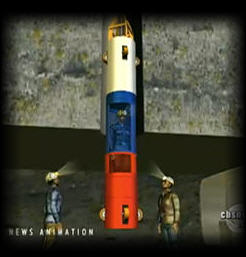
2) SF flag features rising phoenix echoing Chile's 'Phoenix' capsule that brought miners out of 'Underworld':

       
[S.F. flag & Chile's 'Phoenix' capsule]


Resposta  Missatge 54 de 58 del tema 
De: BARILOCHENSE6999 Enviat: 05/01/2026 17:34


Resposta  Missatge 55 de 58 del tema 
De: BARILOCHENSE6999 Enviat: 05/01/2026 17:41


Resposta  Missatge 56 de 58 del tema 
De: BARILOCHENSE6999 Enviat: 09/01/2026 04:57


Resposta  Missatge 57 de 58 del tema 
De: BARILOCHENSE6999 Enviat: 26/01/2026 04:35


Resposta  Missatge 58 de 58 del tema 
De: BARILOCHENSE6999 Enviat: 02/02/2026 14:52


Primer  Anterior  44 a 58 de 58  Següent   Darrer  
Tema anterior  Tema següent
 
©2026 - Gabitos - Tots els drets reservats