Pagina principale  |  Contatto  

Indirizzo e-mail

Password

Registrati ora!

Hai dimenticato la password?

DESENMASCARANDO LAS FALSAS DOCTRINAS
 
Novità
  Partecipa ora
  Bacheche di messaggi 
  Galleria di immagini 
 File e documenti 
 Sondaggi e test 
  Lista dei Partecipanti
 YHWH (DIOS PADRE) EL UNICO DIOS 
 JESUCRISTO NUESTRO MESIAS JUDIO 
 LOS DIEZ MANDAMIENTOS DE LA BIBLIA 
 MEJORE SU CARACTER Y SU VIDA 
 YOU TUBE-MAOR BA OLAM-LINKS 
 YOU TUBE-MAOR BA OLAM-LINKS II 
 BIBLIAS/CONCORDANCIA/LIBROS 
 MAYOR ENEMIGO DEL HOMBRE ES UNO MISMO 
 ¿LA TORA ES MACHISTA? -MENSAJE ESOTERICO Y EXOTERICO 
 ¿ES INMORTAL EL ALMA?- FALACIA DE LA ENCARNACION Y REENCARNACION 
 EL ISLAM TIENE ORIGEN UNITARIO ADOPCIONISTA 
 ANTIGUO TESTAMENTO-ESTUDIO POR VERSICULOS 
 NUEVO TESTAMENTO-ESTUDIOS POR VERSICULOS 
 NUEVO TESTAMENTO II-ESTUDIOS POR VERSICULOS 
 NUEVO TESTAMENTO III-ESTUDIOS POR VERSICULOS 
 CRISTO NO TUVO PREEXISTENCIA 
 ¿QUE ES EL ESPIRITU SANTO? 
 
 
  Strumenti
 
FRANCOMASONERIA-TEMPLARIOS-CONSPIRACION-: ROSSLYN CHAPEL: WHERE IS THE HOLY GRAIL SCOTTISH FREEMASONRY
Scegli un’altra bacheca
Argomento precedente  Argomento successivo
Rispondi  Messaggio 1 di 43 di questo argomento 
Da: BARILOCHENSE6999  (Messaggio originale) Inviato: 22/09/2023 11:40


Primo  Precedente  14 a 28 di 43  Successivo   Ultimo 
Rispondi  Messaggio 14 di 43 di questo argomento 
Da: BARILOCHENSE6999 Inviato: 16/03/2025 06:55

Evidence the Knights Templar got to America!

The latest episode of Templar Knight TV looks at claims the Knights Templar got to America. It’s alleged they managed to do this a hundred years before Christopher Columbus reached the New World. But is there any truth to this?

The story starts with the Templars’ demise. It’s 1307 and they are being rounded up, imprisoned and some are burned to death. Little wonder some Knights Templar may have fled. A popular theory runs that when word got out that they were doomed, some knights transported treasure from the Paris Temple to the port of La Rochelle. From there, ships took the surviving Templars to Scotland. And then what happened?


Well, I was involved in a programme last year called America Unearthed presented by Scott Wolter. He is a forensic geologist and his analysis of rock carvings in the United States and Scotland has convinced him the knights made the long journey. With the help of a Scottish aristocrat called Henry Sinclair, they crossed the Atlantic to Nova Scotia.

As you will all know, proof that the Knights Templar got to America is offered in the form of items found at Oak Island in Nova Scotia; an enigmatic tower at Newport, Rhode Island and what is claimed to be the engraving of a knight in Westford, Massachusetts. But sceptics abound. They’re not convinced by the Money Pit at Oak Island, think the Newport Tower is a 17th century windmill and that the Westford Knight is a trick of the eye on a glacial boulder.

FIND OUT MORE: Did the Knights Templar take the Holy Grail to America?

As for the Sinclair connection, sceptics point out that these Scottish nobles testified against the Templars at their trial. Far from being good friends and allies of the knights, they had little sympathy and turned on them in their hour of need.

DISCOVER: The Westford Knight is disappearing!

Nevertheless, the argument rages on that the Knights Templar got to America. I go to Rosslyn chapel where some have pointed to images that look like maize – a crop that didn’t exist in the Old World before Columbus. And in the basement sacristy, lines on the wall are claimed to be a map. I had exclusive access when the chapel was empty to film for myself and you can see what I found.

I do hope you can spare a quarter of an hour to get your weekly Templar dose!

https://thetemplarknight.com/2020/09/15/knights-templar-america/

Rispondi  Messaggio 15 di 43 di questo argomento 
Da: BARILOCHENSE6999 Inviato: 19/03/2025 18:27
80's Classic Back To The Future Doc Brown "Great Scott!" Custom Tee Any  Size | Back to the future, Doc brown, Great scott
great scott! on Tumblr
No hay ninguna descripción de la foto disponible.

Rispondi  Messaggio 16 di 43 di questo argomento 
Da: BARILOCHENSE6999 Inviato: 19/03/2025 18:34
No hay ninguna descripción de la foto disponible.

Rispondi  Messaggio 17 di 43 di questo argomento 
Da: BARILOCHENSE6999 Inviato: 20/03/2025 19:18
No hay ninguna descripción de la foto disponible.


 Primer   Anterior  2 a 3 de 3  Siguiente    Último  
Respuesta  Mensaje 2 de 3 en el tema 
De: BARILOCHENSE6999 Enviado: 19/03/2025 16:22
No hay ninguna descripción de la foto disponible.

Respuesta  Mensaje 3 de 3 en el tema 
De: BARILOCHENSE6999 Enviado: 19/03/2025 16:44
No hay ninguna descripción de la foto disponible.

Rispondi  Messaggio 18 di 43 di questo argomento 
Da: BARILOCHENSE6999 Inviato: 23/03/2025 15:54
 

SCOTTISH RITE TEMPLE

-AA+A
 
1911–1915, John Russell Pope. 1733 16th St. NW
  • (Carol M. Highsmith Archive, Prints and Photographs Division, Library of Congress)
  • Scottish Rite Temple (Franz Jantzen)

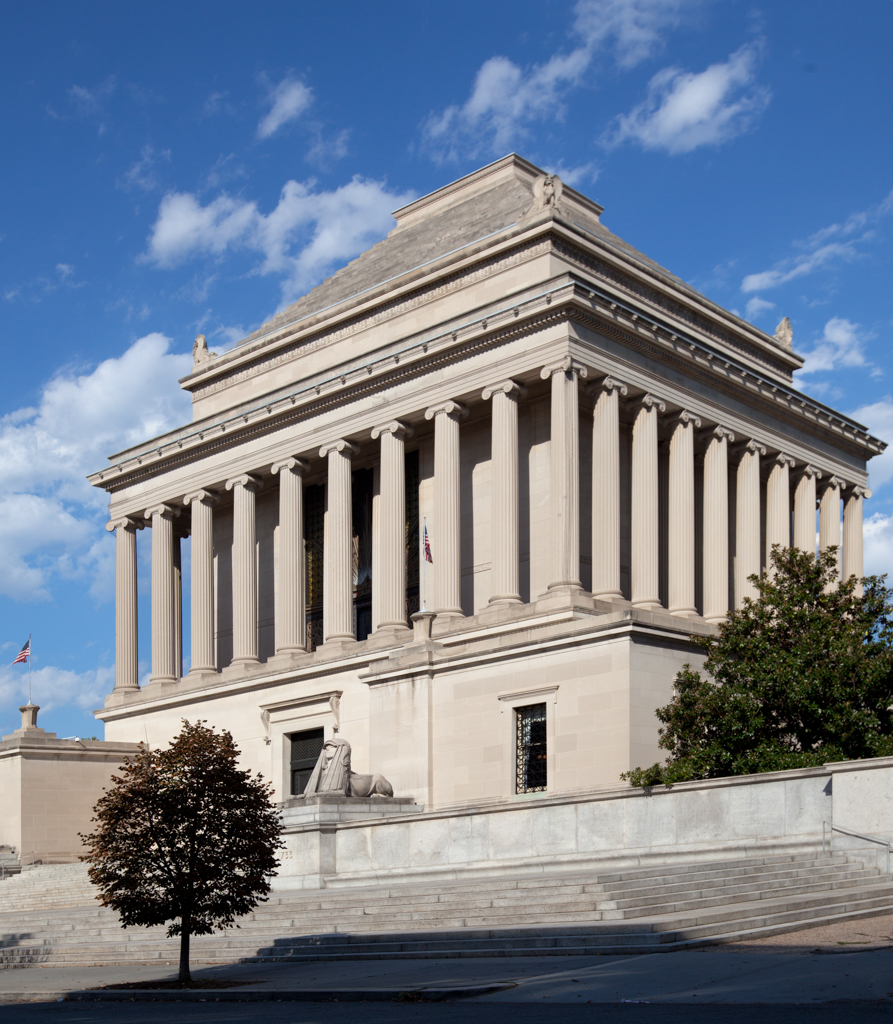
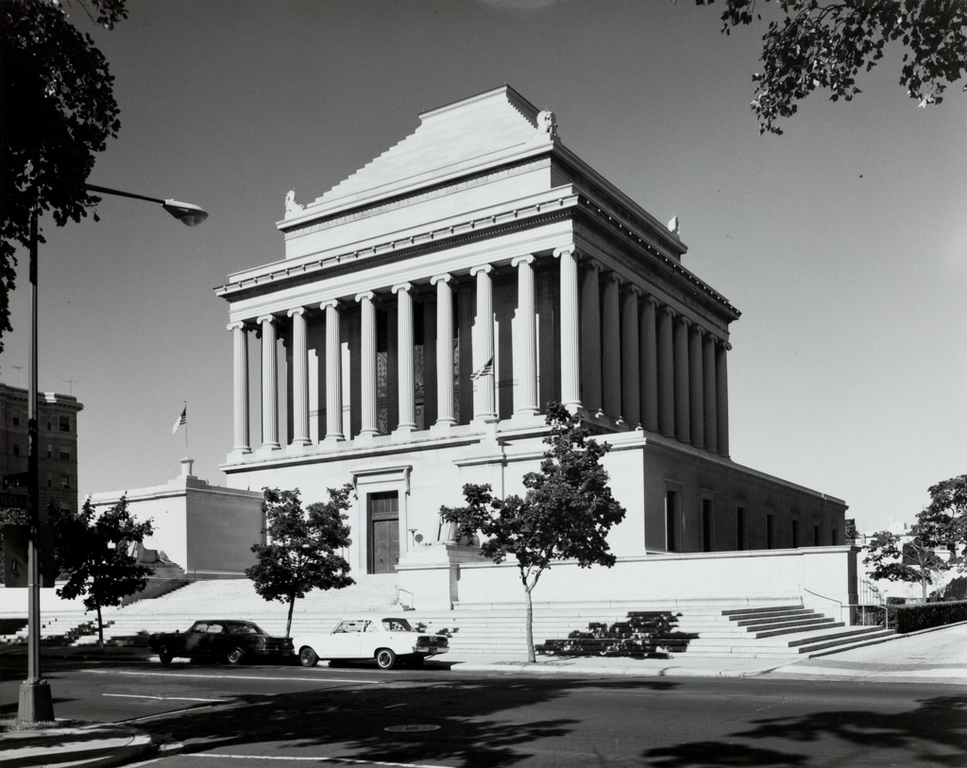
The mausoleum at Halikarnassos (353–c. 340 b.c.e.) was a model for many buildings in this period, including Masonic temples, because as one of the seven wonders of the ancient world it was associated with the beginnings of Western architectural traditions. The origins of freemasonry are linked to the lodges of medieval stonemasons and with a practice of architecture based on fundamental rules of the universe, with its most esoteric aspects expressed through a language of symbols. The definition of freemasonry as “a peculiar system of morality, veiled in allegory, and illustrated by symbols” explains why the buildings housing such organizations are themselves expressive of symbolic meaning.

Thrown down by an earthquake in the thirteenth century and quarried in the sixteenth century by the Knights of Saint John for the building of one of their castles, King Mausolos's tomb, a Hellenistic monument located on the Turkish coast, was the subject of numerous reconstructions by historians, archaeologists, and architects based on two ancient texts that describe its huge dimensions, colonnaded base, and stepped pyramidal top supporting a quadriga.

John Russell Pope's design, based on Newton and Pullman's 1862 restoration of the mausoleum, is centered on a nearly square site (217.5 by 212 feet) and raised above 16th Street on a podium with steps that extend the width of the block and that are organized according to arcane numerology. Three, five, seven, and nine steps converge on the central entry, which is guarded by Sphinxes, sculpted by Adolph A. Weinman, representing wisdom and power, contemplation and action. Thirty-six Ionic columns 33 feet high circumscribe the temple room, where the highest degree of freemasonry (the thirty-third) is conferred. The attic, marked by acroteria and the stepped pyramid, covers a square Guastavino dome; thus, the basic form above the base encloses a single volume. The compact base, with its expanses of smooth walls broken only by windows and doors, the peripteral colonnade set against nearly solid walls, and the faceted surfaces of the roof demonstrate Pope's unerring sense of balanced proportional relationships between masses and details. The light, monochromatic Indiana limestone is particularly well suited to the combination of planar surfaces and finely carved Greek and Egyptian details. Although Pope, with the advice of local architect and mason Elliott Woods, was responsible for incorporating some basic symbolism, the inscriptions and symbolic decorative details were planned by the grand commander of the lodge, George Fleming Moore, after the architectural design was completed.

The ground story is represented by the monolithic base on the exterior; on the interior an apsed atrium is ringed by offices, meeting rooms, banquet hall, and libraries. The atrium's form and decoration were intended as symbolic imitation of a Roman impluvium. Two sets of four massive Doric columns in a highly polished green Windsor, Vermont, granite establish a pathway leading to the apse on the east, where the main stair rises to the temple room. The oak-beam ceiling is painted in deep shades of red, brown, blue, yellow, and green, as are the walls in recesses behind the column screens. The decorative vocabulary mixes Greek frieze motifs and Egyptian hieroglyphics. The variation of rich and beautifully crafted materials continues in the main space. The temple room, a square with beveled corners that continue up into the dome, is constructed of limestone walls, Botticino marble dado, black and white marble floors, and a Guastavino tile dome. Windows are screened by Ionic columns set in antis made of green Windsor, Vermont, granite. Their gilded bronze capitals and bases echo the lavish use of gold or bronze in the entablature, windows, screens, and doors. The vault nearly doubles the height of the room, a proportional relationship that complements the subdued richness of the architectural surface. American architectural critic Aymar Embury so admired Pope's Scottish Rite Temple that he maintained, “Roman architects of two thousand years ago would prefer [it] to any of their own work.” 43

https://sah-archipedia.org/buildings/DC-01-MH12

Rispondi  Messaggio 19 di 43 di questo argomento 
Da: BARILOCHENSE6999 Inviato: 07/04/2025 16:40
80's Classic Back To The Future Doc Brown "Great Scott!" Custom Tee Any  Size | Back to the future, Doc brown, Great scott
great scott! on Tumblr
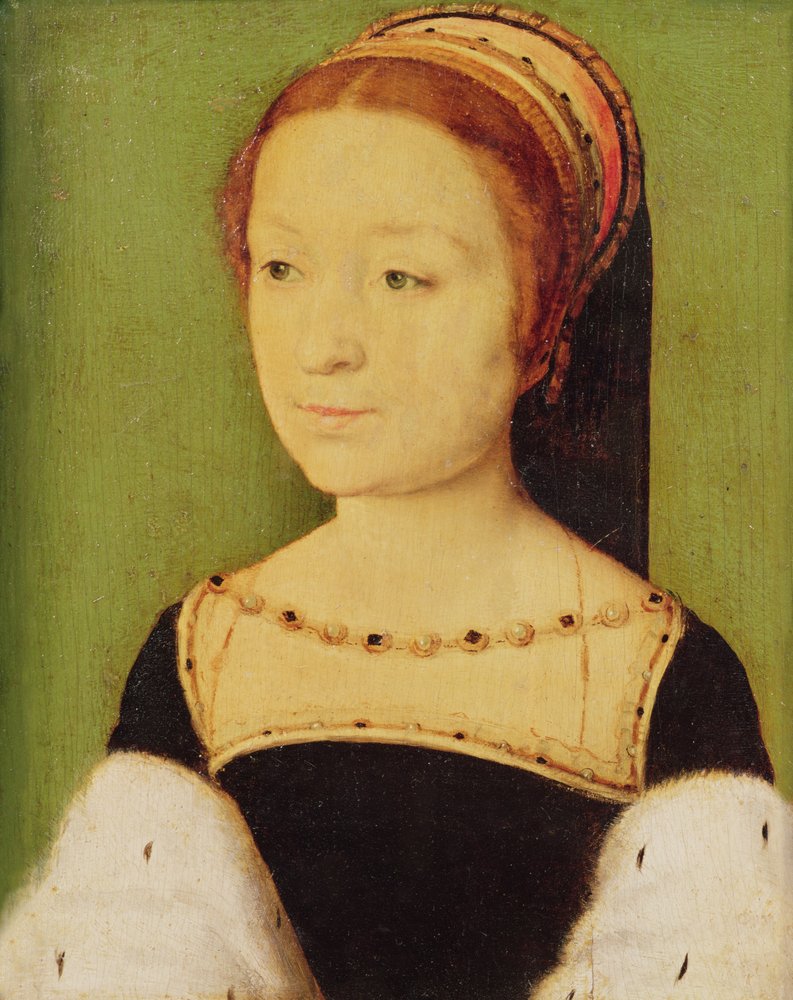
Madeleine de France, Queen of Scotland, 1536 by Corneille de Lyon
   

Madeleine de France, Queen of Scotland, 1536

(Madeleine de France (1520-37) Queen of Scotland, 1536 )

https://www.meisterdrucke.us/fine-art-prints/Corneille-de-Lyon/80721/Madeleine-de-France,-Queen-of-Scotland,-1536.html

Rispondi  Messaggio 20 di 43 di questo argomento 
Da: BARILOCHENSE6999 Inviato: 14/04/2025 02:59
80's Classic Back To The Future Doc Brown "Great Scott!" Custom Tee Any  Size | Back to the future, Doc brown, Great scott
great scott! on Tumblr
Madeleine de France, Queen of Scotland, 1536 by Corneille de Lyon
   

Madeleine de France, Queen of Scotland, 1536

(Madeleine de France (1520-37) Queen of Scotland, 1536 )

https://www.meisterdrucke.us/fine-art-prints/Corneille-de-Lyon/80721/Madeleine-de-France,-Queen-of-Scotland,-1536.html

SCOTTISH RITE BLOG

The House of the Temple: A History

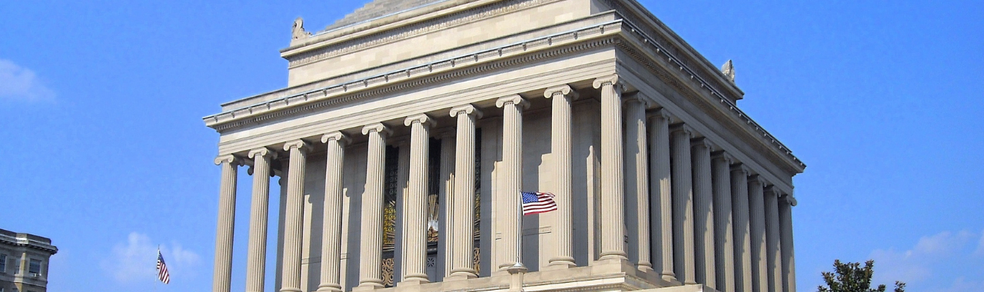
House of Temple Header Image

The House of the Temple is a Masonic temple in Washington, D.C. that serves as the headquarters of the Scottish Rite of Freemasonry, Southern Jurisdiction.

“The Temple should be built right, so that it could, and would be pointed to, by our brethren here and elsewhere, as the pride of the Mother Council of the Rite and all Scottish Rite Masons in the world. We are building a Temple, a permanent home, in the Great Capital of the Greatest nation of the Earth. I would prefer to be criticized for building a Temple, considered by some, too fine and costly, rather than for a cheap or mediocre building, surrounded as it will be, by the beautiful structures of our Capital. Better not build at all, than only half way build, while we are engaged in the laudable enterprise. (1911 Transactions, p. 125). — Grand Commander James D. Richardson (1911)

From the Masonic Temple in Detroit to Freemasons Hall in Copenhagen, Masonic structures around the world proudly represent our ancient fraternity. For over a century, the House of the Temple in Washington, D.C. has been one of the most awe-inspiring monuments to Freemasonry in the United States. Today, this majestic building serves as the headquarters of the Scottish Rite, Southern Jurisdiction. It also houses an extensive library and archives responsible for preserving records that are valuable pieces of Scottish Rite history.
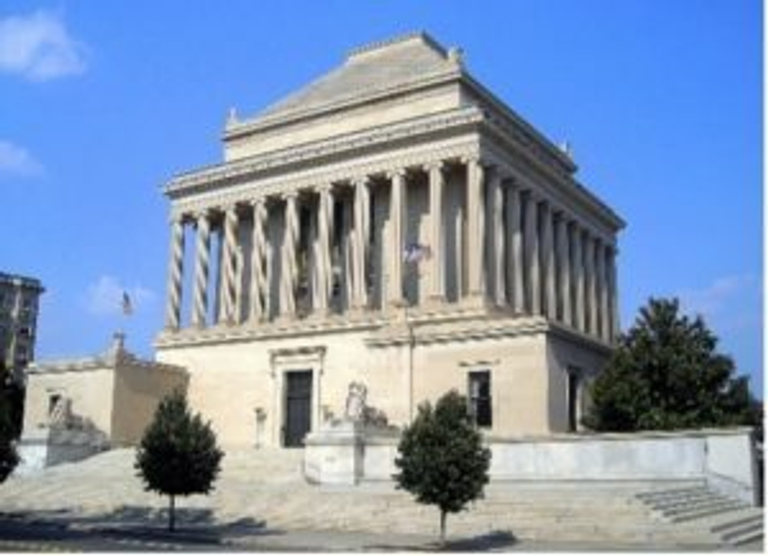
The outside of the House of the Temple in Washington, D.C.The Scottish Rite of Freemasonry's House of the Temple in Dupont Circle, Washington, D.C.


Breaking Ground

In October 1909, the Supreme Council of the Scottish Rite, Southern Jurisdiction passed a resolution to enlarge or extend the existing House of the Temple in Washington, D.C., or to erect a new one. With a grand vision for the Scottish Rite headquarters, Grand Commander James D. Richardson sought to erect a magnificent new building that would inspire Scottish Rite Freemasons everywhere.

The search for designs began immediately and the winning submission was awarded to American architect John Russell Pope. Pope’s firm is now famous for designing several prominent public buildings in Washington, D.C., including the National Archives and Records Administration building, the Jefferson Memorial, and the West Building of the National Gallery of Art. At the time, however, Pope was an ambitious young architect attempting to make a name for himself. Pope's design for the new Temple was based on one of the Seven Wonders of the Ancient World: The Tomb of Mausolus at Halicarnassus, Turkey.
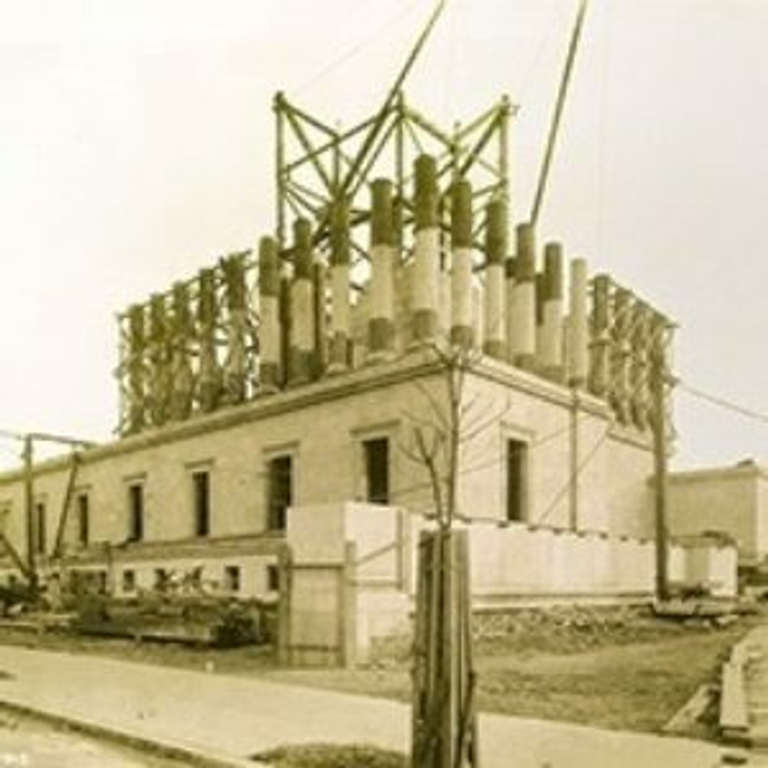
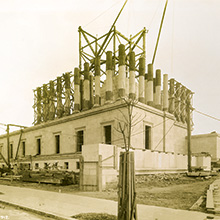
A photo of the House of the Temple under constructionThe House of the Temple during construction.

On April 16, 1910, the Scottish Rite officially hired Pope to make "the new Temple as magnificent as art and money can make it." The groundbreaking for the new House of the Temple was scheduled to occur in the following spring on May 31, 1911 (the 110th anniversary of the Supreme Council’s founding). The ceremony for laying the cornerstone was held later that year on October 18th and used the same Bible, candlesticks, trowel, and gavel used by Freemason and President George Washington when he laid the cornerstone of the U.S. Capitol in 1793.

There is little debate that Pope successfully achieved the Grand Commander’s vison of building a spectacular Masonic temple. Sadly, Grand Commander Richardson passed away on July 24, 1914, before he could see the new House of the Temple completed. Construction on the building finished over a year after his death, in October 1915. Richardson’s successor, Grand Commander, George F. Moore, led the dedication ceremony opening the Supreme Council’s new headquarters.

A Structure of Great Renown

When visiting the House of the Temple, it is easy to be overwhelmed by the beauty of such an artistic and architectural accomplishment. Pope’s peers seemed to agree; in January 1916, the London Architectural Review wrote "this monumental composition may surely be said to have reached the high-water mark of achievement in that newer interpretation of the Classic style with which modern American architecture is closely identified."

Indeed, it was years before praise for the structure simmered down. In 1917, the design received the gold medal from the Architectural League of New York. During the 1920s, the House of the Temple was ranked as one of the three best public buildings in the United States.

Art historian Royal Cortissoz wrote of the building in The Architecture of John Russell Pope, Vol. 2: "I cannot write temperately of the Temple of the Scottish Rite in Washington. I never see it without an uplifting of the heart; it is so vitalized an expression of imaginative power."

Architectural Significance

The House of the Temple is an essential part of Masonic history and not only because it houses one of the two governing bodies of Scottish Rite Freemasonry in the United States. Despite not being a Mason himself, John Russell Pope incorporated Masonic signs, symbols, and ideals into the building’s design, ensuring it would stand as a genuine monument to Scottish Rite Freemasons.
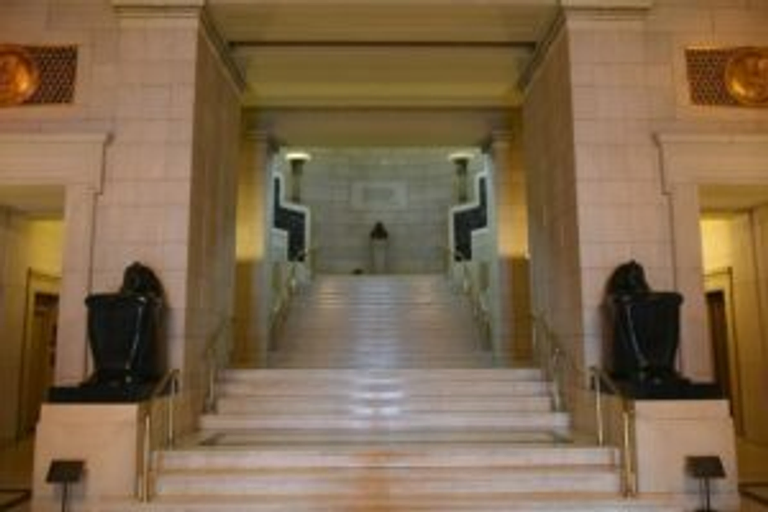
A photo of the House of the Temple’s interior stairsThe House of the Temple’s interior granite stairs.

Inside the building, the granite stairs rising from the building’s main entrance are arranged in groups of three, five, seven, and nine, reflecting the sacred numbers of Pythagoras. Additionally, two sphinxes – Wisdom and Power – sit on either side of the main entrance. On the way up to the Temple Room, two black Egyptian marble statues are inscribed with hieroglyphics that precede the name of a god or a sacred place flank the ceremonial staircase.
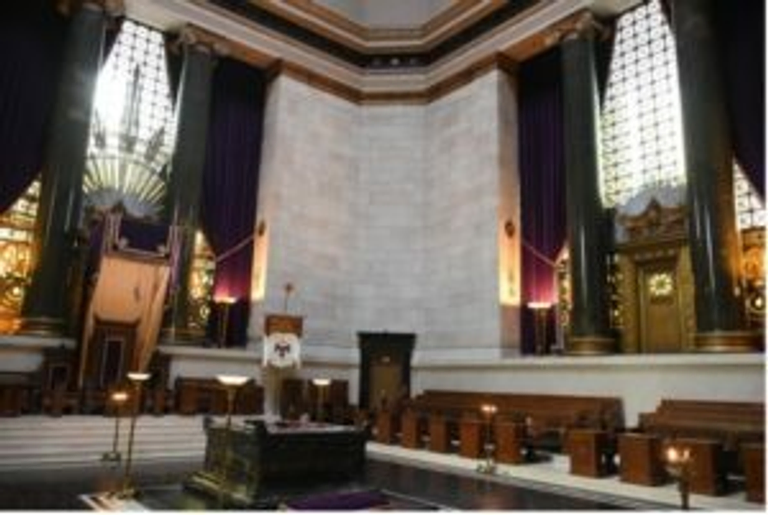
A photo of the House of the Temple’s windowsThe House of the Temple’s interior windows.

Inside the Temple room are large windows representing a Freemason’s progressive search for more light. In the center of these windows sits the double-headed eagle, the symbol of the Scottish Rite. Outside, there are 33 columns lining the Temple's facades, each standing 33 feet tall to the Scottish Rite’s famous 33rd degree.

Additionally, the remains of former Sovereign Grand Commander Albert Pike were moved from Oak Hill Cemetery in Georgetown to the House of the Temple in 1944. He is best known as the author of Morals and Dogma of the Ancient and Accepted Scottish Rite of Freemasonry, a book that describes in detail the 33 degrees of Scottish Rite Freemasonry, the stories and teachings associated with each rank, the rituals connected to each rank, and other lodge proceedings. Past Grand Commander John Henry Cowles was also entombed in the temple in 1952, after his 31-year reign as Grand Commander.


Library and Archives

Many of the Scottish Rite, Southern Jurisdiction’s earliest records were lost not long after it was founded through a combination of disasters. Albert Pike famously emphasized the importance of cataloguing and preserving Masonic artifacts and documents, instilling a tradition of archiving still practiced in the modern Scottish Rite.

Book lined shelves in the House of the Temple libraryThe library within the House of the Temple.

Today, the headquarters of the Scottish Rite of Freemasonry for the Southern Jurisdiction, the House of the Temple includes office and functional spaces and archives, a library, and museum space. The library, which is the oldest library in Washington, D.C., is open to the public, as is the museum, which displays a variety of Masonic artifacts. It is also home to one of the largest collections of materials related to Scottish poet and Freemason Robert Burns.

The archives, which is broken into two areas, include some of the Scottish Rite's most precious books and artifacts, including original documents dealing with the fraternity’s founding, rituals, and current domestic and international affairs. The first storage area is the General Archives, which maintains the records of Active Members and Deputies, and is responsible for housing approximately two million items in archival cases and fireproof file drawers.

The other storage area is the Archives Vault, which preserves the most valuable manuscripts and books, including the Scottish Rite ritual collection, as well as those of foreign jurisdictions, and manuscript copies of books, both published and unpublished. The items in the archives are part of a valuable, delicate collection of records, with some dating back to the 1800s. Because of their condition and, in certain cases, confidential nature, visitors are not eligible to view them. Specific requests for archival information from legitimate Masonic and historic scholars and researchers are managed on an individual basis.

The House of the Temple was one of the first buildings in the city to earn an individual listing in the D.C. Inventory of Historic Sites. As part of the 16th Street Historic District, the Temple was listed in the D.C. Inventory of Historic Sites on November 8, 1964, and in the National Register of Historic Places on August 25, 1978.

In the most recent edition of the “Guide to the Architecture of Washington DC,” the description, in part, reads, "an awe-inspiring temple in the midst of a quiet enclave." Most recently, in his book, “John Russell Pope: Architect of Empire”, Steven Bedford calls it "one of America's greatest architectural achievements."

Since it first opened in 1915, the House of the Temple has been open to the public for guided tours. Visitors interested in experiencing this monument to Masonic history and American architecture can receive a free, guided tour during weekdays. You can learn more about visiting The House of the Temple here: Planning Your Visit.

https://scottishritenmj.org/blog/house-of-temple-history

Rispondi  Messaggio 21 di 43 di questo argomento 
Da: BARILOCHENSE6999 Inviato: 10/07/2025 04:14


Rispondi  Messaggio 22 di 43 di questo argomento 
Da: BARILOCHENSE6999 Inviato: 11/07/2025 17:14


Rispondi  Messaggio 23 di 43 di questo argomento 
Da: BARILOCHENSE6999 Inviato: 11/07/2025 17:48


Rispondi  Messaggio 24 di 43 di questo argomento 
Da: BARILOCHENSE6999 Inviato: 11/07/2025 19:56


Rispondi  Messaggio 25 di 43 di questo argomento 
Da: BARILOCHENSE6999 Inviato: 11/07/2025 22:07


Rispondi  Messaggio 26 di 43 di questo argomento 
Da: BARILOCHENSE6999 Inviato: 13/07/2025 19:05


Rispondi  Messaggio 27 di 43 di questo argomento 
Da: BARILOCHENSE6999 Inviato: 14/07/2025 03:43


Rispondi  Messaggio 28 di 43 di questo argomento 
Da: BARILOCHENSE6999 Inviato: 17/07/2025 00:57


Primo  Precedente  14 a 28 de 43  Successivo   Ultimo 
Argomento precedente  Argomento successivo
 
©2026 - Gabitos - Tutti i diritti riservati