|
Reply |
Message 1 of 191 on the subject |
|
Asunción
De Wikipedia, la enciclopedia libre
| Asunción |
| Capital de Paraguay |

Bandera |

Escudo
|
|
|
Otros nombres: Madre de Ciudades
Capital Mundial de la Amistad.[1] |

Desde arriba, de izquierda a derecha: panorama urbano de la ciudad desde el Río Paraguay, Citibank, el antiguo edificio del Cabildo, Panteón Nacional de los Héroes, Palacio de los López, Hotel Guaraní.
|
 25°16′55″S 57°38′06″O / -25.28194, -57.635Coordenadas: 25°16′55″S 57°38′06″O / -25.28194, -57.635 (mapa) 25°16′55″S 57°38′06″O / -25.28194, -57.635Coordenadas: 25°16′55″S 57°38′06″O / -25.28194, -57.635 (mapa) |
| Idioma oficial |
Español y guaraní |
| Entidad |
Capital |
| • País |
 Paraguay Paraguay |
| Intendente Municipal |
Arnaldo Samaniego (ANR) |
| Subdivisiones |
6 distritos
70 barrios |
| Fundación |
15 de agosto de 1537 por Juan de Salazar y Espinosa |
| Superficie |
Puesto 18.º |
| • Total |
117 km² |
| Altitud |
|
| • Media |
43 msnm |
| Población (est. 2011) |
Puesto 1.º |
| • Total |
544 309 hab.[2] |
| • Densidad |
4 652,2 hab/km² |
| • Pobl. metropolitana |
2 524 719 hab. |
| Gentilicio |
Asunceno, -a |
| IDH (2008) |
0,837 (1.º) – alto |
| Huso horario |
UTC-4 |
| • en verano |
UTC-3 |
| Código postal |
1001 - 1925 |
| Prefijo telefónico |
+ (595) (21) |
| Sitio web oficial |
Nuestra Señora Santa María de la Asunción es la capital y ciudad más poblada de la República del Paraguay. Es un Municipio autónomo y Distrito Capital independiente, es decir, que no está integrado formalmente a ningún departamento o estado. Está ubicada junto a la bahía de Asunción, en la orilla izquierda del río Paraguay frente a la confluencia con el río Pilcomayo.
En 2010, según la Dirección General de Estadísticas, Encuestas y Censos (DGEEC), tenía una población aproximada de 544 309 habitantes, lo que la convierte en la aglomeración urbana más grande y poblada de Paraguay.
Su área metropolitana, denominada Gran Asunción, incluye a las ciudades de San Lorenzo, Lambaré, Fernando de la Mora, Capiatá, Luque, Mariano Roque Alonso, Ñemby, Villa Elisa y San Antonio, lo cual incrementa su población periférica en 2 524 719 de habitantes, lo que la convierte en una de las 20 aglomeraciones urbanas más grandes de Sudamérica.[cita requerida] Su superficie es de 117 km² en la ciudad, y 902 km² en el Gran Asunción. Su Índice de Desarrollo Humano es alto, (0,837).[3]
La capital es la sede de los tres poderes de la Nación (Ejecutivo, Legislativo, Judicial), el principal puerto fluvial (Dirección General de Aduanas) y el centro cultural del país. A pesar de algunas variantes en el transcurso del tiempo, desde su fundación y hasta nuestros días, Asunción es el centro de la actividad nacional. Desde la capital se imparten las principales resoluciones y proyectos de los poderes del Estado, y se centralizan la banca, las entidades económicas, culturales, diplomáticas, sociales, gremiales e industriales del país.[4]
Asunción figura como la 3.ª ciudad más segura de Sudamérica, y la 7.ª de Latinoamérica (puesto mundial en 2011: 115).[5]
El 20 de marzo de 2012, la Organización Mundial por la Paz declaró a Asunción como la «Capital Mundial de la Amistad por la Paz», ya que esta compuesta por una variada población que comparte en paz sus culturas y tradiciones, la calidez de sus pobladores, transmite un clima de seguridad y una unión entre el pasado y el presente, conjugados en un principio ético lo que promueve una verdadera cultura de la buena amistad en bien de la paz.[1]
[
Está ubicada en la orilla izquierda (occidental) del río Paraguay, casi frente a la confluencia de éste con el río Pilcomayo, bordeando la bahía de Asunción. Al noreste limita con la ciudad de Mariano Roque Alonso, al este con Luque y Fernando de la Mora, y al sur con Lambaré y Villa Elisa.[4]
La orografía de la ciudad se caracteriza por ser irregular, en parte a causa de «las siete colinas» que se podían divisar desde el río al llegar a la ciudad.
Las 7 colinas de Asunción, son:
- Loma Kavará, el área fundacional de Asunción.
- Loma San Jerónimo: donde antiguamente existía una ermita dedicada a dicho santo.
- Loma Clavel: donde se encuentra actualmente el cuartel de Infantería de Marina.
- Loma Cachinga: donde se encuentra actualmente el Hospital de Clínicas.
- Loma del Mangrullo: donde se encuentra actualmente el «Parque Carlos Antonio López».
- Loma de la Encarnación: donde se encuentra actualmente la Iglesia de la Encarnación.
- Loma de las Piedras de Santa Catalina, donde se encuentra actualmente la «Escalinata de Antequera».
El «Casco Histórico» se asienta sobre una colina, en cuyo punto más alto se encuentra la Iglesia de la Encarnación y conserva el plano característico de las poblaciones de la época colonial.[9]
Otra elevación importante fue el cerro Tacumbú, pero en la década de 1950 empezaron los trabajos de explotación de este para la pavimentación de las calles de Asunción. Hoy día sólo queda una laguna a consecuencia de la imposibilidad de succión de las aguas por parte de las rocas que allí quedaron. La cantera dejó de funcionar debido a la urbanización de la zona. Su cota actual es de 90 msnm.
El punto más elevado de Asunción es el cerro Lambaré, con 136 msnm; este cerro se encuentra rodeado por un pequeña masa forestal.
|
|
|
|
Reply |
Message 42 of 191 on the subject |
|
AMMAN/RABA/FILADELFIA (CIUDAD DE 7 COLINAS)
AMMÁN Y MAR MUERTO
Conocido localmente como Al-Bahr al Mayit o Bahr Lut (mar de Lot), el mar Muerto es uno de los lugares más extremos del mundo. Ocupa el punto más bajo de la tierra a -408 m. de altitud, tiene unos 65 Km. de largo, una ancho máximo de 16 Km. y un agua 10 veces más salina que la del océano, pues es de 350 a 370 gramos por litro, mientras que la salinidad en el resto de los mares es de 35 gramos por litro. Por ello, ningún ser vivo habita en él, salvo algunos microbios. Su salinidad no tiene nada que ver con estar por debajo del nivel del mar, es debida a la evaporación excesiva. Esta zona es parte del Valle del Rift, que como sabemos atraviesa África desde Mozanbique hasta Djibuti, pasando por Tanzania, Kenia y Etiopía, y que como vemos ahora se extiende hasta el valle del Jordán. El lago prehistórico Shagour o Lisan ocupaba todo el valle del Jordán hasta el mar de Galilea, hasta que se dividió en dos hace unos quince mil años. En la época bíblica el mar Muerto era conocido como el mar Salado, de Araba o de la Llanura. Los nombres árabes que tuvo son el de mar Apestoso de Zoar o el actual, mar de Lot. Se cree que en el ángulo sudeste del mar se ubicaban Sodoma y Gomorra. Los griegos y romanos llamaron al lago el "mar de la Brea", en referencia al betún que obtenían los nabateos y luego lo vendían a los egipcios. Como hemos visto en el mosaico de Madaba, del siglo VI, el mar Muerto era atravesado por barcos cargados con este betún. También servía para el transporte de cobre, pues las primeras minas de cobre de la historia se encuentran en sus orillas. Y por otra parte, por sus aguas también cruzaron barcos que comerciaban con azúcar, añil y azufre. En la época romana florecieron sus manantiales romanos. Después, los cristianos bizantinos peregrinaron por esta zona para llegar a Betania, el monte Nebo y la cueva de Lot. Tras la guerra de los seis días, en 1967, Israel se hizo con el control de la orilla occidental. En los últimos años ha menguado un 30% lo que supone que han desaparecido unos 350 Km2. El nivel del agua ha descendido de 392 a 408 m. por debajo del nivel del mar. Y es que el nivel del agua desciende unos 5 metros al año desde hace dos décadas. La razón es que el río Jordán ya no le aporta el agua de antaño pues es desviada para su uso en la agricultura. Así, a la elevada evaporación se uno que ahora solo le llega el 10% del agua de su caudal natural. Es rico en potasas, bromuro, yeso, sal y otros productos químicos que se extraen en grandes cantidades evaporando artificialmente el agua en su zona sur. A este ritmo, se piensa que en 50 años puede haber desaparecido. Para intentar evitar esta tendencia, se ha proyectado el "canal de los dos mares", de 180 Km. y que une el mar Rojo con el Muerto. A la vez de rellenar a uno con el agua del otro, por el camino se pretende producir la hidroelectricidad necesaria para las desalinizadoras de Israel, Jordania y los territorios palestinos. Así, cerca de la mitad del agua transportada se convertiría en agua dulce. El problema fundamental que surge para este proyecto es el del entendimiento político entre las tres partes implicadas. Las organizaciones ecologistas quieren que sea declarado Patrimonio Mundial con objeto de que se pueda aplicar alguna medida proteccionista.
Muy cerca se encuentra el lugar donde Jesús fue bautizado, conocido como Betania más allá del Jordán. No podemos visitarlo pues nos dicen que no está concertado, pero aquí dejo alguna información. Entonces Jesús vino de Galilea a Juan, al Jordán, para ser bautizado por él. Mateo 3, 13. Estas cosas acontecieron en Betania, más allá del Jordán, donde Juan bautizaba. Juan 1, 28. Por tanto Betania era el lugar donde San Juan Bautista predicaba, donde Jesús fue bautizado y donde los primeros cinco apóstoles se encontraron. Jesús pasó tres días aquí en su ruta desde Galilea y umm Qais antes de pasar 40 días en el cercano desierto. Los griegos lo llamaban Sapsafas, en la Biblia se le llama Betania, y en arameo Beit Anniya (casa de la travesía). En los alrededores surgieron numerosas iglesias y hospederías, pues se encuentra en la ruta de peregrinación entre Jerusalén y el monte Nebo. Aquí celebró una multitudinaria misa al aire libre Juan Pablo II en el año 2000. Se visita el manantial de Juan Bautista, que es uno de los diversos lugares donde se cree que aquél fue bautizado. En realidad la mayoría de los bautismos se realizaron en el Wadi al-Kharrar, provenientes del manantial, y no en el Jordán. También se visita el lugar del bautismo de Jesús, donde se hayan los restos de tres iglesias bizantinas del siglo V y VI que se construyeron unas encima de las otras pues fueron destruidas por inundaciones. Aún se conservan restos de los mosaicos originales. Y hemos dejado para el final la capital de Jordania, Ammán, en la que hemos dormido varias noches. Se trata de una moderna ciudad árabe puesto que no ha rivalizado con las vecinas Damasco o El Cairo como grandes ciudades islámicas de la antigüedad. Por tanto, tiene un cierto aire occidentalizado. Ammán tiene dos zonas claramente diferenciadas: en el este y centro se encuentra la zona islámica, incluyendo los barrios más pobres y los campos de refugiados palestinos, mientras que en el oeste se encuentran los verdes barrios residenciales con cafés, bares modernos e interesantes galerías de arte. Destaca la Ciudadela, con su Museo Nacional de Arqueología, y con sus impresionantes vistas sobre la ciudad moderna, y el teatro romano, que es el monumento más antiguo y espectacular de la ciudad. Las excavaciones en la ciudad han permitido hallar restos arqueológicos que datan del año 3500 a.C. y se sabe que ya había asentamientos en ella en la Edad de Bronce y que comerciaban con Grecia, Siria, Chipre y Mesopotamia. En el Antiguo Testamento se la menciona como la capital de los amonitas. El rey David envió a los israelitas a sitiar Ammón tras ser ofendidos por el rey amonita Nahash. Tomó la ciudad y quemó vivos a sus habitantes en un horno de ladrillos. Ammón siguió prosperando, y Salomón, el sucesor de David, levantó un santuario en Jerusalén al dios amonita Moloc. Desde esta época hasta la de Tolomeo de Egipto la historia es confusa. Tolomeo Filadelfio (283-246 a.C.) reconstruyó la ciudad durante su reinado llamándola Filadelfia. Después entraron los seléucidas, los nabateos, y finalmente Herodes hacia el año 30 a.C. Fue entonces cuando la ciudad fue transformada bajo la influencia romana construyéndose un teatro, un foro y un templo a Hércules. Pronto se convirtió en un importante punto en la ruta comercial entre le mar Rojo y Siria.
|
|
|
|
Reply |
Message 43 of 191 on the subject |
|
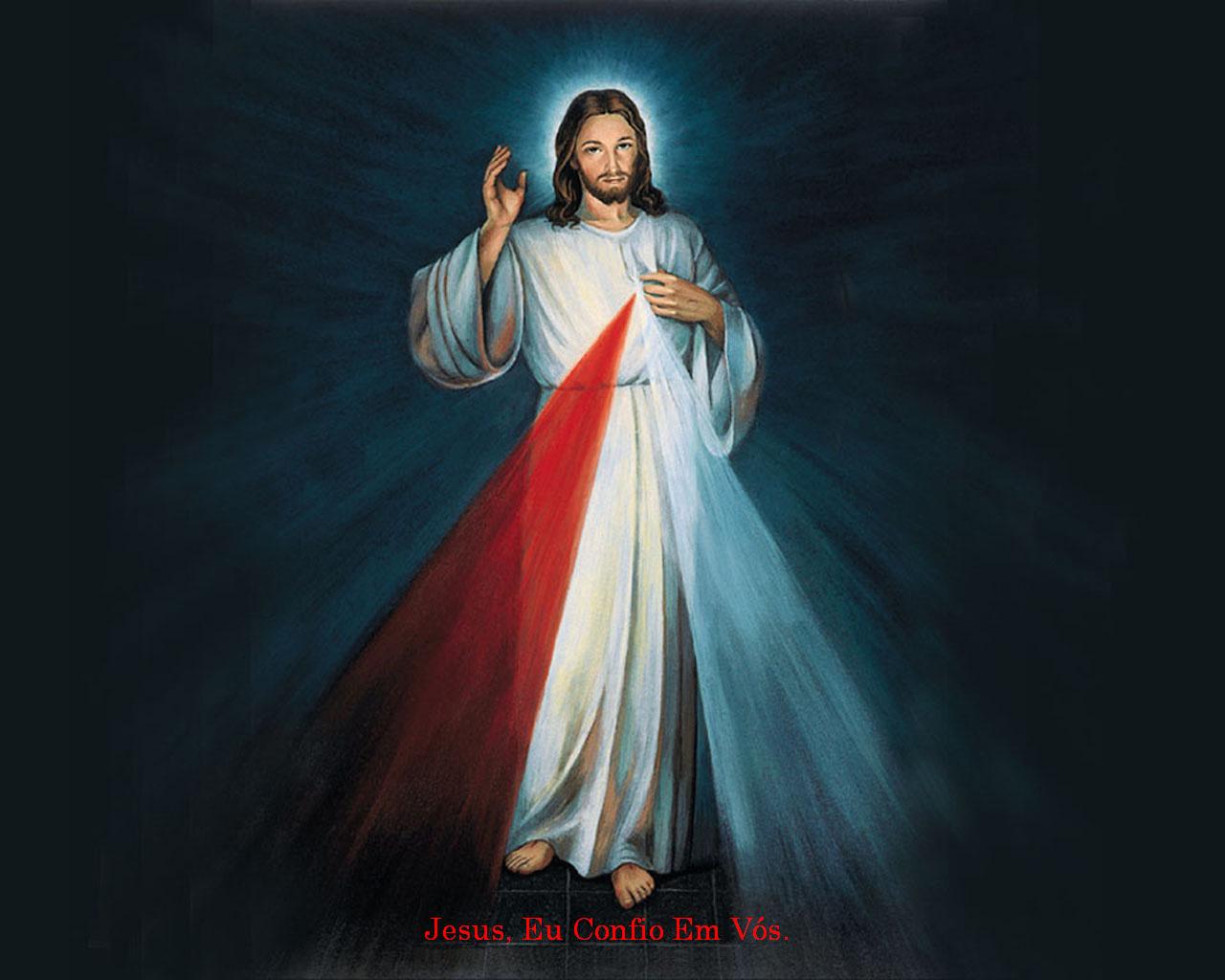
BANDERA PARAGUAYA/FRANCESA EN ICONO CATOLICO CON EL ARCO IRIS/PACTO DE NOE-YHWH MUEVE LOS HILOS DE LA HISTORIA, GEOGRAFIA, ETC, ETC Y NOSOTROS DEBATIMOS TONTERAS
  
Habacuc
3:1 Oración del profeta Habacuc, sobre Sigionot.
3:2 Oh Jehová, he oído tu palabra, y temí. Oh Jehová, aviva tu obra en medio de los tiempos, En medio de los tiempos hazla conocer; En la ira acuérdate de la misericordia.
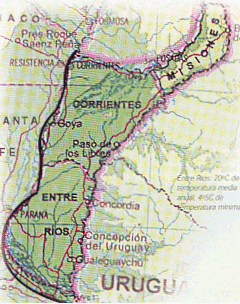
3:3 Dios vendrá de Temán, Y el Santo desde el monte de Parán. Selah Su gloria cubrió los cielos, Y la tierra se llenó de su alabanza. (Teman es descendiente de EDOM/ROJO, con fuerte nexo con la tierra Roja PARAGUAYA y PARAN tiene relacion con AGAR, la madre de ISMAEL y el MONTE SINAI adonde fueron dados los 10 mandamientos. Paran tiene un nexo con el rio Parana, Teman con el rojo de la tierra paraguaya con fuerte nexo con MAGDALENA en el contexto a ASUNCION DEL PARAGUAY. La asuncion en el dia numero 227, relacionada con el 22/7=3.14, del año gregoriano. Teman tiene un nexo con la Viuda en el contexto al libro de Job 18. El azul y el rojo estan relacionados aparentemente con los extremos del arco iris, osea el PACTO DE NOE, CON FUERTE NEXO CON EL GRIAL. GENESIS 9, en contexto al VINO y la borrachera de Noe y las tiendas de Set, un obvio nexo con la FIESTA DE LOS TABERNACULOS. Noten incluso la interrelacion con el numero 33 del versiculo en contexto a la PRODUCCION DE VINO. ROSARIO, ARGENTINA esta exactamente en el paralelo 33 al igual que MENDOZA Y VIÑA DEL MAR, PRODUCTORES DE VINO EN LA ARGENTINA. LA MESOPOTAMIA ARGENTINA TIENE RELACION CON LA MESOPOTAMIA ASIATICA ENTRE EL EUFRATES Y EL TIGRIS AL SUR DE ANTIOQUIA ADONDE ESTA UBICADO EL MONTE DE ARARAT adonde esta ubicado el ARCA DE NOE/COLUMBIA, incluso tambien interrelacionado con el VIAJE A LA LUNA. CONCRETAMENTE ASUNCION DEL PARAGUAY, ciudad de 7 colinas, tiene relacion espiritual con LAODICEA, apocalipsis 3:14, tambien ciudad de 7 colinas con interrelacion con las PLEYADES/TAURO/7 IGLESIAS.)
3:4 Y el resplandor fue como la luz; Rayos brillantes salían de su mano, Y allí estaba escondido su poder. 3:5 Delante de su rostro iba mortandad, Y a sus pies salían carbones encendidos. 3:6 Se levantó, y midió la tierra; Miró, e hizo temblar las gentes; Los montes antiguos fueron desmenuzados, Los collados antiguos se humillaron. Sus caminos son eternos. 3:7 He visto las tiendas de Cusán en aflicción; Las tiendas de la tierra de Madián temblaron. 3:8 ¿Te airaste, oh Jehová, contra los ríos? ¿Contra los ríos te airaste? ¿Fue tu ira contra el mar Cuando montaste en tus caballos, Y en tus carros de victoria? 3:9 Se descubrió enteramente tu arco; Los juramentos a las tribus fueron palabra segura. Selah Hendiste la tierra con ríos. 3:10 Te vieron y tuvieron temor los montes; Pasó la inundación de las aguas; El abismo dio su voz, A lo alto alzó sus manos. 3:11 El sol y la luna se pararon en su lugar; A la luz de tus saetas anduvieron, Y al resplandor de tu fulgente lanza. 3:12 Con ira hollaste la tierra, Con furor trillaste las naciones. 3:13 Saliste para socorrer a tu pueblo, Para socorrer a tu ungido. Traspasaste la cabeza de la casa del impío, Descubriendo el cimiento hasta la roca. Selah 3:14 Horadaste con sus propios dardos las cabezas de sus guerreros, Que como tempestad acometieron para dispersarme, Cuyo regocijo era como para devorar al pobre encubiertamente. 3:15 Caminaste en el mar con tus caballos, Sobre la mole de las grandes aguas. 3:16 Oí, y se conmovieron mis entrañas; A la voz temblaron mis labios; Pudrición entró en mis huesos, y dentro de mí me estremecí; Si bien estaré quieto en el día de la angustia, Cuando suba al pueblo el que lo invadirá con sus tropas. 3:17 Aunque la higuera no florezca, Ni en las vides haya frutos, Aunque falte el producto del olivo, Y los labrados no den mantenimiento, Y las ovejas sean quitadas de la majada, Y no haya vacas en los corrales; 3:18 Con todo, yo me alegraré en Jehová, Y me gozaré en el Dios de mi salvación. 3:19 Jehová el Señor es mi fortaleza, El cual hace mis pies como de ciervas, Y en mis alturas me hace andar. Al jefe de los cantores, sobre mis instrumentos de cuerdas.
Job de gran maldad (18:22:1 - 18:22:30)
Entonces intervino Elifaz el temanita y dijo:
—¿Puede el hombre fuerte traer provecho a Dios? ¿Puede el hombre inteligente serle de provecho?
¿Le deleita al Todopoderoso el que tú seas justo? ¿Gana algo con que tú hagas perfectos tus caminos?
¿Es por tu piedad que él te reprende o acude contigo a juicio?
¿Acaso no será grande tu maldad, y sin fin tus iniquidades?
Sin razón, tomabas prenda de tus hermanos, y despojabas de sus ropas a los desnudos.
No dabas de beber agua al cansado, y al hambriento le privabas de pan.
Como un hombre poderoso a quien le pertenece la tierra y un enaltecido que habita en ella,
despedías a las viudas con las manos vacías y quebrantabas los brazos de los huérfanos.
|
|
|
|
Reply |
Message 44 of 191 on the subject |
|
(heb. Elîfa5, posiblemente "Dios es oro fino [su fuerza]"). 1. Hijo de Esaú. El nombre de su madre fue Ada (Gn. 36:4). 2. Amigo de Job, un temanita (Job 2:11; 4:1; etc.). Probablemente fue descendiente de Elifaz 1, que tuvo un hijo llamado Teman (Gn. 36:11). Leer más: Diccionario Biblico Gratis - Elifaz
|
|
|
|
Reply |
Message 45 of 191 on the subject |
|
Haz hecho público que te gusta. Deshacer2 respuestas - 17 Jun 2008
Mejor respuesta: La Mesopotamia asiático, con sus trascendentales ríos Tigris y Eufrates, fue el ámbito donde se desarrollaron culturas urbanas que se ...
Haz hecho público que te gusta. Deshacer
historico.es.tl/MESOPOTAMIA-ASIATICA-ANTIGUA.htmEn caché
Haz hecho público que te gusta. Deshacer
www.educ.ar/recursos/ver?rec_id=20020En caché
Haz hecho público que te gusta. Deshacer
Haz hecho público que te gusta. Deshacer
Haz hecho público que te gusta. Deshacer
www.bellezatotalpilar.com.ar/index.php?option=com...id...En caché
Haz hecho público que te gusta. Deshacer
Haz hecho público que te gusta. Deshacer
Haz hecho público que te gusta. Deshacer
www.profesorfrancisco.es/2009/11/linea-del-tiempo-interactiva.htmlEn caché - Similares
Haz hecho público que te gusta. Deshacer
|
|
|
|
Reply |
Message 46 of 191 on the subject |
|
|
|
|
Reply |
Message 47 of 191 on the subject |
|
COLUMBIA, LA PALOMA DE NOE
Columba (constelación)
Columba, Latín para palomo, es una pequeña constelación justo al sur de Canis Major y Lepus. Fue sacada de la constelación Canis Major por Augustin Royer, en 1679.
Dado que fue creada en el siglo XVII, por la separación de una constelación ya existente, no tiene mitología relacionada, de manera independiente.
Puede referirse a la paloma que los Argonautas envían para determinar si pueden pasar por el estrecho del mar negro. También, es la paloma que Nóe utilizó en su arca.

Columba, la Paloma, junto al Can Mayor.

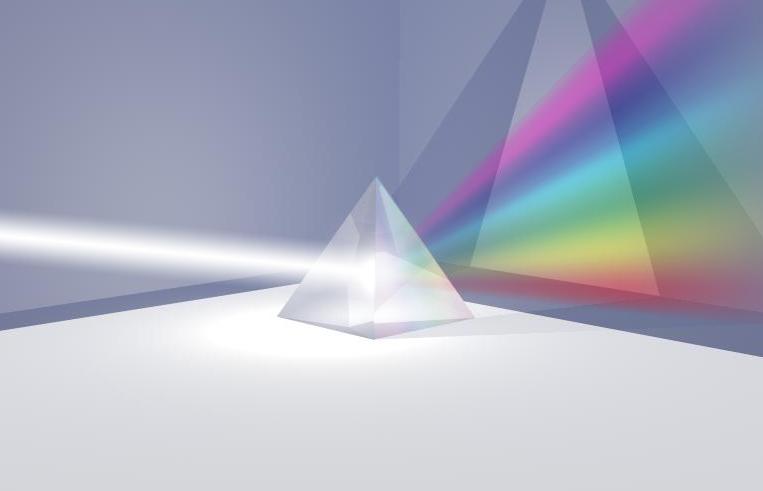
NOTEN EL ARCO IRIS
2. Y el aspecto del que estaba sentado era semejante a piedra de jaspe y de cornalina; y había alrededor del trono un ARCO IRIS, semejante en aspecto a la esmeralda.
3. Apocalipsis 10:1: Vi descender del cielo a otro ángel fuerte, envuelto en una nube, con el ARCO IRIS sobre su cabeza; y su rostro era como el sol, y sus pies como columnas de fuego.
1. Génesis 9:13: Mi ARCO he puesto en las nubes, el cual será por señal del pacto entre mí y la tierra.
2. Génesis 9:14: Y sucederá que cuando haga venir nubes sobre la tierra, se dejará ver entonces mi ARCO en las nubes.
3. Génesis 9:16: Estará el ARCO en las nubes, y lo veré, y me acordaré del pacto perpetuo entre Dios y todo ser viviente, con toda carne que hay sobre la tierra.
1. Génesis 9:13: Mi ARCO he puesto en las nubes, el cual será por señal del pacto entre mí y la tierra.
2. Génesis 9:14: Y sucederá que cuando haga venir nubes sobre la tierra, se dejará ver entonces mi ARCO en las nubes.
Apocalipsis 4:3: Y el aspecto del que estaba sentado era semejante a piedra de jaspe y de cornalina; y había alrededor del trono un ARCO iris, semejante en aspecto a la esmeralda.
41. Apocalipsis 10:1: Vi descender del cielo a otro ángel fuerte, envuelto en una nube, con el ARCO iris sobre su cabeza; y su rostro era como el sol, y sus pies como columnas de fuego.
|
|
|
|
Reply |
Message 48 of 191 on the subject |
|
To the church at Laodicea
Read an introduction to the seven churches of Revelation 2-3
This is the seventh in a series of commentaries on Christ’s letters to the seven churches of Asia Minor. Read about Ephesus, Smyrna, Pergamum, Thyatira, Sardis and Philadelphia.
 The wealthy city of Laodicea lies 40 miles southeast of Philadelphia on the road to Colossae. The city was destroyed by an earthquake in 62 A.D. and rebuilt by its wealthy citizens without the help of the state. Laodicea is a banking center and a producer of glossy black wool from which clothes and carpets are fashioned. The city also is host to a famous medical school that produces a salve for treating ailments of the eye. A massive wall rings the city. Three marble theaters are located here and, like Rome, Laodicea is built on seven hills. There is no evidence that Paul ever visited the city, but he expresses great interest in it (Col. 2:1-2; 4:16). The city’s water supply originates in hot springs six miles away at Denizli. In its travels through the aqueduct to Laodicea, the water becomes tepid, providing a fitting backdrop for Christ’s letter to the church here, which lays claim to being the most notorious of the seven churches in Asia Minor. The wealthy city of Laodicea lies 40 miles southeast of Philadelphia on the road to Colossae. The city was destroyed by an earthquake in 62 A.D. and rebuilt by its wealthy citizens without the help of the state. Laodicea is a banking center and a producer of glossy black wool from which clothes and carpets are fashioned. The city also is host to a famous medical school that produces a salve for treating ailments of the eye. A massive wall rings the city. Three marble theaters are located here and, like Rome, Laodicea is built on seven hills. There is no evidence that Paul ever visited the city, but he expresses great interest in it (Col. 2:1-2; 4:16). The city’s water supply originates in hot springs six miles away at Denizli. In its travels through the aqueduct to Laodicea, the water becomes tepid, providing a fitting backdrop for Christ’s letter to the church here, which lays claim to being the most notorious of the seven churches in Asia Minor.
Christ’s self-description
Jesus calls Himself “The Amen” (v. 14). This word appears nine times in Revelation and numerous times in other Scriptures, but this is the only time it is used as a title or name. It is a Hebrew expression of strong affirmation meaning “so be it.” More than 20 times in John’s Gospel Jesus prefaces His remarks with the words, “Amen, amen.” Paul writes of Jesus, “For every one of God’s promises is ‘Yes’ in Him. Therefore the ‘Amen’ is also through Him for God’s glory through us” (2 Cor. 1:20). As the Amen, Jesus speaks and His words are as true as His divine nature; what He speaks always comes to pass.
He also identifies Himself as “the faithful and true witness” and “the Originator of God’s creation” (v. 14). Drawing from John’s description of Him as “the faithful witness” (Rev. 1:5), Jesus emphasizes not only that He speaks the truth but that He is the truth (John 14:6). The name “the Originator of God’s creation” in no way implies that Jesus is a created being or came into existence at any time. The Greek word translated “Originator” or “Beginning” is arche, which carries the idea of “active cause.” Paul instructed the Colossian church to share his letter with the church at Laodicea. If his instructions were obeyed, then believers in Laodicea would have been familiar with Paul’s description of Christ as Creator: “He is the image of the invisible God, the firstborn [Greek prototokos, pre-eminent; not protoktisis, first-created] over all creation; because by Him everything was created … all things have been created through Him and for Him” (Col. 1:15-16).
Christ’s evaluation of the church’s condition
As with Sardis, Jesus has no words of commendation for the church at Laodicea. “I know your works,” He says, “that you are neither cold nor hot. I wish that you were cold or hot” (v. 15). Just as water from the hot springs in Hierapolis turns lukewarm by the time it reaches Laodicea, the church has lost its zeal for God and is simply going through the motions, like water running through an aqueduct. Jesus’ wish that the Laodicean believers be either hot (literally “boiling”) or icy cold is intriguing. Why would our Savior actually find coldness less offensive than lukewarmness? Steve Gregg writes, “Perhaps we should not find this too surprising. Those who zealously oppose Christ (cold), and those who zealously serve Him (hot), have one thing in common: they both take Him seriously. The one who neither opposes nor serves offers Christ the ultimate insult – affirming His existence, but not taking Him seriously” (Revelation: Four Views, p. 79).
Jamieson, Fausset and Brown offer further insight: “[T]here is more hope of the ‘cold,’ that is, those who are of the world, and not yet warmed by the Gospel call; for, when called, they may become hot and fervent Christians: such did the once-cold publicans, Zaccheus and Matthew, become. But the lukewarm has been brought within reach of the holy fire, without being heated by it into fervor: having religion enough to lull the conscience in false security, but not religion enough to save the soul” (A Commentary, Critical and Explanatory, on the Old and New Testaments, Re 3:15).
“So,” Jesus says, “because you are lukewarm, and neither hot nor cold, I am going to vomit you out of My mouth” (v. 16). The word “vomit” also may be translated “spew” or “spit.” Just as lukewarm water turns the stomach – physicians have been known to use it to induce vomiting – a church that’s indifferent to Christ is nauseating to the One who gave Himself for it. There seems little hope that the church at Laodicea will change. While Jesus has not yet brought judgment against those who profess His name, He assures them He is “going to” do so. The Lord knows the beginning from the end, and He knows what decisions we will make, whether to serve Him as Lord or grow cozy in self-satisfaction. Yet the decision and its consequences lie with us.
Next, Jesus contrasts Laodicea’s self-image with reality. The church says, “I’m rich; I have become wealthy, and need nothing” (v. 17a). Since the city itself is financially secure, the church no doubt has significant resources at its disposal. We can suppose that it meets in a comfortable and modern facility, pays its staff well, supports a wide array of programs, contributes to many civic and charitable organizations, and carries no debt. It is conceivable that other churches are coming to Laodicea for financial assistance. The church – it needs nothing. Or so it claims. But Jesus has a far different, and far more accurate, appraisal. He tells them, “you don’t know that you are wretched, pitiful, poor, blind, and naked” (v. 17b).
It is revealing that Jesus tells His people they “don’t know” their true condition. Like the pale and gaunt woman with an eating disorder who looks in the mirror and sees only an overweight body, the church at Laodicea sees itself as robust when in fact it is spiritually on its last legs.
The words “wretched, pitiful, poor” describe a church in the throes of spiritual bankruptcy, without the strength or the good sense to extend a hand and ask God for help. The church also is “blind,” Jesus says, a term often used in scripture to depict spiritual darkness. The apostle Peter teaches that when Christians are not growing spiritually, it affects their vision. He calls such Christians “blind and shortsighted” (see 2 Peter 1:5-9). If they have any advantage at all, it is over unbelievers, whom Paul describes as “blinded” by the “god of this age,” so that the light of the gospel is hidden from them (2 Cor. 4:3-4). Finally, the Laodiceans are “naked,” a reality quite difficult to grasp in a city known for its fine linen. Like the emperor who has no clothes, the Christians in this city are aloof to their spiritual shame, preferring to believe the flattery of their countrymen rather than the facts from their Savior. “Let us daily beg of God that we may not be left to flatter and deceive ourselves in the concerns of our souls,” writes Matthew Henry (Re 3:14-22).
Christ’s comfort and/or commands
Jesus has the antidotes for all of Laodicea’s ills. “I advise you to buy of Me gold refined in the fire so that you may be rich,” He says (v. 18a). The refined gold implies character that has been refined through affliction. Job tells his friends, “He [God] knows the way I have taken; when He has tested me, I will emerge as pure gold” (Job 23:10). And Peter comforts persecuted Christians with these words, “You rejoice in this, though now for a short time you have had to be distressed by various trials so that the genuineness of your faith – more valuable than gold, which perishes though refined by fire – may result in praise, glory, and honor at the revelation of Jesus Christ” (1 Peter 1:6-7).
Next, Jesus tells them to buy “white clothes so that you may be dressed and your shameful nakedness not be exposed” (v. 18b). Although they could go to the market and buy fine black woolen linens, Jesus urges them to prefer white garments, which in Rev. 19:8 represent “the righteous acts of the saints.”
Finally, Jesus exhorts them to buy “ointment to spread on your eyes so that you may see” (v. 18c). The city’s famous eye salve would not remedy the church’s spiritual blindness. But Jesus, who opened the eyes of the blind on many occasions, would gladly restore the church’s spiritual eyesight.
Note that in each case, Jesus instructs the church to “buy” these antidotes. How can a spiritually impoverished church do this? In the same way God’s spiritually thirsty people in Isaiah’s day are instructed to receive divine help: “Come, everyone who is thirsty, come to the waters; and you without money, come, buy, and eat! Come, buy wine and milk without money and without cost!” (Isa. 55:1). Believers are sometimes deceived into thinking they can work their way out of a spiritual drought. If they would just keep going, keep working, keep doing the things they’ve always done, then the Lord will take notice and restore the joy of their salvation. King David knew it could never be this way. Broken beneath the weight of his sins with Bathsheba (with whom he committed adultery) and Uriah (whom he had ordered killed), the king simply acknowledge that if there is any remedy for his sin, it must come from God: “Restore the joy of Your salvation to me, and give me a willing spirit” (Ps. 51:12). Jesus has already bought our spiritual health through His finished work on the cross. We trample His blood beneath our feet when we think our good works are of any value to cancel sin in God’s economy.
While there is not a word of commendation in this letter, Jesus reminds us of His abiding love of the church. “As many as I love, I rebuke and discipline,” He says. “So be committed and repent” (v. 19). The word “committed” is translated “zealous” in some translations. The church at Laodicea has not been “hot” (Gr. zestos), so she is urged to be “zealous” (Gr. zeleue). Both words are derived from the same Greek verb zeo, which means “to boil.” Like a loving father, Jesus lifts His voice in chastisement before He raises His arm in judgment. Proverbs 3:11-12 reads: “Do not despise the Lord’s instruction, my son, and do not loathe His discipline. For the Lord disciplines the one He loves, just as a father, the son he delights in.” Those who heed Christ’s call and repent will again enjoy intimate fellowship with their Savior. Those who stand in self-sufficiency, stiff-necked and aloof, will find they stand alone.
|
|
|
|
Reply |
Message 49 of 191 on the subject |
|
|
|
|
Reply |
Message 50 of 191 on the subject |
|
|
|
|
Reply |
Message 51 of 191 on the subject |
|
| milky way in Simple Gematria Equals: 119 |
( |
m 13 |
i9 |
l 12 |
k 11 |
y 25 |
0 |
w 23 |
a1 |
y 25 |
) |
| queen mary in Simple Gematria Equals: 119 |
( |
q 17 |
u 21 |
e5 |
e5 |
n 14 |
0 |
m 13 |
a1 |
r 18 |
y 25 |
|
| hebrew calendar in Simple Gematria Equals: 119 |
( |
h8 |
e5 |
b2 |
r 18 |
e5 |
w 23 |
0 |
c3 |
a1 |
l 12 |
e5 |
n 14 |
d4 |
a1 |
r 18 |
| mary magdalene in Simple Gematria Equals: 119 |
( |
m 13 |
a1 |
r 18 |
y 25 |
0 |
m 13 |
a1 |
g7 |
d4 |
a1 |
l 12 |
e5 |
n 14 |
e5 |
|
PARAMOUNT/PARA-GUAY
| paramount in Simple Gematria Equals: 119 |
( |
p
16 |
a
1 |
r
18 |
a
1 |
m
13 |
o
15 |
u
21 |
n
14 |
t
20 |
) |
| paramount in Simple Gematria Equals: 119 |
( |
p
16 |
a
1 |
r
18 |
a
1 |
m
13 |
o
15 |
u
21 |
n
14 |
t
20 |
) |
PARAMOUNT/PARA-GUAY
| paramount in Simple Gematria Equals: 119 |
( |
p
16 |
a
1 |
r
18 |
a
1 |
m
13 |
o
15 |
u
21 |
n
14 |
t
20 |
) |
|
|
|
|
Reply |
Message 52 of 191 on the subject |
|
COLUMBIA, LA PALOMA DE NOE
Columba (constelación)
Columba, Latín para palomo, es una pequeña constelación justo al sur de Canis Major y Lepus. Fue sacada de la constelación Canis Major por Augustin Royer, en 1679.
Dado que fue creada en el siglo XVII, por la separación de una constelación ya existente, no tiene mitología relacionada, de manera independiente.
Puede referirse a la paloma que los Argonautas envían para determinar si pueden pasar por el estrecho del mar negro. También, es la paloma que Nóe utilizó en su arca.
Columba, la Paloma, junto al Can Mayor.
NOTEN EL ARCO IRIS
Belen Map — Satellite Images of Belen
original name: Belén geographical location: Belen, Concepcion, Paraguay, South America geographical coordinates: 23° 27' 58" South, 57° 15' 43" West
detailed map of Belen and near places
 Welcome to the Belen google satellite map! This place is situated in Belen, Concepcion, Paraguay, its geographical coordinates are 23° 27' 58" South, 57° 15' 43" West and its original name (with diacritics) is Belén. See Belen photos and images from satellite below, explore the aerial photographs of Belen in Paraguay. Belen hotels map is available on the target page linked above. Welcome to the Belen google satellite map! This place is situated in Belen, Concepcion, Paraguay, its geographical coordinates are 23° 27' 58" South, 57° 15' 43" West and its original name (with diacritics) is Belén. See Belen photos and images from satellite below, explore the aerial photographs of Belen in Paraguay. Belen hotels map is available on the target page linked above.
http://www.maplandia.com/paraguay/concepcion/belen/belen/
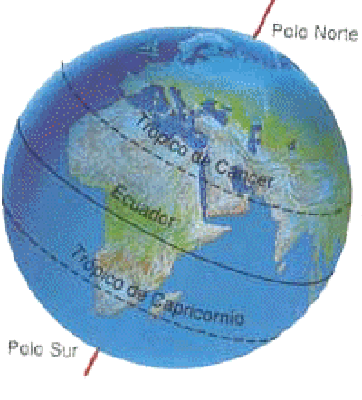
La ubicacion de BELEN en el TROPICO DE CAPRICORNIO, en el contexto al PACTO DE NOE DEL ARCO IRIS, BANDERA PARAGUAYA TIENE COMO EXTREMOS EL ROJO Y EL AZUL E INCLUSO UNA ESTRELLA DE 5 PUNTAS EN EL CENTRO, en GENESIS 9:11 es un obvio nexo CON EL GRIAL e icluso potencialmente interrelacionado con el FIN DEL CALENDARIO MAYA ya que justamente el SOL, LA TIERRA Y EL CENTRO DE LA VIA LACTEA SE PONEN EN UNA SOLA LINEA, osea UN ENLACE ESPIRITUAL CON GALATAS 4:26, justamente en DICHO TROPICO.
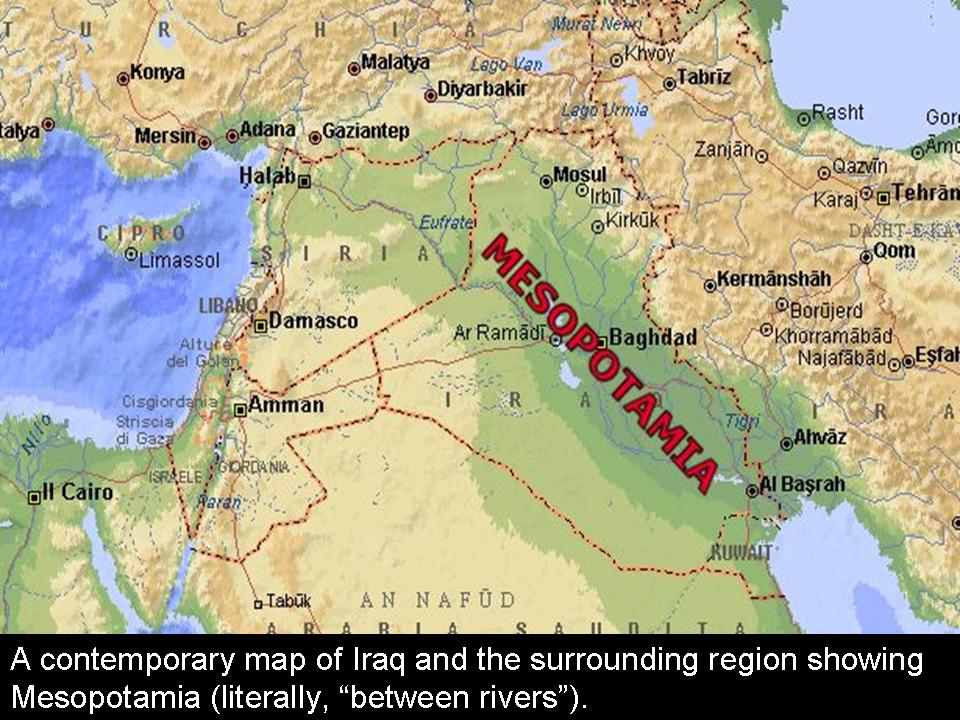
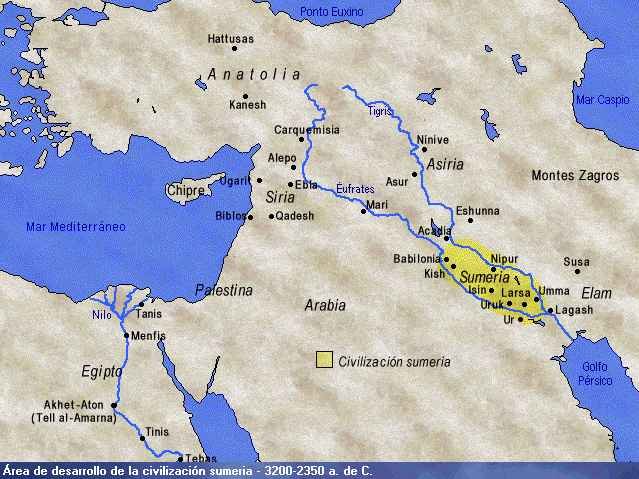
En realidad el TROPICO DE CAPRICORNIO ES DE SAGITARIO Y EL TROPICO DE CANCER ES EN GEMINIS en contexto a la PRECESION DE LOS EQUINOCCIOS. SAGITARIO en contexto al ARCO tiene un nexo con BENJAMIN en contexto al ARCO IRIS. Concretamente BELEN es un NEXO CON RAQUEL, LA ESPOSA AMADA DE JACOB, y madre de BENJAMIN (PEQUEÑO). Incluso detras del VIAJE A LA LUNA TAMBIEN TENEMOS EN CONTEXTO A COLUMBIA, UN MENSAJE NEXO CON EL ARCA DE NOE. Esto explica espiritualmente del porque de la ubicacion de ASUNCION DEL PARAGUAY EN CONTEXTO A LA MESOPOTAMIA ARGENTINA COMO LAODICEA, QUE ES LA IGLESIA DE LA ILUMINACION SEGUN APOCALIPSIS 3:14, en contexto a ANTIOQUIA AL SUR DEL MONTE DE ARARAT Y al norte de la mesopotamia en contexto a BABILONIA cuyos rios son el EUFRATES Y EL TIGRIS. RECORDEMOS que la antigua BABILONIA /BABY-LON/BEBE ESTABA EN EL PARALELO 33.
|
|
|
|
Reply |
Message 53 of 191 on the subject |
|
TEMAN TIENE LA MISMA DEFINICION QUE BENJAMIN
(heb. Têmn, "a la mano derecha [diestra]" o "al sur"). Nieto de Esaú (Gn. 36: 11) y el sector habitado por sus descendientes (Jer. 49: 20; Am. 1: 12-1 Abd. 9; Hab. 3: 3). Probablemente se encontraba en el extremo norte de Edom (Ez. 25: 13). Uno de los reyes de Edom era de Temán (Gn. 36: 34), y uno de los amigos de Job pudo haber sido de allí también (Job 2: 11). Los temanitas eran famosos por su sabiduría (Jer. 49: 7). En el Mapa V, B-7 se señalan 2 posibles ubicaciones de este lugar. Leer más: Diccionario Biblico Gratis - Temán
|
|
|
|
Reply |
Message 54 of 191 on the subject |
|
Hoshana Rabbah (La Gran Salvación)
Joab tomó el lugar de las Aguas en Rabbá, en donde garantizaría para Israel una fuente para saciar la sed del pueblo, así mismo al cristiano le corresponde tomar la palabra como referente de vida por el Espíritu Santo, para que de su interior fluyan los corrientes de aguas que cumplan el propósito salvador de Dios para éste mundo. (Juan 7:37-39; Juan 4:13-14)37-39
AMMAN/RABA/FILADELFIA = 7 COLINAS
7 COLINAS
En el santoral catolico el dia de BETSABE es el 4 de JULIO (Independencia de EEUU) con fuerte nexo con FILADELFIA
RABA
|
|
|
|
Reply |
Message 55 of 191 on the subject |
|
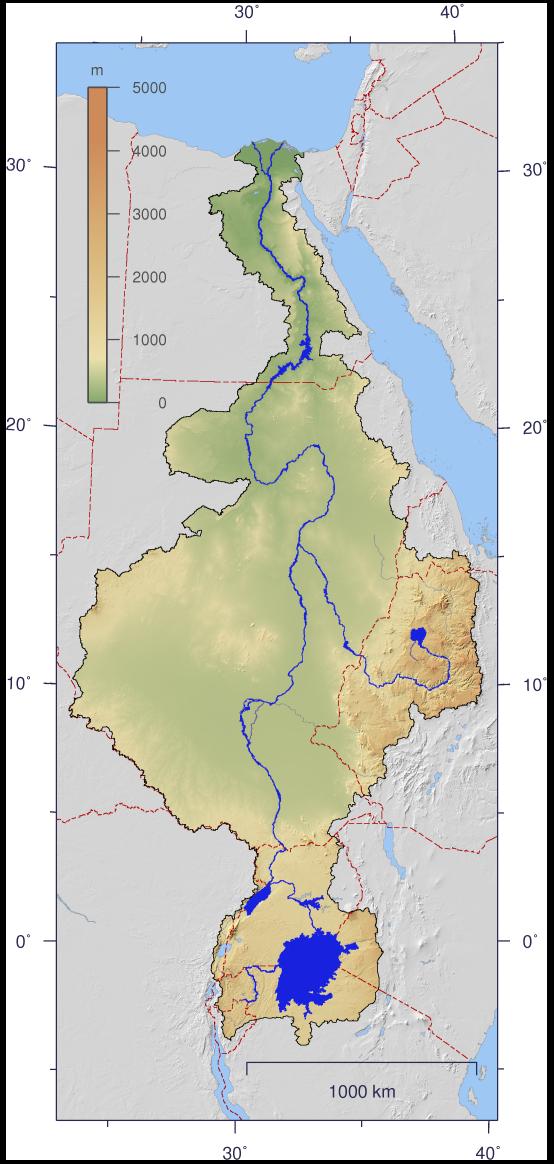
¿BANDERA PARAGUAYA/FRANCESA CODIFICADA EN EL RIO NILO?
White and Blue Nile
MT HOREB & MT SINAI, THE “TWIN PEAKS OF LIGHT”
OF THE PINEAL & THE PITUITARY
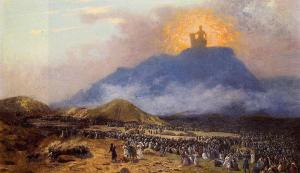
Moses on Mount Sinai – by Jean Léon Gérôme 1895-1900
http://en.wikipedia.org/wiki/Biblical_Mount_Sinai
It is crucial here to be aware that every mystic tradition, every source of spirituality, every fountain of knowledge, has been historically POISONED & CORRUPTED, interdicted and planted with all kinds of untruths and spin to suit the demonic Demiurgic manipulators of this false 3D Semi-Virtual Reality; as you read in the above Wikipedia link, this is all too evident for ex regarding the discrepancy between those who place “Moses” at Mount Horeb (the Elohists -pentagonal 5 letter password ALHIM sources-) and those who place “Moses” at Mount Sinai (the Yahwists -square 4 letter password YHVH sources-). In this particular case it turns out that both hold a half of the encrypted keys, as both the Pineal Gland and the Pituitary Glands act as the Inner Portal to communicate with the Higher Selves and the Higher Dimensions/Densities, via lighting up and establishing a Supernal Light medium of interface. These are the famous “Twin Peaks” or “Twin Pillars” that one can find in so many esoteric circles.
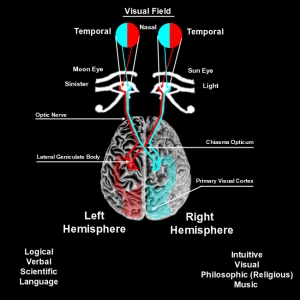
The 2 Brain Hemispheres and the 2 Eyes of Horus (CLICK TO ENLARGE)
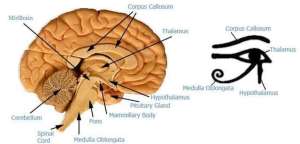
Eye of Horus as secret diagram for the Brain (CLICK TO ENLARGE)
Now that we are in-the-zone so to speak, let us remember that THE DIVISION OF THE LEFT & RIGHT HEMISPHERES DOES NOT CORRESPOND TO THE SINGLE “UNI MODAL” (MALE) PINEAL & PITUITARY; this is what was meant by the “Creation of Adam” as a single only male creature, and then a later re-creation through a bipolar Male & Female Creation ss described in the book of Genesis. What is implied is not the sexual “genders” in the first case of the single Uni-Modal creature (often called in Kabbalah the primordial Adam Kadmon), but rather that the “male” is made to be understood as that single Uni-Modal neural platform, while the “female” is made to imply a BIPOLAR Left & Right Brain platform where to the single is symbiotically attached a new dual structure.
“LEFT BRAIN” “RIGHT BRAIN”
“Adam & Eve” “Adam Kadmon”
EARTH & MOON SINGLE SUN
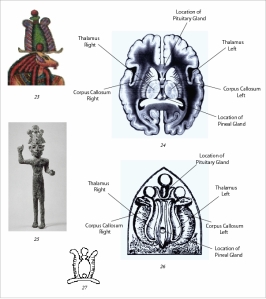
Pineal and Pituitary as INTERFACE between 2 Brain hemispheres, and Portal to the higher Crown Chakra (CLICK TO ENLARGE)
Now all the organized religion believers can continue to believe to a tee the fairy tale that this Judeo-Christian tradition arose “independently” directly from “God”, but let me here dispel those delusional thoughts by shedding some light on the EGYPTIAN background to all such; the Egyptians of the Pharaonic eras considered the River Nile a MAP OR CELESTIAL PROJECTION OF THE HIGHER DIMENSIONS, a mirror in the ground if you will of the higher realities. When official Egyptology persists in merely promoting a strictly 3D version of this celestial mirroring, in the sense that the mirror consists in just a match between the stars and constellations and what is in the ground, I here offer you the real concealed truth about all this, which is that the higher dimensions are INNER or WITHIN and not somewhere out there in the physical 3D sky, thus the mirroring involves A JOURNEY TO THE CENTER OF THE BRAIN, and this is what the Nile River fractally represents:
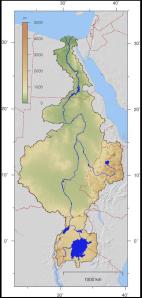
White and Blue Nile watershed topography
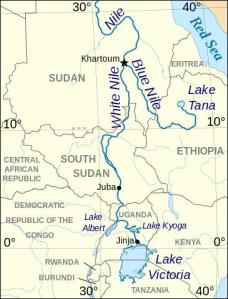
White and Blue Nile
*Below Goro Adachi shows how the Nile River is a fractal operation within the 3D topography*
http://www.goroadachi.com/timerivers/
But the Nile River also holds other layers of fractal symbology, such as the ones I have proposed before:
The WHITE Nile (1st Hybridization) ~ White Cross
The BLUE Nile (2nd Hybridization) ~ Blue Cross
The RED Nile (3rd Hybridization) ~ Red Cross
Besides the White & Blue Nile tributaries implying a GENETIC HYBRIDIZATION at some point along the “Timeline” symbolized by the Nile River (at the Khartoum point where the confluence of both takes place along that “Timeline”) -the White bloodline hybridizing with a royal or Blueblood line-, this explains the later allegory of “Moses” striking the Nile River with his staff and turning its waters red, thus we have another subsequent hybridizatiion which is symbolized by the Red Nile, and this is the one that pertains to our modern Judeo-Christian era history from there on (albeit this is the official history the academia considers the only history to teach as real and valid, as any previous civilizations based on previous hybridizations are a subject still officially forbidden to talk about or even acknowledge in the most basic terms, such is the tight grip of the current CENSORSHIP of ancient history and the origins of mankind over the “educational” institutions). In my other older blog I even commented long ago on these White/Blue/Red Nile symbols as the secret origin of the popular flag colors. I am not including the 3rd triad of monotheist religions -Islam-, since it would deviate too much an already extremely complex research, but suffice it to state that those 3 monotheisms stem exactly from the same sources.
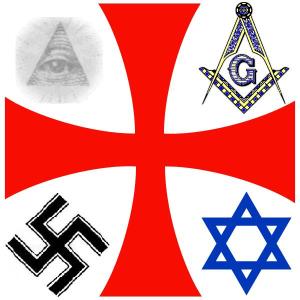
The RED Knights Templar Cross, and a few other high illuminati level symbols attached to its secret meaning, concerning this last Hybridization of humans on 3D Earth and its “Omega Point”
http://deep-high.blogspot.com/2011/10/ancient-ark-agendas-nibiru-matrix.html
http://deep-high.blogspot.com/2011/11/nostradamus-mabus-3-antichrists-part-3.html |
|
|
|
Reply |
Message 56 of 191 on the subject |
|
|
|
 First
Previous
42 a 56 de 191
Next First
Previous
42 a 56 de 191
Next Last
Last
|



.svg)