|
Rispondi |
Messaggio 1 di 34 di questo argomento |
|
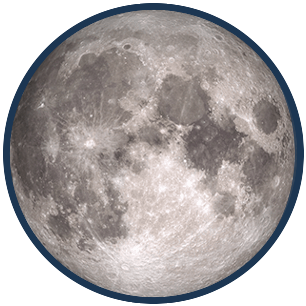
Moon Phase for Tuesday Jun 6th, 1944
The current moon phase for June 6th, 1944 is the Full Moon phase.
On this day, the moon is 14.73 days old and 99.14% illuminated with a tilt of 96.301°. The approximate distance from Earth to the moon is 383,189.81 km and the moon sign is Sagittarius.
The Moon phase for June 6th, 1944 is the Full Moon phase. In this phase, the moon is 100% illuminated when seen from Earth (hence the name Full Moon).
The Full Moon happens when the moon is on the opposite side of the Earth from the Sun. The sunlight fully illuminated the moon, and this is what we call being "full". The moon will be visible throughout the night sky as it rises at sunset in the east, transits the meridian at midnight, before setting at sunrise in the west.
The specific point at which the Full Moon occurs can be measured down to a fraction of a second. The time that passes between full moons is called the Synodic month and is 29.530587981 days long.
Fun fact: lunar eclipses can only happen within a few days of the Full Moon, but they don't happen for every Full Moon because the moon's orbit has a 5.1° tilt around the Earth compared to Earth's orbit around the Sun. Only when the intersection of these two orbits is pointing towards the centre of the Moon do we get a lunar eclipse.
|
|
|
|
Rispondi |
Messaggio 20 di 34 di questo argomento |
|
What Is a Transit of Venus?
A Venus transit is a phenomenon in which the disk of the planet Venus passes like a small shadow across the face of the Sun. The transit can be seen (with proper protection!) by the unaided eye and looks something like a moving sunspot. (Sunspots take about two weeks to cross the face of the Sun, however, while Venus takes a little over six hours). Among the rarest of astronomical events, Venus transits occur eight years apart—and then don’t happen again for more than a century. The last transit before 2004 took place in 1882.
Why Do We See the Transit from Earth?
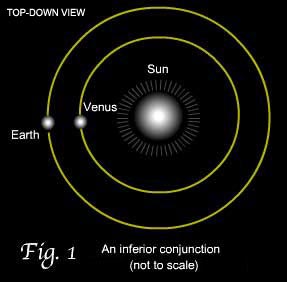
Venus is the second planet from the Sun and Earth is the third, and the planets circle the Sun at different speeds. It happens from time to time that Venus comes between Earth and the Sun, an event called an inferior conjunction.
A top-down view would look like Fig. 1.
Why Do We See It So Rarely?
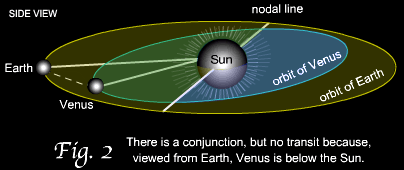
A Venus transit is similar to a solar eclipse, in which the face of the Sun is blocked by the Moon. But we don’t see a solar eclipse every time the Moon is between Earth and the Sun—which is every time there’s a new Moon. Similarly, we don’t see a transit of Venus every time Venus is between Earth and the Sun—which happens about every 584 days or 1.6 years. That’s because both Venus and the Moon, from our earthly point of view, can be above or below the Sun (Fig.2), and sunlight reaches us undisturbed.
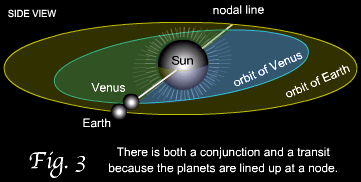
The orbit of Venus around the Sun is tipped in relation to the orbit of Earth. As viewed from the Sun, the orbits cross at two points (called the nodes), and it is only at these points that the planets and the Sun line up directly (Fig.3).
A View of Venus' Orbit from the Moving Earth
This animation shows Venus from the perspective of the moving Earth. Here you see the position of Venus relative to Earth's orbit (the green line) in the few months leading up to June 8, 2004, and then watch as Venus transits the Sun on that date.
During the inferior conjunction of June 8, 2004, Venus is quite close to one of the nodes and is seen to transit the southern half of the Sun. Eight years later (June 5-6, 2012), during another inferior conjunction, Venus is near the same node. This time, the planet crosses the northern half of the Sun. After that, Venus won’t be near one of the nodes during a conjunction until 2117.
Why Is the Pattern of Transits So Irregular?
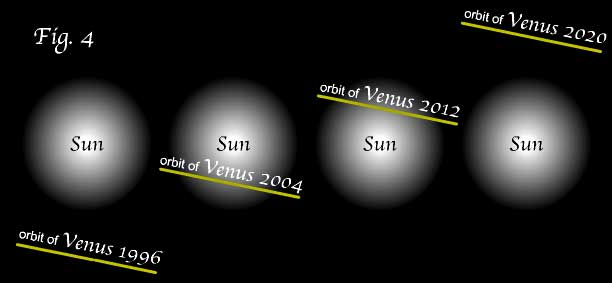
Venus and Earth come into conjunction every 583.92 days. After five conjunctions (583.92 days x 5 = 2919.6 days), approximately eight years have passed (365.25 x 8 = 2922 days). If the number of days were identical, during a conjunction Venus would be in exactly the same place that it was eight years previously. However, the difference of 2.4 days means that Venus comes close to its position of eight years earlier, but it’s not in the precise spot. And that makes all the difference as far as transits are concerned. (Fig. 4)
https://annex.exploratorium.edu/venus/question1.html |
|
|
|
Rispondi |
Messaggio 21 di 34 di questo argomento |
|
 The transit of Venus, June 2012 |
|
|
|
Rispondi |
Messaggio 22 di 34 di questo argomento |
|
|
|
|
Rispondi |
Messaggio 23 di 34 di questo argomento |
|
|
|
|
Rispondi |
Messaggio 24 di 34 di questo argomento |
|
|
|
|
Rispondi |
Messaggio 25 di 34 di questo argomento |
|
|
|
|
Rispondi |
Messaggio 26 di 34 di questo argomento |
|
|
|
|
Rispondi |
Messaggio 27 di 34 di questo argomento |
|
|
|
|
Rispondi |
Messaggio 28 di 34 di questo argomento |
|
|
|
|
Rispondi |
Messaggio 29 di 34 di questo argomento |
|
|
|
|
Rispondi |
Messaggio 30 di 34 di questo argomento |
|
|
|
|
Rispondi |
Messaggio 31 di 34 di questo argomento |
|
El clan Sinclair ( en gaélico escocés : Clann na Ceàrda [ˈkʰl̪ˠãũn̪ˠ nə ˈkʲaːrˠt̪ə] ) es un clan de las Tierras Altas de Escocia que posee las tierras de Caithness , las Islas Orcadas y los Lothians . Los jefes del clan fueron los barones de Roslin y, posteriormente, los condes de Orcadas y de Caithness .
Se cree que los Sinclair llegaron de Normandía a Inglaterra durante la conquista normanda de Inglaterra , antes de llegar a Escocia en el siglo XI. Los Sinclair apoyaron a la Corona escocesa durante la Guerra Escocesa-Noruega y las Guerras de Independencia de Escocia .
Los jefes fueron originalmente barones de Roslin, Midlothian , y William Sinclair, primer conde de Caithness y barón de Roslin, fundó la famosa capilla de Rosslyn en el siglo XV. Dividió las tierras familiares, desheredando a su hijo mayor de su primer matrimonio, William ("el Derrochador") , quien heredó el título de Lord Sinclair [ nota 1 ], y en su lugar entregó las tierras de Caithness a su segundo hijo de su segundo matrimonio, William Sinclair, segundo conde de Caithness , en 1476, y las tierras de Roslin a su hijo mayor de su segundo matrimonio, Sir Oliver Sinclair .
En el siglo XVI, los Sinclair lucharon contra Inglaterra durante las Guerras Anglo-Escocesas y también se enfrentaron con sus vecinos, el Clan Sutherland . Durante el levantamiento jacobita de 1715, los Sinclair apoyaron la causa jacobita, pero durante el levantamiento jacobita de 1745 , si bien el clan simpatizaba mayoritariamente con los jacobitas, su jefe, el Conde de Caithness, apoyó al gobierno británico-hannoveriano.
El jefe actual es Malcolm Sinclair, vigésimo conde de Caithness .
El apellido de Sinclair en francés es "de Sancto Claro" y en latín, "Sanctus Clarus", que significa Luz Sagrada. El nombre deriva del eremita Santa Clara y de Saint-Clair-sur-Epte, un pueblo cercano a París, próximo al lugar donde fue martirizado el eremita Santa Clara.
No existe un registro certero, pero es probable que los Sinclair fueran originarios de Saint-Clair, en Normandía . [ 11 ] Los Saint-Clair fueron primero a Inglaterra (antes de llegar a Escocia) con Guillermo el Conquistador durante su invasión de Inglaterra. [ 12 ] El nombre original era "Saint-Clair", que era un topónimo. [ 12 ] Ricardo de Saint-Clair y Brittel de Saint-Clair se mencionan en el Libro Domesday . [ 12 ] Guillermo de Saint-Clair acompañó a Santa Margarita de Escocia , hija de Eduardo el Exiliado, a Escocia en 1068, donde finalmente se casó con Malcolm III de Escocia . A cambio de sus esfuerzos, el rey supuestamente le otorgó a Sinclair la baronía de Roslin , Escocia, "en herencia libre". [ 12 ]
Uno de los primeros Sinclair registrados en Escocia fue Enrique de Saint-Clair/Sinclair , quien obtuvo una carta para las tierras de Herdmanston en Haddingtonshire en 1160. [ 12 ]
Los jefes del clan Sinclair, los condes de Caithness, descienden de William St. Clair , quien fue sheriff de Edimburgo y a quien se le concedió la baronía de Roslin (Rosslyn) en 1280. [ 11 ]
|
|
|
|
Rispondi |
Messaggio 32 di 34 di questo argomento |
|
¿Cómo quedó la costa de la Isla Decepción en la Antártida con esta forma?
https://www.reddit.com/r/geography/comments/16ulc8m/how_did_the_coastline_of_deception_island_in/
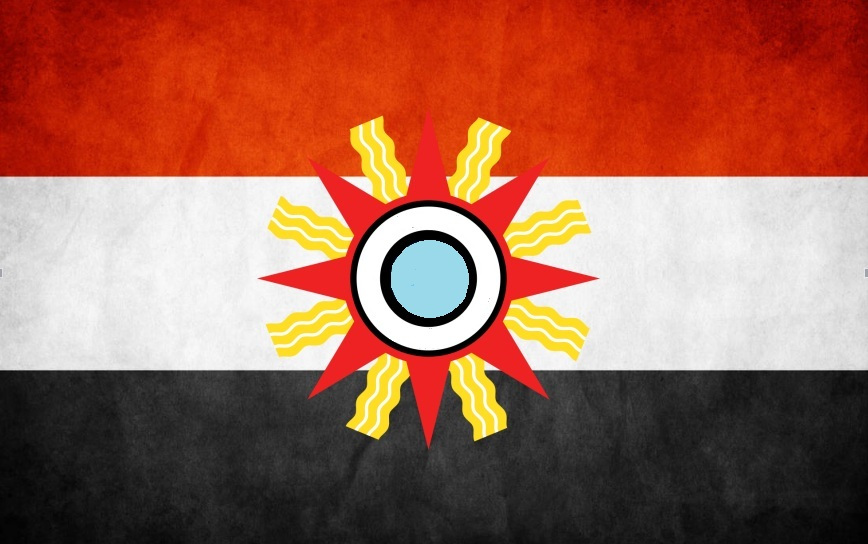
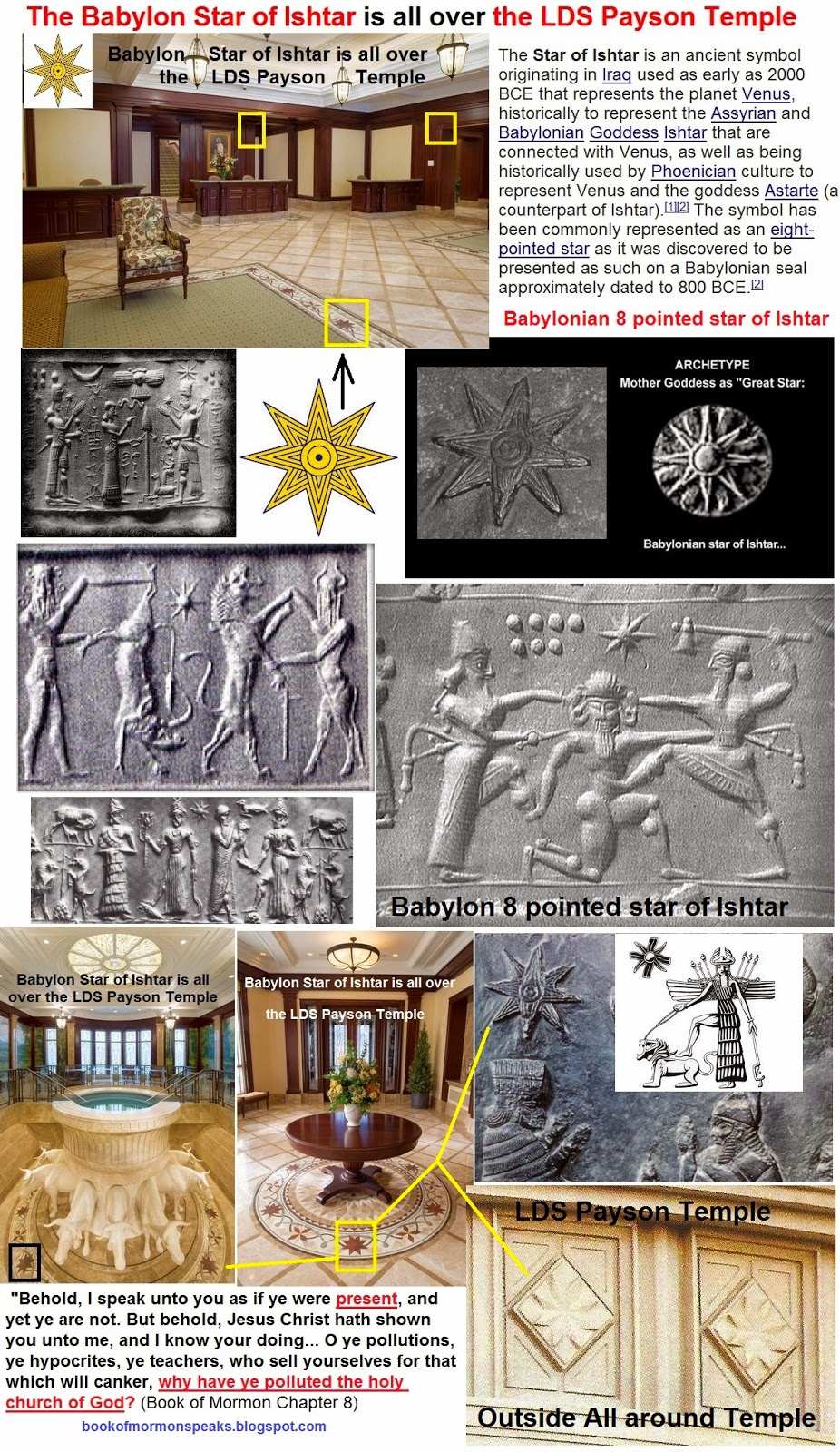
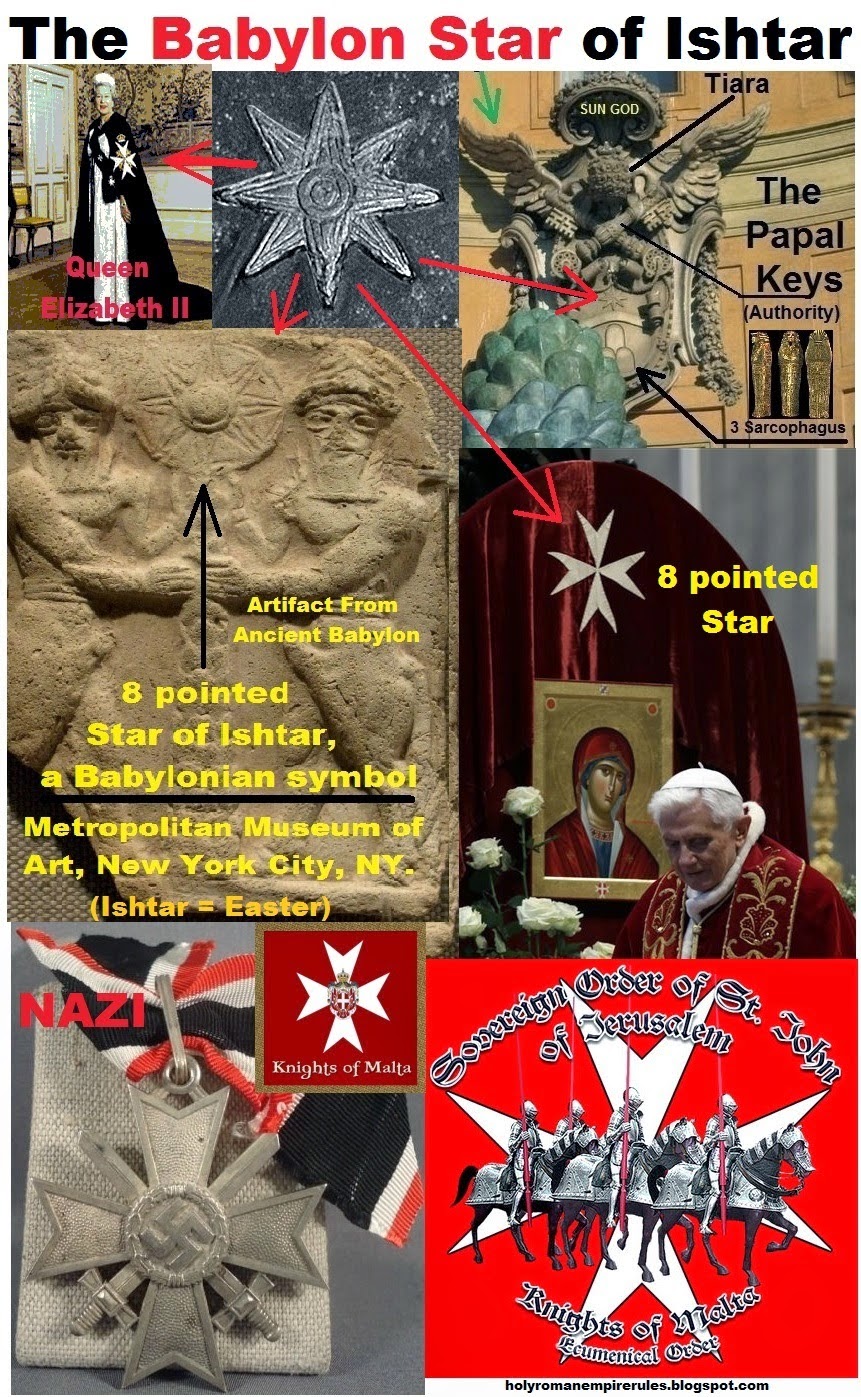
IRAK, THE STAR OF ISHTAR
|
|
|
|
Rispondi |
Messaggio 33 di 34 di questo argomento |
|
|
|
|
Rispondi |
Messaggio 34 di 34 di questo argomento |
|
|
|
 Primo
Precedente
20 a 34 de 34
Successivo Primo
Precedente
20 a 34 de 34
Successivo
 Ultimo
|