|
|

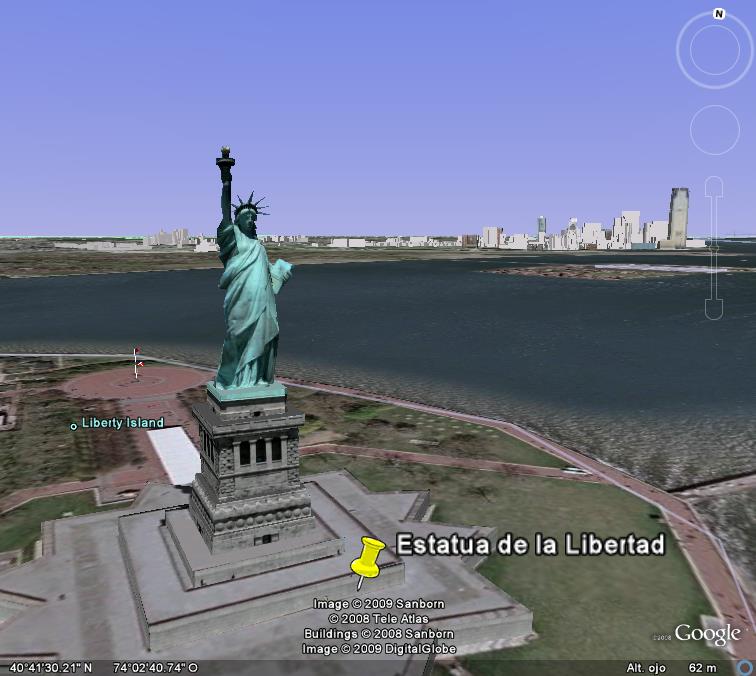
Statue of Liberty
The height of the Statue of Liberty is 111′-1″ from bottom of foot to top of head. The 7 rays on the crown and the 11 points of the base star echo the proportions of the Great Pyramid’s 7:11 height to base proportion. The superb book Talisman by Graham Hancock and Robert Bauval convincingly shows this goddess is actually the Egyptian Isis.
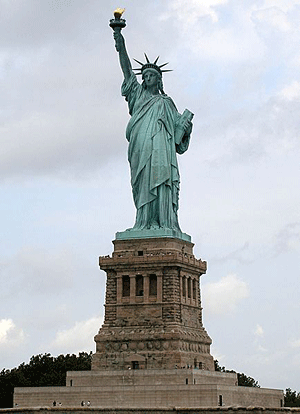
Image courtesy Elcobbola under the Creative Commons Attribution-Share Alike 3.0 Unported license.
http://www.viewzone.com/onstott66.html

MONTSEGUR VOLCAN/CAN / TEOTIHUACAN / VATICANO / CANA/ AMERICAN/ MEXICAN/ CAN MAYOR (SIRIO)- BODAS DE CANA
Location
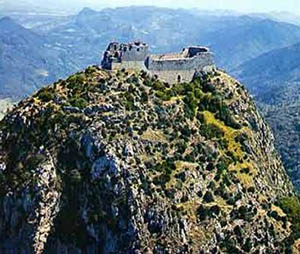
Montségur is in the Ariege, in the foothills of the Pyrenees, not far from Lavelanet, due South from Mirepoix.
Montségur lies at 42°52'35" N, 1°49'51" E on a pog (a volcanic pluton) at an altitude of 1,207 meters. The castle is owned by the Commune of Montségur. There is an entrance fee, which also covers entry to a museum in the nearby town.
Guided Tours
Cathar Castle Tours
Mairie: mairie.montsegur@wanadoo.fr
Tel: 05 61 0110 27
Tourist Information Office:
Tel: 05 61 03 03 03


|
|
aerial view of Montségur
|
 |
|
MARIA MAGDALENA EN EL CATARISMO (CATAROS)
25 DE ABRIL=DIA DE SAN MARCOS
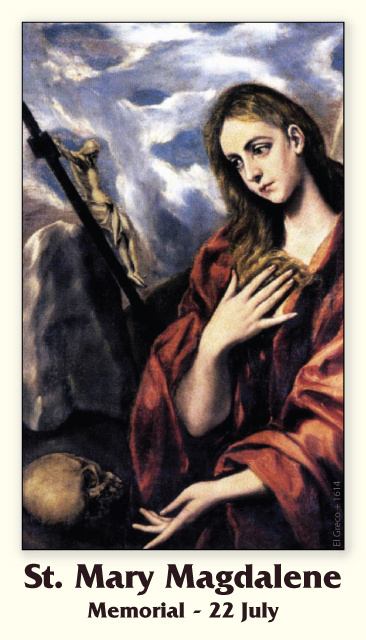
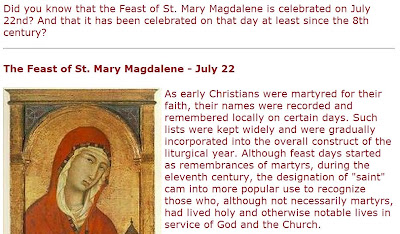
22 DE JULIO=DIA DE MARIA LA MAGDALENA
MASON FRANCES
|
|
|
|
|
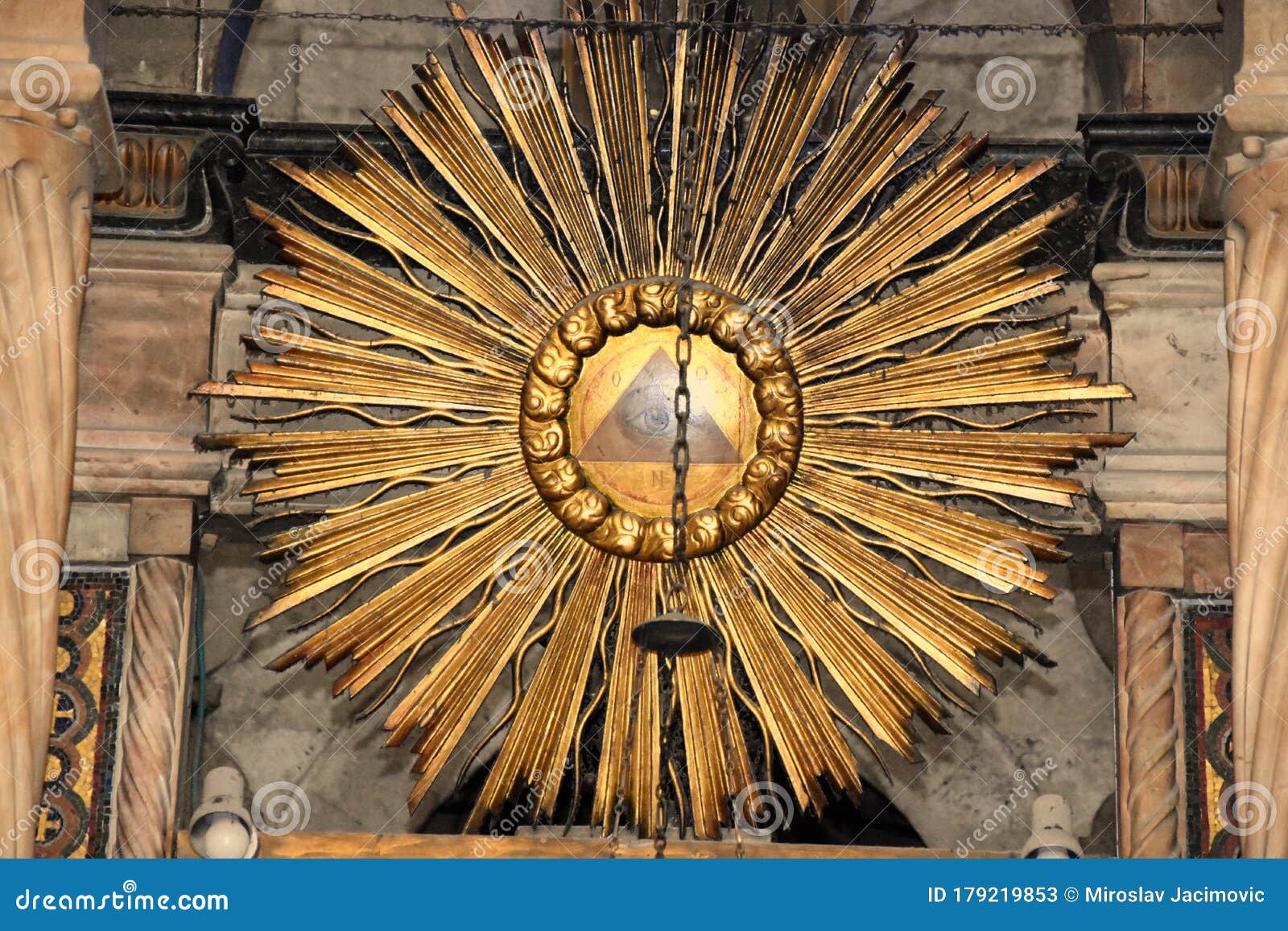
Eye of Providence in the church of the Holy sepulcher in Jerusalem, Israel
|
|
|
|
|
ITER IN FRANCE
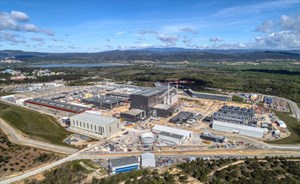
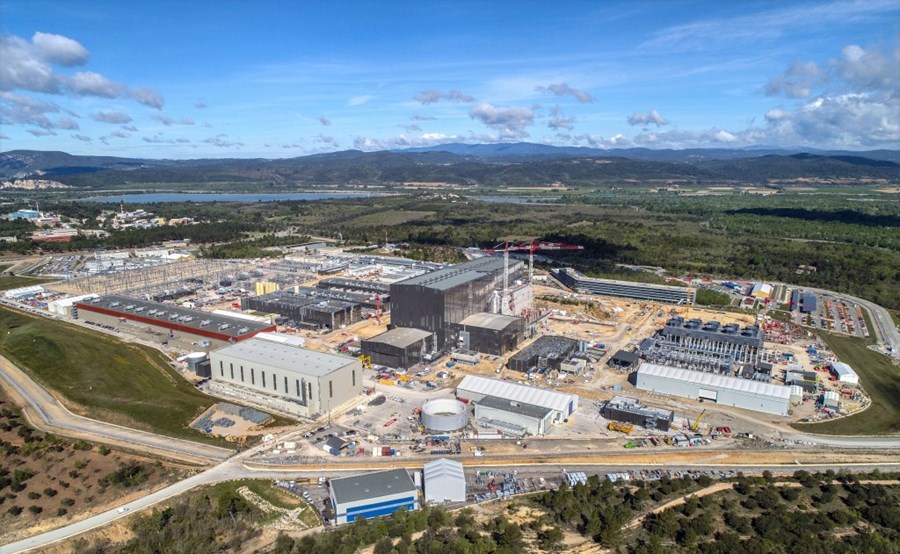
At the centre of the 180-hectare ITER parcel, is the 42-hectare scientific platform where work is currently underway to build ITER. Photo: ITER Organization/EJF Riche, May 2021
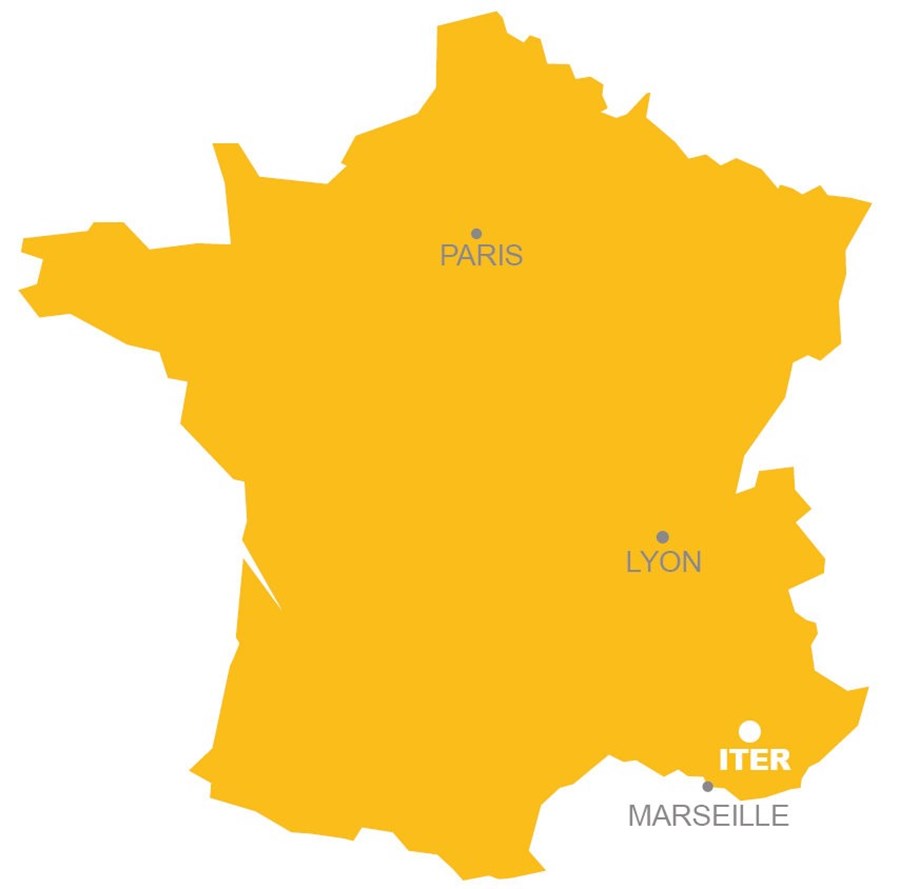
The decision to site the ITER Project in southern France was made by the ITER Members in June 2005. Detailed site studies had shown that the 180-hectare site proposed by Europe fulfilled all the technical requirements to host ITER—geological, hydrological and seismic norms, access to water and electricity—and benefitted, what's more, from a rich scientific and industrial environment. ITER's host and neighbour—the CEA Cadarache research centre—played an instrumental part in supporting site studies and in rallying local political players behind the cause of welcoming ITER to France. As the first six-person ITER team moved in at the end of 2005, CEA Cadarache provided the land, the temporary offices, electrical and hydraulic networks, and critical services such as transportation and access to a canteen and an infirmary. It also set up a specific agency, Agence Iter France, to manage France's in-kind and financial contributions to the ITER Project. In addition to contributing to the ITER Project as a member of the European Union, France has made and honoured a number of specific commitments. France has provided the site for the project and carried out preparatory works including clearing and levelling, fencing, and networks for water and electricity. It created an international school for the families of ITER employees, adapted the roads along the ITER Itinerary for the transport of ITER components and contributed (with the European Domestic Agency) to building the ITER Headquarters. At the end of the ITER experimental phase, France will have the responsibility for the dismantling and decommissioning of the site.
The local governments around ITER have also been strongly implicated in the project from the site negotiations phase. The General Councils from the six départements closest to ITER (Hautes Alpes, Alpes de Haute Provence, Alpes Maritimes, Vaucluse, Var and Bouches du Rhône)—together with the Provence-Alpes-Cote d'Azur Regional Council and the Communauté du Pays d'Aix—have contributed a total of EUR 467 million. Actions for ITER in France are coordinated through several administrative bodies. Agence Iter France oversaw the site preparatory works, and it also provides welcome services to ITER employees arriving from abroad and coordinates the transport of exceptional components along the ITER Itinerary. The High Representative for the implementation of ITER in France coordinates the realization of the ITER Project and ensures the representation of France to the ITER Members, the European Domestic Agency for ITER and the ITER Organization. The ITER Industrial Committee seeks to optimize economic consequences for the region by fostering the relationship between ITER and local industry, particularly during the construction and assembly phases of the project. Scientific training toward a career in fusion is promoted through an association of 12 French universities and schools of engineering that now offer a Master's degree in "The Science of Fusion." Today the Regional Prefecture and the Regional Council share the responsibility for the elaboration of a longer-term strategic and economic development plan for the Val de Durance area near ITER, including the question of housing the large influx of workers expected to participate in ITER construction.
INTERNATIONAL SCHOOL
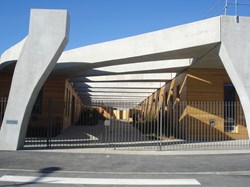
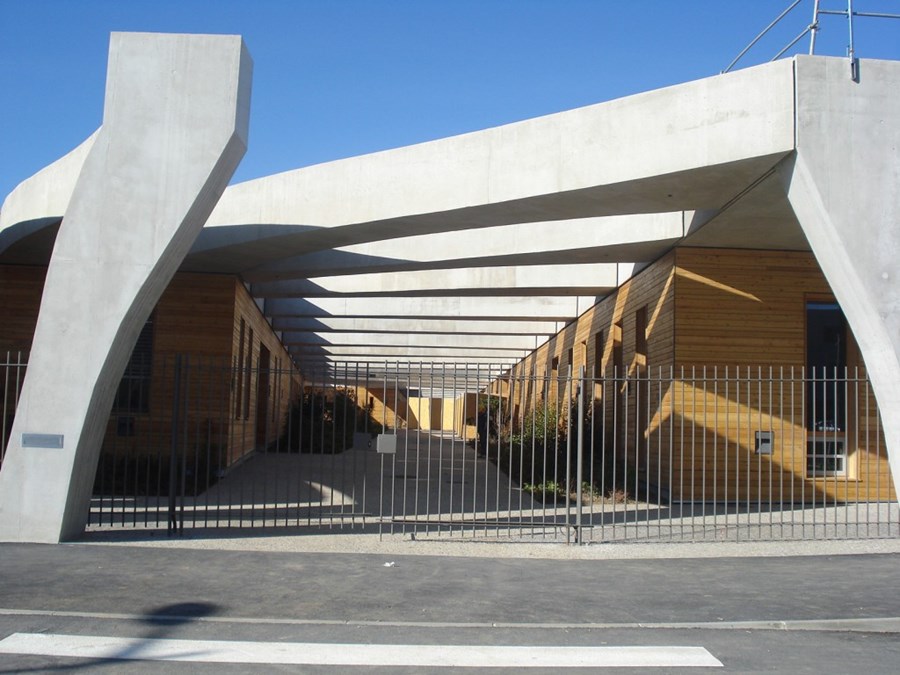
The entrance to the Provence-Alpes-Côte d'Azur International School in Manosque, France.
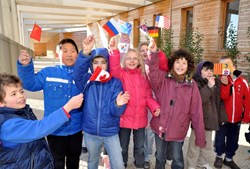
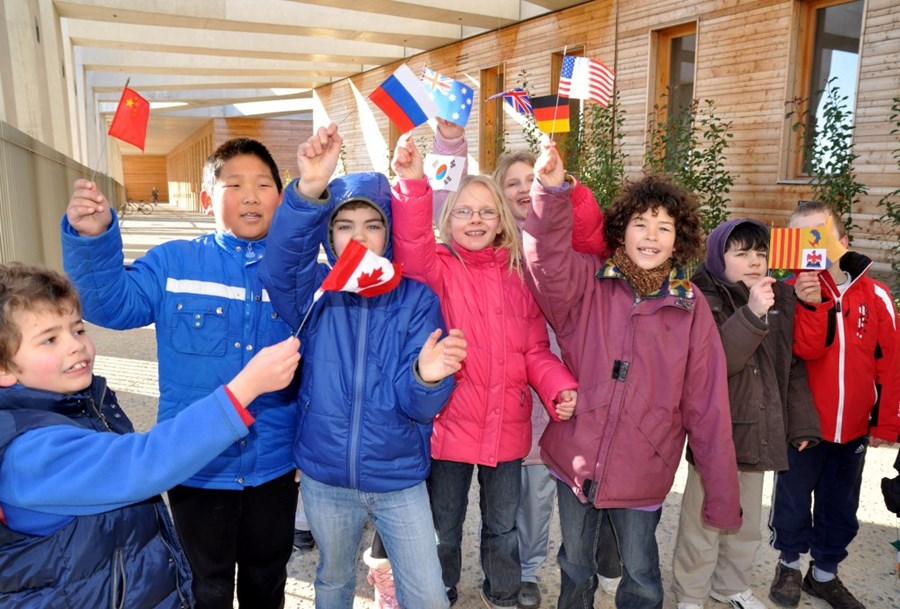
For international scientists, engineers and project administrators relocating to the area with their families, France has committed to providing bilingual education from nursery through secondary school. The program is open to ITER families as well as to local children interested in an international curriculum. The Provence-Alpes-Côte d'Azur International School situated in Manosque began operating out of temporary housing in 2007 for 130 students aged 3 to 18; enrolment is currently at 880 (2021-2022). Of the 31 nationalities represented at the school, slightly over 60 percent of students are from ITER families. The International School offers six language sections, instruction in eleven languages, facilities for 50 boarders. It also offers a European Section.
The 26,000 square-metre International School, designed by award-winning architects Ricciotti and Battesti, produces electricity through solar panels for 100% of its lighting needs.
Work was carried out between 2008 and 2010 on the permanent school buildings. Financed by the Provence-Alpes-Côte d'Azur Regional Council, the innovative design and environmental sustainability of the school was recognized in November 2010, when the International School was named one of 60 exceptional OECD establishments by the 4th Compendium of Exemplary Educational Facilities of the OECD/CELE" (Organisation for Economic Co-operation and Development/Center for Effective Learning Environments).
https://www.iter.org/org/ITERinFrance |
|
|
|
|
ITER
From Wikipedia, the free encyclopedia
Jump to navigationJump to search
Coordinates:  43.70831°N 5.77741°E 43.70831°N 5.77741°E
ITER

Small-scale model of ITER
|
| Device type |
Tokamak |
| Location |
Saint-Paul-lès-Durance, France |
| Major radius |
6.2 m (20 ft) |
| Plasma volume |
840 m3 |
| Magnetic field |
11.8 T (peak toroidal field on coil)
5.3 T (toroidal field on axis)
6 T (peak poloidal field on coil) |
| Heating power |
320 MW (electrical input)
50 MW (thermal absorbed) |
| Fusion power |
0 MW (electrical generation)
500 MW (thermal from fusion) |
| Discharge duration |
up to 1000 s |
| Date(s) of construction |
2013–2025 |
ITER (initially the International Thermonuclear Experimental Reactor, iter meaning "the way" or "the path" in Latin[2][3][4]) is an international nuclear fusion research and engineering megaproject aimed at creating energy by replicating, on Earth, the fusion processes of the Sun. Upon completion of construction of the main reactor and first plasma, planned for late 2025,[5] it will be the world's largest magnetic confinement plasma physics experiment and the largest experimental tokamak nuclear fusion reactor. It is being built next to the Cadarache facility in southern France.[6][7] ITER will be the largest of more than 100 fusion reactors built since the 1950s, with ten times the plasma volume of any other tokamak operating today.[8][9]
The long-term goal of fusion research is to generate electricity. ITER's stated purpose is scientific research, and technological demonstration of a large fusion reactor, without electricity generation.[10][8] ITER's goals are to achieve enough fusion to produce 10 times as much thermal output power as thermal power absorbed by the plasma for short time periods; to demonstrate and test technologies that would be needed to operate a fusion power plant including cryogenics, heating, control and diagnostics systems, and remote maintenance; to achieve and learn from a burning plasma; to test tritium breeding; and to demonstrate the safety of a fusion plant.[9][7]
ITER's thermonuclear fusion reactor will use over 300 MW of electrical power to cause the plasma to absorb 50 MW of thermal power, creating 500 MW of heat from fusion for periods of 400 to 600 seconds.[11] This would mean a ten-fold gain of plasma heating power (Q), as measured by heating input to thermal output, or Q ≥ 10.[12] As of 2021, the record for energy production using nuclear fusion is held by the National Ignition Facility reactor, which achieved a Q of 0.70 in August 2021.[13] Beyond just heating the plasma, the total electricity consumed by the reactor and facilities will range from 110 MW up to 620 MW peak for 30-second periods during plasma operation.[14] As a research reactor, the heat energy generated will not be converted to electricity, but simply vented.[7][15][16]
ITER is funded and run by seven member parties: China, the European Union, India, Japan, Russia, South Korea and the United States. The United Kingdom participates through EU's Fusion for Energy (F4E), Switzerland participates through Euratom and F4E, and the project has cooperation agreements with Australia, Canada, Kazakhstan and Thailand.[17]
Construction of the ITER complex in France started in 2013,[18] and assembly of the tokamak began in 2020.[19] The initial budget was close to €6 billion, but the total price of construction and operations is projected to be from €18 to €22 billion;[20][21] other estimates place the total cost between $45 billion and $65 billion, though these figures are disputed by ITER.[22][23] Regardless of the final cost, ITER has already been described as the most expensive science experiment of all time,[24] the most complicated engineering project in human history,[25] and one of the most ambitious human collaborations since the development of the International Space Station (€100 billion or $150 billion budget) and the Large Hadron Collider (€7.5 billion budget).[note 1][26][27]
ITER's planned successor, the EUROfusion-led DEMO, is expected to be one of the first fusion reactors to produce electricity in an experimental environment.[28]
|
|
|
|
|
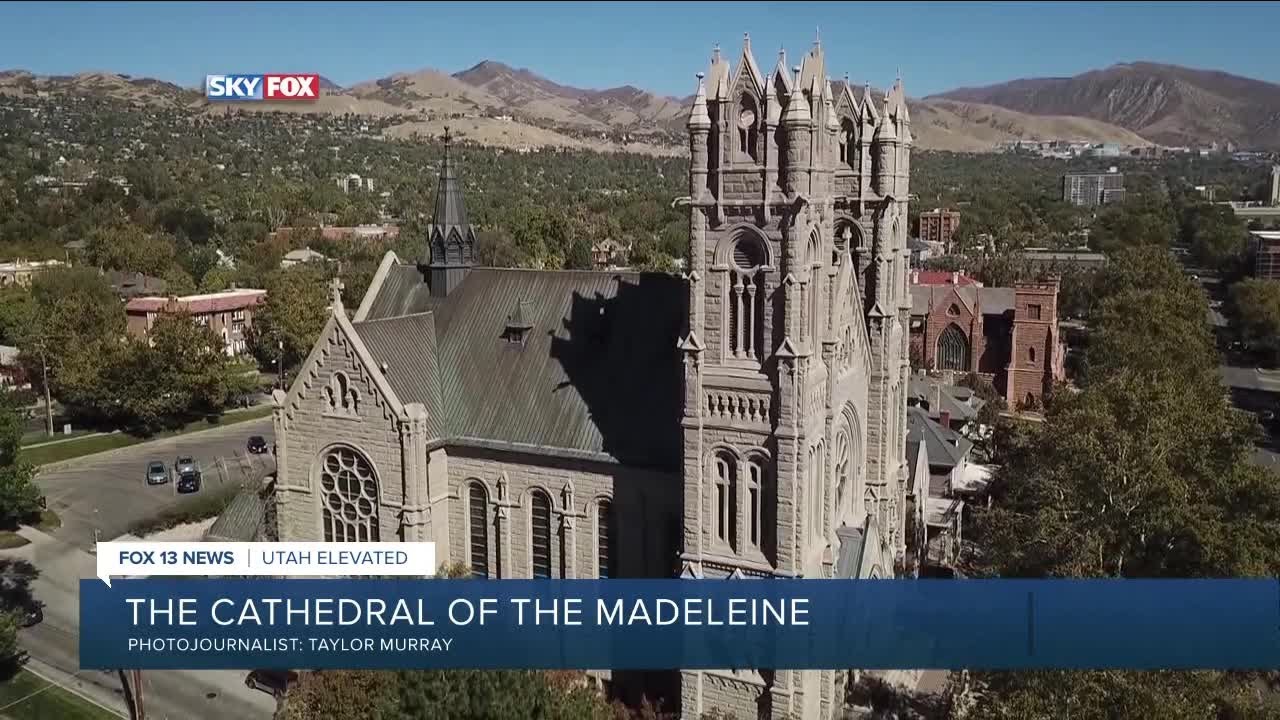
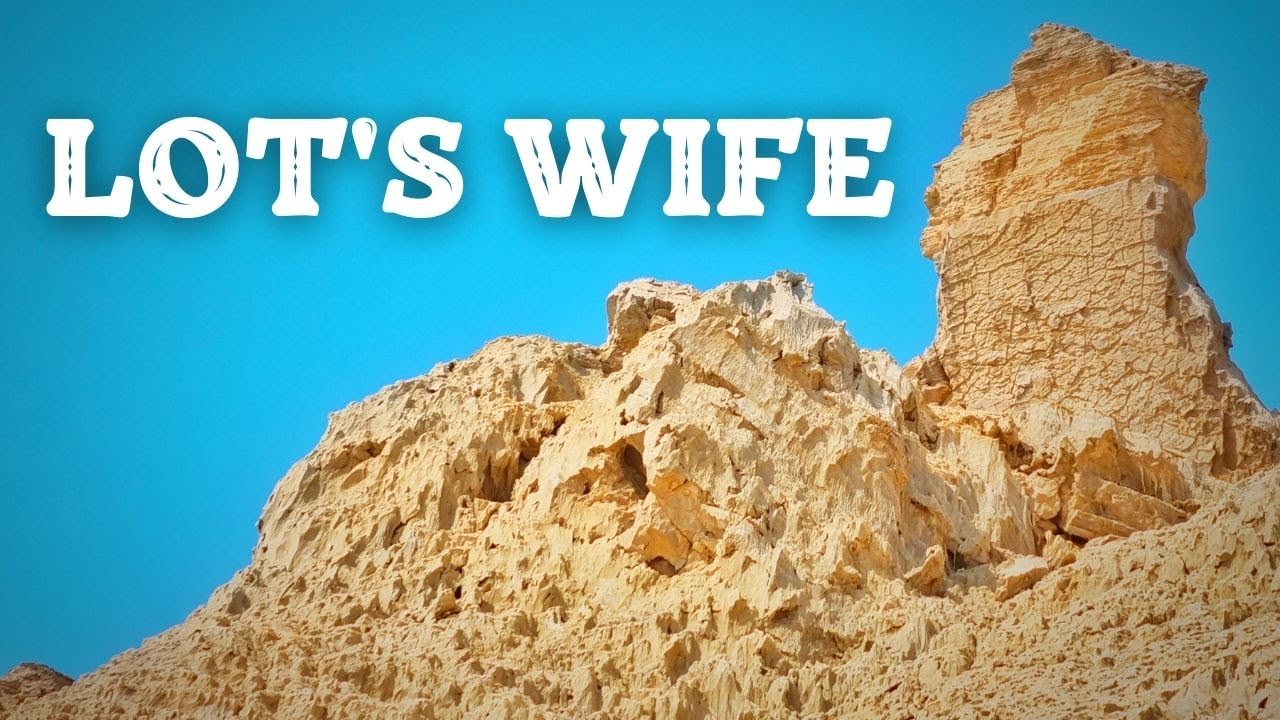
salt lake city=alchemy (salt)=dollar=$= LOT S WIFE (SODOMA AND GOMORRA)
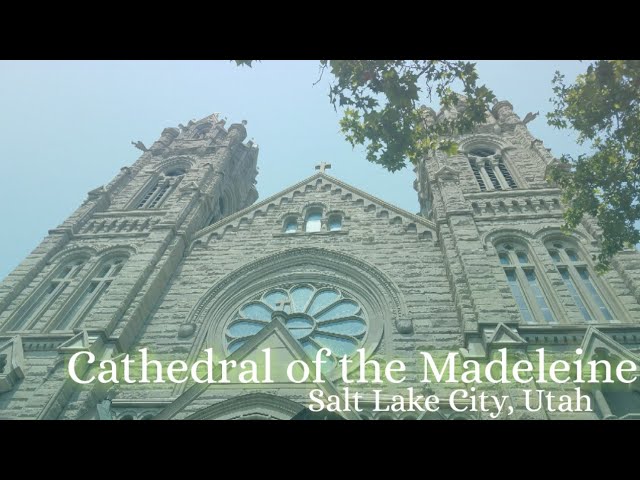
Cathedral of the Madeleine
From Wikipedia, the free encyclopedia
The Cathedral of the Madeleine is a Roman Catholic church in Salt Lake City, Utah, United States. It was completed in 1909 and currently serves as the cathedral, or mother church, of the Diocese of Salt Lake City. It is the only cathedral in the U.S. under the patronage of St. Mary Magdalene.
Description[edit]
The cathedral was built under the direction of Lawrence Scanlan, the first bishop of Salt Lake City, who dedicated it to St. Mary Magdalene.[2] It was designed by architects Carl M. Neuhausen and Bernard O. Mecklenburg. The exterior is predominantly a Neo-Romanesque design, while the inside displays more Neo-Gothic details. Construction began in 1900 and was completed in 1909. It was dedicated by James Cardinal Gibbons, Archbishop of Baltimore.
It is theorized that Bishop Scanlan chose Mary Magdalene as the patron saint of the Diocese of Salt Lake because her feast day is on July 22, two days before Pioneer Day, a celebration commemorating the arrival of the Mormon pioneers in Salt Lake Valley, so that Catholics would have something to celebrate alongside the region's dominant faith.[3]
The interior of the cathedral was created under the direction of Joseph S. Glass, the second bishop of Salt Lake. Bishop Glass enlisted John Theodore Comes, one of the preeminent architects in the country, to decorate the interior of the cathedral. His plans for the interior were largely based upon the Spanish Gothic style. The colorful murals and polychrome were added at this time, as were the ornate shrines. In 1916, Bishop Glass also changed the name of the cathedral to the French spelling after visiting her purported tomb.[2]
In the 1970s, the exterior of the building was restored, and between 1991 and 1993, the interior of the cathedral was renovated and restored under Bishop William K. Weigand. This included not only the removal of dust and dirt and restoration of the interior but also changes to the liturgical elements of the cathedral to bring them into conformity with certain widespread changes in liturgical practice that developed after the Second Vatican Council.
This included constructing a new altar, moving the cathedra, creating a separate chapel for the Blessed Sacrament, and adding an ample baptismal font. The Blessed Sacrament Chapel also contains the tomb of Bishop Scanlan.[4] Resting atop the tomb is a case containing a small relic of Saint Mary Magdalene. The cathedral in Salt Lake City and the Basilica of Saint-Maximin-la-Sainte-Baume in France are the only cathedrals in the world holding first-class relics of the saint and are named in her honor.[5] The major restoration of the interior of the cathedral was accomplished through the vision of Monsignor M. Francis Mannion.[6]
The cathedral is home to the only co-educational Catholic Choir School in the United States. The Madeleine Choir School, established in 1996, now serves over 400 students in Pre-Kindergarten through Grade Eight.[7] The Cathedral Choir has recorded several CDs and routinely tours both nationally and internationally. In addition to singing daily services at the Cathedral of the Madeleine, choristers have sung at St. Peter's Basilica (Vatican City), Notre Dame de Paris (France), and in churches across the United States of America, Spain, Italy, France, Belgium, and Germany, among other places.[8]
Composer Amédée Tremblay notably served as the church's organist from 1920 to 1925.[9]
-
-
Cathedral of the Madeleine, looking east
-
Interior of the cathedral
-
  |
|
|
 Primer
Anterior
92 a 106 de 121
Següent Primer
Anterior
92 a 106 de 121
Següent Darrer
|










_(12219071813)_(cropped).jpg)