|
|
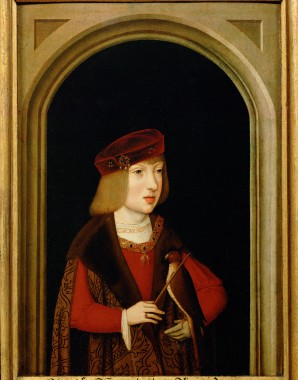
https://www.habsburger.net/en/media/emperor-charles-v-age-seven |
|
|
|
|
- Period :
- <= 16th century
- Provenance :
- Flemish School
- Medium :
- Oil on wood panel
- Dimensions :
- l. 29.53 inch X H. 34.25 inch
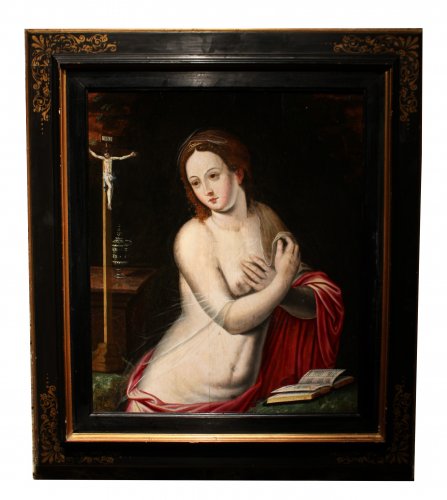  

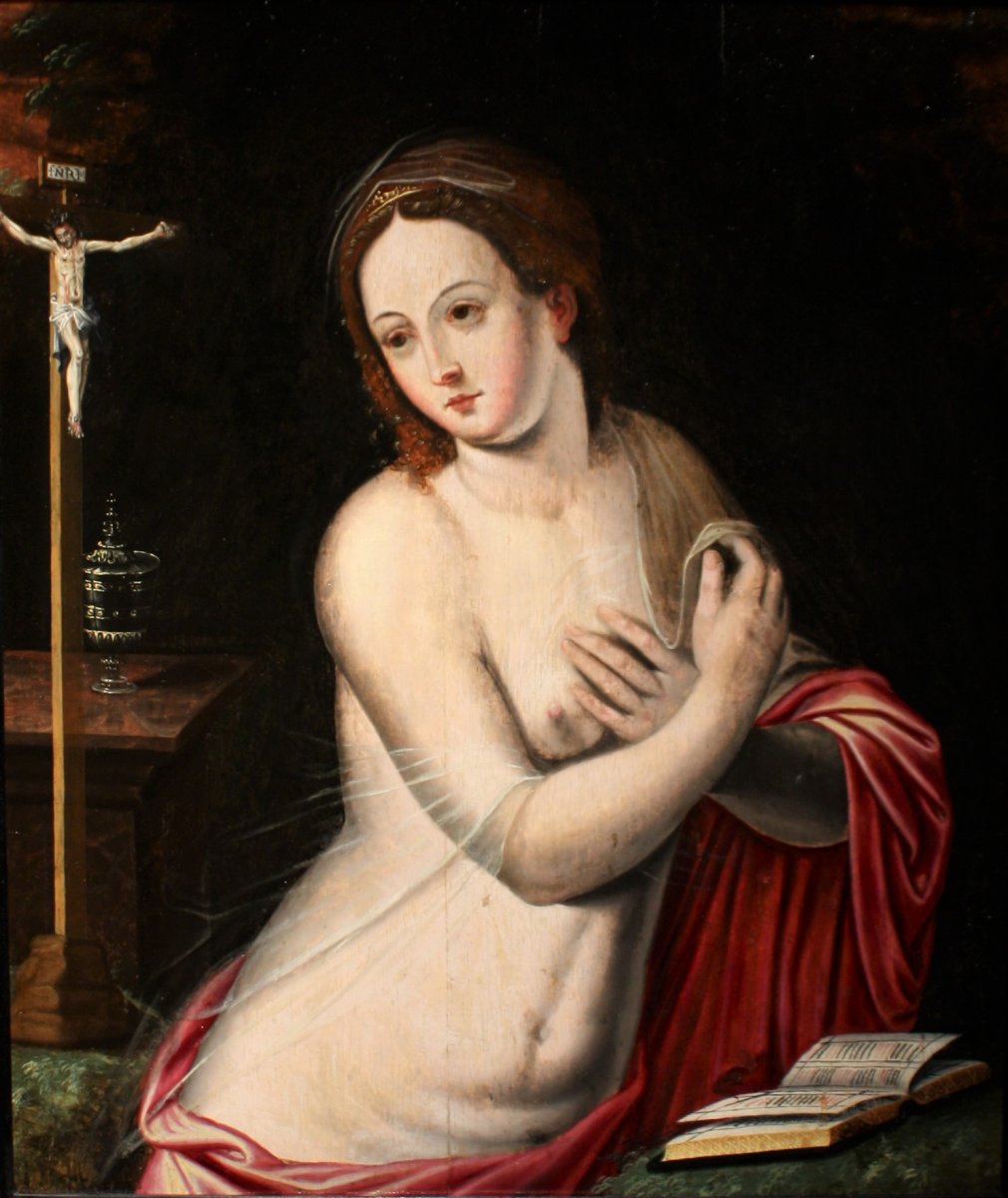
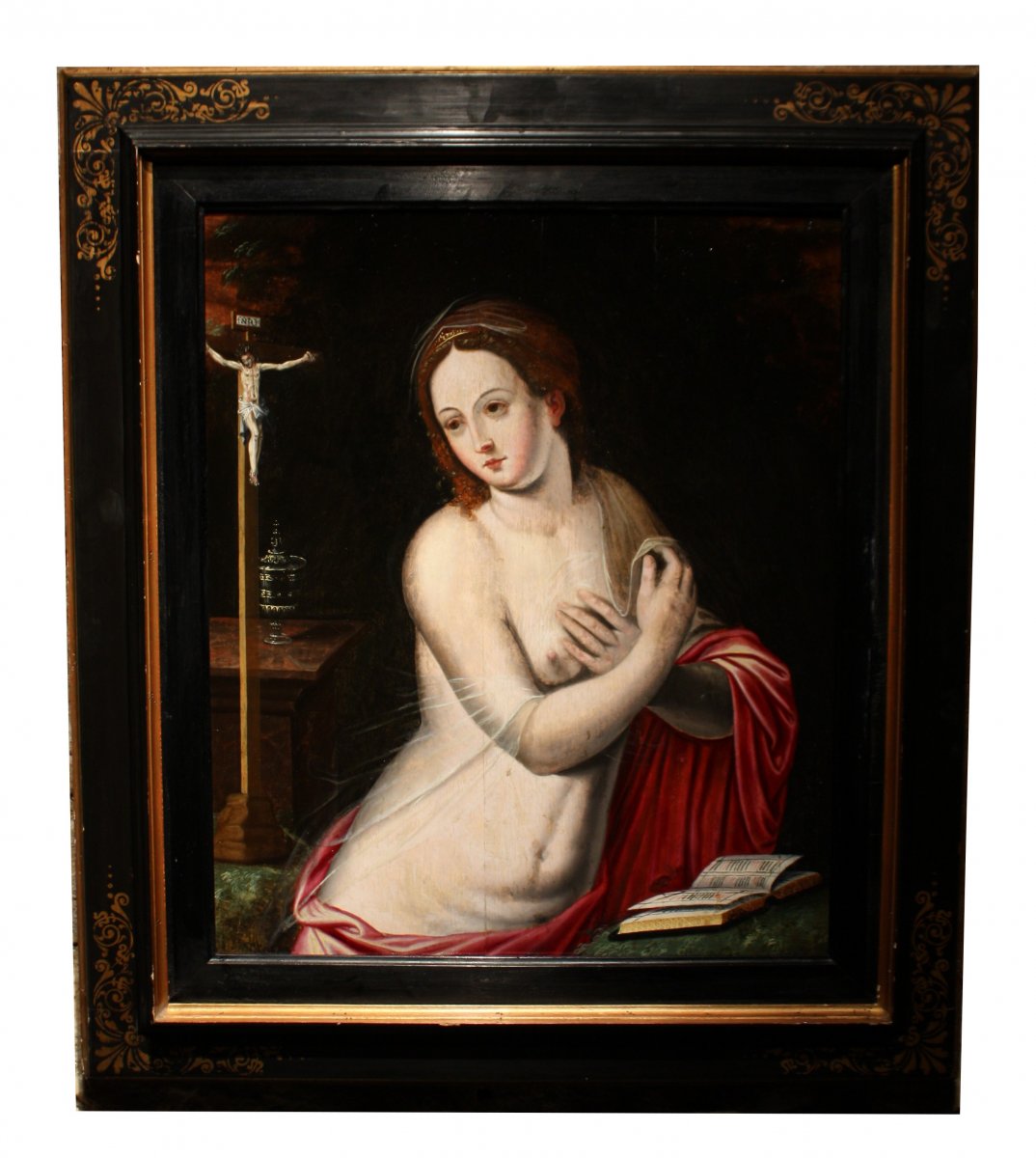
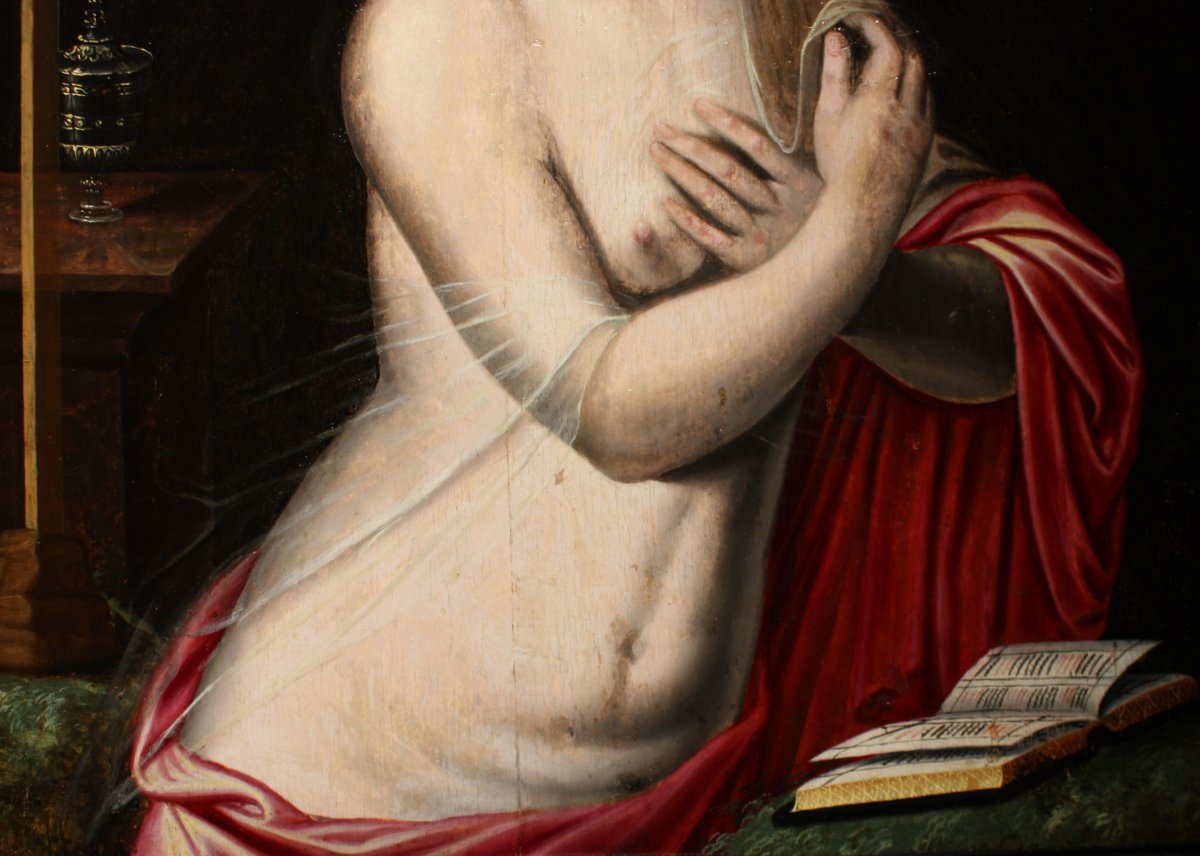
Mary Magdalene Flemish School of the 16th century
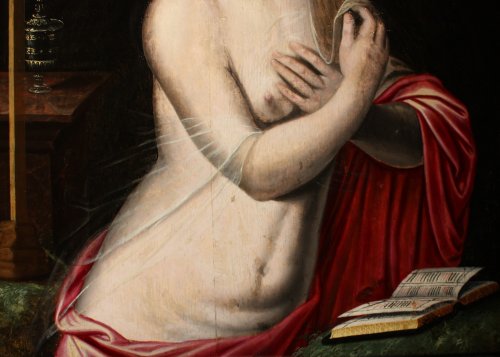
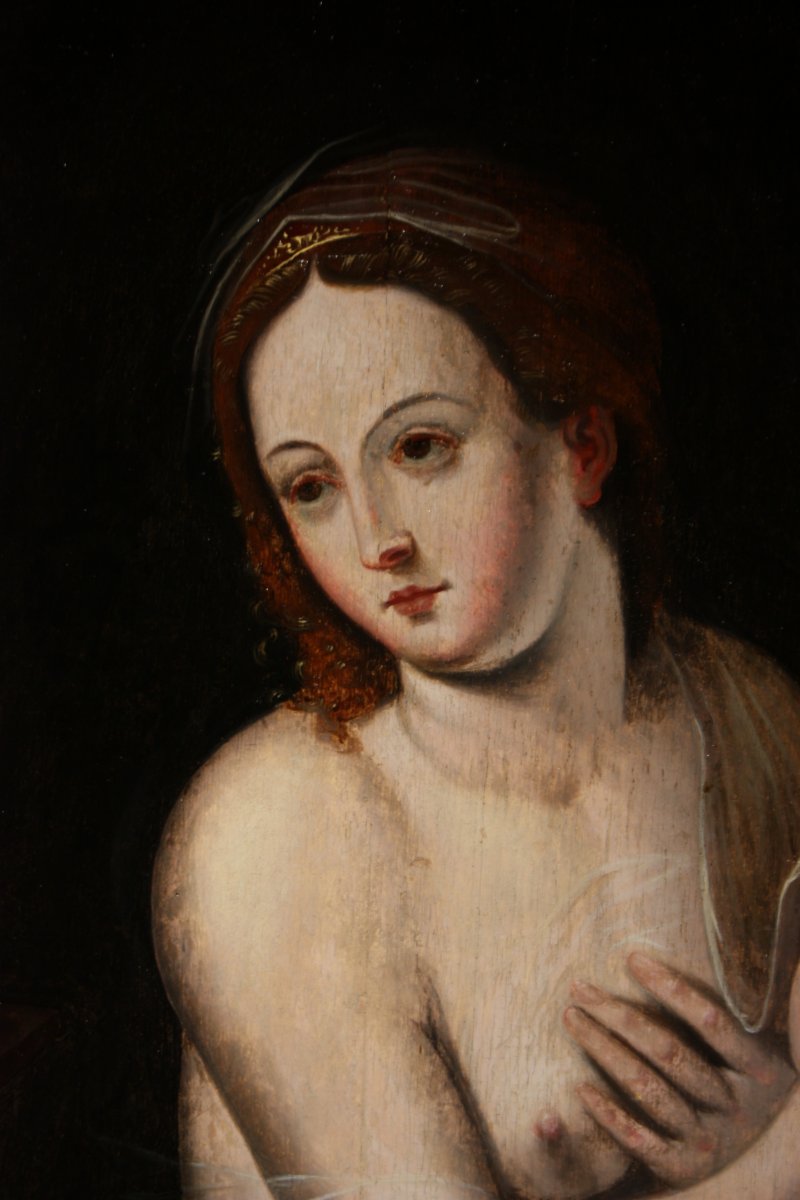
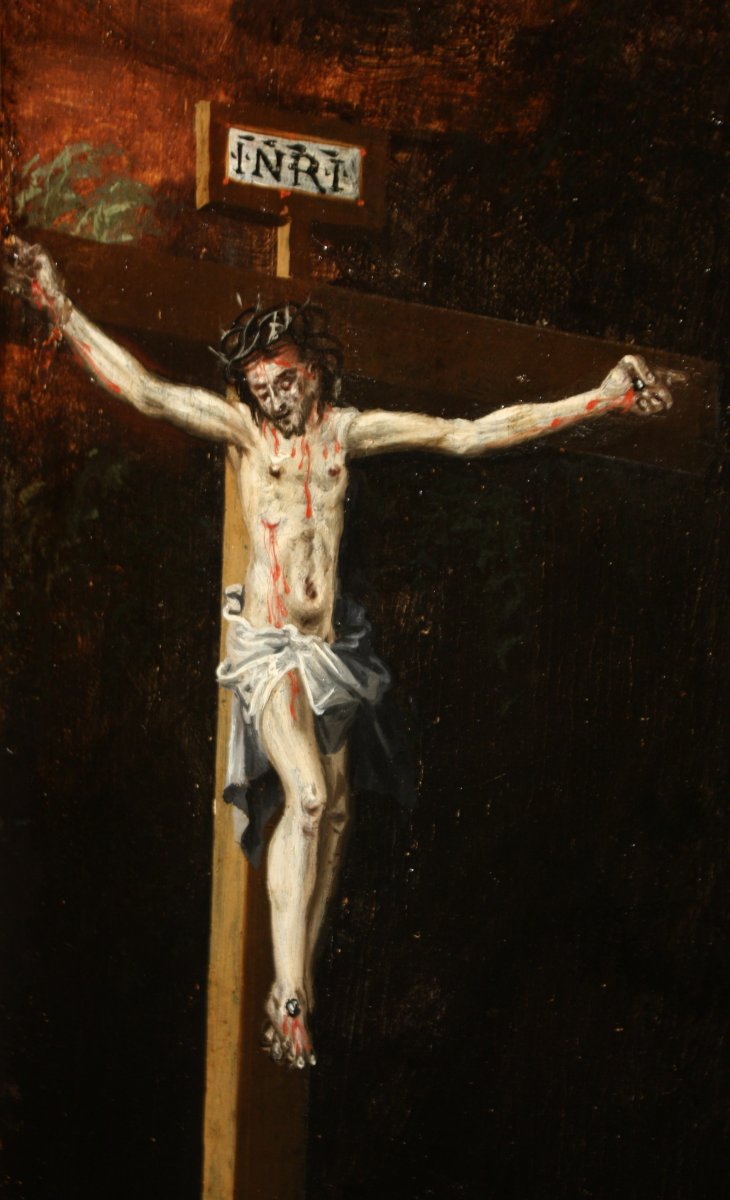
This painting depicts Mary Magdalene penitent in the cave. The saint, partially bare, her hair covered with a veil held by a diadem on her head, looks at the crucifix, her face expressing both sadness and hope.
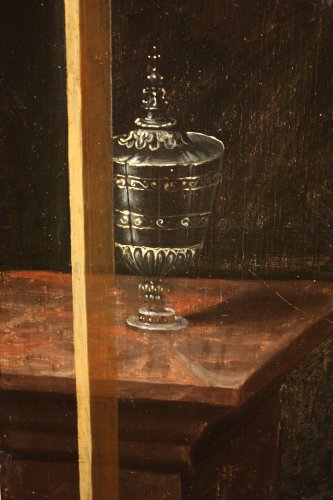
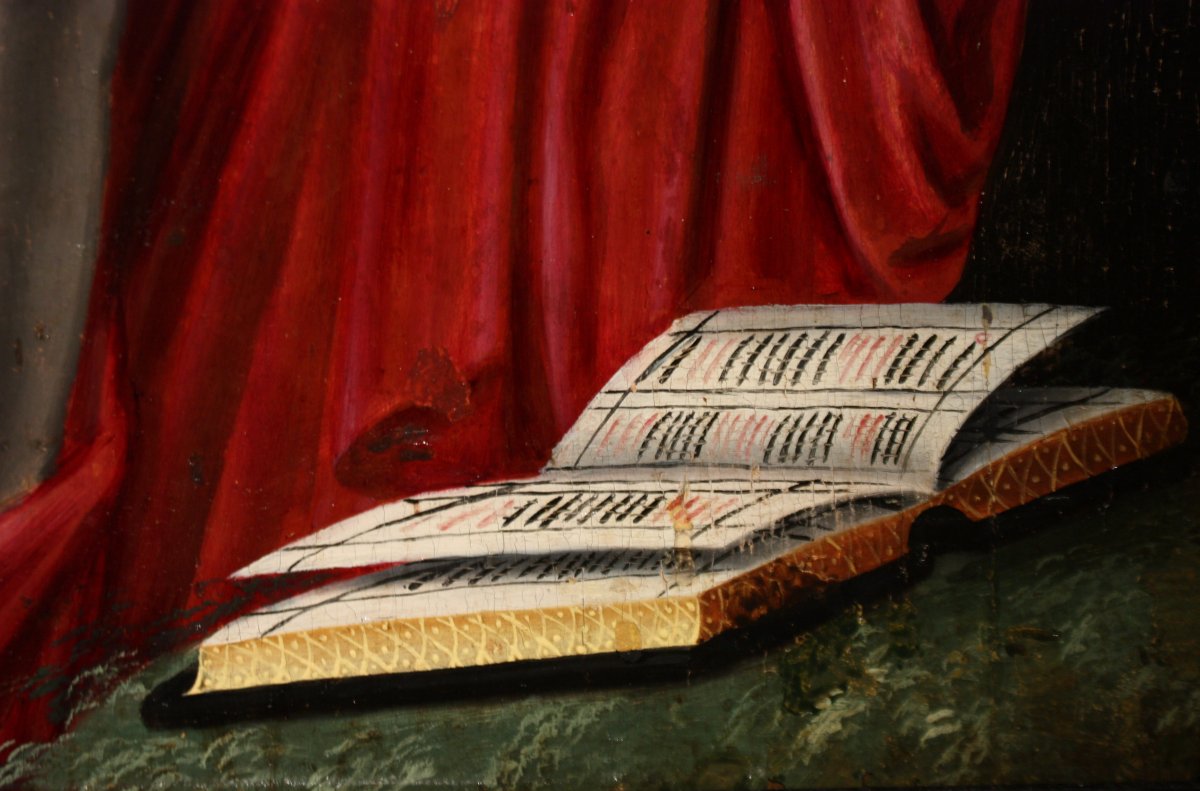
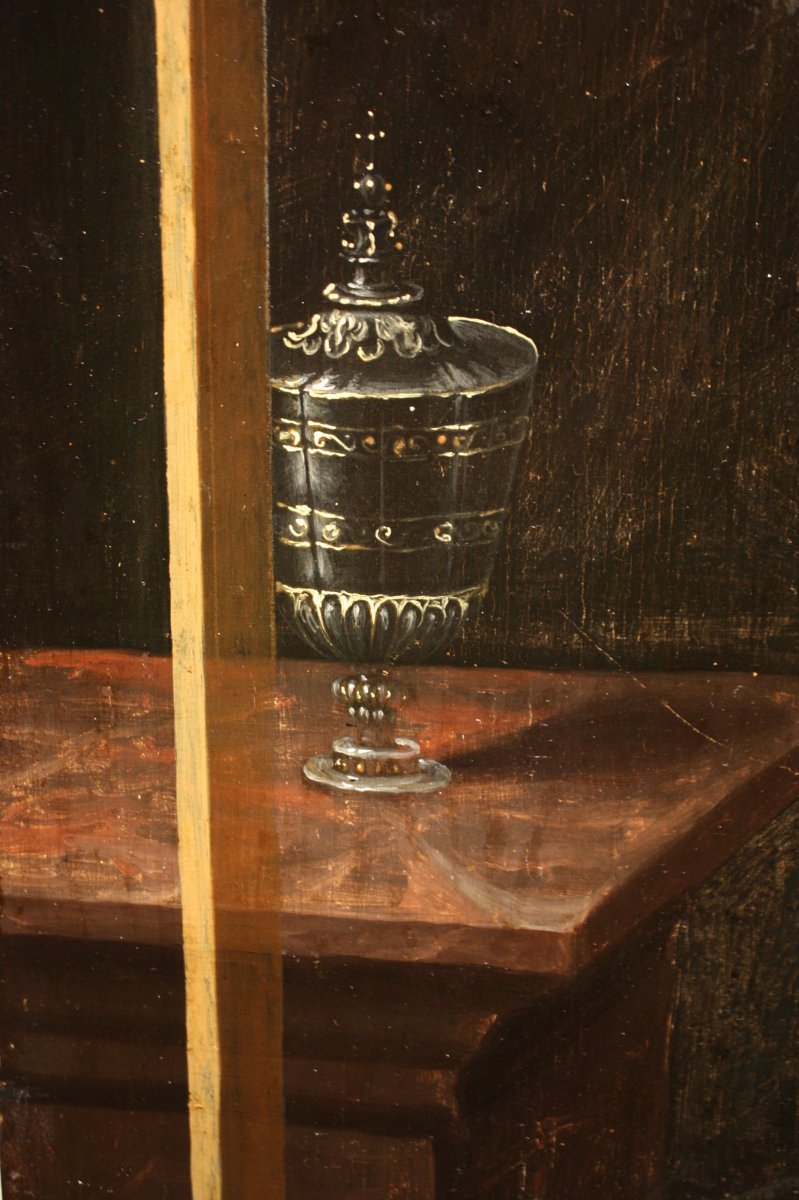
Dressed in a transparent veil, she restrains with her left arm a cloth which envelops the lower part of her body. It is accompanied by its attributes: the crucifix helping to pray, the book open to meditate the sacred texts, the vase with the perfumes that it spread on the feet of Jesus.
The contrast is disturbing between the face with the idealized features of the young woman, its radiant beauty and the dark atmosphere of the cave, the suffering of Christ crucified.
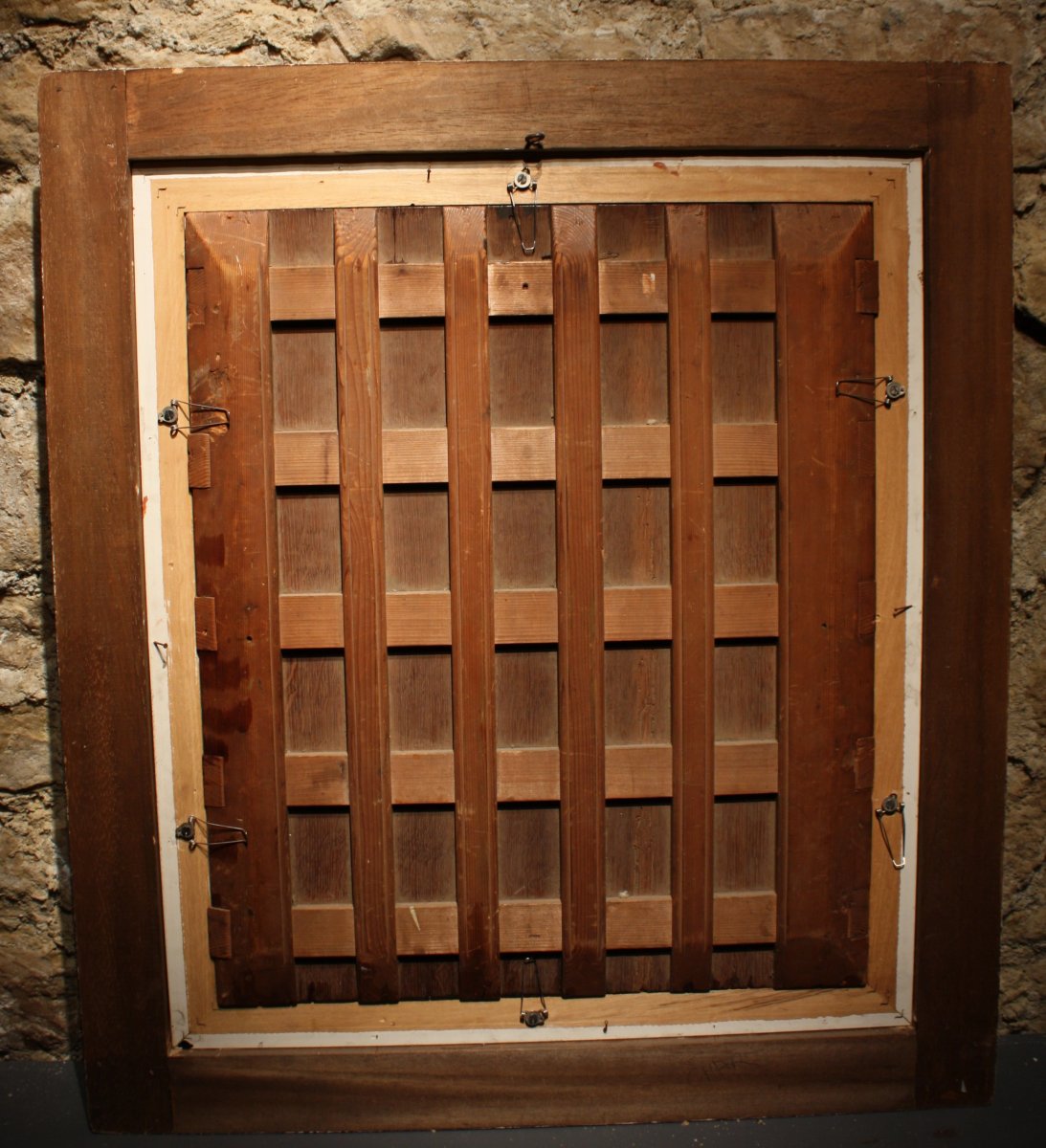
Oil on oak panel in parquet, surrounded by Michiel Coxcie, Flemish school of the sixteenth century.
Dimensions: h. 64 cm, l. 54 cm, with frame: h. 87 cm, l. 75cm.
This painting is similar to that of Marie Madeleine Penitente, which is preserved in the National Museum of Warsaw, Poland, surrounded by Michiel Coxcie, and another, from an old collection of The Wadsworth Atheneum Museum of Art, Hartford ), Also surrounded by Michiel Coxcie.
Michiel Coxcie, Mechelen 1499? - 1592 Mechelen. Painter, draftsman, inventor of engravings, creator of models for stained-glass windows and tapestries, Coxcie is the heir of the italianizing style of Van Orley. Known by the nickname of the Raphael of the North, Coxcie was one of the first painters of the North of Europe to be interested in the Italian Renaissance. He left for Rome probably around 1529-1530; During his nine year stay, he was the first Nordic artist to be commissioned to paint frescoes. In 1534, he was admitted to the Academy of St. Luke of Rome. He deepened his knowledge of Antiquity and the art of the great masters of the Renaissance Raphael, Michelangelo and Da Vinci. Back in his country, he introduced the stylistic elements of the Italian Renaissance; It is an artistic revolution for Flemish painting. He was one of the favorite painters of Charles V. and quickly rose to the rank of painter at the court of his son Philip II. He drew altarpieces, stained glass and wall tapestries for sponsors from Brussels, Antwerp and Mechelen. Coxcie's contemporaries were inspired by his innovative style and compositions, and even after his death, his work attracted the admiration of artists like Rubens. With a particularly long life, which begins at the end of the 15th century and ends on the threshold of the 17th century, Michiel Coxcie constitutes an exceptional artistic link between the Flemish Primitives and the Baroque.
https://www.anticstore.art/61652P |
|
|
|
|
House of Habsburg (1516–1700)
[edit]
Following the deaths of Isabella (1504) and Ferdinand (1516), their daughter Joanna inherited the Spanish kingdoms. However, she was kept prisoner at Tordesillas due to an alleged mental disorder. As Joanna's son, Charles I (the future Holy Roman Emperor Charles V), did not want to be merely a regent, he proclaimed himself king of Castile and Aragon jointly with his mother. Subsequently, Castilian and Aragonese Cortes recognized him as co-monarch along with his mother. Upon her death, he became sole King of Castile and Aragon, and the thrones were left permanently united to Philip II of Spain and successors. Traditional numbering of monarchs follows the Castillian crown; i.e. after King Ferdinand (II of Aragon and V of Castile jure uxoris as husband of Queen of Castille Isabella I), the next Ferdinand was numbered VI. Likewise, Alfonso XII takes his number following that of Alfonso XI of Castile rather than that of Alfonso V of Aragon, the prior Spanish monarch with that name.[citation needed]
| Name | Lifespan | Reign start | Reign end | Notes | Family | Image |
| Charles I
|
24 February 1500 – 21 September 1558 (aged 58) |
14 March 1516 |
16 January 1556
(39 years, 10 months and 2 days) |
Son of Joanna and Philip I of Castile
Nominally co-monarch with Joanna till 1555, while she was confined |
Habsburg |
 |
| Philip II
|
21 May 1527 – 13 September 1598 (aged 71) |
16 January 1556 |
13 September 1598
(42 years, 7 months and 28 days) |
Son of Charles I |
Habsburg |
 |
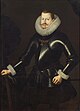
| Philip III
|
14 April 1578 – 31 March 1621 (aged 42) |
13 September 1598 |
31 March 1621
(22 years, 6 months and 18 days) |
Son of Philip II |
Habsburg |
 |
| Philip IV
|
8 April 1605 – 17 September 1665 (aged 60) |
31 March 1621 |
17 September 1665
(44 years, 5 months and 17 days) |
Son of Philip III |
Habsburg |
 |
| Charles II
|
6 November 1661 – 1 November 1700 (aged 38) |
17 September 1665 |
1 November 1700
(35 years, 1 month and 15 days) |
Son of Philip IV |
Habsburg |
 |
In the year 1700, Charles II died. His will named the 16-year-old Philip, Duke of Anjou, the grandson of Charles's sister Maria Theresa of Spain, as his successor to the whole Spanish Empire.[1] Upon any possible refusal of the undivided Spanish possessions, the Crown of Spain would be offered next to Philip's younger brother Charles, Duke of Berry, or, next, to Archduke Charles of Austria.[2]
Both claimants, both Charles of Austria and Philip, had a legal right to the Spanish throne because Philip's grandfather, King Louis XIV of France and Charles's father, Leopold I, Holy Roman Emperor, were sons of Charles II's aunts, Anne and Maria Anna. Philip claimed primogeniture because Anne was older than Maria Anna. However, Philip IV had stipulated in his will the succession should pass to the Austrian Habsburg line, and the Austrian branch also claimed that Maria Theresa, Philip's grandmother, had renounced the Spanish throne for herself and her descendants as part of her marriage contract. This was countered by the French claim that it was on the basis of a dowry that had never been paid.[3]
|
|
|
 Primer Anterior 2 a 3 de 3 Siguiente Primer Anterior 2 a 3 de 3 Siguiente  Último Último |
|
|
|
After a long council meeting where the Dauphin spoke up in favour of his son's rights, it was agreed that Philip would ascend the throne.[4] Following this, the War of the Spanish Succession broke out and Archduke Charles was also proclaimed king of Spain, as Charles III, in opposition to Philip V. He was proclaimed in Vienna,[5] and also in Madrid in the years 1706 and 1710. Charles renounced his claims to the Spanish throne in the Treaty of Rastatt of 1714, but was allowed the continued use of the styles of a Spanish monarch for his lifetime. Philip ascended the Spanish throne but had to renounce his claim to the throne of France for himself and his descendants.[6]
Disputed claimant of the House of Habsburg
[edit]
|
|
|
|
|
|
 Primer
Anterior
2 a 5 de 35
Siguiente
Primer
Anterior
2 a 5 de 35
Siguiente Último
|


 Tema anterior
,_formerly_attributed_to_Titian_(Alte_Pinakothek,_Munich).jpg)

.jpg)
.jpg)


.svg)
.svg)
