The Moon phase on Monday, June 21, 1982 is New Moon with an illumination of 0.61%. This indicates the percentage of the Moon illuminated by the Sun. On Monday, June 21, 1982, the Moon is 0.73 days old. This number shows how many days have passed since the last New Moon.
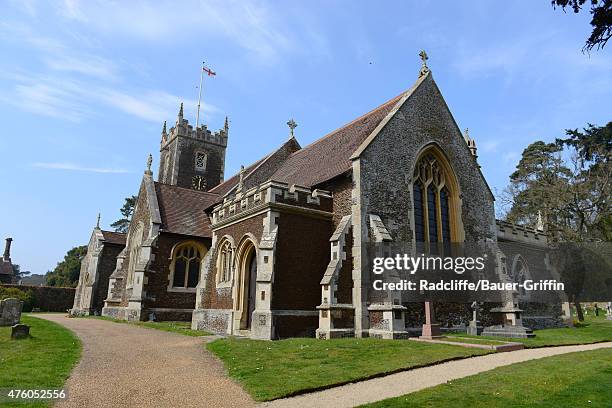
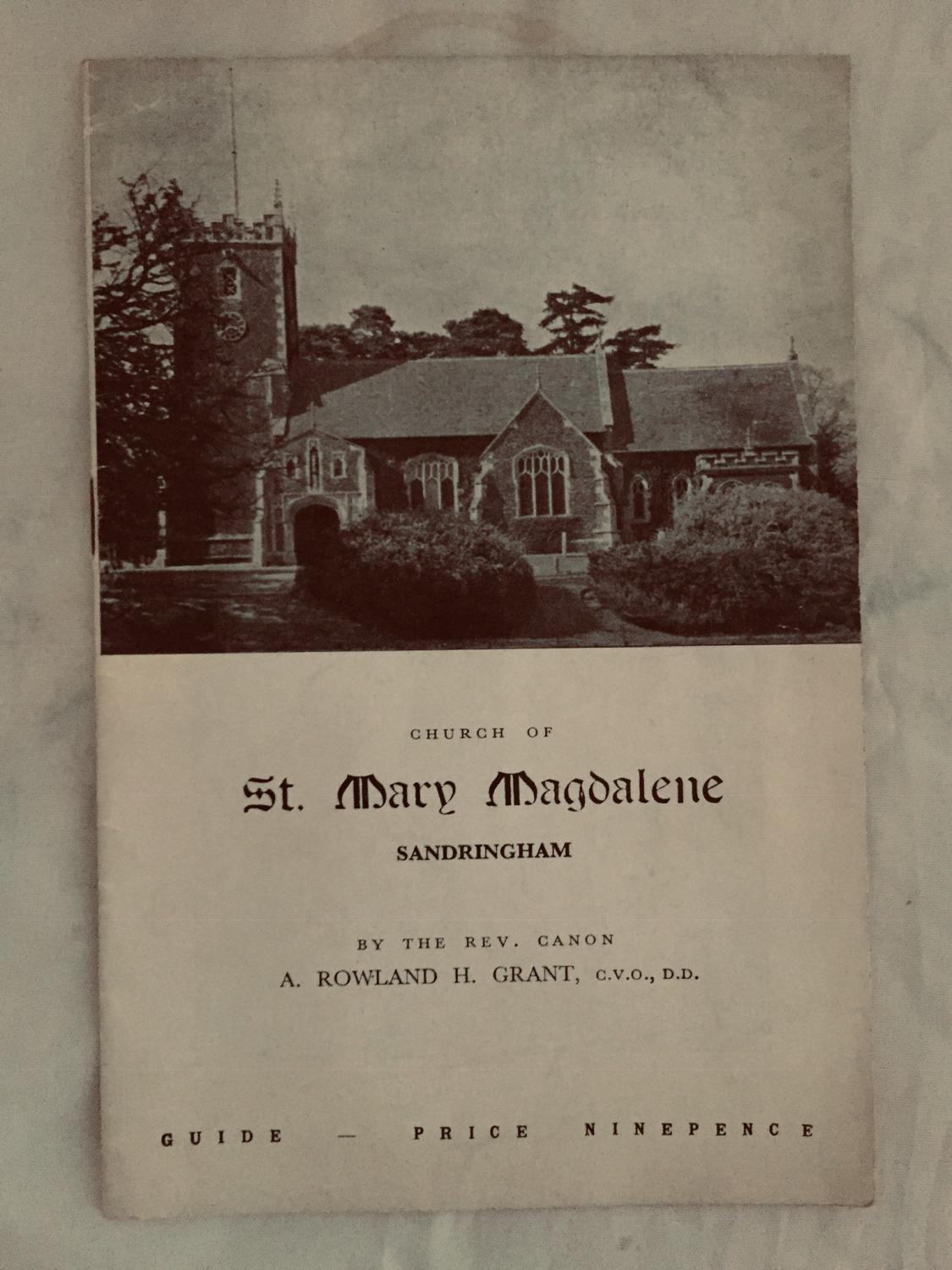
St Mary Magdalene Church is a church in Sandringham, Norfolk, England, located just to the southwest of Sandringham House. Members of the British Royal Family attend services when in residence at Sandringham, which normally includes Christmas.[1] The church is dedicated to Mary Magdalene, a disciple of Jesus. The rector is the Reverend Canon Paul Williams.[2]
Much of the decoration and the church's stained glass in the east window was created by Charles Eamer Kempe whom King Edward VII had also commissioned in 1903 to create a stained glass window for Buckingham Palace of his eldest son, Prince Albert, Duke of Clarence.[9][10] The church's silver altar and reredos, created by the silversmiths Barkentin & Krall, were presented to Queen Alexandra by the American department store owner Rodman Wanamaker as a tribute to Edward VII. He also presented her with the silver pulpit and a silver 17th-century Spanish processional cross. Of note also is a Florentine marble font and a Greek font dating to the 9th-century.[7][11]
There are memorials to many members and relations of the Royal Family in the church and churchyard. Prince John (12 July 1905 – 18 January 1919) is buried here. After his death in February 1952, the body of King George VI was placed in the church for two days prior to its lying in state in Westminster Hall.[12]
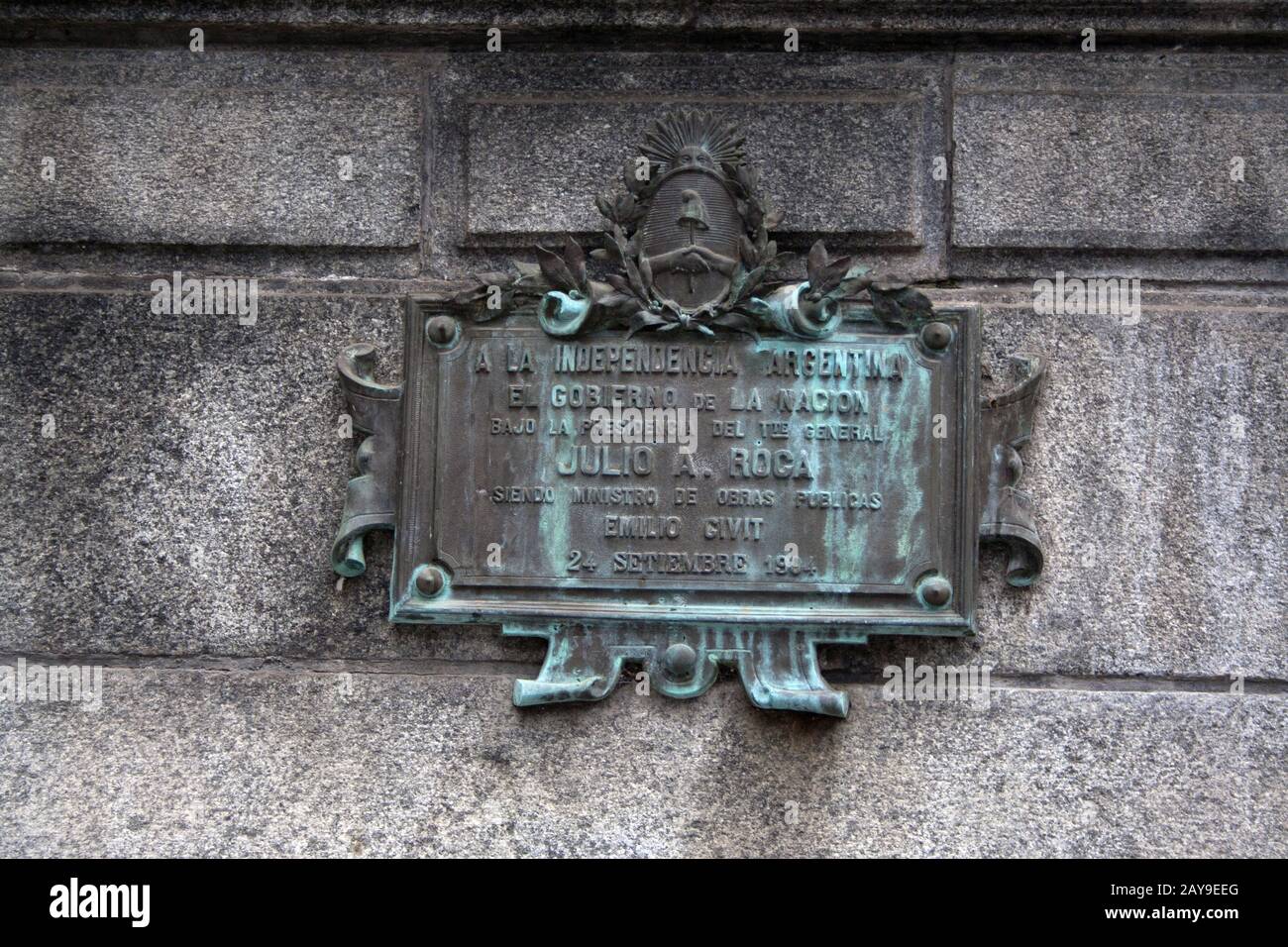
La Ley 4661 de Descanso Dominical, sancionada el 31 de agosto de 1905 bajo la segunda presidencia de Julio Argentino Roca, estableció el descanso obligatorio los domingos, siendo considerada la primera ley obrera de Argentina. Impulsada por el diputado socialista Alfredo Palacios, buscó frenar la explotación laboral y el hacinamiento en la época.
Contexto: Fue promulgada el 6 de septiembre de 1905 tras intensos debates y presión sindical, entrando en vigor poco después.
Alcance: Aunque inicialmente enfocada en Buenos Aires, luego se extendió a los territorios nacionales (Ley 9104).
Importancia: Marcó un hito en el derecho laboral argentino, reconociendo el descanso obligatorio para los trabajadores.
Rol de Roca: Aunque la ley fue propuesta por la oposición, se sancionó durante su gestión, tras sus alusiones en 1903 a los movimientos huelguísticos que reclamaban atención.
La norma prohibía trabajar los domingos, garantizando un descanso semanal de 35 horas, lo que mejoró las condiciones de vida de la clase obrera en un contexto de extensas jornadas sin descanso.


 Tema anterior













![59 - Curso de Relatividad General [Ecuaciones de Campo & Constante Cosmológica] - YouTube](https://i.ytimg.com/vi/HI3m80zLo24/maxresdefault.jpg)