Página principal  |  Contacto  

Correo electrónico:

Contraseña:

Registrarse ahora!

¿Has olvidado tu contraseña?

FORO LIBREPENSADOR SIN CENSURA
 
Novedades
  Únete ahora
  Panel de mensajes 
  Galería de imágenes 
 Archivos y documentos 
 Encuestas y Test 
  Lista de Participantes
 GENERAL 
 REGLAS DE ESTE FORO LIBRE 
 Panel de quejas 
 CONCORDANCIAS BIBLICAS 
 PANEL DEL ADMINISTRADOR BARILOCHENSE 6999 
 
 
  Herramientas
 
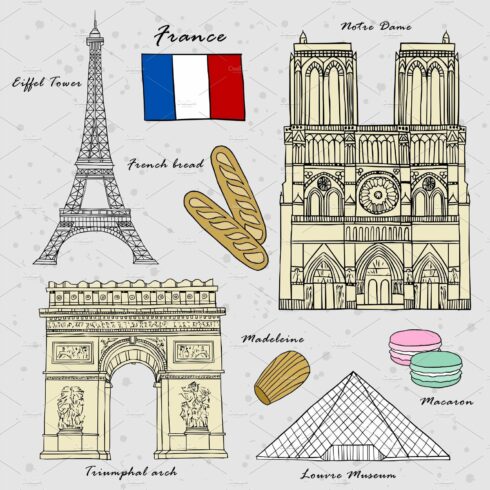
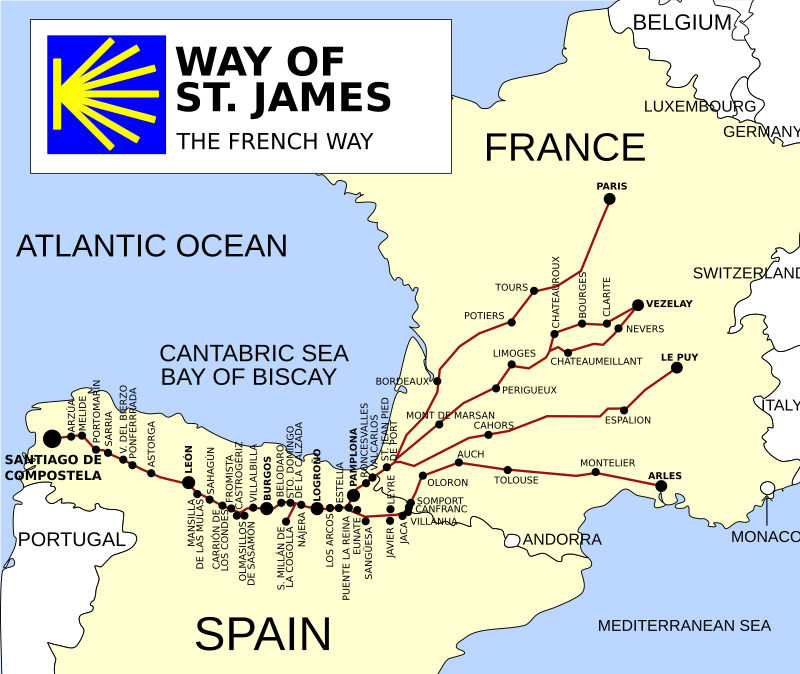
General: UNITED STATES S FLAG=FRANCE S FLAG=BLUE/RED=DA VINCI CODE WAY OF ST. JAMES
Elegir otro panel de mensajes
Tema anterior  Tema siguiente
Respuesta  Mensaje 1 de 68 en el tema 
De: BARILOCHENSE6999  (Mensaje original) Enviado: 02/01/2025 16:55
Great Scene: “The Matrix” | by Scott Myers | Medium
Keanu Reeves in scene from The Matrix where Neo is asked to swallow either  the red pill or the blue pill
politics morpheus matrix blue pill red pill Memes & GIFs - Imgflip
10 interesting facts about the Eiffel Tower | Un jour de plus à Paris
Outline Eiffel tower illustration – MasterBundles
From cyclotrons to chromatography and beyond: a guide to the production and  purification of theranostic radiometals - Chemical Society Reviews (RSC  Publishing) DOI:10.1039/D4CS00802B
 
The Esoteric Symbolism of 9-11 (IXXI) ???? Today is September 11th, 2023.  Exactly 22 Years Ago (2 11s) the "Twin Towers" FELL; forever changing the  co - Thread from Hiddeπ Amur∆Ka: Thr????ce (
Camino de Santiago (route descriptions) - Wikipedia
Santa Maria Magdalena de Vezelay - Romanesque Architecture
Vezelay, Church and Hill - UNESCO World Heritage Site
Doppler effect
Basic Principles of Ultrasound Physics and Artifacts Made Easy - POCUS 101
Doppler Effect - StickMan Physics
Doppler Shift Equation and Redshift - GCSE Physics
Explain doppler effect in light distinguish between redshift and blue shift
Doppler Effect grade 12: Red and Blue Shift - YouTube
Have astronomers ever observed a violet shift like they have blue shifts  and red shifts? | Science Questions with Surprising Answers
Doppler Shift
John 19:34 Instead, one of the soldiers pierced His side with a spear, and  immediately blood and water flowed out.
 
Resultado de imagen para ESTATUA DE LA LIBERTAD 33 METROS


Primer  Anterior  54 a 68 de 68  Siguiente   Último  
Respuesta  Mensaje 54 de 68 en el tema 
De: BARILOCHENSE6999 Enviado: 06/08/2025 11:43


Respuesta  Mensaje 55 de 68 en el tema 
De: BARILOCHENSE6999 Enviado: 06/08/2025 21:30


Respuesta  Mensaje 56 de 68 en el tema 
De: BARILOCHENSE6999 Enviado: 13/08/2025 21:59


Respuesta  Mensaje 57 de 68 en el tema 
De: BARILOCHENSE6999 Enviado: 19/08/2025 10:52


Respuesta  Mensaje 58 de 68 en el tema 
De: BARILOCHENSE6999 Enviado: 19/08/2025 14:04


Respuesta  Mensaje 59 de 68 en el tema 
De: BARILOCHENSE6999 Enviado: 24/08/2025 13:27


Respuesta  Mensaje 60 de 68 en el tema 
De: BARILOCHENSE6999 Enviado: 09/09/2025 03:47


Respuesta  Mensaje 61 de 68 en el tema 
De: BARILOCHENSE6999 Enviado: 20/09/2025 14:14


Respuesta  Mensaje 62 de 68 en el tema 
De: BARILOCHENSE6999 Enviado: 26/09/2025 20:43


Respuesta  Mensaje 63 de 68 en el tema 
De: BARILOCHENSE6999 Enviado: 27/09/2025 12:32


Respuesta  Mensaje 64 de 68 en el tema 
De: BARILOCHENSE6999 Enviado: 28/09/2025 14:30


Respuesta  Mensaje 65 de 68 en el tema 
De: BARILOCHENSE6999 Enviado: 29/09/2025 03:39


Respuesta  Mensaje 66 de 68 en el tema 
De: BARILOCHENSE6999 Enviado: 02/02/2026 17:28

Religious buildings

à BAGNOLES DE L'ORNE NORMANDIE

Eglise Sainte-Madeleine

Sainte Madeleine church was built between 1826 and 1828. A priest turned his hand to being an architect and drew up the plans. The local population built their own church, in the evenings after work and on Sundays. It was consecrated in September 1828.
The organ is without doubt the most magnificent thing about the church, with 12 of its stops dating back to the 18th century. The instrument was modified in 1855 so that it could be hidden in a neo-gothic cupboard. It currently has around 25 stops.

https://en.normandie-tourisme.fr/museums-and-heritage-sites/eglise-sainte-madeleine/

Respuesta  Mensaje 67 de 68 en el tema 
De: BARILOCHENSE6999 Enviado: 02/02/2026 17:31

Treaty of Saint-Clair-sur-Epte


Appearance
 
Text
  •  
     
     
Width
  •  
     
Color (beta)
  •  


From Wikipedia, the free encyclopedia
 
 
Kingdom of France in the late 10th century; the Duchy of Normandy is marked Duché de Normandie, and the royal domain is blue.

The treaty of Saint-Clair-sur-Epte (911) is the foundational document of the Duchy of Normandy, establishing Rollo, a Norse warlord and Viking leader, as the first Duke of Normandy in exchange for his loyalty to Charles III, the king of West Francia, following the Siege of Chartres. This treaty included a land grant of farmable coastal land from Charles the Simple to Rollo in return for his fealty and protection against other Viking groups that had been regularly raiding the northern coastline.[1][non-primary source needed] This treaty effectively changed how mainland Europe knew to resolve ongoing raids from the Vikings.[2]

History Before the Treaty

[edit]

Carolingian Ascension

[edit]

Vikings had been raiding and plundering French lands since the age of Charlemagne. King after king among the Carolingian dynasty had tried but ultimately failed to stop these Viking incursions throughout the dynasties reign. Upon Louis the Pious death, his son Charles II the Bald took over. Charles II had immediately been thrust into a war against his brother Lothair. Lothair, who was the emperor at the time, ordered his Danish vassal to raid and plunder specific sites in Charles’ kingdom.[3] Eventually, the Vikings became accustomed to easily obtained riches and could not be controlled resulting in them plundering whatever they wanted to, at any time they want. It got to a point where the Vikings had more of a say than the Danish King himself on where and when to raid. They hit modern day Normandy and Brittany in devastating fashion. The most important raid that occurred during his reign was when the famous Viking Ragnar attacked Paris. Charles tried to stop this plundering by force but, like his family before him, was not successful. He then opted for an approach to pay the Vikings off, but this only made the Vikings thirstier for plunder.

After Charles II the Bald died in 877, there were 6 more rulers that had to deal with the Vikings up to the Treaty of Saint Claire sur Epte, with the last being Charles the Simple. The five rulers before him; Louis the StammererLouis IIICarloman IIOdo of Paris, and Charles the Fat, had not done anything more significant than their predecessors to thwart these Vikings. Throughout the times of these six kings, the counts and dukes under the kingdom in West Frankia started to fortify their own lands heavily to counter these Viking attacks. Eventually, the Vikings raids would become much harder to accomplish as these smaller feudal lords protected their land well. Nonetheless, it has still been hundreds of years of Viking invasion and permanent settlements were bound to happen. In one case, a Viking leader named Rollo, who brought thousands of Vikings to raid, plunder, and settle had enacted a permanent settlement along the Seine River in the year 900.[3] Just two years before this in 898, a new king had been crowned called Charles the Simple. Although a bit worrisome, the permanent Viking settlement was relatively peaceful and did not pose a real threat to Charles. It was until 911 when raiding resumed from Rollo that caused the real concern of the Viking threat again, but this time things were different. Charles and Rollo would face each other in battle near Chartres resulting in a close Viking defeat.[3] Though weakened, the Vikings were still a formidable force, which resulted in a very unusual proposal by King Charles. Charles proposed that Rollo be baptized and granted land from the Seine River to the sea, along with protecting the kingdom from further Viking raids. This treaty would go on to be known as the famous Treaty of Saint Clair Sur-Epte.


Respuesta  Mensaje 68 de 68 en el tema 
De: BARILOCHENSE6999 Enviado: 02/02/2026 17:33

Treaty of Saint-Clair-sur-Epte


Appearance
 
Text
  •  
     
     
Width
  •  
     
Color (beta)
  •  


From Wikipedia, the free encyclopedia
 
 
Kingdom of France in the late 10th century; the Duchy of Normandy is marked Duché de Normandie, and the royal domain is blue.

The treaty of Saint-Clair-sur-Epte (911) is the foundational document of the Duchy of Normandy, establishing Rollo, a Norse warlord and Viking leader, as the first Duke of Normandy in exchange for his loyalty to Charles III, the king of West Francia, following the Siege of Chartres. This treaty included a land grant of farmable coastal land from Charles the Simple to Rollo in return for his fealty and protection against other Viking groups that had been regularly raiding the northern coastline.[1][non-primary source needed] This treaty effectively changed how mainland Europe knew to resolve ongoing raids from the Vikings.[2]

History Before the Treaty

[edit]

Carolingian Ascension

[edit]

Vikings had been raiding and plundering French lands since the age of Charlemagne. King after king among the Carolingian dynasty had tried but ultimately failed to stop these Viking incursions throughout the dynasties reign. Upon Louis the Pious death, his son Charles II the Bald took over. Charles II had immediately been thrust into a war against his brother Lothair. Lothair, who was the emperor at the time, ordered his Danish vassal to raid and plunder specific sites in Charles’ kingdom.[3] Eventually, the Vikings became accustomed to easily obtained riches and could not be controlled resulting in them plundering whatever they wanted to, at any time they want. It got to a point where the Vikings had more of a say than the Danish King himself on where and when to raid. They hit modern day Normandy and Brittany in devastating fashion. The most important raid that occurred during his reign was when the famous Viking Ragnar attacked Paris. Charles tried to stop this plundering by force but, like his family before him, was not successful. He then opted for an approach to pay the Vikings off, but this only made the Vikings thirstier for plunder.

After Charles II the Bald died in 877, there were 6 more rulers that had to deal with the Vikings up to the Treaty of Saint Claire sur Epte, with the last being Charles the Simple. The five rulers before him; Louis the StammererLouis IIICarloman IIOdo of Paris, and Charles the Fat, had not done anything more significant than their predecessors to thwart these Vikings. Throughout the times of these six kings, the counts and dukes under the kingdom in West Frankia started to fortify their own lands heavily to counter these Viking attacks. Eventually, the Vikings raids would become much harder to accomplish as these smaller feudal lords protected their land well. Nonetheless, it has still been hundreds of years of Viking invasion and permanent settlements were bound to happen. In one case, a Viking leader named Rollo, who brought thousands of Vikings to raid, plunder, and settle had enacted a permanent settlement along the Seine River in the year 900.[3] Just two years before this in 898, a new king had been crowned called Charles the Simple. Although a bit worrisome, the permanent Viking settlement was relatively peaceful and did not pose a real threat to Charles. It was until 911 when raiding resumed from Rollo that caused the real concern of the Viking threat again, but this time things were different. Charles and Rollo would face each other in battle near Chartres resulting in a close Viking defeat.[3] Though weakened, the Vikings were still a formidable force, which resulted in a very unusual proposal by King Charles. Charles proposed that Rollo be baptized and granted land from the Seine River to the sea, along with protecting the kingdom from further Viking raids. This treaty would go on to be known as the famous Treaty of Saint Clair Sur-Epte.


Primer  Anterior  54 a 68 de 68  Siguiente   Último  
Tema anterior  Tema siguiente
 
©2026 - Gabitos - Todos los derechos reservados