|
|
General: JUANA DE ARCO/JUAN MARCOS/FLEUR DE LIS
Choisir un autre rubrique de messages |
|
Réponse |
Message 1 de 34 de ce thème |
|
Juana de Arco
De Wikipedia, la enciclopedia libre
Juana de Arco (6 de enero de 1412 – 30 de mayo de 1431),[1] también conocida como la Doncella de Orléans (o, en francés, la Pucelle), fue una heroína, militar y santa francesa. Su festividad se conmemora el día del aniversario de su muerte, como es tradición en la Iglesia católica, el 30 de mayo.
[editar] Trayectoria
Nacida en Domrémy, un pequeño poblado situado en el departamento de los Vosgos en la región de la Lorena, Francia, ya con 17 años encabezó el ejército real francés. Convenció al rey Carlos VII de expulsar a los ingleses de Francia, y éste le dio autoridad sobre su ejército en el Sitio de Orleans, la batalla de Patay y otros enfrentamientos en 1429 y 1430. Estas campañas revitalizaron la facción de Carlos VII durante la Guerra de los Cien Años y permitieron la coronación del monarca.
Como recompensa, el rey eximió a Domrémy del impuesto anual a la corona. Esta ley se mantuvo en vigor hasta hace aproximadamente cien años. Posteriormente fue capturada por los borgoñones y entregada a los ingleses. Los clérigos la condenaron por herejía y el duque Juan de Bedford la quemó viva en Ruan. La mayoría de los datos sobre su vida se basan en las actas de aquel proceso pero, en cierta forma, están desprovistos de crédito pues, según diversos testigos presenciales del juicio, fueron sometidos a multitud de correcciones por orden del obispo Cauchon, así como a la introducción de datos falsos. Entre estos testigos estaba el escribano oficial, designado sólo por Cauchon, quien afirma que en ocasiones había secretarios escondidos detrás de las cortinas de la sala esperando instrucciones para borrar o agregar datos a las actas.
Veinticinco años después de su condena, el Rey Carlos VII instigó a la Iglesia a que revisaran aquel juicio inquisitorial, dictaminando el Papa Nicolás V la inconveniencia de su reapertura en aquellos momentos, debido a los recientes éxitos militares de Francia sobre Inglaterra y a la posibilidad de que los ingleses lo tomaran, en aquellos delicados momentos, como una afrenta por parte de Roma. Por otro lado, la familia de Juana también reunió las pruebas necesarias para la revisión del juicio y se las envió al Papa, pero éste se negó definitivamente a reabrir el proceso.
A la muerte de Nicolás V, fue elegido papa el español Calixto III (Alfonso de Borja) el 8 de abril de 1456, y fue él quien dispuso que se reabriera el proceso. La inocencia de Juana fue reconocida ese mismo año en un proceso donde hubo numerosos testimonios y se declaró herejes a los jueces que la habían condenado. Finalmente, ya en el siglo XX, en 1909 fue beatificada y posteriormente declarada santa en 1920 por el Papa Benedicto XV. Ese mismo año fue declarada como la santa patrona de Francia.[2]
Su fama se extendió inmediatamente después de su muerte: fue venerada por la Liga Católica en el siglo XVI y adoptada como símbolo cultural por los círculos patrióticos franceses desde el siglo XIX. Fue igualmente una inspiración para las fuerzas aliadas durante la Primera y la Segunda Guerra Mundial.
Popularmente, Juana de Arco es contemplada por muchas personas como una mujer notable: valiente, vigorosa y con una gran fe. Hoy en día es objeto de especial interés en la República de Irlanda, Canadá, Reino Unido y los Estados Unidos. En el movimiento del escultismo es la santa patrona de las guías.
[editar] El origen de Juana y el contexto de su tiempo
De acuerdo con los datos recabados en el proceso de Ruan, Juana se hizo llamar siempre «Juana la Doncella». No obstante, como ella misma comentó, «dentro de mi pueblo se me llamaba Jehannette. En Francia, se me llamaba Jehanne desde mi llegada».[3]
Posteriormente, se le añadiría la palabra «Darc» como apellido, para referirse a ella de forma oficial (la falta de apóstrofo en su versión francesa —d'Arc— se debe a la inexistencia de tal signo en la Edad Media). Arco (arc) proviene del apellido de su padre, Jacques Darc, cuyas raíces familiares estaban posiblemente en dos pueblos, Arc-en-Barrois o Art-sur-Meurthe, pueblos muy cercanos donde se cree que nació «la Pucelle». El nombre, no obstante, varía (Arc, Ars, Ai…) dadas las diferencias en la versión antigua de Art sur Meurthe (donde se reduce la erre).
La denominación de «Jehanne d'Arc» se encuentra en la obra de un poeta de Orléans hacia 1576; «Jehanne» se transcribe hoy en día como «Jeanne».
[editar] Sus padres
En el proceso Juana dijo sobre sus padres lo siguiente: «Mi padre se llama Jacques Darc y mi madre Isabelle». De esta manera se sabe que sus padres fueron Jacques Darc e Isabelle Romée.[4] Isabelle Romée no era el nombre original, sino que era el sobrenombre que se dio a Isabelle de Vouthon (que pertenecía a la parroquia de Vouthon, hoy en el departamento de Charente), como se hizo a otros una vez que realizaban el peregrinaje «de Puy» (de la montaña) en vez del de Roma. De hecho Juana no dio el apellido. Su padre Jacques era agricultor. No era pobre pero vio a regañadientes la venida de otro nuevo vástago más a su familia, ya que Juana tuvo tres hermanos mayores.
[editar] El nacimiento

Casa natal de Juana de Arco, en Domrémy, actualmente convertida en museo.
El debate sobre la fecha de nacimiento de la Doncella de Orléans, no lo consiguió resolver ni la misma Juana durante el proceso, ya que, cuando le preguntaron qué edad tenía, respondió: «Alrededor de diecinueve años, creo».[1] Aunque no estaba segura, la historiografía ha interpretado esta declaración al pie de la letra. De esta manera, restándole su posible edad a la fecha en la que se realizó la pregunta durante el proceso, 24 de febrero de 1431, el año de su nacimiento sería probablemente 1412.
El lugar donde nació, teóricamente es Domrémy, tal y como dijo en el interrogatorio de identidad de su proceso, el 21 de febrero de 1431; «Yo he nacido en la villa de Domrémy».[4] Además añadió que era una villa dependiente de Greux (inmediatamente al norte de Domrémy),[4] y que hoy ha pasado a llamarse Domrémy-la-Pucelle, gracias a ella. Ambas pertenecen actualmente al departamento de los Vosgos, en la región de la Lorena. Domrémy fue también el lugar donde recibió el bautismo de manos del Padre Jean Minet.
[editar] El conflicto de la Guerra de los Cien Años
Tras la muerte sin descendencia de Eduardo el Confesor y el breve reinado del rey Harold II, el trono de Inglaterra fue conquistado en 1.066 (batalla de Hastings) por el francés Guillermo el Conquistador, duque de Normandía. Estos hechos constituyeron la primera disputa de sucesión (debida a los parentescos entre las noblezas de ambos territorios), dando inicio a una duradera rivalidad entre ambos reinos. Con el tiempo, los reyes de Inglaterra reunieron varios de los mayores ducados de Francia: Aquitania, Poitiu, Bretaña. Los intentos de Francia por recuperar los territorios perdidos precipitaron uno de los más largos y sangrientos conflictos de la historia de la humanidad: la Guerra de los Cien Años, que duró en realidad 116 y produjo millones de muertos y la destrucción de casi toda la Francia Septentrional.
Los intereses de unificar las coronas se concretaron a la muerte del rey francés Carlos IV en 1328. Felipe de Valois, francés y sucesor gracias a la Ley Sálica (Carlos IV no había tenido descendencia masculina), se proclamó rey de Francia el 27 de mayo de 1328 (reinó como Felipe VI de Francia). Felipe ya se había convertido en regente tras la muerte de Carlos IV mientras se esperaba el nacimiento del hijo póstumo del rey difunto, que finalmente resultó ser una niña.
La Guerra de los Cien Años comenzaría en 1337, cuando Felipe VI reclamaría el feudo de la Gascuña a Eduardo III (aferrándose a la ley feudal) después de incursiones por el Canal de la Mancha en un intento de restaurar en el trono escocés al rey David II (aliado francés exiliado a Francia desde junio de 1333), pretextando que no respetaba a su rey. Entonces, el 1 de noviembre Eduardo III responde plantándose en las puertas de París y por medio del obispo de Lincoln declarando que él era el candidato adecuado para ocupar el trono francés.
Inglaterra ganaría importantes batallas como Crécy (1346) y Poitiers (1356), ya con el relevo de Juan II en lugar de Felipe VI, y obtendría la inesperada victoria de Agincourt en 1415, bajo la competente dirección del rey Enrique V.
Una grave enfermedad del rey francés propició la lucha por el poder entre su primo Juan I de Borgoña o Juan sin Miedo y el hermano de Carlos VI, Luis de Orleans. El 23 de noviembre de 1407, en las calles de París y por orden del borgoñón, se comete el asesinato del armagnac Luis de Orleans. Las dos ramas de la familia real francesa se dividen en dos facciones: los que daban soporte al duque de Borgoña (borgoñones) y los que apoyaban al de Orleans y después a Carlos VII, Delfín de Francia, (que fue desheredado o ilegitimado desde 1420) (armagnacs), ligados a la causa de Orleans a la muerte de Luis. Con el asesinato del armagnac, ambos bandos se enfrentaron en una guerra civil y buscaron el apoyo de los ingleses. Los partidarios del Duque de Orleans, en 1414, vieron rechazada una propuesta a los ingleses, quienes finalmente pactaron con los borgoñones.
A la muerte de Carlos VI en 1422 es coronado rey de Francia el hijo de Enrique V y Catalina de Valois, el infante Enrique VI (por lo tanto, Enrique VI de Inglaterra y I de Francia); en tanto que los armagnacs no dieron su brazo a torcer y se mantuvieron fieles al hijo del rey francés, Carlos VII, quien fue coronado también en 1422 de forma nominal en Berry, a falta de imponerlo como rey de facto, pero destronando al inglés de jure.
|
|
|
|
Réponse |
Message 20 de 34 de ce thème |
|
|
|
|
Réponse |
Message 21 de 34 de ce thème |
|
PARA NO CREER PERO ESTO ES ASI. LA RELACION DEL DINERO / MONEY / MOON / CON LA LUNA EN EL CONTEXTO A LA TRANSFIGURACION EN EL MONTE HERMON / MON / LUNA EN LA TRIBU DE DAN / DINERO / SERPIENTE. TODO ES UN NEXO CON LA TRANSFIGURACION DEL SEÑOR. DINERO ES TIEMPO MISMO.
ES OBVIO EL NEXO DE LA SERPIENTE CON LA MUJER
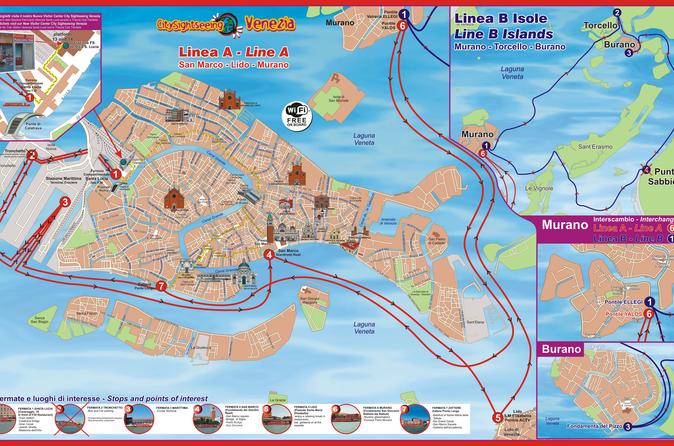
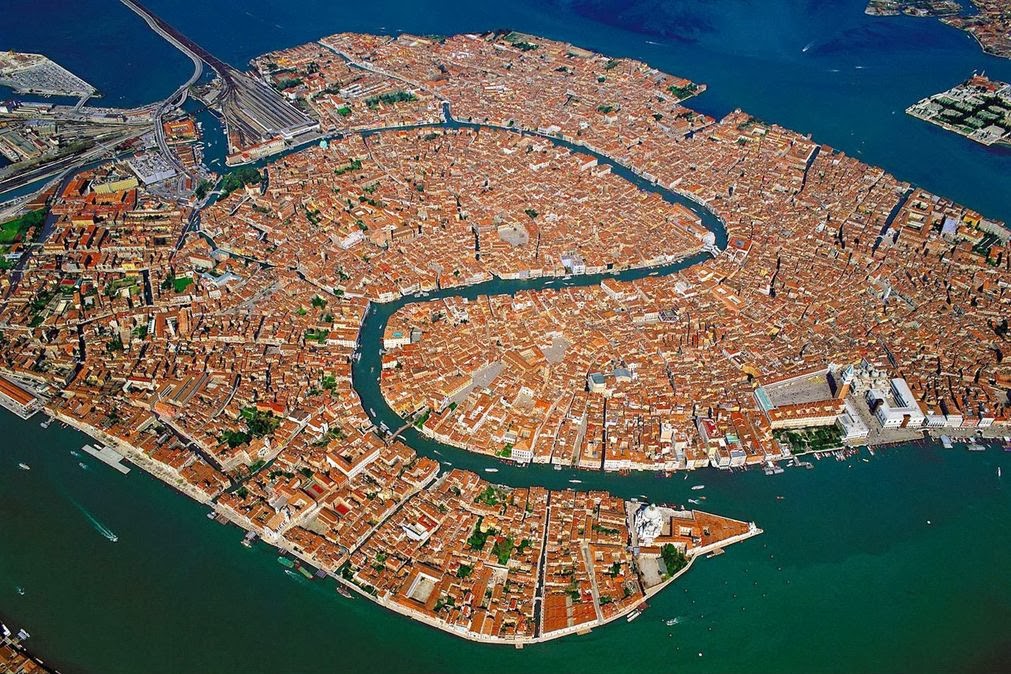
NOTEN EL NEXO DE DAN, CON LA SERPIENTE (VENECIA) Y EL CABALLO (PLAZA SAN MARCOS)
7. Génesis 49:17 Será Dan SERPIENTE junto al camino, Víbora junto a la senda, Que muerde los talones del caballo, Y hace caer hacia atrás al jinete.
 1200 1200
|
|
|
|
Réponse |
Message 22 de 34 de ce thème |
|
|
|
|
Réponse |
Message 23 de 34 de ce thème |
|
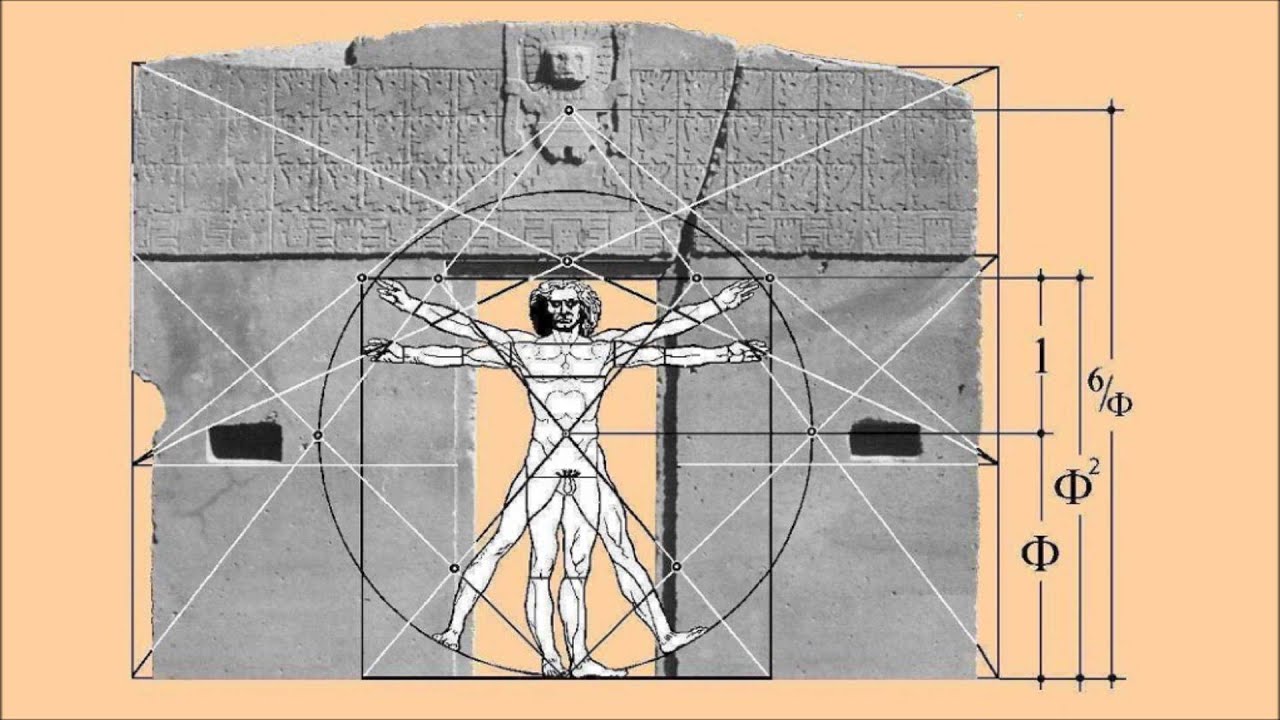

Eye within an interlocking circle and triangle
The 18th century church of Santa Maria della Maddalena (1763-90), better known simply as La Maddalena, was designed by the Venetian architect Tommaso Temanza (1705-89).
The entrance to the church is surmounted by the inscription SAPIENTIA AEDIFICAVIT SIBI DOMUM (Wisdom has built herself a home) and a curious image of an eye surrounded by an interlocking circle and triangle.
The all-seeing eye is one of the symbols of freemasonry and both the architect and the patron (a member of the Baffo family) of the church were freemasons.
Temanza's ashes are interred in La Maddalena.

La Maddalena

La Maddalena

Tomb of Tommaso Temanza https://www.picturesfromitaly.com/venice/freemasonry-and-the-church-of-santa-maria-della-maddalena-venice
 the Apple
|
|
|
|
Réponse |
Message 24 de 34 de ce thème |
|
|
|
|
Réponse |
Message 25 de 34 de ce thème |
|
|
|
|
Réponse |
Message 26 de 34 de ce thème |
|
|
|
|
Réponse |
Message 27 de 34 de ce thème |
|
|
|
|
Réponse |
Message 28 de 34 de ce thème |
|
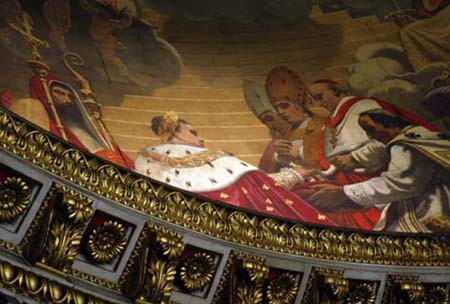
CHURCH OF THE MADELEINE: FRESCO OF THE HALF DOME
The only fresco in a Parisian church in which the figure of Napoleon appears is the one that adorns the half-dome of the Church of the Madeleine. Painted by Ziegler, it gathers around Christ, Mary Magdalene and the apostles the great people who have shaped Christianity: Constantine, Clovis, Godfrey of Bouillon, Frederick Barbarossa, Joan of Arc, Dante, Raphael, Pius VII and the Emperor in his coronation robes.
https://www.napoleon.org/en/history-of-the-two-empires/images/church-of-the-madeleine-fresco-of-the-half-dome/ |
|
|
|
Réponse |
Message 29 de 34 de ce thème |
|
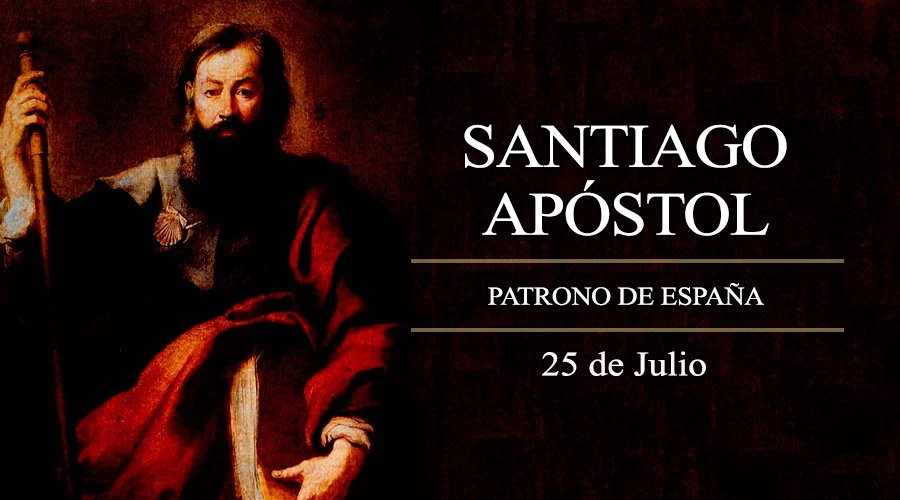
July 25 Events in History
June 18, 2024
July 25th has witnessed a series of pivotal events that have shaped the course of history across various fields.
From groundbreaking achievements in aviation and medical science to significant political shifts and cultural moments, this day encapsulates a diverse array of historical milestones.
Join us as we explore some of the most notable occurrences on this date, delving into their impacts and legacies that continue to resonate today.
July 25th – On this Day in History
306 – Constantine I proclaimed Roman Emperor
On July 25, 306, Constantine the Great was declared Roman Emperor by his troops after the death of his father, Constantius Chlorus, in Eboracum (modern-day York, England).
This proclamation marked the beginning of Constantine’s reign, during which he would play a crucial role in shaping the future of the Roman Empire.
Also Read: July 24 Events in History
His subsequent policies and reforms, including the Edict of Milan in 313, which granted religious tolerance to Christians, had a lasting impact on both the empire and the Christian religion. Constantine’s rule laid the foundation for the Byzantine Empire and the spread of Christianity throughout Europe.
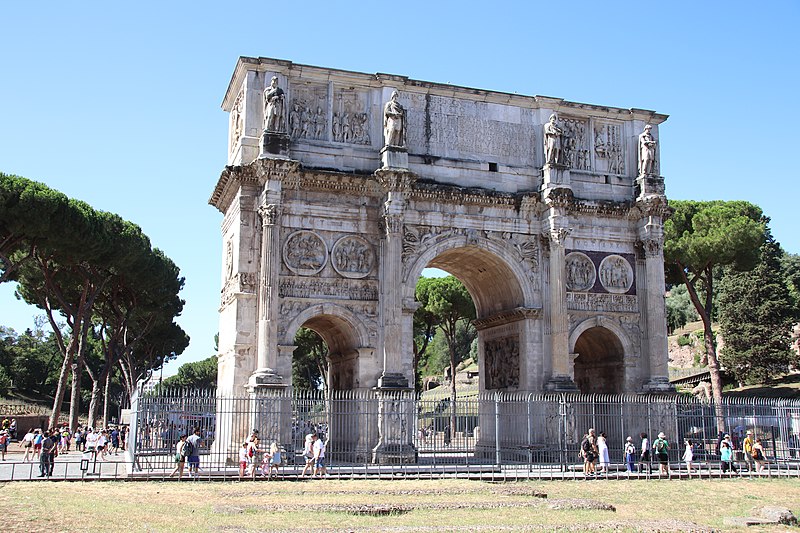
315 – Arch of Constantine inaugurated in Rome
The Arch of Constantine, one of Rome’s most famous monuments, was inaugurated on July 25, 315. Erected to commemorate Constantine I’s victory over Maxentius at the Battle of the Milvian Bridge in 312, the arch stands near the Colosseum.
It is a triumphal arch adorned with sculptures and reliefs that celebrate Constantine’s victory and his consolidation of power.
The arch not only served as a political symbol of Constantine’s authority but also showcased the artistic and architectural styles of the time, incorporating elements from earlier monuments to glorify the emperor’s achievements.
1261 – Constantinople recaptured by Nicaean forces, ending the Latin Empire
On July 25, 1261, forces from the Empire of Nicaea recaptured Constantinople, ending the Latin Empire established by the Fourth Crusade in 1204. This event marked the restoration of the Byzantine Empire under Emperor Michael VIII Palaiologos.
Also Read: July 26th – On this Day in History
The recapture of the city was a significant turning point, as it restored Byzantine control over its historic capital. However, the empire never fully recovered its former power and prestige, struggling against internal strife and external threats until its eventual fall to the Ottoman Turks in 1453.
1593 – Henry IV of France converted from Protestantism to Catholicism
On July 25, 1593, Henry IV of France converted from Protestantism to Catholicism, famously stating, “Paris is well worth a mass.” This pragmatic decision was made to secure his position as king and bring peace to a country torn apart by religious wars.
His conversion helped to end the French Wars of Religion, a series of conflicts between Catholics and Huguenots (French Protestants), and paved the way for the Edict of Nantes in 1598, which granted religious tolerance to Protestants.
Henry IV’s reign brought stability and prosperity to France and earned him the nickname “Good King Henry.”
1759 – French defeated at the Battle of Ticonderoga in the Seven Years’ War
On July 25, 1759, during the Seven Years’ War, British forces under General Jeffrey Amherst captured the French stronghold of Fort Carillon (later renamed Fort Ticonderoga) in present-day New York. This victory was part of a larger campaign to gain control over the strategic waterways of North America.
The fall of Ticonderoga marked a turning point in the war in favor of the British, who sought to expand their colonial territories at the expense of the French. The victory opened the way for further British advances into Canada and played a significant role in shaping the future of North America.
1797 – Horatio Nelson lost more than 300 men and his right arm during the failed conquest of Tenerife
On July 25, 1797, British Admiral Horatio Nelson led an attack on Santa Cruz de Tenerife in the Canary Islands during the French Revolutionary Wars. The expedition aimed to capture the strategic port, but it ended in failure.
During the battle, Nelson sustained a severe wound, resulting in the amputation of his right arm. Despite this setback, he displayed remarkable resilience and continued his naval career, eventually becoming one of Britain’s greatest naval heroes. This event highlighted his determination and contributed to his legendary status.
1814 – War of 1812: Battle of Lundy’s Lane, one of the bloodiest battles of the war, takes place
The Battle of Lundy’s Lane, one of the bloodiest battles of the War of 1812, took place on July 25, 1814, near Niagara Falls. American and British forces clashed in a fierce and indecisive engagement that lasted well into the night.
Despite high casualties on both sides, neither could claim a decisive victory. The battle demonstrated the intensity of the conflict along the Canadian-American border and underscored the strategic stalemate that characterized much of the war. It also highlighted the valor and resilience of both American and British troops.
1837 – First commercial use of an electric telegraph
On July 25, 1837, the first commercial use of an electric telegraph took place, marking a significant advancement in communication technology.
Developed by William Fothergill Cooke and Charles Wheatstone in England, the telegraph revolutionized long-distance communication by transmitting messages through electrical signals over wires.
This innovation laid the groundwork for the global telecommunications industry, transforming how information was shared and playing a crucial role in commerce, journalism, and personal communication.
1861 – Congress passed the Crittenden-Johnson Resolution, stating the Civil War was fought to preserve the Union, not to end slavery
On July 25, 1861, the United States Congress passed the Crittenden-Johnson Resolution, asserting that the ongoing Civil War was being fought to preserve the Union, not to interfere with slavery. This resolution aimed to maintain the loyalty of the border states and reassure Northerners who were concerned about the war’s purpose.
However, as the war progressed, the focus shifted increasingly towards the abolition of slavery, especially after the issuance of the Emancipation Proclamation in 1863. The resolution reflects the complex and evolving motivations behind the Union’s war effort.
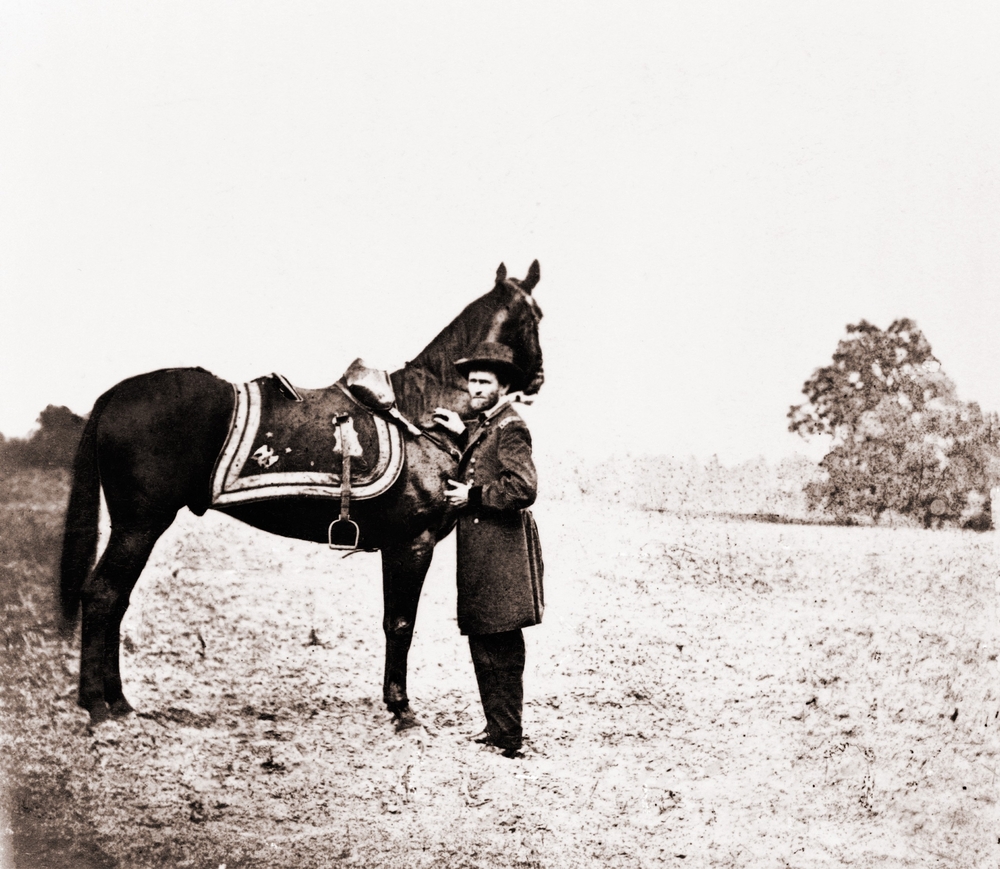
1866 – Ulysses S. Grant became the first General of the Army
On July 25, 1866, Ulysses S. Grant was appointed as the first General of the Army, a newly created rank in the United States military.
This appointment recognized Grant’s leadership and success as a Union general during the Civil War, particularly his role in key victories at battles such as Vicksburg and Appomattox.
As General of the Army, Grant oversaw the post-war military and played a significant role in Reconstruction efforts. His leadership and strategic acumen contributed to his later election as the 18th President of the United States.
1898 – United States invades Puerto Rico during the Spanish-American War
On July 25, 1898, during the Spanish-American War, American forces led by General Nelson A. Miles invaded Puerto Rico. This military action was part of a larger campaign against Spanish colonial rule in the Caribbean and the Pacific. The invasion was relatively swift, facing limited resistance from Spanish troops.
The conflict resulted in the Treaty of Paris, which ceded Puerto Rico, Guam, and the Philippines to the United States, significantly expanding American influence and marking a turning point in U.S. imperialism.
1909 – Louis Blériot makes the first flight across the English Channel in a heavier-than-air machine
On July 25, 1909, French aviator Louis Blériot made history by becoming the first person to fly across the English Channel in a heavier-than-air aircraft. He piloted his Blériot XI monoplane from Calais, France, to Dover, England, covering the distance in about 37 minutes.
This achievement demonstrated the potential of aviation and marked a significant milestone in the development of powered flight. Blériot’s successful crossing captured the public’s imagination and paved the way for future advancements in aviation technology and commercial air travel.
1917 – Mata Hari sentenced to death for espionage
On July 25, 1917, the renowned dancer and courtesan Mata Hari was sentenced to death by a French military court for espionage during World War I.
Accused of spying for Germany, she was portrayed as a dangerous femme fatale, although the evidence against her was largely circumstantial.
Her trial and execution highlighted the paranoia and fear of espionage that pervaded wartime Europe. Mata Hari’s story has since become legendary, symbolizing the intrigue and moral complexities of espionage during the war.
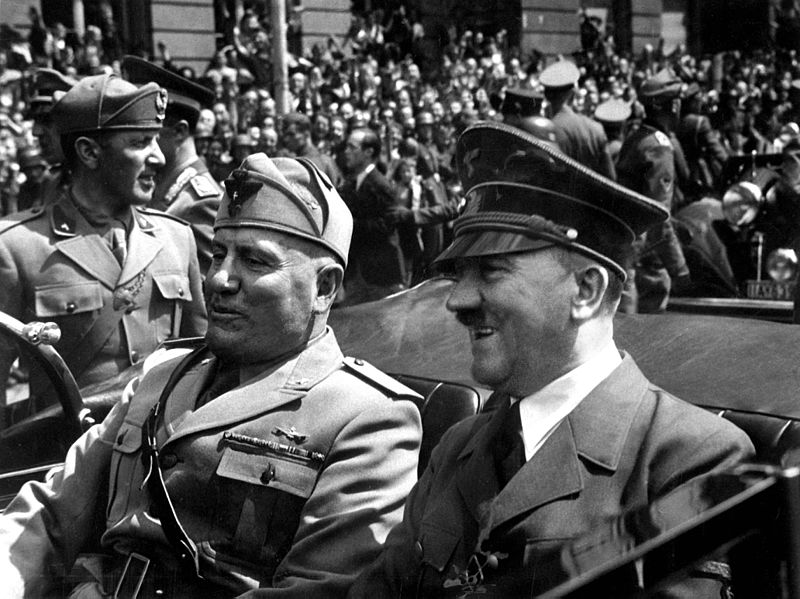
1943 – Benito Mussolini dismissed as Italian premier; arrested
On July 25, 1943, Italian dictator Benito Mussolini was dismissed from power by King Victor Emmanuel III and subsequently arrested.
This event marked a turning point in World War II, as Mussolini’s downfall signaled the collapse of the Fascist regime in Italy. It also led to Italy’s eventual surrender to the Allies.
The dismissal was influenced by military defeats and widespread dissatisfaction with Mussolini’s leadership. His arrest set the stage for a period of political turmoil in Italy and a shift in the balance of power in the war.
1956 – Suez Crisis: Egyptian President Nasser nationalized the Suez Canal
On July 25, 1956, Egyptian President Gamal Abdel Nasser nationalized the Suez Canal, previously controlled by British and French interests. This bold move aimed to fund the construction of the Aswan High Dam and assert Egypt’s sovereignty.
The nationalization led to the Suez Crisis, where Britain, France, and Israel launched a military intervention to regain control of the canal. The crisis highlighted the waning influence of European colonial powers and the rising importance of Middle Eastern geopolitics during the Cold War. It also marked a significant moment in the decolonization movement.
1965 – Bob Dylan controversially used electric instruments at the Newport Folk Festival
On July 25, 1965, Bob Dylan performed with an electric band at the Newport Folk Festival, marking a significant shift in his musical style. This performance was controversial, as Dylan was primarily known for his acoustic folk music.
The audience’s reaction was mixed, with some embracing the new sound and others feeling betrayed. This moment is often seen as a pivotal point in rock music history, symbolizing the merging of folk and rock genres and highlighting Dylan’s evolving artistry.
1978 – Birth of Louise Brown, the first test-tube baby
On July 25, 1978, Louise Brown, the world’s first baby conceived through in vitro fertilization (IVF), was born in England. Her birth marked a groundbreaking achievement in reproductive technology, offering hope to millions of couples struggling with infertility.
The successful use of IVF opened new possibilities for assisted reproductive treatments and sparked discussions about the ethical and social implications of such technologies. Louise Brown’s birth is celebrated as a milestone in medical science.
1984 – Cosmonaut Svetlana Savitskaya became the first woman to perform a spacewalk
On July 25, 1984, Soviet cosmonaut Svetlana Savitskaya became the first woman to perform a spacewalk. During her mission aboard the Salyut 7 space station, she conducted an extravehicular activity (EVA) that lasted nearly four hours.
This achievement not only highlighted her skills and bravery but also underscored the contributions of women in space exploration. Savitskaya’s spacewalk was a significant step forward for gender equality in the field of astronautics.
1994 – Israel and Jordan sign the Washington Declaration, formally ending the state of war
On July 25, 1994, Israel and Jordan signed the Washington Declaration, officially ending the state of war between the two nations. This agreement was a crucial step towards peace in the Middle East, facilitated by the United States.
It laid the groundwork for the Israel-Jordan Peace Treaty later that year, fostering improved diplomatic and economic relations. The declaration represented a significant move towards regional stability and cooperation.
2000 – Air France Flight 4590 crashes on takeoff in Paris, killing 113
On July 25, 2000, Air France Flight 4590, a Concorde supersonic airliner, crashed shortly after takeoff from Charles de Gaulle Airport in Paris. All 109 passengers and crew on board, along with four people on the ground, were killed.
The crash was caused by a strip of metal left on the runway by another aircraft, which led to a tire explosion and subsequent fuel tank rupture. This tragic event marked the beginning of the end for the Concorde program, highlighting safety concerns and contributing to the aircraft’s eventual retirement in 2003.
https://www.havefunwithhistory.com/july-25/ |
|
|
 Primer Anterior 2 a 2 de 2 Siguiente Primer Anterior 2 a 2 de 2 Siguiente  Último Último |
|
|
|
|
Réponse |
Message 30 de 34 de ce thème |
|

July 25 Events in History
June 18, 2024
July 25th has witnessed a series of pivotal events that have shaped the course of history across various fields.
From groundbreaking achievements in aviation and medical science to significant political shifts and cultural moments, this day encapsulates a diverse array of historical milestones.
Join us as we explore some of the most notable occurrences on this date, delving into their impacts and legacies that continue to resonate today.
July 25th – On this Day in History
306 – Constantine I proclaimed Roman Emperor
On July 25, 306, Constantine the Great was declared Roman Emperor by his troops after the death of his father, Constantius Chlorus, in Eboracum (modern-day York, England).
This proclamation marked the beginning of Constantine’s reign, during which he would play a crucial role in shaping the future of the Roman Empire.
Also Read: July 24 Events in History
His subsequent policies and reforms, including the Edict of Milan in 313, which granted religious tolerance to Christians, had a lasting impact on both the empire and the Christian religion. Constantine’s rule laid the foundation for the Byzantine Empire and the spread of Christianity throughout Europe.
315 – Arch of Constantine inaugurated in Rome
The Arch of Constantine, one of Rome’s most famous monuments, was inaugurated on July 25, 315. Erected to commemorate Constantine I’s victory over Maxentius at the Battle of the Milvian Bridge in 312, the arch stands near the Colosseum.
It is a triumphal arch adorned with sculptures and reliefs that celebrate Constantine’s victory and his consolidation of power.
The arch not only served as a political symbol of Constantine’s authority but also showcased the artistic and architectural styles of the time, incorporating elements from earlier monuments to glorify the emperor’s achievements.
1261 – Constantinople recaptured by Nicaean forces, ending the Latin Empire
On July 25, 1261, forces from the Empire of Nicaea recaptured Constantinople, ending the Latin Empire established by the Fourth Crusade in 1204. This event marked the restoration of the Byzantine Empire under Emperor Michael VIII Palaiologos.
Also Read: July 26th – On this Day in History
The recapture of the city was a significant turning point, as it restored Byzantine control over its historic capital. However, the empire never fully recovered its former power and prestige, struggling against internal strife and external threats until its eventual fall to the Ottoman Turks in 1453.
1593 – Henry IV of France converted from Protestantism to Catholicism
On July 25, 1593, Henry IV of France converted from Protestantism to Catholicism, famously stating, “Paris is well worth a mass.” This pragmatic decision was made to secure his position as king and bring peace to a country torn apart by religious wars.
His conversion helped to end the French Wars of Religion, a series of conflicts between Catholics and Huguenots (French Protestants), and paved the way for the Edict of Nantes in 1598, which granted religious tolerance to Protestants.
Henry IV’s reign brought stability and prosperity to France and earned him the nickname “Good King Henry.”
1759 – French defeated at the Battle of Ticonderoga in the Seven Years’ War
On July 25, 1759, during the Seven Years’ War, British forces under General Jeffrey Amherst captured the French stronghold of Fort Carillon (later renamed Fort Ticonderoga) in present-day New York. This victory was part of a larger campaign to gain control over the strategic waterways of North America.
The fall of Ticonderoga marked a turning point in the war in favor of the British, who sought to expand their colonial territories at the expense of the French. The victory opened the way for further British advances into Canada and played a significant role in shaping the future of North America.
1797 – Horatio Nelson lost more than 300 men and his right arm during the failed conquest of Tenerife
On July 25, 1797, British Admiral Horatio Nelson led an attack on Santa Cruz de Tenerife in the Canary Islands during the French Revolutionary Wars. The expedition aimed to capture the strategic port, but it ended in failure.
During the battle, Nelson sustained a severe wound, resulting in the amputation of his right arm. Despite this setback, he displayed remarkable resilience and continued his naval career, eventually becoming one of Britain’s greatest naval heroes. This event highlighted his determination and contributed to his legendary status.
1814 – War of 1812: Battle of Lundy’s Lane, one of the bloodiest battles of the war, takes place
The Battle of Lundy’s Lane, one of the bloodiest battles of the War of 1812, took place on July 25, 1814, near Niagara Falls. American and British forces clashed in a fierce and indecisive engagement that lasted well into the night.
Despite high casualties on both sides, neither could claim a decisive victory. The battle demonstrated the intensity of the conflict along the Canadian-American border and underscored the strategic stalemate that characterized much of the war. It also highlighted the valor and resilience of both American and British troops.
1837 – First commercial use of an electric telegraph
On July 25, 1837, the first commercial use of an electric telegraph took place, marking a significant advancement in communication technology.
Developed by William Fothergill Cooke and Charles Wheatstone in England, the telegraph revolutionized long-distance communication by transmitting messages through electrical signals over wires.
This innovation laid the groundwork for the global telecommunications industry, transforming how information was shared and playing a crucial role in commerce, journalism, and personal communication.
1861 – Congress passed the Crittenden-Johnson Resolution, stating the Civil War was fought to preserve the Union, not to end slavery
On July 25, 1861, the United States Congress passed the Crittenden-Johnson Resolution, asserting that the ongoing Civil War was being fought to preserve the Union, not to interfere with slavery. This resolution aimed to maintain the loyalty of the border states and reassure Northerners who were concerned about the war’s purpose.
However, as the war progressed, the focus shifted increasingly towards the abolition of slavery, especially after the issuance of the Emancipation Proclamation in 1863. The resolution reflects the complex and evolving motivations behind the Union’s war effort.
1866 – Ulysses S. Grant became the first General of the Army
On July 25, 1866, Ulysses S. Grant was appointed as the first General of the Army, a newly created rank in the United States military.
This appointment recognized Grant’s leadership and success as a Union general during the Civil War, particularly his role in key victories at battles such as Vicksburg and Appomattox.
As General of the Army, Grant oversaw the post-war military and played a significant role in Reconstruction efforts. His leadership and strategic acumen contributed to his later election as the 18th President of the United States.
1898 – United States invades Puerto Rico during the Spanish-American War
On July 25, 1898, during the Spanish-American War, American forces led by General Nelson A. Miles invaded Puerto Rico. This military action was part of a larger campaign against Spanish colonial rule in the Caribbean and the Pacific. The invasion was relatively swift, facing limited resistance from Spanish troops.
The conflict resulted in the Treaty of Paris, which ceded Puerto Rico, Guam, and the Philippines to the United States, significantly expanding American influence and marking a turning point in U.S. imperialism.
1909 – Louis Blériot makes the first flight across the English Channel in a heavier-than-air machine
On July 25, 1909, French aviator Louis Blériot made history by becoming the first person to fly across the English Channel in a heavier-than-air aircraft. He piloted his Blériot XI monoplane from Calais, France, to Dover, England, covering the distance in about 37 minutes.
This achievement demonstrated the potential of aviation and marked a significant milestone in the development of powered flight. Blériot’s successful crossing captured the public’s imagination and paved the way for future advancements in aviation technology and commercial air travel.
1917 – Mata Hari sentenced to death for espionage
On July 25, 1917, the renowned dancer and courtesan Mata Hari was sentenced to death by a French military court for espionage during World War I.
Accused of spying for Germany, she was portrayed as a dangerous femme fatale, although the evidence against her was largely circumstantial.
Her trial and execution highlighted the paranoia and fear of espionage that pervaded wartime Europe. Mata Hari’s story has since become legendary, symbolizing the intrigue and moral complexities of espionage during the war.
1943 – Benito Mussolini dismissed as Italian premier; arrested
On July 25, 1943, Italian dictator Benito Mussolini was dismissed from power by King Victor Emmanuel III and subsequently arrested.
This event marked a turning point in World War II, as Mussolini’s downfall signaled the collapse of the Fascist regime in Italy. It also led to Italy’s eventual surrender to the Allies.
The dismissal was influenced by military defeats and widespread dissatisfaction with Mussolini’s leadership. His arrest set the stage for a period of political turmoil in Italy and a shift in the balance of power in the war.
1956 – Suez Crisis: Egyptian President Nasser nationalized the Suez Canal
On July 25, 1956, Egyptian President Gamal Abdel Nasser nationalized the Suez Canal, previously controlled by British and French interests. This bold move aimed to fund the construction of the Aswan High Dam and assert Egypt’s sovereignty.
The nationalization led to the Suez Crisis, where Britain, France, and Israel launched a military intervention to regain control of the canal. The crisis highlighted the waning influence of European colonial powers and the rising importance of Middle Eastern geopolitics during the Cold War. It also marked a significant moment in the decolonization movement.
1965 – Bob Dylan controversially used electric instruments at the Newport Folk Festival
On July 25, 1965, Bob Dylan performed with an electric band at the Newport Folk Festival, marking a significant shift in his musical style. This performance was controversial, as Dylan was primarily known for his acoustic folk music.
The audience’s reaction was mixed, with some embracing the new sound and others feeling betrayed. This moment is often seen as a pivotal point in rock music history, symbolizing the merging of folk and rock genres and highlighting Dylan’s evolving artistry.
1978 – Birth of Louise Brown, the first test-tube baby
On July 25, 1978, Louise Brown, the world’s first baby conceived through in vitro fertilization (IVF), was born in England. Her birth marked a groundbreaking achievement in reproductive technology, offering hope to millions of couples struggling with infertility.
The successful use of IVF opened new possibilities for assisted reproductive treatments and sparked discussions about the ethical and social implications of such technologies. Louise Brown’s birth is celebrated as a milestone in medical science.
1984 – Cosmonaut Svetlana Savitskaya became the first woman to perform a spacewalk
On July 25, 1984, Soviet cosmonaut Svetlana Savitskaya became the first woman to perform a spacewalk. During her mission aboard the Salyut 7 space station, she conducted an extravehicular activity (EVA) that lasted nearly four hours.
This achievement not only highlighted her skills and bravery but also underscored the contributions of women in space exploration. Savitskaya’s spacewalk was a significant step forward for gender equality in the field of astronautics.
1994 – Israel and Jordan sign the Washington Declaration, formally ending the state of war
On July 25, 1994, Israel and Jordan signed the Washington Declaration, officially ending the state of war between the two nations. This agreement was a crucial step towards peace in the Middle East, facilitated by the United States.
It laid the groundwork for the Israel-Jordan Peace Treaty later that year, fostering improved diplomatic and economic relations. The declaration represented a significant move towards regional stability and cooperation.
2000 – Air France Flight 4590 crashes on takeoff in Paris, killing 113
On July 25, 2000, Air France Flight 4590, a Concorde supersonic airliner, crashed shortly after takeoff from Charles de Gaulle Airport in Paris. All 109 passengers and crew on board, along with four people on the ground, were killed.
The crash was caused by a strip of metal left on the runway by another aircraft, which led to a tire explosion and subsequent fuel tank rupture. This tragic event marked the beginning of the end for the Concorde program, highlighting safety concerns and contributing to the aircraft’s eventual retirement in 2003.
https://www.havefunwithhistory.com/july-25/ |
|
|
| Primer Anterior 2 a 2 de 2 Siguiente Último |
|
|
|
|
Réponse |
Message 31 de 34 de ce thème |
|
|
|
|
Réponse |
Message 32 de 34 de ce thème |
|
|
|
|
Réponse |
Message 33 de 34 de ce thème |
|
|
|
|
Réponse |
Message 34 de 34 de ce thème |
|
|
|
 Premier
Précédent
20 a 34 de 34
Suivant Premier
Précédent
20 a 34 de 34
Suivant
 Dernier
|
|
| |
|
|
©2026 - Gabitos - Tous droits réservés | |
|
|